Blog
-
NCI-K CEO Dr. Elias Melly Delivers Keynote Address at International Cancer Registries Conference in Tanzania
Arusha, Tanzania | 14–16 October 2026
The Chief Executive Officer of the National Cancer Institute of Kenya (NCI-K), Dr. Elias Melly, delivered a keynote address at the IACR–AFCRN–NORA Scientific Conference held at Mount Meru Hotel in Arusha, Tanzania, from 14 to 16 October 2026.
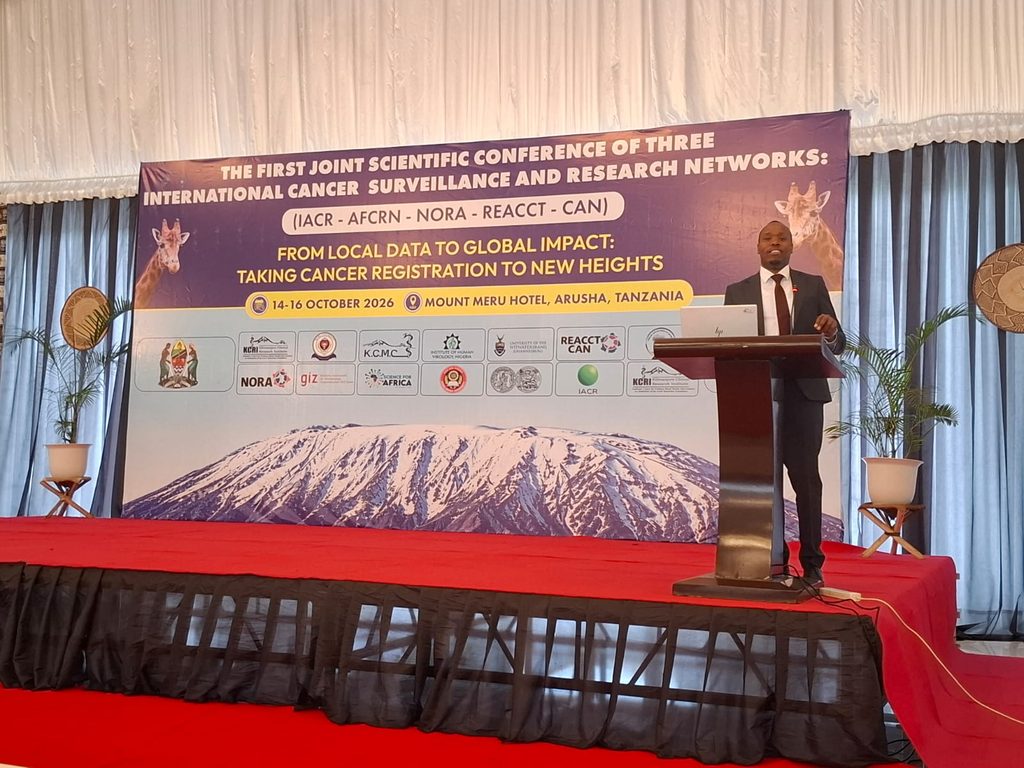
NCI-K CEO, Dr. Elias Melly Delivery his Keynote Address at the IACR, Tanzania.
Dr. Melly was featured as the keynote speaker on the opening day of the conference, on 14 October 2026, underscoring Kenya’s participation in regional and international efforts to strengthen cancer prevention and control through research, reliable cancer data and effective surveillance systems.
The scientific conference brought together cancer registry professionals, researchers and public health experts to share scientific evidence, exchange knowledge and discuss approaches to improving cancer registration, surveillance, research and the use of cancer data to inform policy and public health interventions.
Strengthening Regional and International Partnerships in Cancer Control
The conference provided a platform for collaboration among the International Association of Cancer Registries (IACR), the African Cancer Registry Network (AFCRN) and NORA, alongside scientific sessions involving NORA–REACCT–CAN. These collaborative platforms brought together expertise and research from across Africa and other regions to address shared challenges in cancer registration and control.
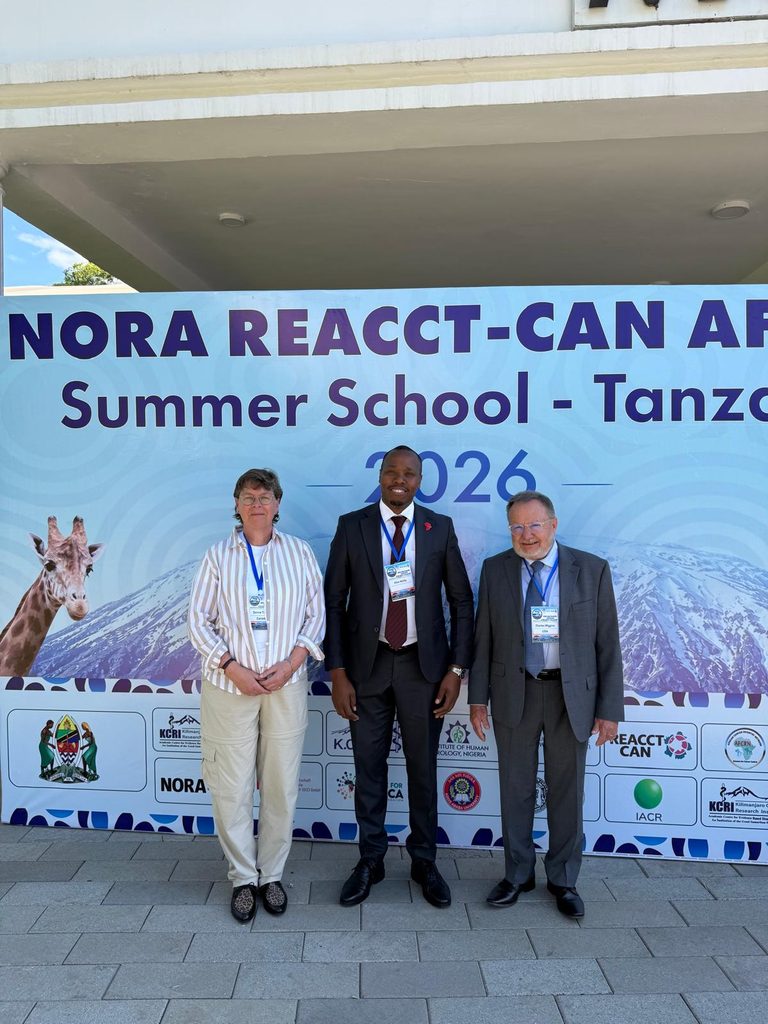
Dr. Melly (centre)with outgoing IACR President, Dr. Charles Wiggins (right), and the incoming president, Dr. Dabber Wanna (left)
For NCI-K, participation in such regional and international scientific engagements reinforces the importance of partnerships in strengthening cancer surveillance, building institutional capacity and generating evidence to guide national cancer control priorities.
Effective cancer control depends on access to quality, timely and reliable data on cancer incidence, mortality, survival and patterns of diagnosis. Strong cancer registration systems help governments and health institutions understand the burden of cancer, identify gaps in services, plan interventions and assess progress in prevention, early detection, treatment and care.
The conference programme featured discussions on population-based cancer registration, cancer registry governance and standards, data quality and accessibility, cervical cancer screening, cancer survival, and translating registry data into policy and public health action.
Kenya Advances National Childhood Cancer Registry Development
Kenya’s contribution to the scientific programme also featured work towards strengthening childhood cancer surveillance. On 15 October 2026, Gladys Chesumbai, Head of the National Cancer Registry at the National Cancer Institute of Kenya presented on “Delphi Consensus for a Standardized National Childhood Cancer Registry Minimum Dataset in Kenya.”
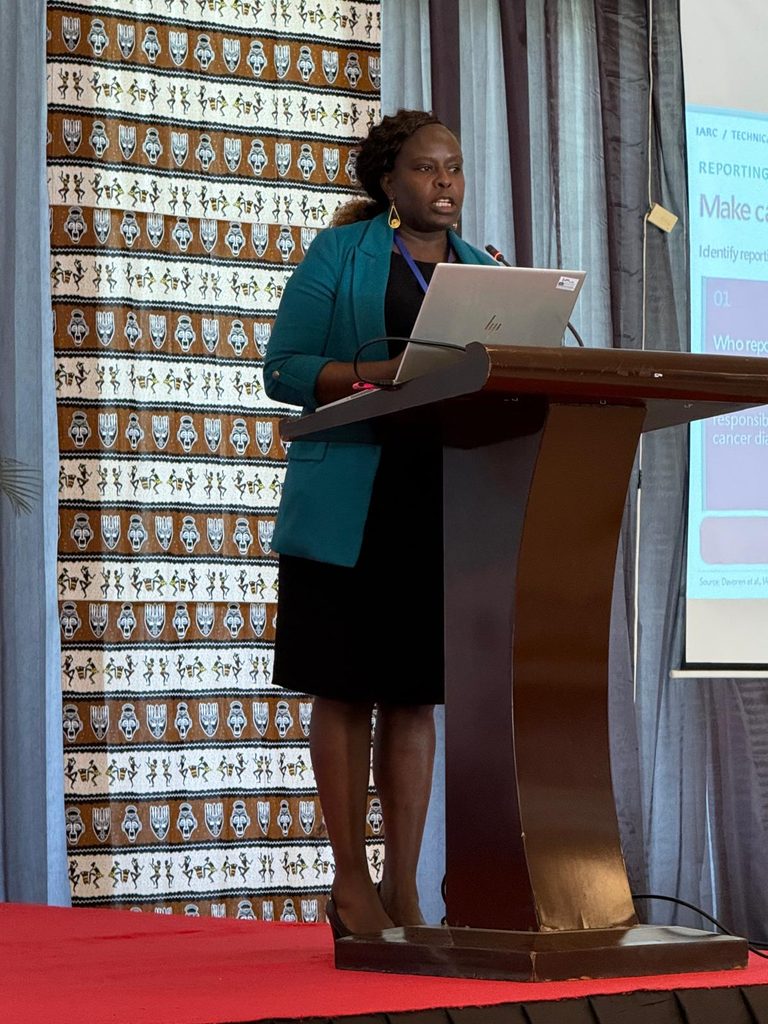
Gladys Chesumbai, Head of Cancer Registry at NCI-K.
The presentation formed part of a plenary session examining the burden of childhood, adolescent and early-onset cancers. Standardising the minimum dataset for a national childhood cancer registry is an important area of work in strengthening the consistency and quality of information collected on childhood cancers.
Reliable childhood cancer data can support a better understanding of the disease burden, inform research and planning, and provide an evidence base for decisions aimed at improving services for children affected by cancer.
Kenya’s participation in this scientific exchange highlights the value of sharing national experiences and learning from international expertise as the country advances its cancer surveillance and registry development agenda.
Advancing the National Cancer Control Agenda Through Collaboration
The conference’s focus on cancer registration, research, data standards and evidence-informed decision-making aligns with the broader need for coordinated approaches to cancer prevention and control across the region.
As a statutory body established under the Cancer Prevention and Control Act, No. 15 of 2012, NCI-K is mandated to spearhead and coordinate cancer prevention and control in Kenya through the implementation of the National Cancer Control Strategy.
Engagement in regional and international platforms enables the Institute to participate in scientific discussions, strengthen professional networks and contribute to collective efforts to improve cancer information systems and public health responses.
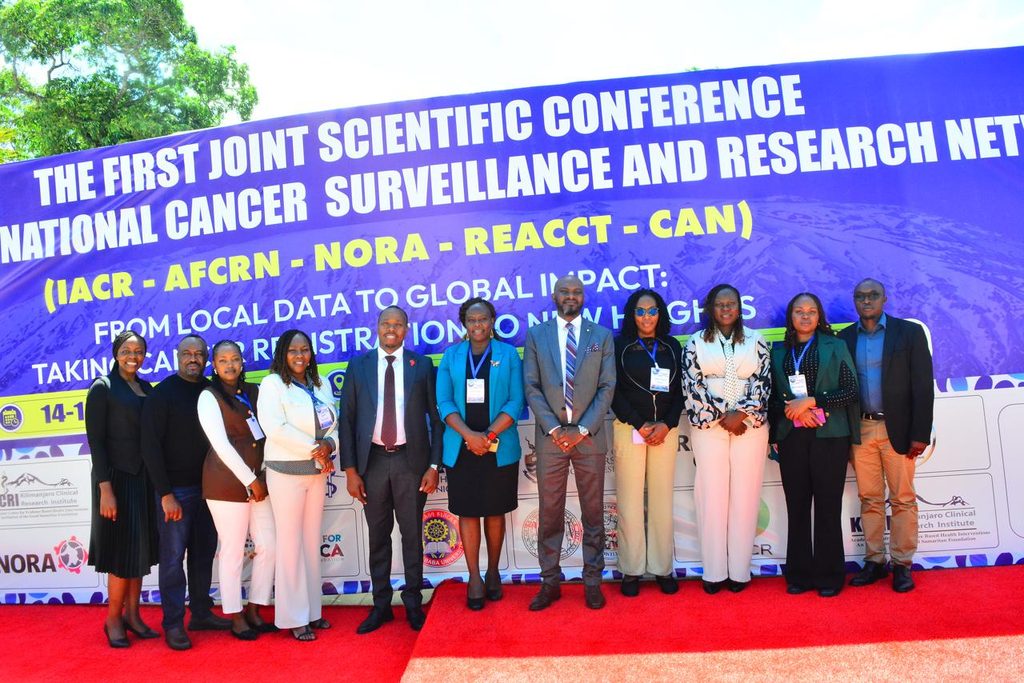
Through continued collaboration with national, regional and international stakeholders, NCI-K remains committed to advancing evidence-informed cancer control and supporting efforts towards a cancer-free nation.
-
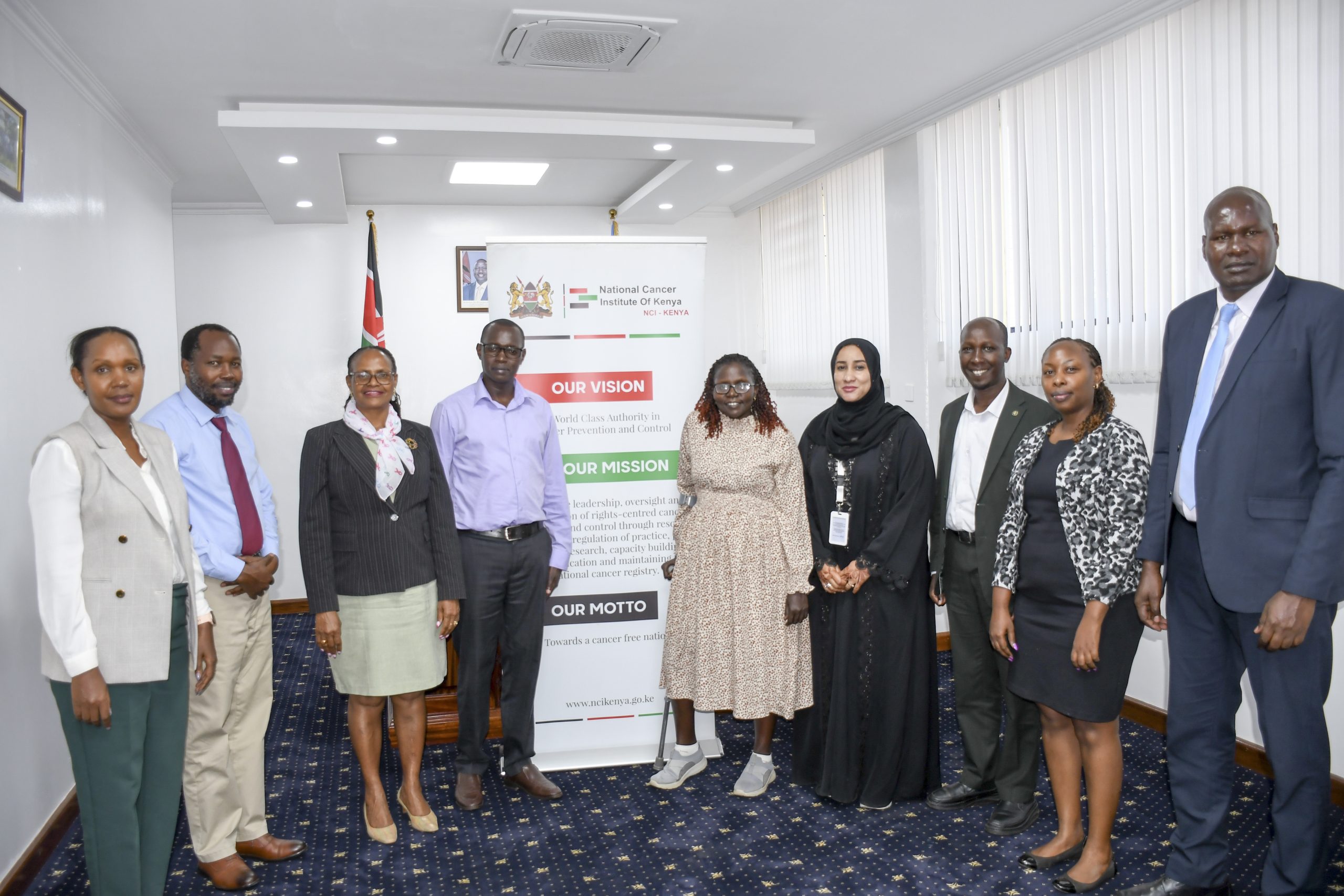
NCI-K Hosts AMPATH Flow Cytometry Team to Strengthen Cancer Diagnostic Services.
The National Cancer Institute of Kenya (NCI-K) today hosted a team from the AMPATH Flow Cytometry Program (AFCP) for a meeting with the NCI-K leadership. The team was received by the Director of the Cancer Prevention and Control Directorate, Dr. Nashat Fadhloon Noor.
The engagement focused on strengthening collaboration and advancing cancer diagnosis through specialized laboratory technologies, including flow cytometry, which plays an important role in the diagnosis and management of several cancers, particularly haematological malignancies.
Key areas discussed included:
- Recognition of flow cytometry as an essential specialized cancer diagnostic service.
- Adoption of panel-based reimbursement rather than individual antibody-based reimbursement.
- Appropriate reimbursement for immunohistochemistry (IHC) panels.
- Development of national technical and quality standards for specialized cancer diagnostics.
- Establishment of coordinated specimen-referral pathways.
- Recognition of qualified reference laboratories to support testing, training and quality assurance.
The AMPATH delegation included Dr. Teresa Lotodo, Lead Pathologist and Chair, Pathology Department, Moi University & Medical Director, Flow Cytometry Laboratory; Raphael Koima, AFCP Program Manager/Coordinator; Dr. Gilbert Olbara, Lead Clinician and Head of Paediatric Oncology, MTRH; Dr. Ronald Tonui, Director, AMPATH Reference Laboratory; and Nicholas Kigen, Lead Laboratory Scientist, ARL.
The meeting reaffirmed the importance of strategic partnerships, innovation and strengthened diagnostic capacity in improving early and accurate cancer diagnosis and ultimately advancing Kenya’s cancer response.
NCI-K remains committed to building partnerships that strengthen cancer prevention, diagnosis, treatment and care towards a cancer-free nation.
-
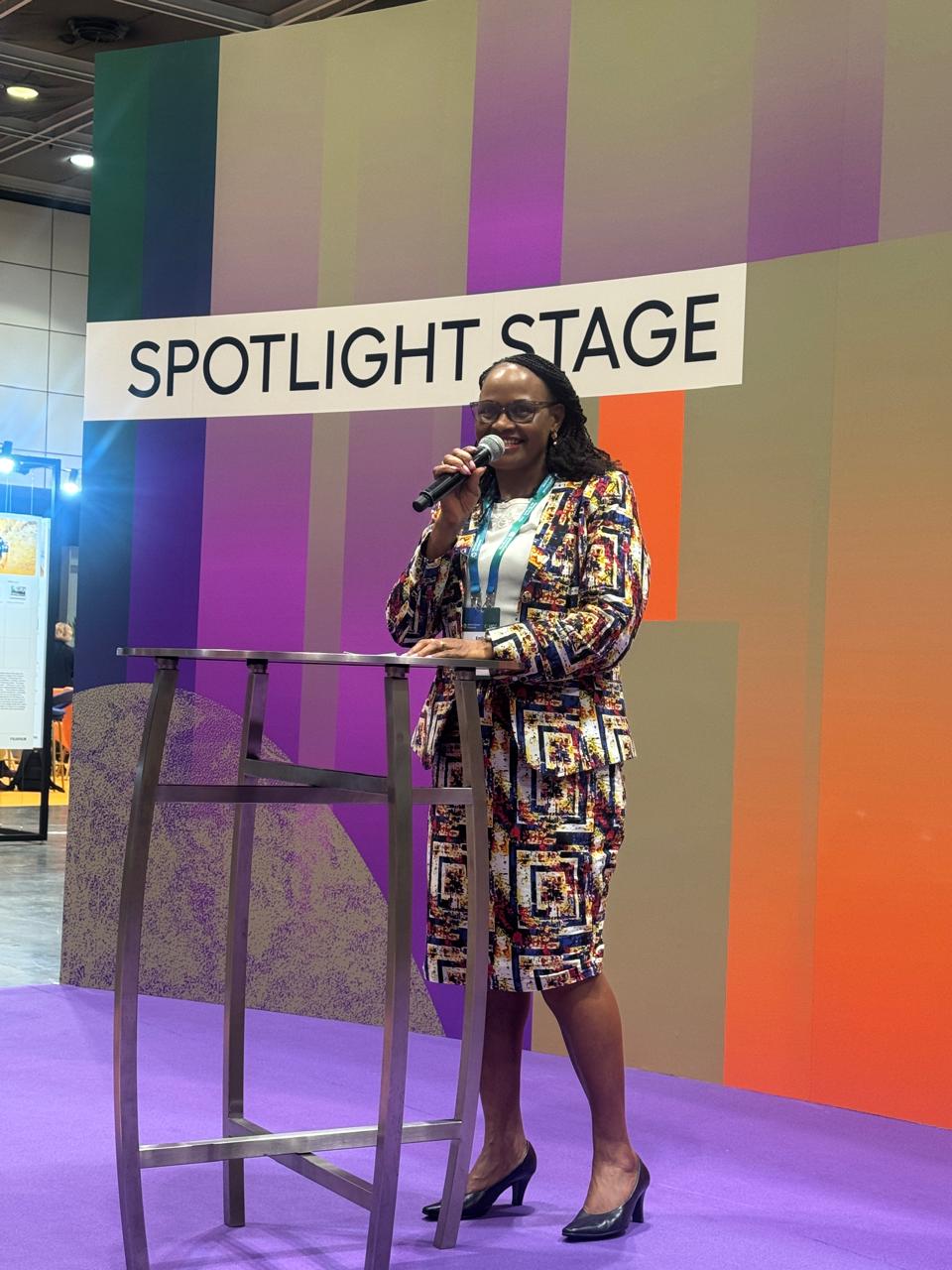
Kenya’s Efforts to Advance Cancer Prevention, Screening, Early Detection and Access to Care.
25th September, 2026 – Hong Kong, China — Presenting at the World Cancer Congress 2026, Emily Barsito, the Head of Strategic Planning, Resource Mobilization and Partnerships Directorate at NCI-Kenya, presented Kenya’s progress and experience in strengthening cancer prevention, screening, early detection and access to quality cancer care.
The presentation, “Kenya’s Efforts on Cancer Prevention, Screening, Early Detection and Access to Care,” highlighted the country’s efforts to build a coordinated and equitable national cancer-control system, while drawing lessons that may be relevant to other low- and middle-income countries.
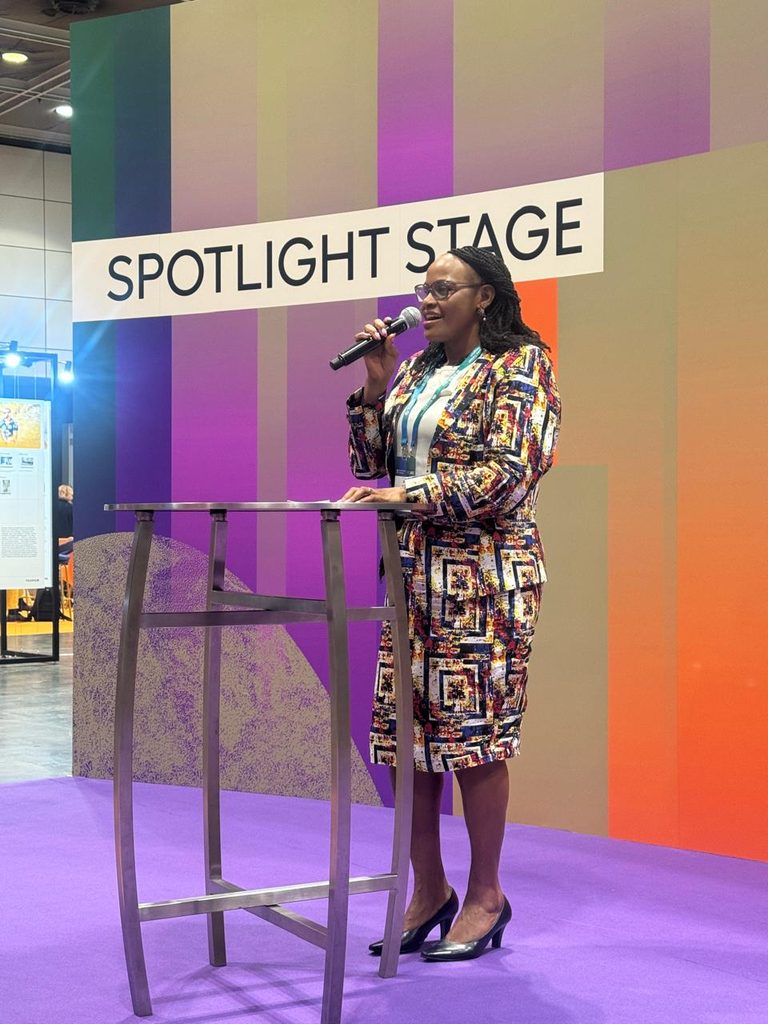
Emily Barsito Presenting on Kenya’s Efforts on Cancer Prevention, Screening, Early Detection and Access to Care.
Strengthening Cancer Prevention through Governance and Policy
Kenya’s response to the growing cancer burden is anchored in the Cancer Prevention and Control Act, 2012, which established the National Cancer Institute of Kenya (NCI-K) to spearhead and coordinate cancer prevention and control nationally.
Through NCI-K and a multisectoral approach, Kenya continues to strengthen leadership and coordination in cancer prevention and control, public information, education and awareness, and implementation of the National Cancer Control Strategy.
Investing in Cancer Prevention
Prevention remains a key pillar of Kenya’s cancer-control efforts.
Public information, education and awareness initiatives are being used to increase knowledge about cancer risk factors, prevention and the importance of screening, while creating demand for early detection services.
Kenya has also strengthened tobacco control as an important public-health intervention, including restrictions on smoking in public spaces to reduce population exposure to tobacco smoke.
HPV Vaccination and Cervical Cancer Prevention
Kenya continues to advance efforts towards the elimination of cervical cancer through HPV vaccination.
More than four million girls aged 9–14 years have been vaccinated through school-based programmes and integration of HPV vaccination into primary healthcare.
This investment in prevention is critical to reducing the future burden of cervical cancer and protecting generations of Kenyan women.
Bringing Screening Closer to Communities
Kenya has integrated cancer screening with primary healthcare (PHC) to improve access to preventive and early-detection services.
The country has also embraced innovative and culturally appropriate approaches to screening and awareness, including reaching underserved and hard-to-reach populations.
Integrating cancer prevention and screening into primary healthcare provides an opportunity to bring services closer to communities and strengthen early detection across the country.
Strengthening Early Detection and Diagnosis
Early diagnosis remains essential to improving cancer outcomes.
Kenya has invested in advanced oncology and diagnostic technologies, including CT, MRI and PET-CT, to strengthen diagnosis, staging and treatment planning.
These investments support the country’s ambition to shift cancer diagnosis from predominantly Stage III and IV disease towards Stage I and II, when treatment can be more effective and outcomes improved.
Decentralising Cancer Care
Access to quality cancer care is being strengthened through the decentralisation of oncology services and the establishment of regional cancer centres capable of providing comprehensive cancer treatment.
This approach is helping reduce geographical disparities and bringing specialised cancer services closer to patients and their families.
Sustainable health financing is equally important. Kenya’s Universal Health Coverage (UHC) agenda and the Social Health Insurance Fund (SHIF) oncology package are intended to reduce the financial burden associated with cancer treatment and protect families from catastrophic health expenditure.
Using Cancer Data to Guide Action
Reliable data is fundamental to effective cancer prevention and control.
Kenya’s National Cancer Registry provides critical information to support evidence-based policy, planning, resource allocation, research and evaluation of cancer-control interventions.
Without reliable data, countries risk making decisions without a clear understanding of where the burden lies, who is affected and where resources are most needed.
Lessons for other Low- and Middle-Income Countries
Kenya’s experience offers several lessons that may be relevant to other countries facing similar challenges:
1. Good governance is essential.
Strong leadership, coordination and accountability provide the backbone for resilient cancer-control systems.2. Prevention is the best investment.
Countries should prioritise preventing cancers wherever effective prevention interventions are available.3. Decentralise cancer care.
Bringing services closer to communities can reduce geographical and socioeconomic inequalities in access to care.4. Integrate cancer services with primary healthcare.
Integration provides a practical pathway for expanding prevention, awareness and screening services.5. Invest in sustainable health financing.
Cancer care should be accessible to those who need it, not only to those who can afford it.6. Build reliable cancer information systems.
Cancer data is the lifeblood of effective planning, resource allocation and programme evaluation. Without it, decision-making remains largely blind.7. Leverage innovation to advance equity.
Technology and innovation should be deliberately deployed to expand access, improve quality and address the needs of underserved populations.A shared commitment to cancer control
Kenya’s experience demonstrates that progress in cancer control requires more than investment in treatment alone. It requires strong governance, prevention, early detection, accessible screening, reliable data, sustainable financing, innovation and equitable access to care.
As countries work towards reducing the growing global cancer burden, sharing experiences and learning from one another can help accelerate progress—particularly in low- and middle-income settings.
Kenya remains committed to strengthening its cancer-control systems and advancing equitable access to prevention, early detection and quality cancer care for all.
#NCIK #HealthGovernance #CancerPreventionAndControlAct #PublicHealthPolicy #CancerControl #CancerPrevention #CancerScreening #EarlyDetection #UniversalHealthCoverage
-
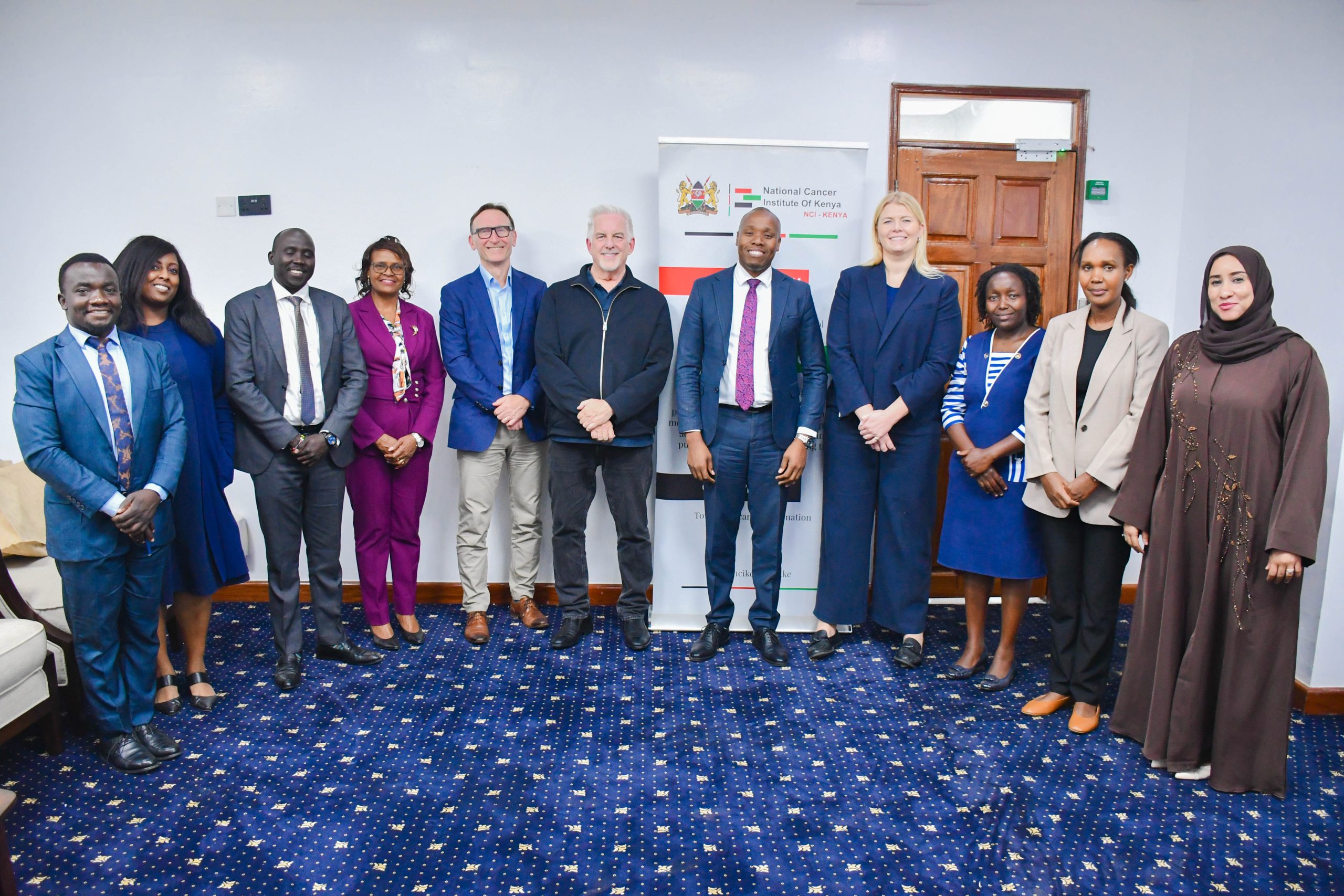
University of Manchester Team Visits NCI-K to Explore Opportunities for Cancer Research, Training and Capacity-Building Collaboration
The National Cancer Institute-Kenya (NCI-K) hosted a delegation from the University of Manchester and its cancer research and clinical partners for an engagement focused on strengthening collaboration in cancer research, screening, diagnostics, training, mentorship and capacity building.
The visiting team was received by the NCI-K Chief Executive Officer, Dr. Elias Melly, who highlighted the Institute’s mandate and its ongoing efforts to strengthen cancer control through research, evidence generation, innovation and strategic partnerships.
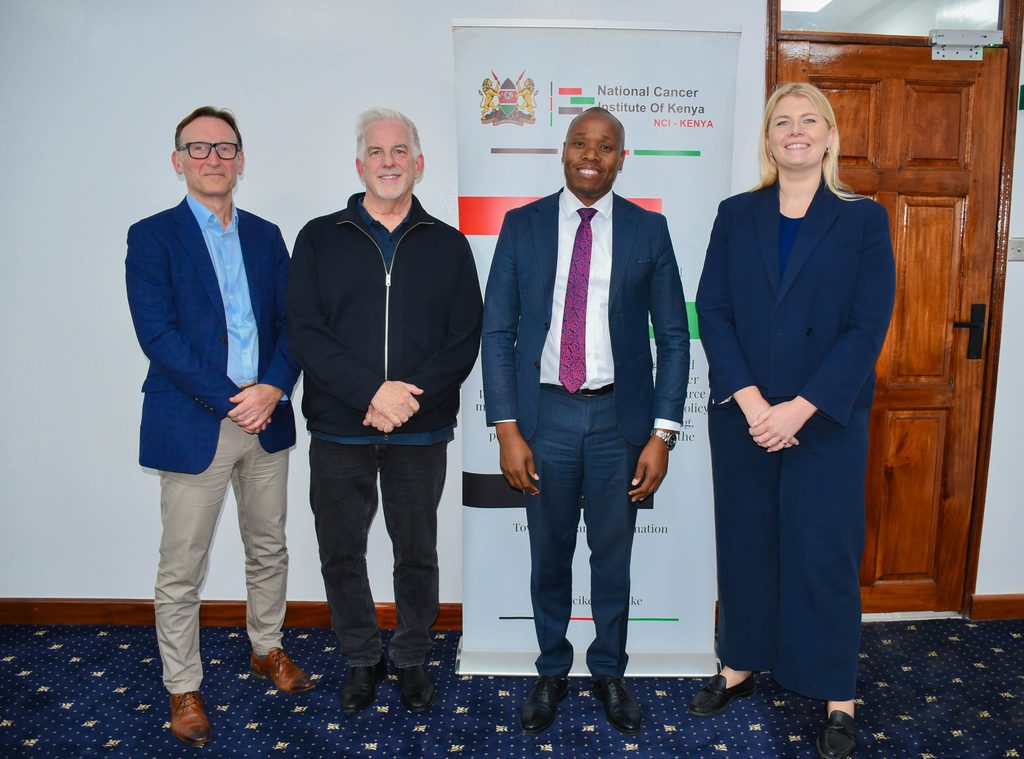
From left, Professor Sacha Howell – Division of Cancer Sciences; Professor Robert Bristow – Director, Manchester Cancer Research Centre; Dr. Elias Melly, CEO, NCI-k and Rachel Chown — Associate Director, Integrated Research and Education Strategy, The Christie NHS Foundation Trust.
During the visit, the delegation was briefed on the National Cancer Registry, including cancer data collection, analysis and reporting in Kenya. The team also received a presentation on the NCI-K Cancer Data Dashboard, showcasing the latest available 2024 cancer data and its role in informing cancer planning, policy, research and service delivery.
The delegation was further taken through research projects supported by NCI-K through its Seed Grant Programme, highlighting the Institute’s commitment to promoting locally relevant research and building Kenya’s cancer research capacity.
Exploring Areas of Strategic Collaboration
Discussions focused on areas where the complementary strengths of NCI-K and the Manchester cancer research ecosystem could support advances across the cancer care and research continuum.
A key area was breast cancer screening and imaging, including strengthening national mammography services, improving screening uptake in rural and urban settings, and exploring the application of artificial intelligence and machine learning in mammographic image interpretation and cancer detection.
The teams also explored opportunities for collaboration in lung cancer screening, with a focus on generating evidence to inform appropriate screening approaches and strengthening early detection.
Other areas identified included histopathology and diagnostic capacity, particularly through assessing skills gaps and developing targeted approaches to strengthen specialist expertise, laboratory capacity and cancer diagnostics.
Strengthening Training, Fellowships and Mentorship
The engagement also explored opportunities for fellowships, mentorship and structured training programmes for Kenyan researchers and healthcare professionals. Discussions included the development of online learning modules, short-term training programmes and other flexible professional development opportunities.
These areas align with Manchester’s established strength in cancer education, clinical research and workforce development. The Manchester Cancer Research Centre brings together The University of Manchester, The Christie NHS Foundation Trust and Cancer Research UK, creating an integrated environment in which basic science, translational research and clinical practice are closely connected. The Centre’s research strategy spans multiple cancer types and links basic, translational and clinical research through a wider network of externally funded institutes, centres and research programmes.
Genomics, AI and Precision Cancer Research
The discussions further identified opportunities for joint research in genomics, artificial intelligence and machine learning, including the use of advanced technologies to improve cancer diagnosis, understand disease biology and support data-driven cancer research.
Manchester has significant expertise in cancer genomics and data science, with ongoing international research programmes examining the genetic basis of cancer and opportunities to improve early detection and treatment. Importantly, Manchester already has an active research collaboration in Kenya on oesophageal cancer, led by Professor Rob Bristow in partnership with Kenyan researchers, focusing on early detection and the genetic changes associated with oesophageal squamous cell cancer.
The teams also discussed opportunities to explore the application of AI in research methodologies, including innovative approaches to study design and participant randomisation.
The engagement highlighted the potential for NCI-K and Manchester to build on complementary strengths: NCI-K’s national cancer data, research mandate and understanding of Kenya’s cancer landscape, alongside Manchester’s expertise in cancer genomics, precision oncology, imaging, artificial intelligence, clinical research, translational science, education and multidisciplinary cancer care.
The Manchester Cancer Research Centre is a world-leading comprehensive cancer research partnership, bringing together scientists, clinicians and research institutions to accelerate the translation of discoveries into improved cancer prevention, diagnosis and treatment. Its strong international outlook and existing collaborations in Kenya provide a valuable foundation for expanding research and capacity-building partnerships.
NCI-K and the University of Manchester will continue discussions to translate the areas identified into practical programmes that can contribute to strengthening cancer research, innovation, early detection, diagnostics, workforce development and cancer control in Kenya.
University of Manchester Delegation
The delegation included:
Rachel Chown — Associate Director, Integrated Research and Education Strategy, The Christie NHS Foundation Trust. Rachel previously served at the Manchester Cancer Research Centre, where she led training and education and supported international links, academic collaborations, and research-related education programmes.
Professor Robert Bristow — Director, Manchester Cancer Research Centre (MCRC); Director, Cancer Research UK Manchester Centre; University Professor of Cancer Studies, University of Manchester; and Senior Group Leader in Translational Oncogenomics at the Cancer Research UK Manchester Institute. Professor Bristow’s research includes cancer genomics, tumour biology, DNA damage and repair, and treatment response.
Professor Sacha Howell is a professor in the Division of Cancer Sciences at the University of Manchester and a leading breast cancer clinician-researcher. His research focuses on breast cancer treatment and prevention, breast cancer risk prediction, imaging and mammographic density, with links to research in artificial intelligence and mammographic imaging.
-
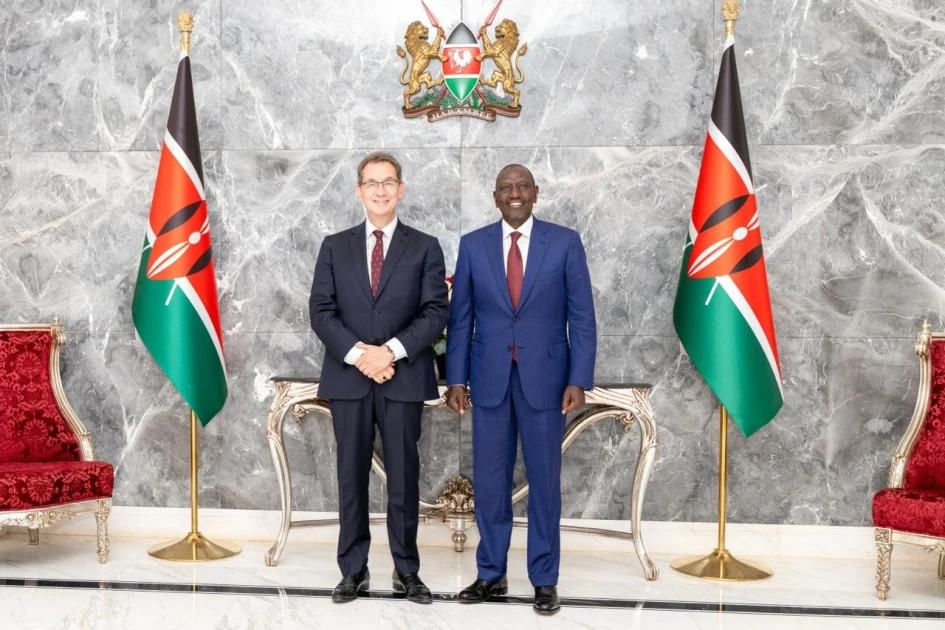
Kenya Announces Major Reduction in Cancer Treatment Costs Through Pfizer Partnership
Kenya has secured a major breakthrough in reducing the cost of cancer treatment following an agreement between the Government of Kenya and global pharmaceutical company Pfizer, aimed at lowering the cost of selected cancer medicines.
The National Cancer Institute of Kenya (NCI-K) is pleased to announce that the agreement could reduce the cost of treating several cancers by more than seven times, with the cost of some medicines expected to fall from as much as KSh. 1 million to below KSh. 50,000 per treatment cycle.
The development follows discussions between President William Ruto and Pfizer Chairman and Chief Executive Officer Albert Bourla during their meeting at State House, Nairobi.
The agreement covers medicines used in the treatment of breast, stomach, colorectal, lung, prostate and oesophageal cancers, as well as leukaemia, lymphoma and multiple myeloma.
“Today, Kenya has made a breakthrough in the treatment of several cancers,” President Ruto said.
The arrangement brings together Pfizer and the Kenya Medical Supplies Authority (KEMSA) under Pfizer’s Accord for a Healthier World, a global initiative through which the company provides medicines to lower-income countries on a not-for-profit basis. Kenya joined the Accord in June 2025.
The significant reduction in medicine costs is expected to improve access to cancer treatment and ease the financial burden faced by patients and their families. According to the President, the lower prices will enable the Social Health Authority (SHA) KSh. 800,000 cancer package to fully cover treatment, substantially reducing the need for additional out-of-pocket payments.
The agreement will also provide Kenya with access to newer cancer therapies, helping address delays that patients have historically experienced in accessing innovative and potentially life-saving treatments.
In addition, Pfizer is expected to make relevant technologies and newer medicines available to support local pharmaceutical manufacturing in Africa, contributing to efforts to strengthen the continent’s capacity to produce essential medical commodities.
This development comes at a critical time as cancer continues to pose a major public health challenge in Kenya. The high cost of diagnosis and treatment has for years placed a significant financial burden on patients and families, with some patients unable to complete their prescribed treatment.
The National Cancer Institute of Kenya (NCI-K) welcomes this landmark development as an important step towards advancing equitable access to quality, affordable and timely cancer care. The partnership reinforces Kenya’s commitment to reducing the financial barriers to cancer treatment and strengthening the country’s broader cancer control efforts.
Towards a Cancer-Free Nation.
-
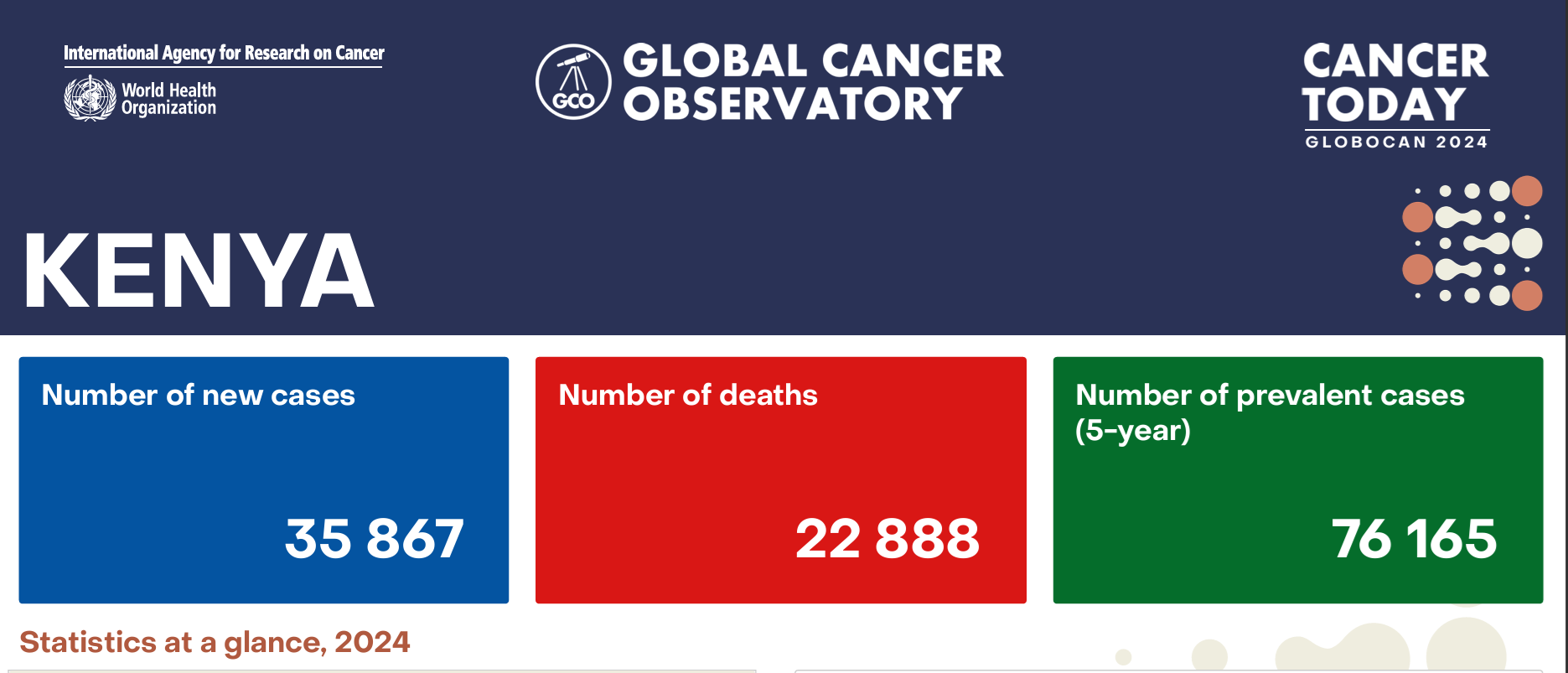
Kenya Records 35,867 New Cancer Cases in Latest GLOBOCAN 2024 Estimates
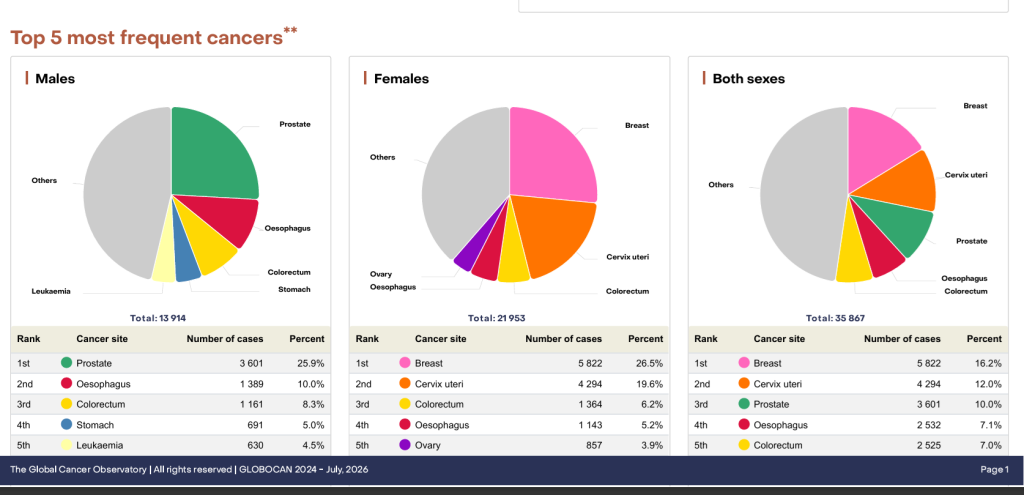
Nairobi, Kenya – The latest Global Cancer Observatory (GLOBOCAN) 2024 estimates indicate that 35,867 new cancer cases are diagnosed annually in Kenya, while 22,888 people die from the disease each year. The report also estimates that 76,165 people are living with cancer within five years of diagnosis. Compared to the GLOBOCAN 2022 estimates, the 2024 report reflects lower estimated numbers of new cancer cases, cancer-related deaths, and five-year prevalence. However, cancer remains a significant public health challenge, stressing the need for sustained investment in prevention, early detection, diagnosis, treatment, research, and palliative care.
According to the report, breast cancer remains the most commonly diagnosed cancer in Kenya, accounting for 5,822 new cases (16.2%), followed by cervical cancer with 4,294 cases (12.0%), prostate cancer with 3,601 cases (10.0%), oesophageal cancer with 2,532 cases (7.1%), and colorectal cancer with 2,525 cases (7.0%).
The report also highlights the leading causes of cancer-related deaths. Breast cancer remains the leading cause of cancer mortality, claiming 2,882 lives annually, followed by cervical cancer (2,606 deaths), oesophageal cancer (2,353 deaths), prostate cancer (2,199 deaths), and colorectal cancer (1,481 deaths).
Among men, prostate cancer continues to be the most commonly diagnosed cancer, accounting for 3,601 new cases (25.9%), followed by oesophageal, colorectal, stomach, and leukaemia. Among women, breast cancer remains the leading cancer with 5,822 new cases (26.5%), followed by cervical cancer, colorectal cancer, oesophageal cancer, and ovarian cancer.
The findings reaffirm the urgent need to strengthen Kenya’s cancer control efforts through enhanced public awareness, timely screening, early diagnosis, equitable access to quality treatment, palliative care, and sustained investment in cancer research. Early detection remains one of the most effective strategies for improving survival rates and reducing cancer-related deaths.
The National Cancer Institute of Kenya (NCI-K) continues to coordinate the implementation of the National Cancer Control Strategy 2023–2027, which provides a comprehensive framework for reducing the country’s cancer burden through five strategic pillars: cancer prevention and early detection; diagnosis, treatment and palliative care; governance and financing; cancer registration, surveillance and research; and monitoring, evaluation, and strategic information.
While Kenya has made significant progress in expanding access to cancer services, strengthening county cancer programmes, improving cancer surveillance, and fostering strategic partnerships, the latest GLOBOCAN estimates demonstrate that cancer remains a major public health challenge requiring increased investment and a whole-of-society response.
NCI-K calls upon all Kenyans to prioritize healthy lifestyles, participate in recommended cancer screening programmes, seek medical attention promptly for persistent symptoms, and support national efforts aimed at reducing the burden of cancer. The Institute also urges continued collaboration among government, county governments, healthcare providers, development partners, academia, the private sector, and communities to accelerate progress towards a future where fewer Kenyans are diagnosed with cancer and more survive the disease.
The GLOBOCAN 2024 estimates, published by the International Agency for Research on Cancer (IARC), provide the latest global and country-specific cancer incidence and mortality statistics and serve as an important resource for informing cancer control planning, policy development, and resource allocation.
-
Parliamentary Health Committee Commends NCI-K’s Progress, Pledges Support to Strengthen Cancer Control in Kenya
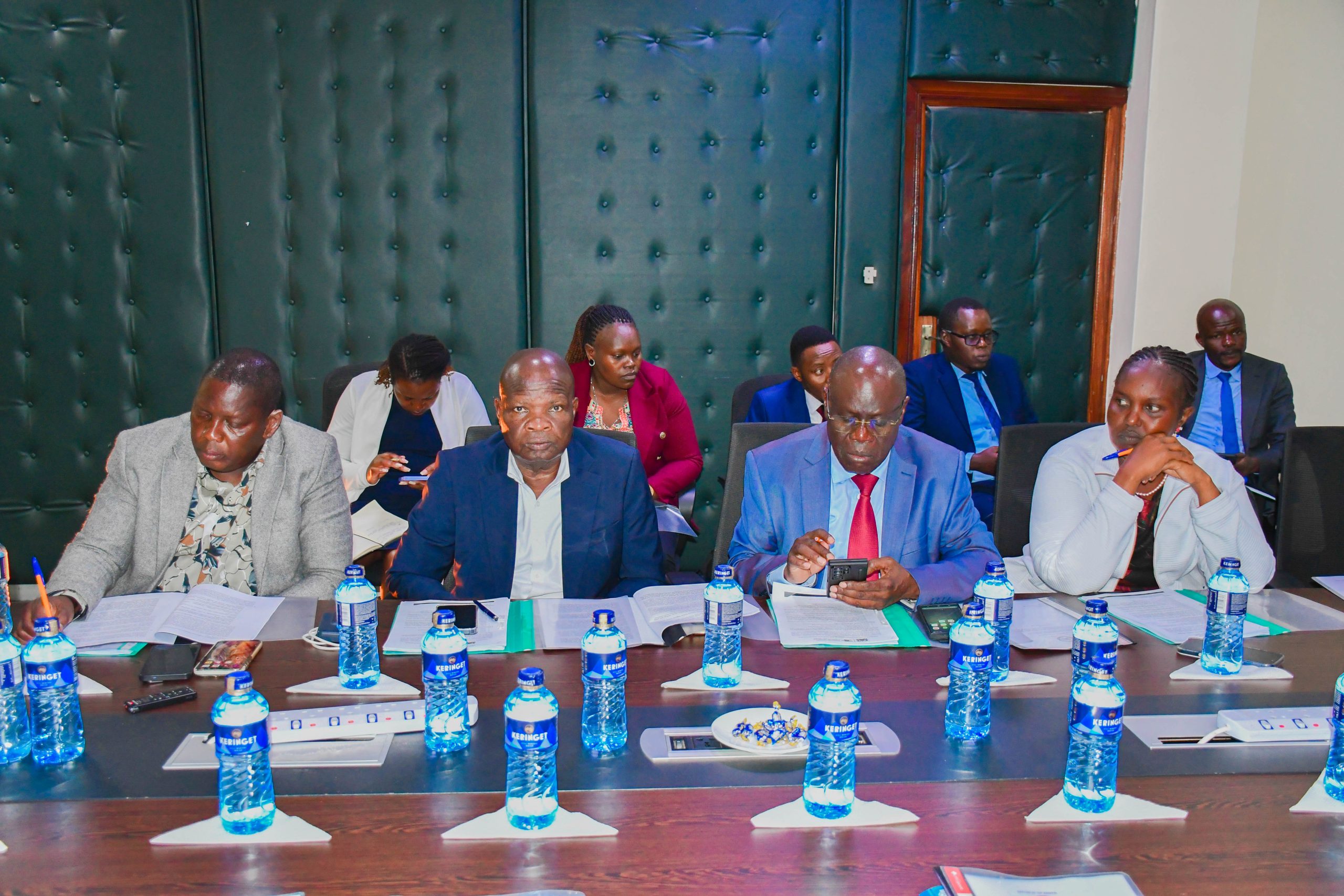
Nairobi, July 19, 2026 – The National Assembly Departmental Committee on Health today paid a familiarization and oversight visit to the National Cancer Institute of Kenya (NCI-K) headquarters in Upper Hill, Nairobi, where Members of Parliament received a comprehensive briefing on the state of cancer in Kenya, the Institute’s achievements, and the implementation of the National Cancer Control Strategy 2023–2027.
The Committee, led by its Chairperson, Hon. Dr. James Nyikal, was received by the Chairperson of the NCI-K Board of Trustees, Dr. Timothy Olweny, and the Chief Executive Officer, Dr. Elias Melly, alongside members of the Institute’s management team.
During the engagement, the Committee was taken through Kenya’s current cancer burden, highlighting the latest GLOBOCAN 2024 estimates, which indicate 35,865 new cancer cases and 22,888 cancer-related deaths annually. The discussion highlighted the growing need for sustained investments in cancer prevention, early detection, treatment, palliative care, research, and surveillance to address the increasing burden of the disease effectively.
The Committee also received an overview of the Institute’s mandate, key milestones, and the progress made in implementing the five strategic pillars of the National Cancer Control Strategy 2023–2027, which guide Kenya’s response to cancer through prevention, early detection, diagnosis and treatment, palliative care, governance, research, surveillance, and resource mobilization.
Presenting the Institute’s status, Dr. Elias Melly acknowledged the significant progress made despite resource constraints. He noted that NCI-K has continued to coordinate national cancer control programmes, strengthen partnerships, enhance cancer awareness, support county governments, improve cancer surveillance systems, and advance research and policy development.
However, the CEO emphasized that insufficient funding remains the single greatest challenge affecting the full implementation of the National Cancer Control Strategy and the Cancer Prevention and Control Act, 2012.
“While the Institute has achieved remarkable milestones with the limited resources available, adequate and sustainable funding is essential for us to fully implement our statutory mandate and deliver comprehensive cancer control interventions across the country,” Dr. Melly noted.
Members of the Committee commended the Institute for the notable achievements realized despite financial constraints, observing that the progress demonstrates prudent utilization of the resources allocated to NCI-K. They acknowledged the Institute’s growing impact in coordinating the national cancer control agenda and pledged to engage relevant government agencies to address the budgetary challenges affecting its operations.
The Committee further stressed the importance of strengthening cancer research as a key pillar in reducing the country’s cancer burden. Hon. Dr. Robert Pukose, Member of Parliament for Endebess Constituency, emphasized that increased investment in research is critical to generating evidence that informs cancer prevention, early detection, diagnosis, treatment, and policy decisions. He called for enhanced funding to enable the Institute to establish and sustain robust cancer research programmes, a position that received unanimous support from the Committee members.
The meeting also explored the management of Regional Cancer Centres across the country. Hon. Pauline Lenguris, Woman Representative for Samburu County, raised the need to strengthen the governance and coordination of these centres and proposed that their management be placed under the National Cancer Institute of Kenya to promote uniform standards, enhance coordination, and improve service delivery nationwide. The Committee noted the proposal for further consideration as part of ongoing discussions on strengthening cancer care systems.
In his remarks, Dr. Timothy Olweny, Chairperson of the NCI-K Board of Trustees, thanked the Parliamentary Health Committee for its continued support and oversight, noting that Parliament plays a critical role in creating an enabling environment for effective cancer control through legislation, policy support, and adequate resource allocation.
The visit reaffirmed the shared commitment between Parliament and the National Cancer Institute of Kenya to strengthen the country’s cancer response through increased investment, strategic partnerships, research, and sustainable financing. The Institute remains committed to working closely with Parliament, the Ministry of Health, county governments, development partners, and other stakeholders to accelerate the implementation of the National Cancer Control Strategy and improve cancer outcomes for all Kenyans.
-
NCI-Kenya Supports Historic Launch of Kilifi County’s First Cancer Centre.
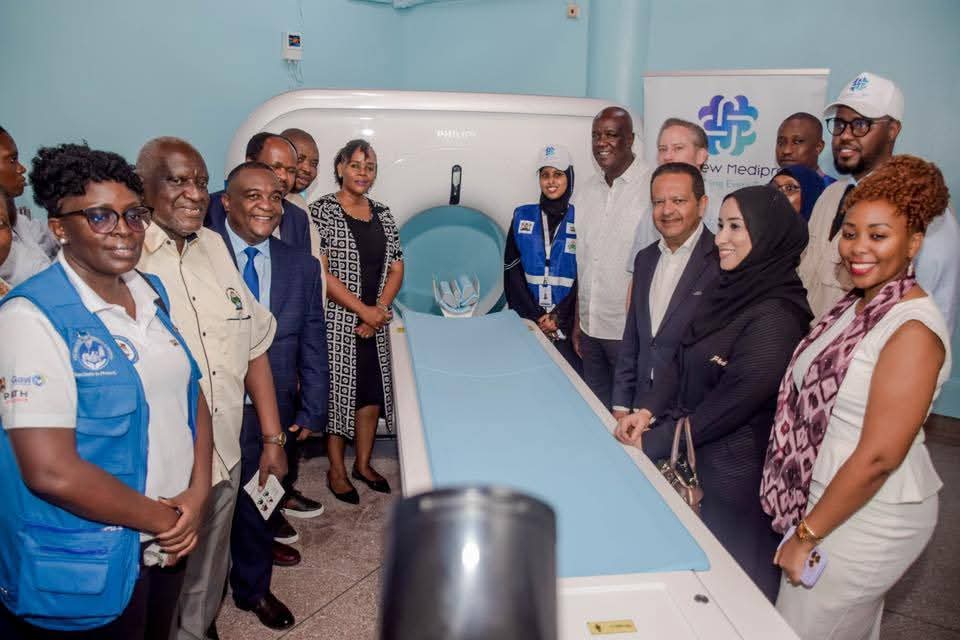
The National Cancer Institute of Kenya (NCI-K) joined Kilifi County, development partners, and stakeholders in celebrating a major milestone in Kenya’s cancer control efforts with the official commissioning of the first-ever Cancer Centre at Kilifi County Referral Hospital.
The landmark event, hosted by H.E. Governor Gideon Maitha Mung’aro, was attended by H.E. Arnaud Suquet, Ambassador of France to Kenya, Mr. Amin Mawji, OBE, Diplomatic Representative of the Aga Khan Development Network in Kenya, representatives from the Ministry of Health, county leadership, development partners, and other key stakeholders committed to strengthening cancer care services in Kenya.
The establishment of the Cancer Centre marks a significant step towards improving access to quality cancer care for residents of Kilifi County and the wider Coastal region. For many years, patients seeking oncology services have been forced to travel long distances to access specialized treatment, often resulting in financial hardship, delayed care, and poor treatment outcomes. The introduction of chemotherapy services at the facility will bring life-saving treatment closer to patients and improve timely access to cancer care.
NCI-Kenya played a critical role in supporting the realization of this milestone as part of its mandate to coordinate and promote cancer prevention, early detection, treatment, palliative care, research, and partnerships across the country. Through close collaboration with the Ministry of Health, Kilifi County Government, the National Cancer Control Programme, development partners, and healthcare institutions, NCI-K continues to support efforts aimed at decentralizing cancer services and strengthening cancer care infrastructure at the county level.
The launch of the centre aligns with Kenya’s broader objective of expanding access to comprehensive cancer care and reducing disparities in service delivery. It also reflects the growing impact of strategic partnerships in advancing the national cancer control agenda.
Looking ahead, Kilifi County has outlined plans to further strengthen the facility by establishing comprehensive oncology services, including radiotherapy through the acquisition of a Linear Accelerator (LINAC) and enhanced breast cancer screening through investment in digital mammography technology. These developments will contribute significantly to improving cancer outcomes through timely diagnosis and treatment.
Speaking during the event, leaders acknowledged the importance of collaboration in making the project a reality. NCI-Kenya was recognized as one of the key partners whose technical support, coordination, and commitment contributed to the successful establishment of the Cancer Centre. The commissioning of the Kilifi County Cancer Centre marks a significant milestone in Kenya’s journey towards equitable cancer care. The facility brings hope to patients and families by expanding access to quality cancer services closer to home and reducing the burden of travelling long distances for treatment. NCI-Kenya remains committed to working with national and county governments, healthcare providers, and development partners to strengthen cancer prevention, early detection, treatment, and care services across the country.