Author: admin
-
Tharaka Nithi County Prioritizes Cancer Care Initiatives with NCI-K Collaboration
Tharaka Nithi – 15th May, 2025
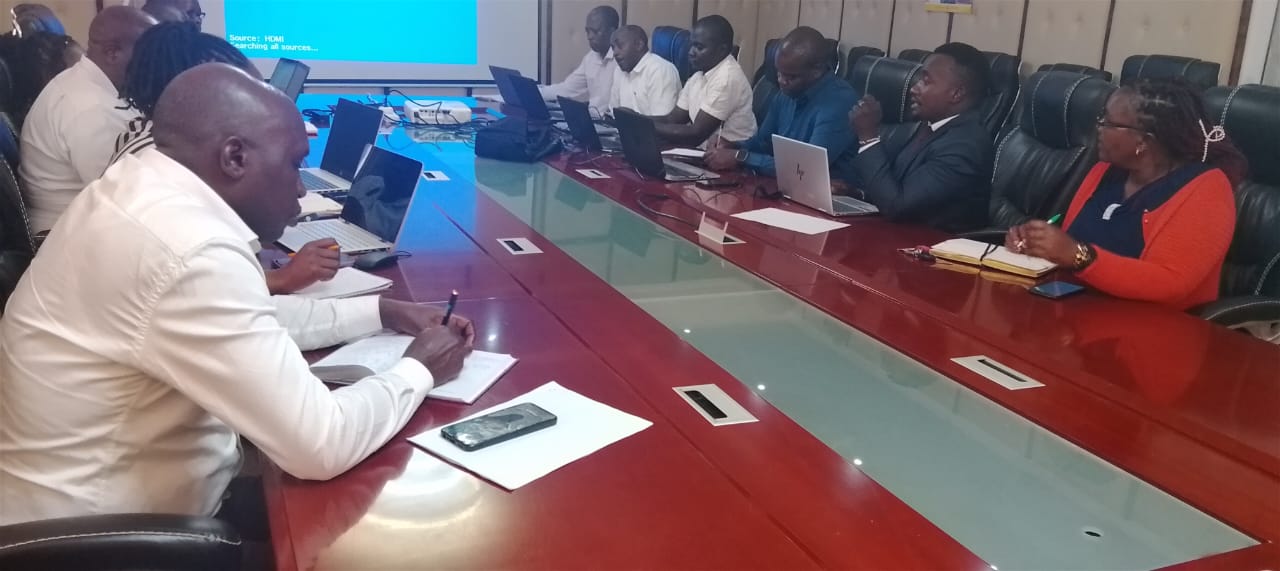
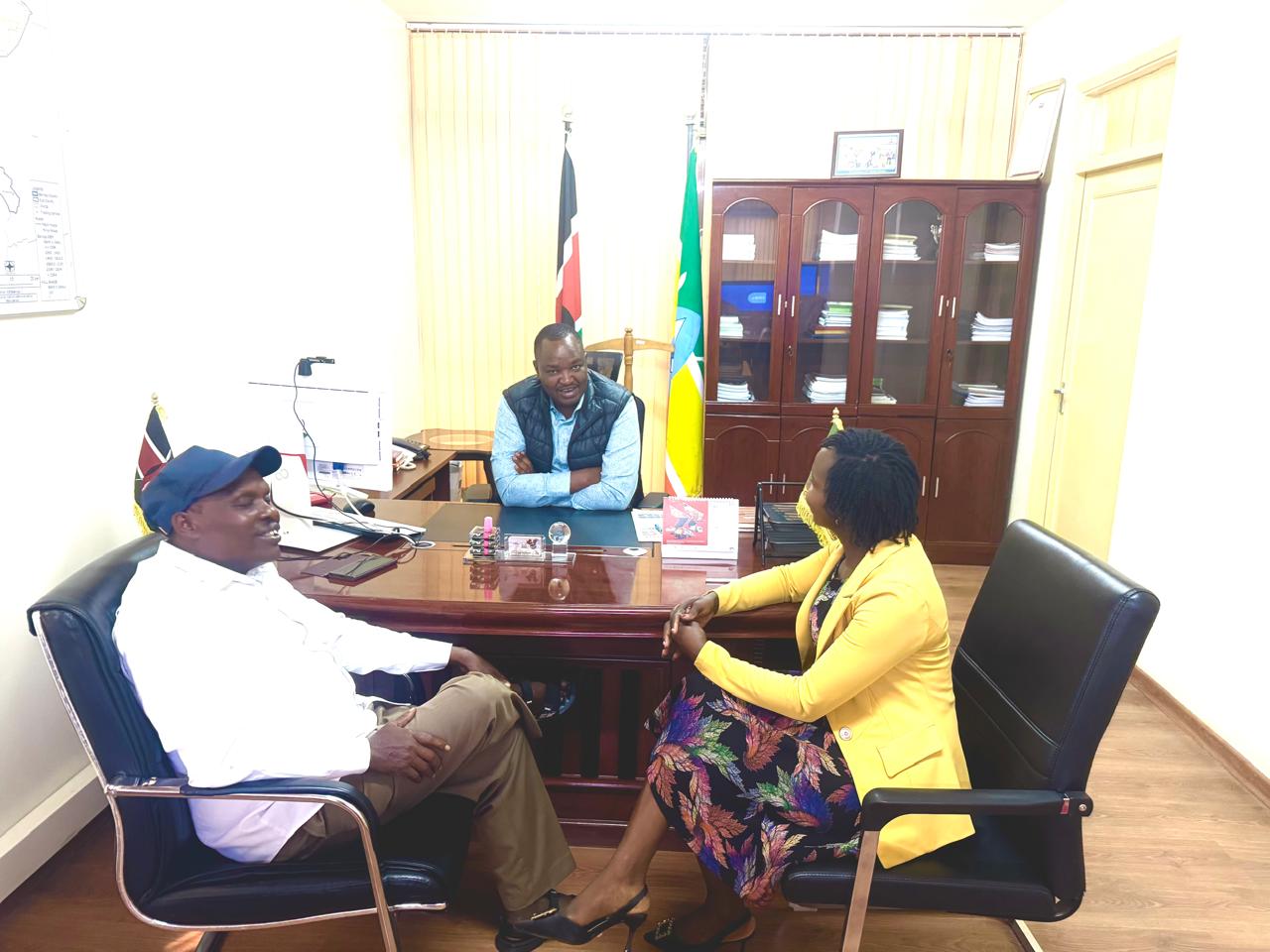
As part of its continued efforts in engaging County Governments on the implementation of the County Action Plans, the National Cancer Institute of Kenya held a meeting with Dr. Rose Micheni, Chief Officer for Medical Services, Tharaka Nithi County. Represented by Chrisantus Wekesa, the Regional Head, they discussed strengthening devolved healthcare with a focus on cancer care. Dr. Micheni expressed strong appreciation for the National Cancer Institute of Kenya for its leadership in coordinating cancer control efforts and for engaging grassroots stakeholders in shaping responsive interventions.
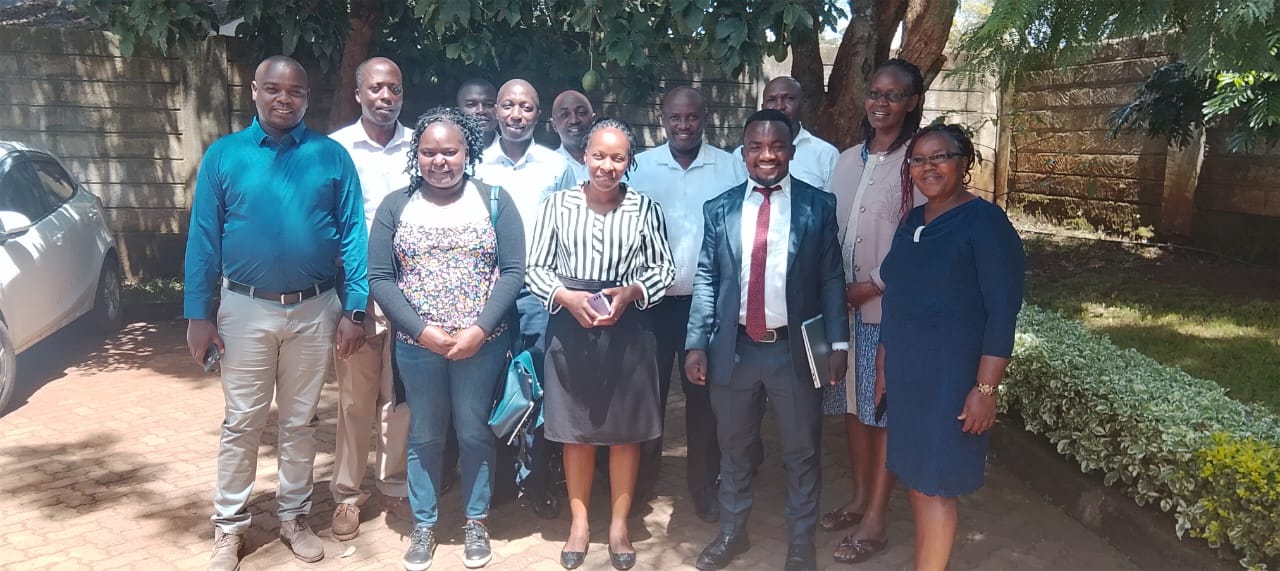
She commended NCI-K’s inclusive approach and the strategic partnerships, as it spearheads efforts to support county governments in building sustainable cancer care systems. Dr. Micheni affirmed her commitment to rallying support within the County Assembly for legislation that advances cancer outcomes, notably, the establishment of a cancer centre in Tharaka Nithi; an initiative already endorsed by the County Assembly to reduce reliance on external facilities and improve local access to care.
Additionally, Dr. Micheni acknowledged the need for increased budgetary allocation to cancer services and committed to advocating for enhanced funding to support the county’s cancer response.
NCI-K is pleased to learn that this agenda enjoys the full backing of Dr. Micheni, H.E., the Governor Hon. Muthomi Njuki, and the county leadership, who are united in prioritizing cancer services.
Prior to this meeting, NCI-K engaged with the Tharaka Nithi County Health Management Teams (CHMTs), and among the key issues discussed were:
- Prioritization of Establishing a Cancer Centre. Given that the county currently lacks such a facility, this was identified as a critical need.
- Establishment of a Cancer Registry: The need for a functional cancer registry was emphasized to enhance data collection and inform planning.
- Public Education and Awareness: A call was made to strengthen community sensitization and awareness on cancer prevention and early detection.
- Implementation of the National Cancer Control Strategy (NCCS): The team expressed commitment to aligning county efforts with the NCCS for improved cancer control outcomes.
The Institute, through its dedicated staff, is fully determined, through constructive engagements, to support County Governments in implementing the National Cancer Control Strategy (NCCS), as discussed during the County Action Plans engagements.
-
Advancing Cancer Control in Rift Valley | Baringo County Engagement
Baringo County – 15th May 2025
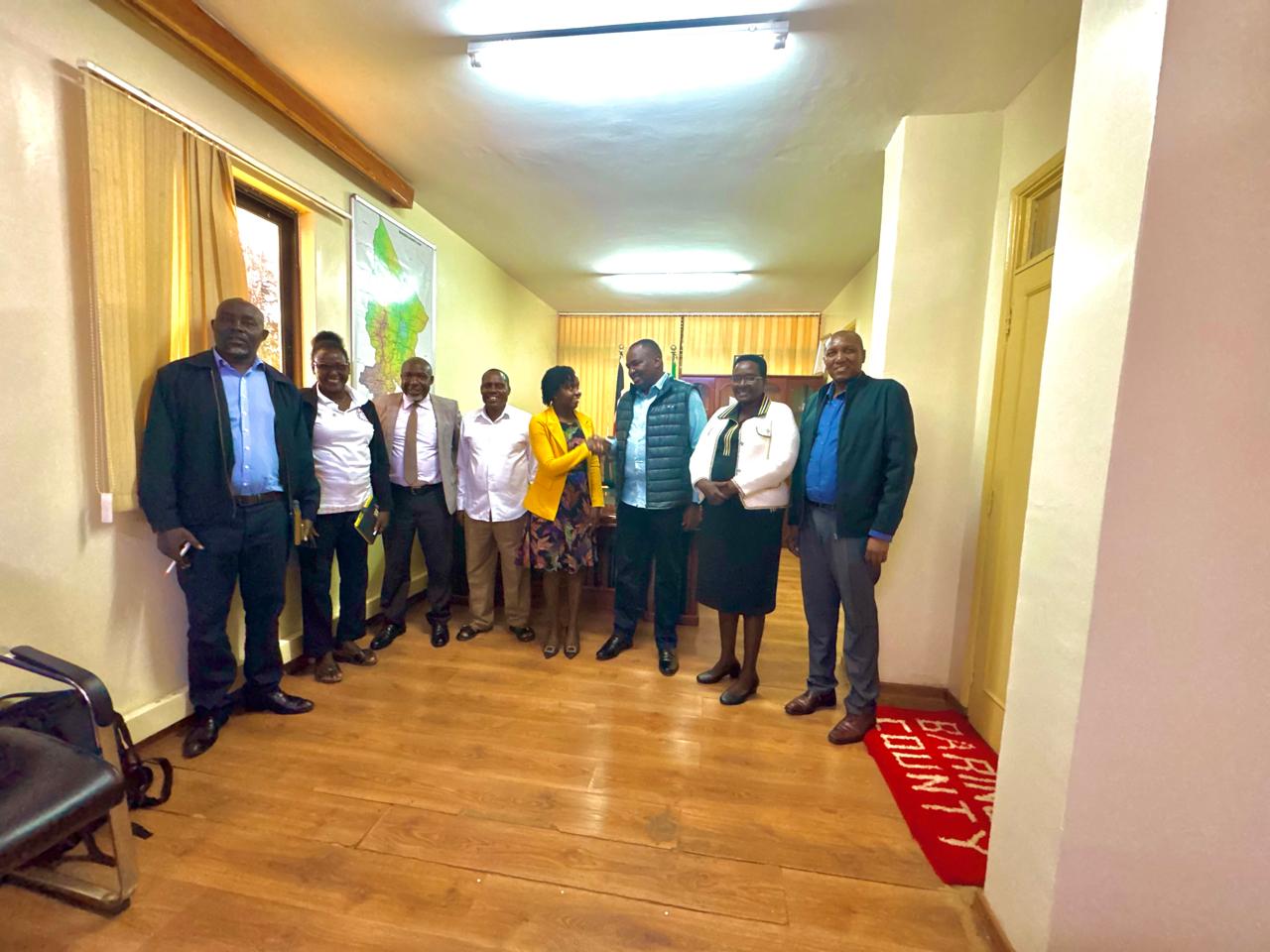
The National Cancer Institute of Kenya, through the Rift Valley Regional Team Lead, Ms. Linet Koskei, held an engagement meeting in Baringo County to assess progress and foster collaboration in strengthening cancer prevention and control efforts.
Ms. Koskei met with Hon. Eng. Felix Maiyo, Deputy Governor of Baringo County; Hon. Josphat Lokorio, Member of the County Assembly and Chair of the Health Committee; Nancy Chesire, Chief Officer for Health; Dr. Gerishon Abakalwa, Acting Director of Medical Services and Medical Superintendent; Dr. Timothy Amgee, NCD Coordinator; and members of the County Health Management Team (CHMT).
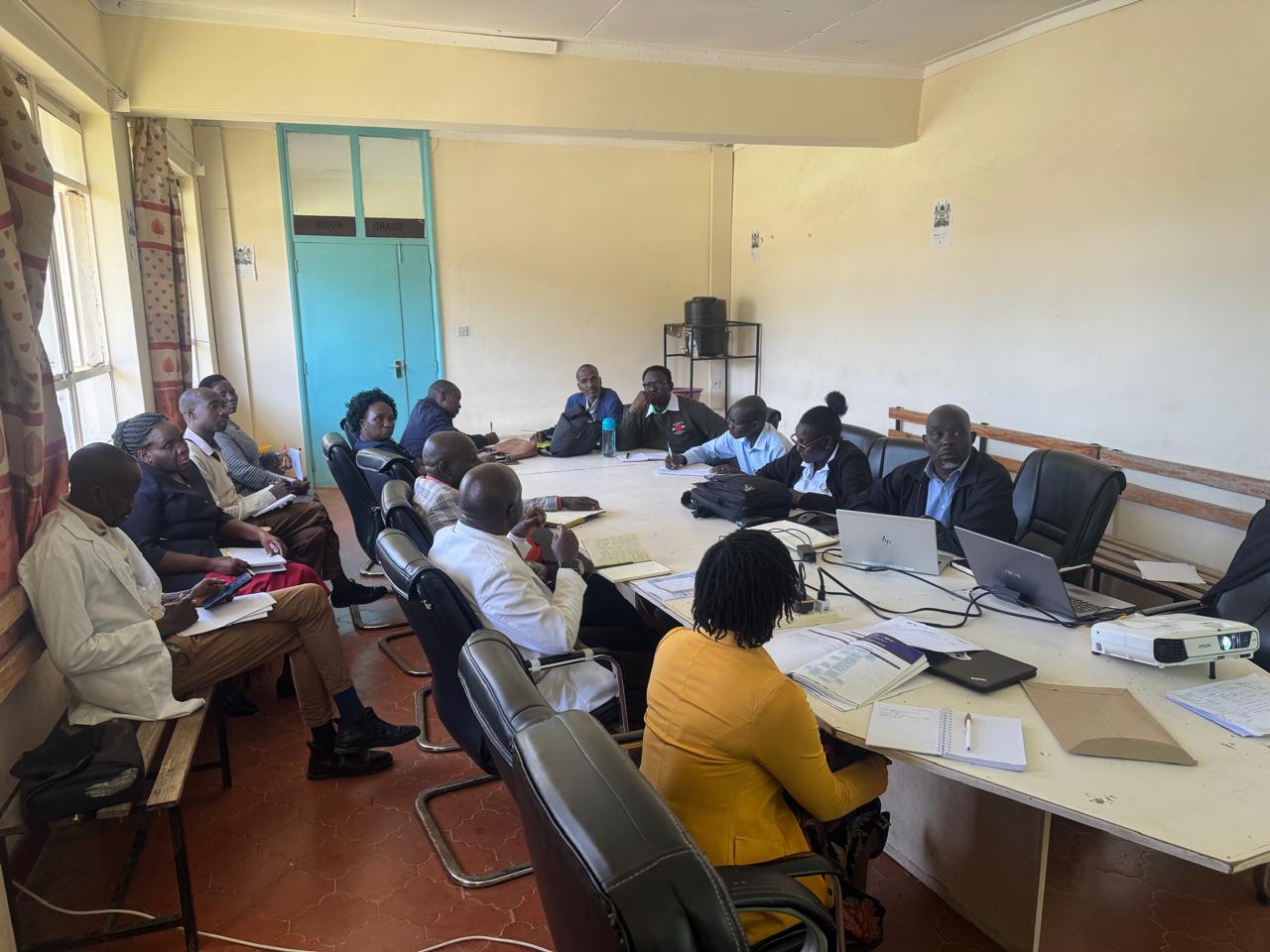
The discussion centered on evaluating the county’s strides in cancer prevention and early detection, assessing the capacity of healthcare facilities to deliver imaging, pathology, and laboratory services, and reviewing the availability of cancer treatment, palliative care, and survivorship support. The meeting also addressed the current status of advocacy, partnerships, coordination, and financing mechanisms, while reflecting on the role of strategic information, cancer registration, and research in driving evidence-based interventions.
During the meeting, Ms. Linet Koskei emphasized the importance of counties setting aside specific budgetary allocations to tackle and support the fight against cancer, noting that dedicated funding is critical in scaling up sustainable and impactful interventions at the grassroots level.
NCI-K believes these shared commitments between NCI-K and the County Governments brings comprehensive, high-quality, and community-responsive cancer services closer to the people. It also figures the importance of aligning local efforts with the National Cancer Control Strategy 2023–2027, ensuring that interventions are guided by the five strategic pillars to effectively reduce the cancer burden across the region.
Together, we are building a future where every Kenyan has access to timely and equitable cancer care, from prevention to survivorship.
-
NCI-K Pursues Research Institution Accreditation
NACOSTI Visits NCI-K
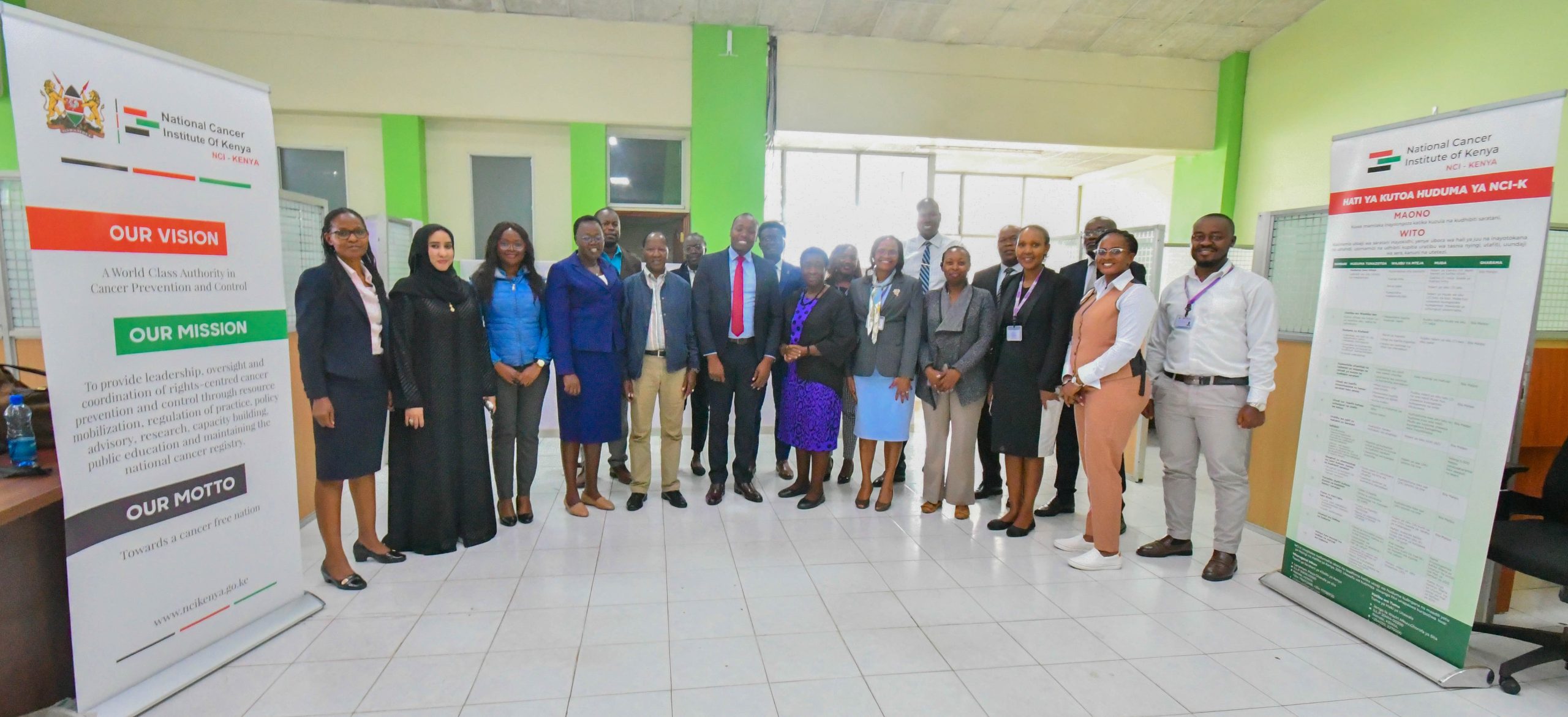
Today, the National Cancer Institute of Kenya hosted a delegation from the National Commission for Science, Technology and Innovation (NACOSTI), a state corporation mandated to regulate and assure quality in science, technology, and innovation.
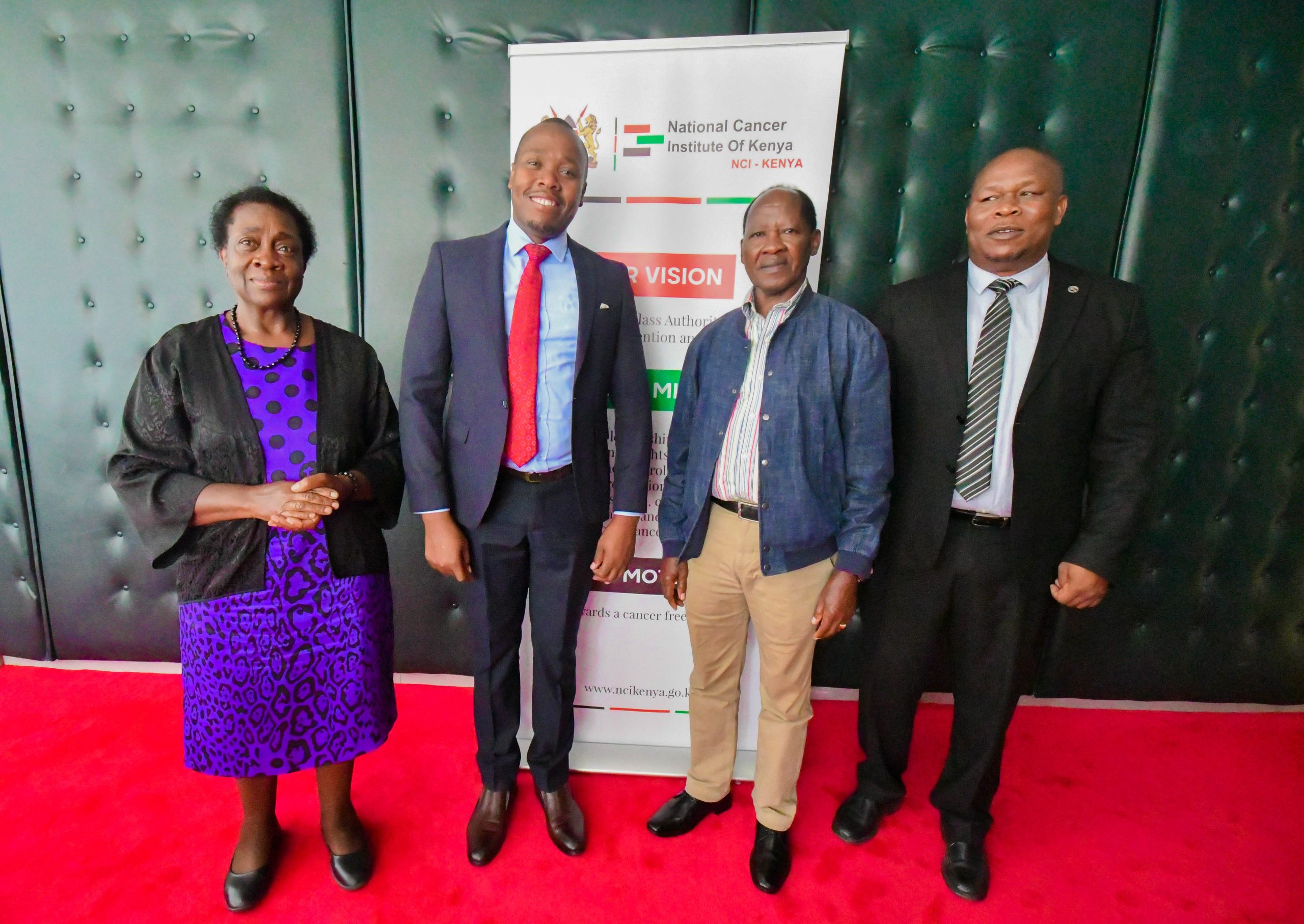
The primary purpose of the visit was to assess NCI-K’s capacity to be registered as a research institution. This is one of NCI-K’s commitments to not only provide top-tier cancer care but also contribute to the advancement of cancer research in Kenya.
Dr. Elias Melly, CEO of NCI-K, warmly welcomed the NACOSTI team, emphasizing the importance of this assessment for the institute’s future endeavors.
The NACOSTI team was led by Prof. Vassey Mwaja, Ph.D., Vice Chairperson of the African Scientific Research and Innovation, and Prof. Mabel Imbuga, former Vice Chancellor of Jomo Kenyatta University of Agriculture and Technology (JKUAT), Situma Stephen, Christine Anakoeng, among other distinguished members.
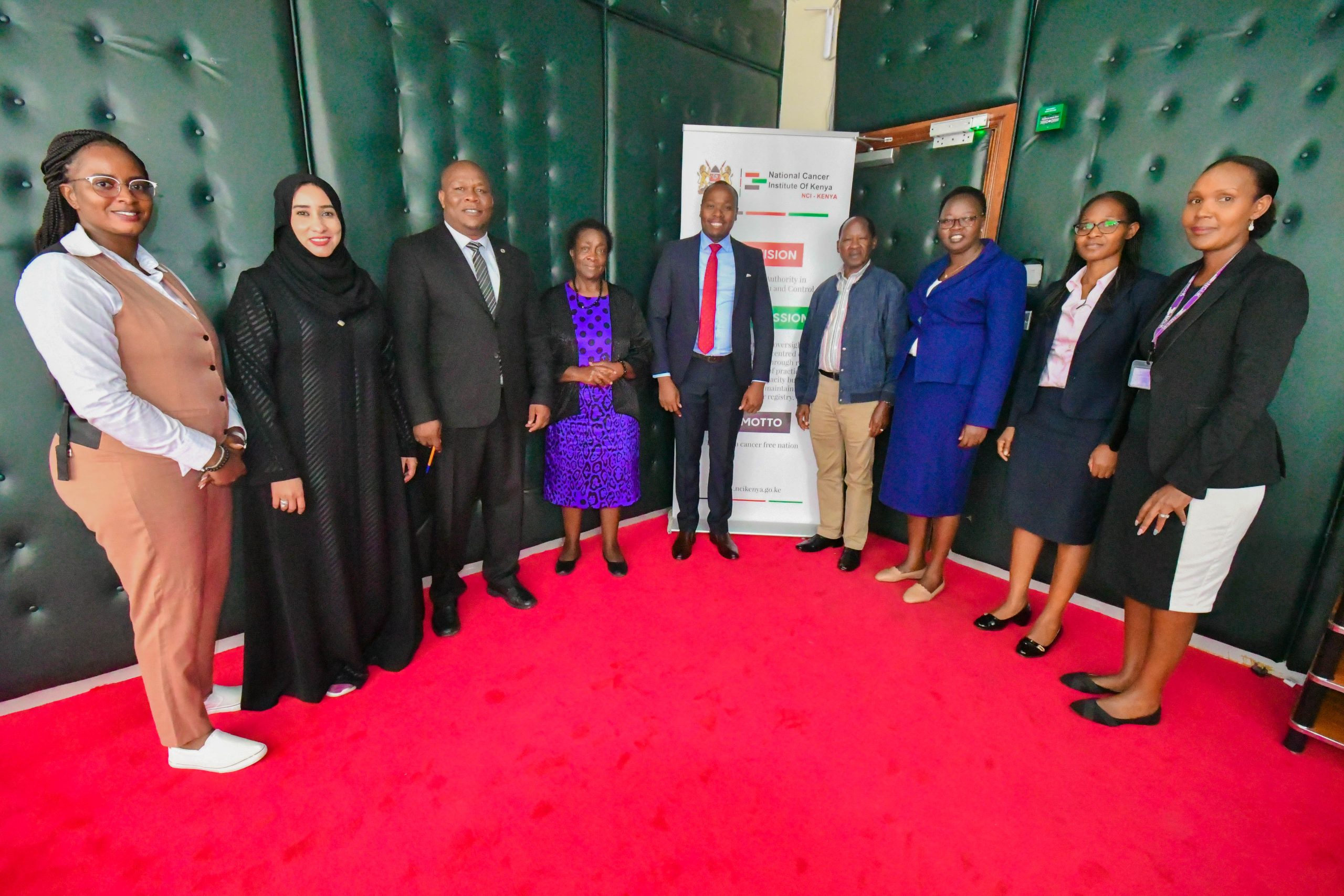
This visit is an important step in NCI-K’s journey to becoming a recognized research institution, a journey towards full implementation of the Cancer Prevention and Control Act, 2012, paving the way for greater contributions to cancer research and improved patient outcomes.
-
Strengthening County Cancer Care: NCI-K’s Strategic Engagements in Machakos and Makueni
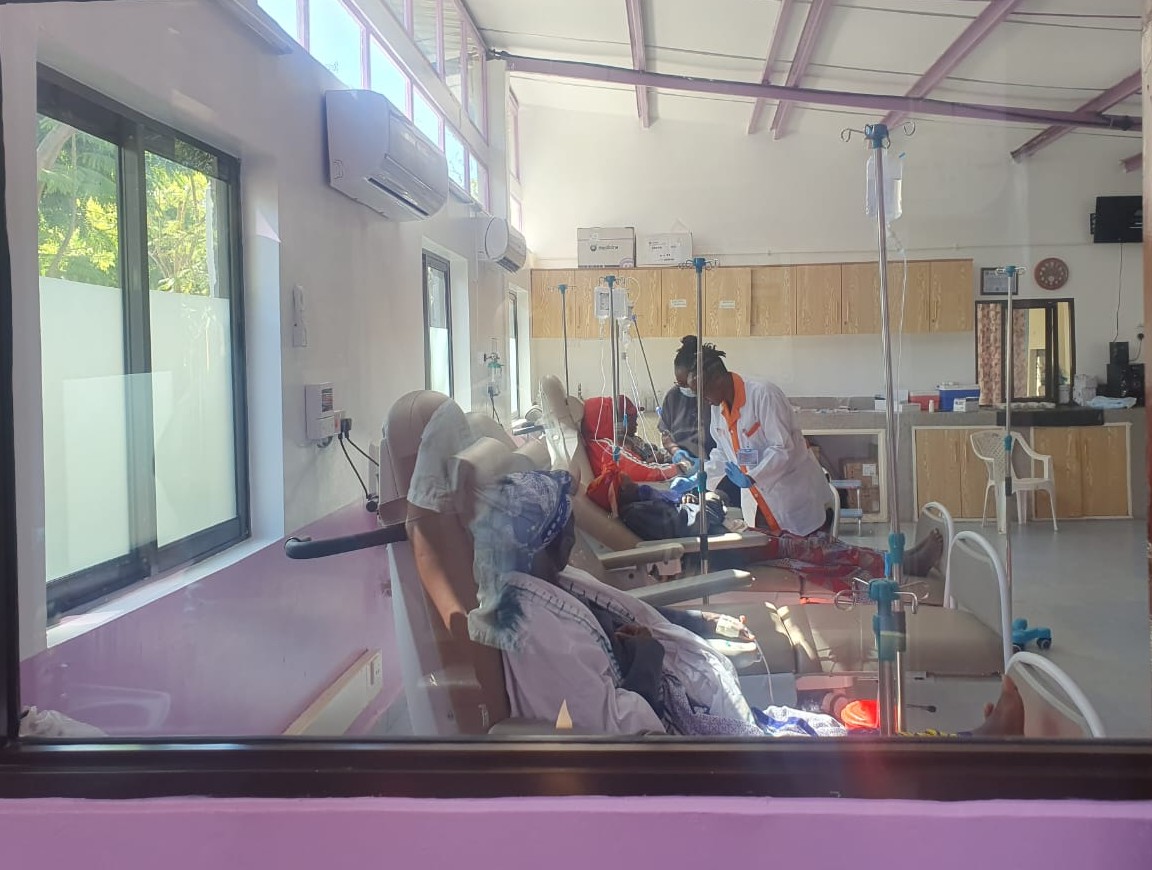
The National Cancer Institute of Kenya, on 13th May 2025, led strategic engagements in Machakos and Makueni counties to assess the status of implementation of the National Cancer Control Strategy (NCCS). The discussions, led by Dr. Michelle Nguu from NCI-K, were held with the County Health Management Teams (CHMTs) and healthcare personnel working at the county cancer centers.
The engagements held were guided by the County Cancer Action Plans, an initiative by the National Cancer Institute of Kenya to help county governments develop tools and strategies to align county-level cancer control priorities with the national strategy, providing structured pathways for improving cancer prevention, early detection, treatment, and palliative care. Dr. Nguu’s support was critical in the development of these plans for both Makueni and Machakos counties.
In Makueni County, NCI-K conducted a reassessment of the Makueni Cancer Center and confirmed that the county had successfully implemented key recommendations issued during the 2024 inspection by the Standards and Quality Directorate at the National Cancer Institute of Kenya. The improvements observed highlighted notable progress in infrastructure, service delivery, and compliance with national cancer care standards.
These engagements demonstrated the value of sustained technical support in building resilient and responsive cancer care services across Kenya, strengthening the need for close collaboration between national and county health systems.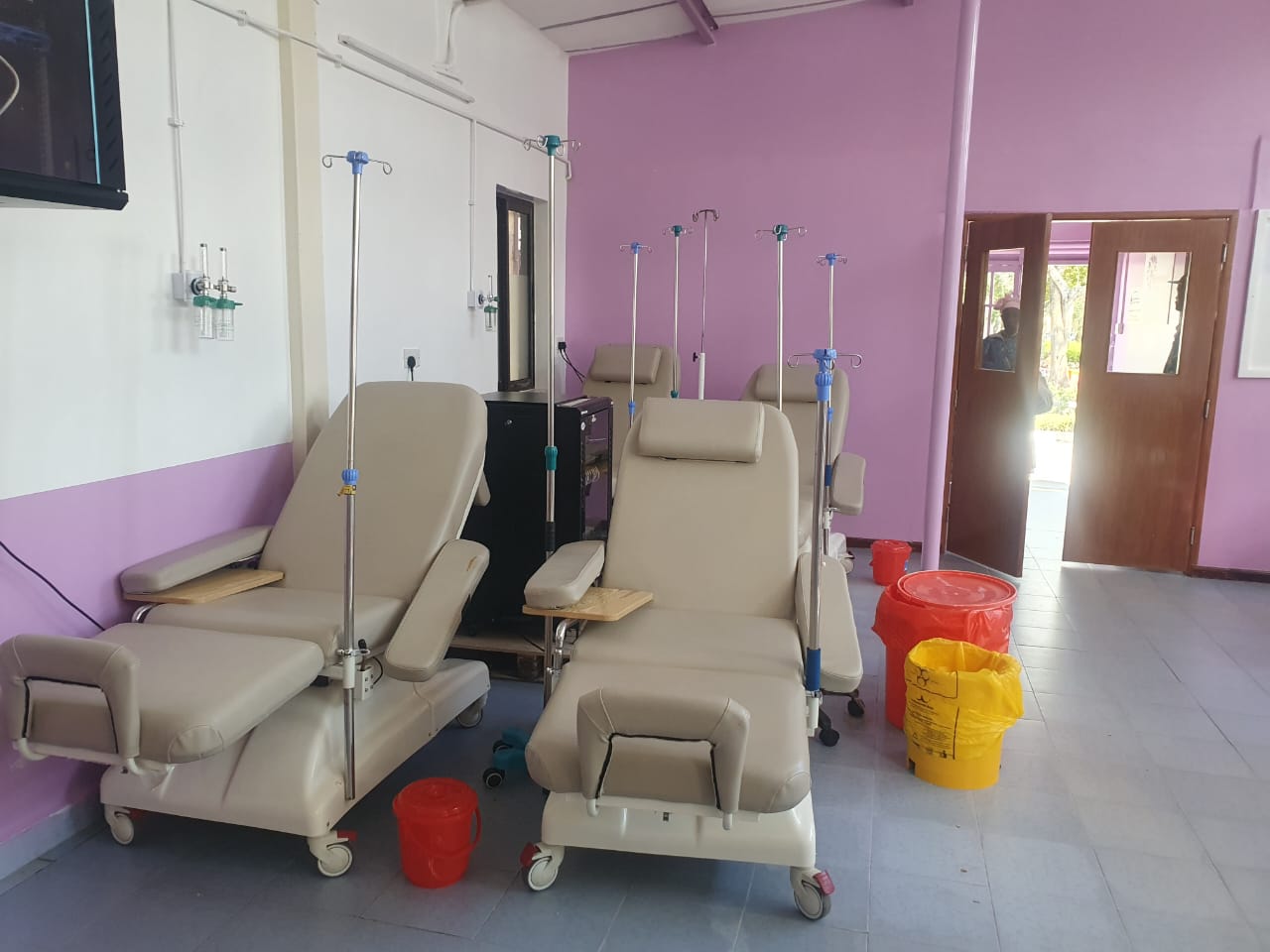
-
Meeting with H.E. Governor Dr. Wilber Ottichilo on Cancer Control Collaboration
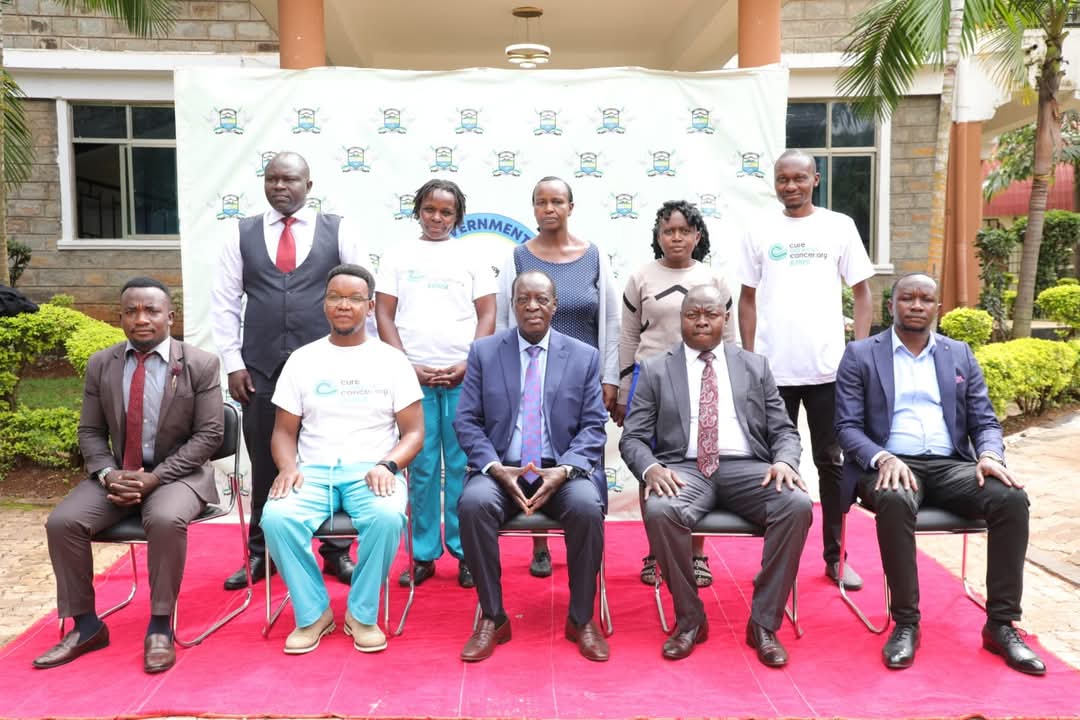
Mr. Chrisantus Wekesa, the National Cancer Institute of Kenya Capacity Building Officer, today, the 7th of May 2025, held a consultative meeting with H.E. Dr. Wilber Ottichilo, Governor of Vihiga County, to deliberate on strengthening cancer prevention and control efforts through devolution. Their discussions focused on establishing a collaborative framework between the National Cancer Institute of Kenya (NCI-K) and the County Government of Vihiga, in line with the National Cancer Control Strategy (2023–2027).
H.E. the Governor expressed his commitment to supporting cancer control initiatives and pledged to champion the development of a structured partnership between NCI-K and Vihiga County. This collaboration will aim to enhance cancer awareness, early detection, timely referral, and access to quality cancer care services at the level.
Later, Mr. Wekesa met with the County Health Management Team, led by Dr. Induswe Benjamin, in a discussion that focused on the five pillars of the National Cancer Control Strategy 2023-2027. The engagement further delved into the various achievements at both the County and National levels, and subsequently the existing gaps in cancer care and the necessary steps in addressing the issues as we gear towards a cancer-free nation.
-
NCI-K Deploys Cancer Certified Registrars Nationwide
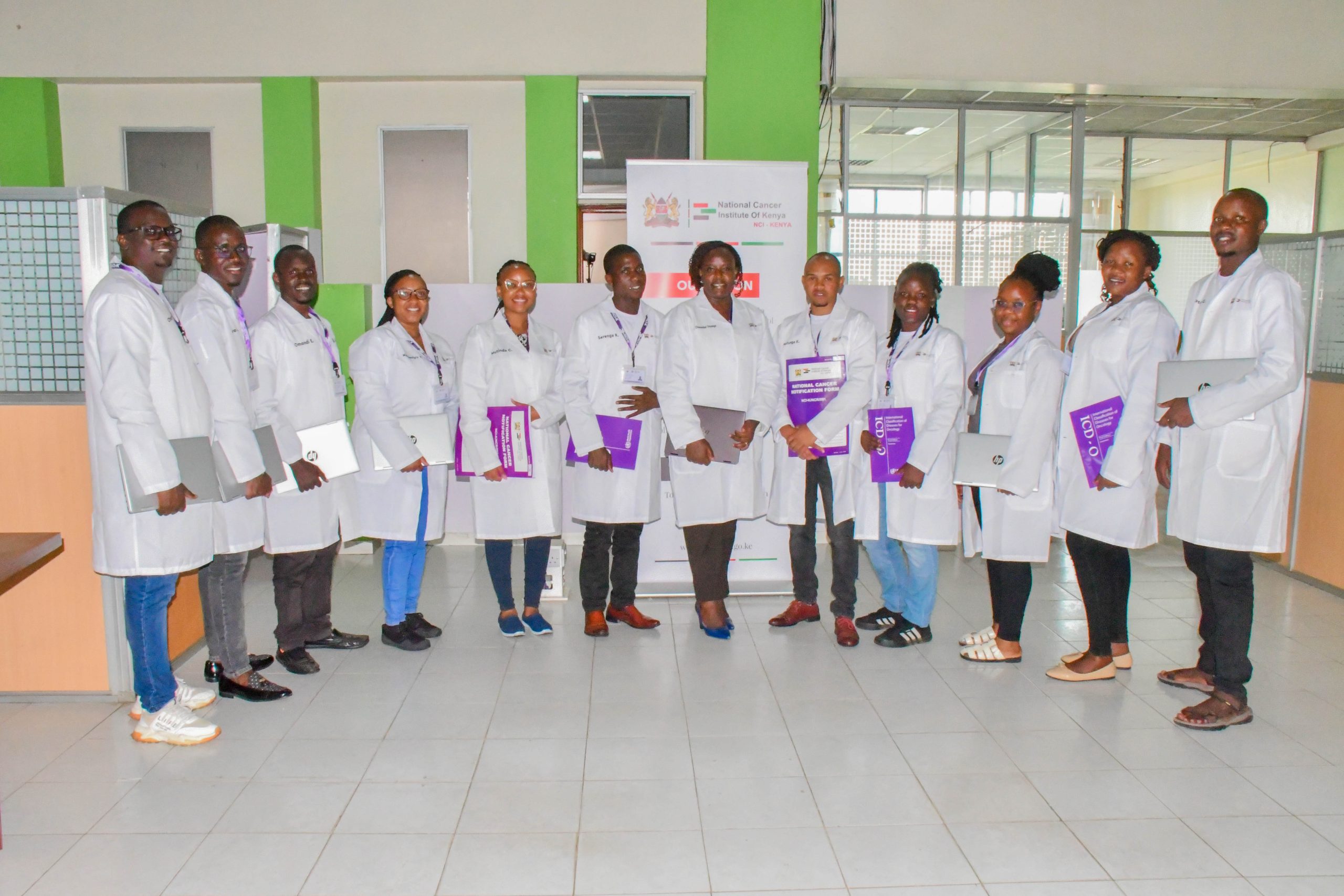
Today, the 2nd of May 2025, the National Cancer Institute of Kenya has dispatched a cohort of 13 Globally Certified Cancer Registrars to different regional centres across the country. The team, under the leadership of Gladys Chesumbai, the Head of Cancer Registry at the Institute as well as the regional trainer at the International Agency for Research on Cancer’s Global Initiative for Cancer Registry Development (IARC-GICR) underwent a comprehensive training that equipped them with the necessary skills and expertise on cancer incidence reporting through the NaCaRe system.
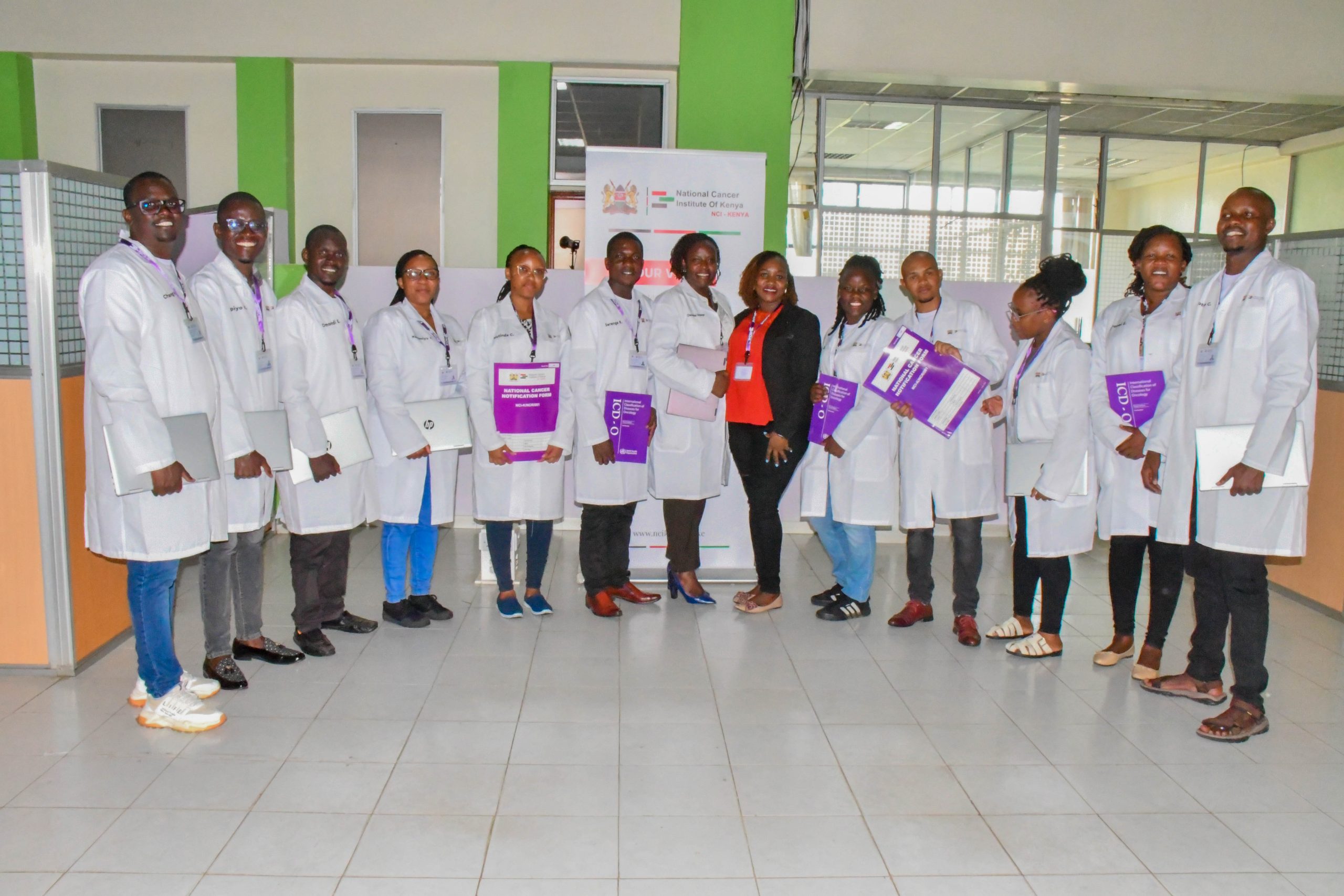
The Institute, under the able leadership of Dr. Elias Melly, is determined to effectively obtain and generate its own data on cancer incidences in the country, aiming to inform research and policy change.
Dr. Melly has consistently emphasized the Institute’s determination to become self-sufficient in obtaining and generating its own high-quality data on cancer incidences across Kenya. This autonomy in data collection is paramount to ensuring that research efforts are targeted and relevant to the specific cancer burden within the country.
The deployment of these officers is a major step towards building a robust and reliable cancer registry that will ultimately benefit patients, researchers, policymakers, and the entire Kenyan population as enshrined in the Cancer Prevention and Control Act, 2012.
-
NCI-K CEO Accompanies Health PS to Moi Teaching and Referral Hospital
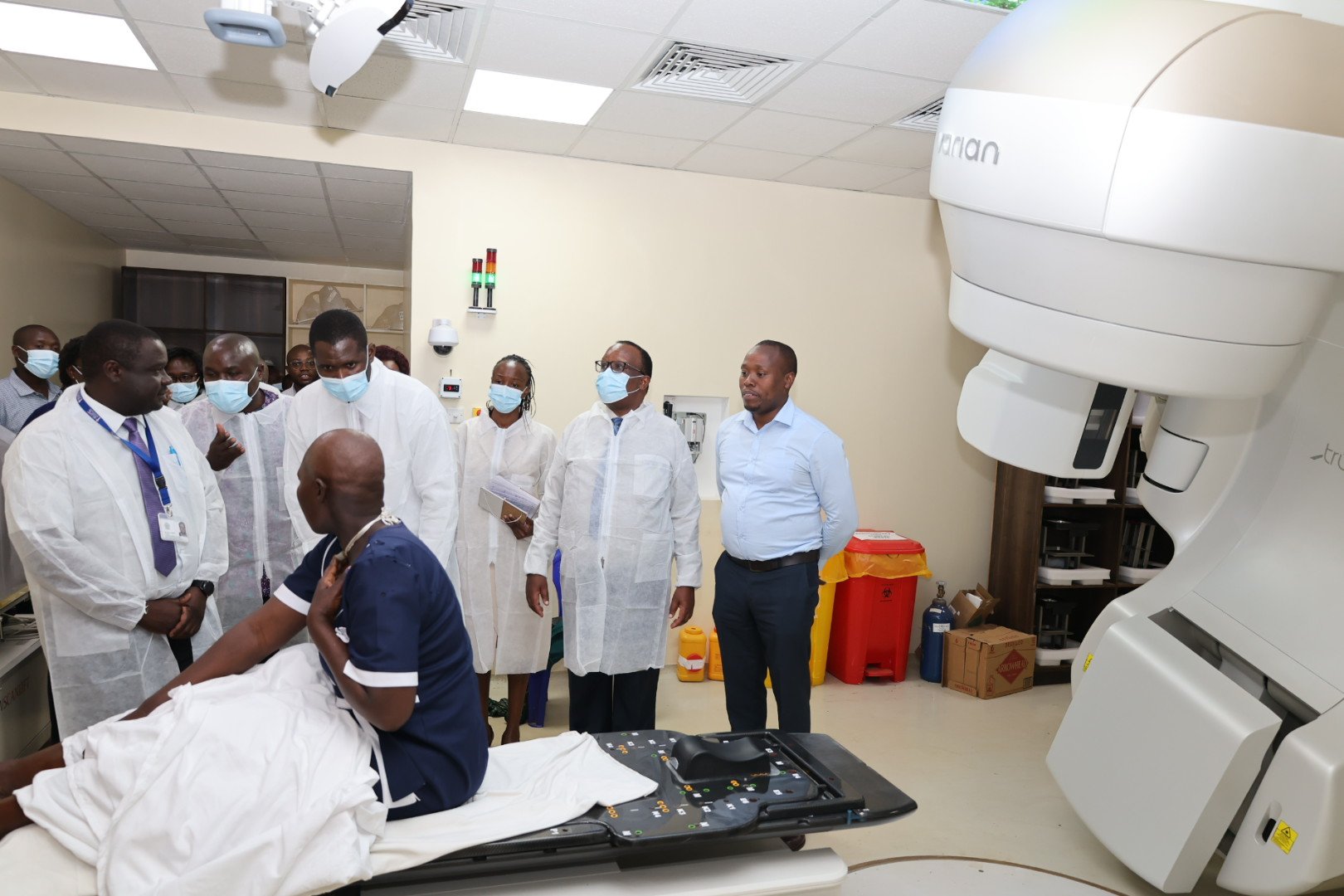
Eldoret, April 28th, 2025 – In a significant step towards bolstering cancer care infrastructure and expertise across the nation, the National Cancer Institute of Kenya (NCI-Kenya) continues to forge strong collaborations with key healthcare institutions. Yesterday, April 28th, 2025, Dr. Elias Melly, the CEO of the National Cancer Institute of Kenya, joined the leadership of Moi Teaching and Referral Hospital (MTRH) in welcoming the Principal Secretary for Medical Services, Dr. Ouma Oluga, to their vital facility in Eldoret.
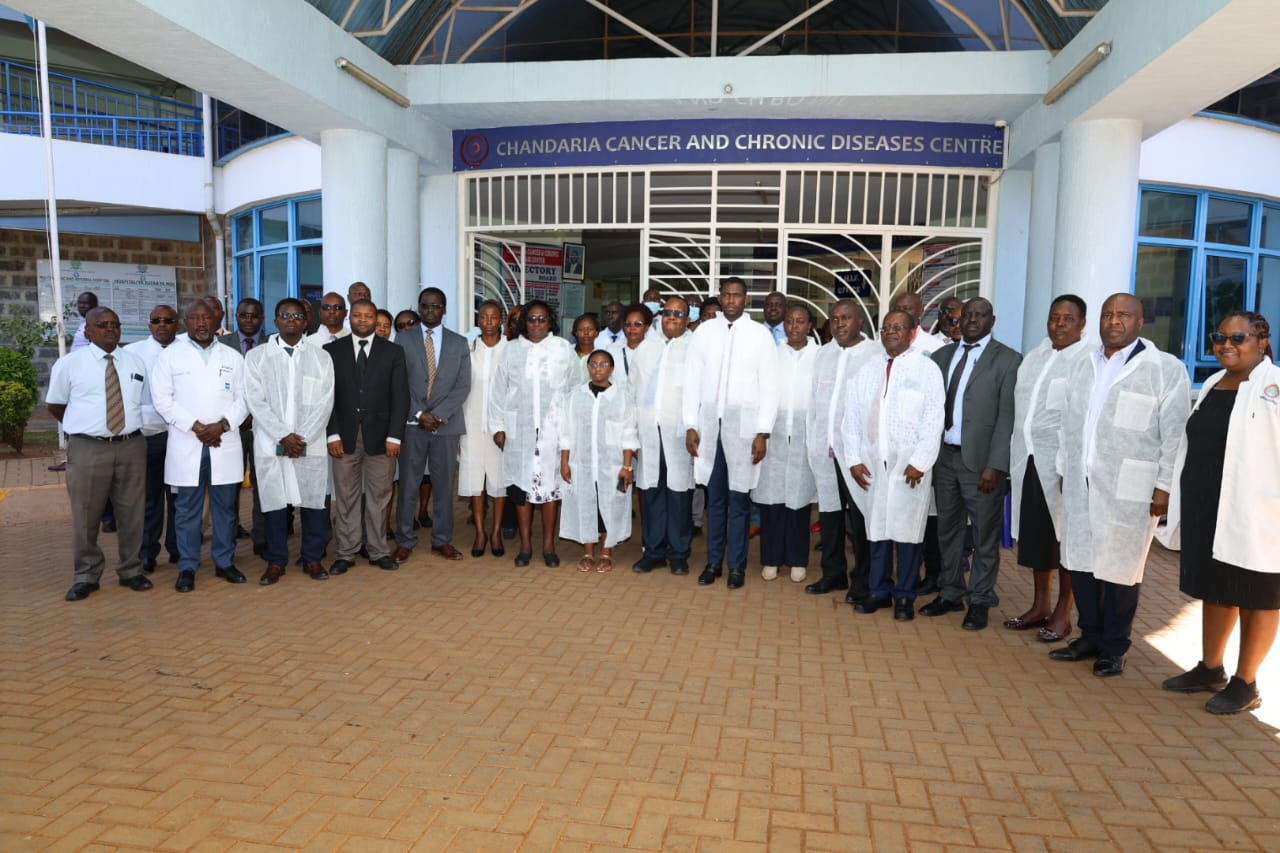
MTRH plays a leading role as a center for medical training, research, and specialized healthcare services within Kenya. Dr. Melly’s presence alongside the MTRH leadership highlights the National Cancer Institute of Kenya’s commitment to working hand-in-hand with regional hubs to elevate the standards of cancer prevention, diagnosis, and treatment available to all Kenyans.
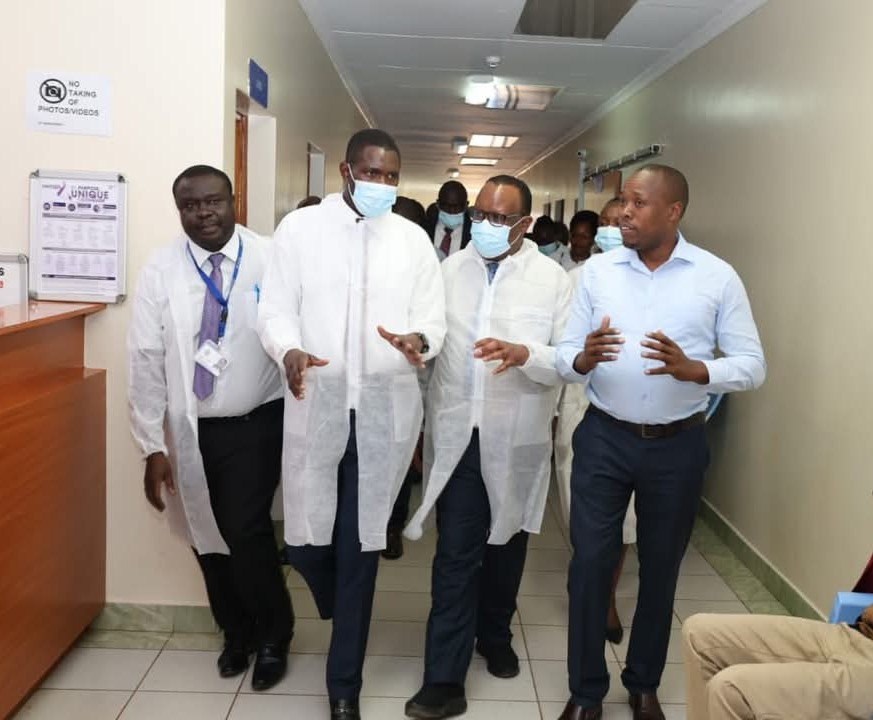
During the visit, Principal Secretary Dr. Oluga was guided on a comprehensive tour of MTRH’s cutting-edge departments, showcasing the institution’s dedication to providing advanced medical care. The itinerary included the state-of-the-art Radiotherapy Centre, a crucial facility for cancer treatment utilizing radiation therapy. The tour also encompassed the Renal Centre, highlighting the interconnectedness of cancer care with the management of other chronic conditions. Furthermore, the Principal Secretary observed the capabilities of the Catheterisation Laboratory (Cathlab), essential for certain diagnostic and interventional procedures, and the sophisticated specialized MRI services, vital for accurate disease detection and monitoring.
Moi Teaching and Referral Hospital stands as a cornerstone of medical advancement in Kenya, serving not only as a major healthcare provider but also as an important center for medical training and research. Its commitment to expanding its capacity to address the growing burden of cancer is evident in the establishment of the Chandaria Cancer and Chronic Disease Centre in 2015. This significant development has dramatically enhanced MTRH’s ability to manage a higher volume of cancer cases, offering crucial outpatient care and fostering a robust environment for dedicated research endeavors.
The Chandaria Centre’s infrastructure includes a vibrant clinical trials unit, allowing for the investigation of innovative cancer therapies and contributing to global knowledge in the field. Moreover, the presence of a biobank highlights MTRH’s dedication to advancing cancer research through the systematic collection and storage of biological samples for future studies. This makes MTRH an indispensable hub for healthcare delivery, the education of future medical professionals, and cutting-edge cancer research within the region, aligning perfectly with the National Cancer Institute of Kenya’s national strategy to decentralize and strengthen cancer care capabilities across the country.
The collaborative spirit demonstrated during Principal Secretary Dr. Oluga’s visit to MTRH, with the active participation of NCI-Kenya’s CEO, Dr. Melly, signals a unified approach towards tackling the challenges posed by cancer in Kenya. By strengthening key institutions like MTRH and fostering a synergistic relationship, the National Cancer Institute of Kenya is working diligently to ensure that Kenyans have access to world-class cancer care closer to home.
-
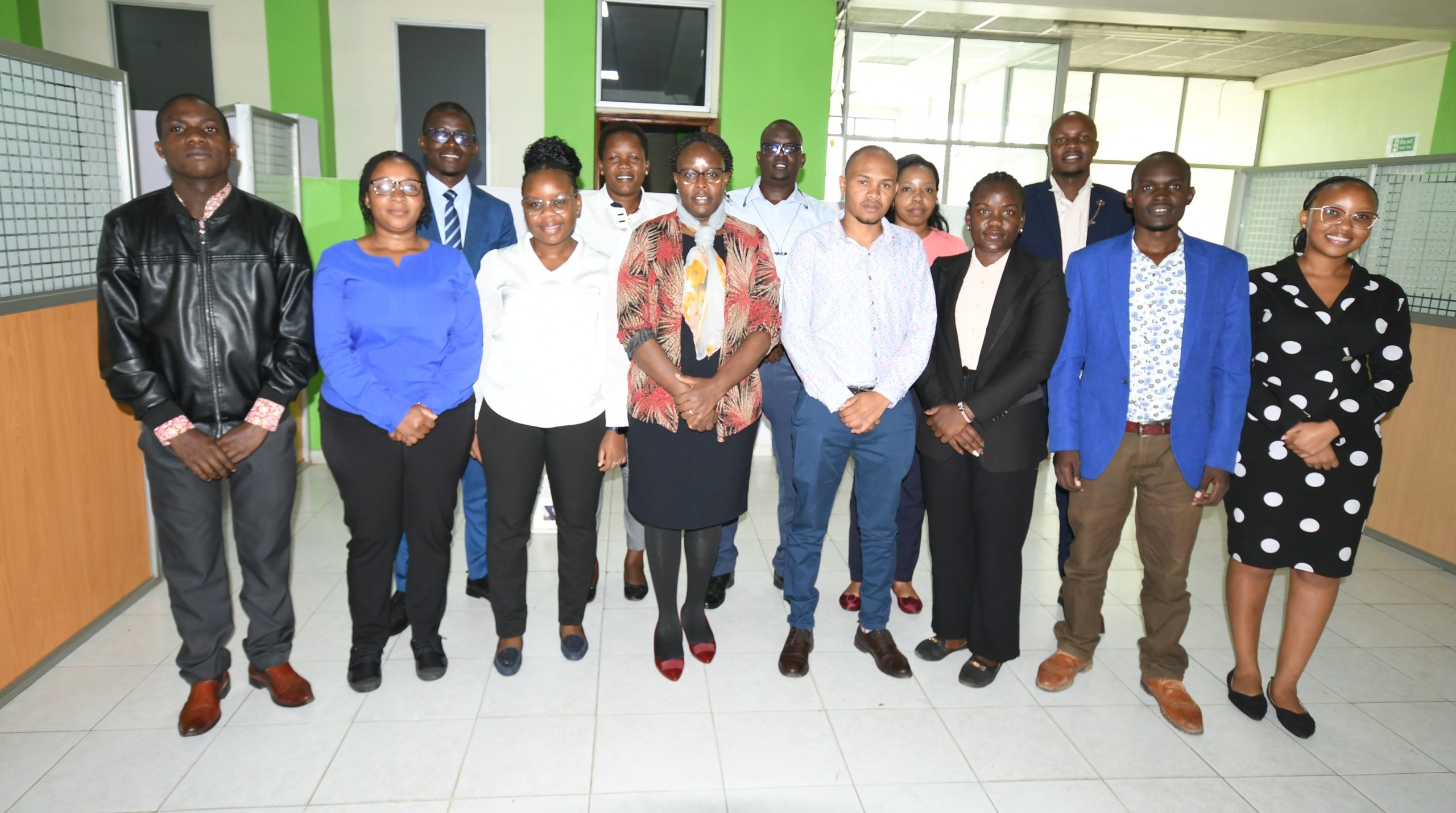
Empowering Kenya’s Cancer Fight: NCI-K Deploys Data Officers Nationwide for Localized Insights
The National Cancer Institute of Kenya (NCI-K) is spearheading a transformative initiative to revolutionize the nation’s cancer data landscape, a core mandate of the Institute as the custodian of the National Cancer Registry. Recognizing that robust cancer registration is fundamental to effective cancer prevention and control by providing crucial data on incidence, prevalence, treatment outcomes, and survival, NCI-K is taking a significant step towards generating comprehensive and localized data. Under the visionary leadership of its CEO, Dr. Elias Melly, and guided by Gladys Chesumbai, the Head of the Cancer Registry, the institute has deployed a dedicated cohort of Globally Certified Cancer Registration Officers to the frontlines of regional cancer centers across the nation.
These experienced officers have undergone rigorous training, certified internationally through the IARC-GICR Cancer Registration Training, and further enhanced locally through intensive practical sessions meticulously led by Ms. Chesumbai. This comprehensive program has equipped them with specialized skills and a deep understanding essential for the sensitive and critical task of cancer registration.
The strategically positioned officers will span the breadth of the Kenya region, painting a comprehensive picture of cancer prevalence and trends nationwide across the following key Regional Cancer Centres: Kakamega, Machakos, Garissa, MTRH, Nakuru, Nyeri, KUTRRH, Coast, JOOTRH, KNH, and Meru.
Speaking during the deployment, the NCI-K CEO emphasized the profound significance of this data collection endeavor. “This data will be invaluable to us,” the CEO stated, “For too long, we have relied on cancer estimates to inform our treatment approaches for our local population. This localized data, meticulously gathered by our Globally Certified Cancer Registration Officers, and refined through Ms. Chesumbai’s practical expertise and leadership, will empower us to develop the most effective treatment strategies, guide our research efforts with a deeper understanding of cancer as it manifests within Kenya, allowing us to tailor treatments to the most prevalent local cancer types and investigate specific regional risk factors. Accurate cancer registration is the bedrock of informed public health decisions, enabling targeted prevention programs, effective screening initiatives, and evidence-based resource allocation in our fight against this disease.”
With this resolute commitment, the Institute is dedicated to building a comprehensive and accurate National Cancer Registry under the NaCaRe system – a powerful tool that will ultimately inform targeted interventions, shape effective policies, and bring renewed hope to the fight against cancer in Kenya.