Tag: Early Detection

  • Pancreatic Cancer Awareness Month: The Urgency of Early Detection

    Pancreatic Cancer Awareness Month: The Urgency of Early Detection

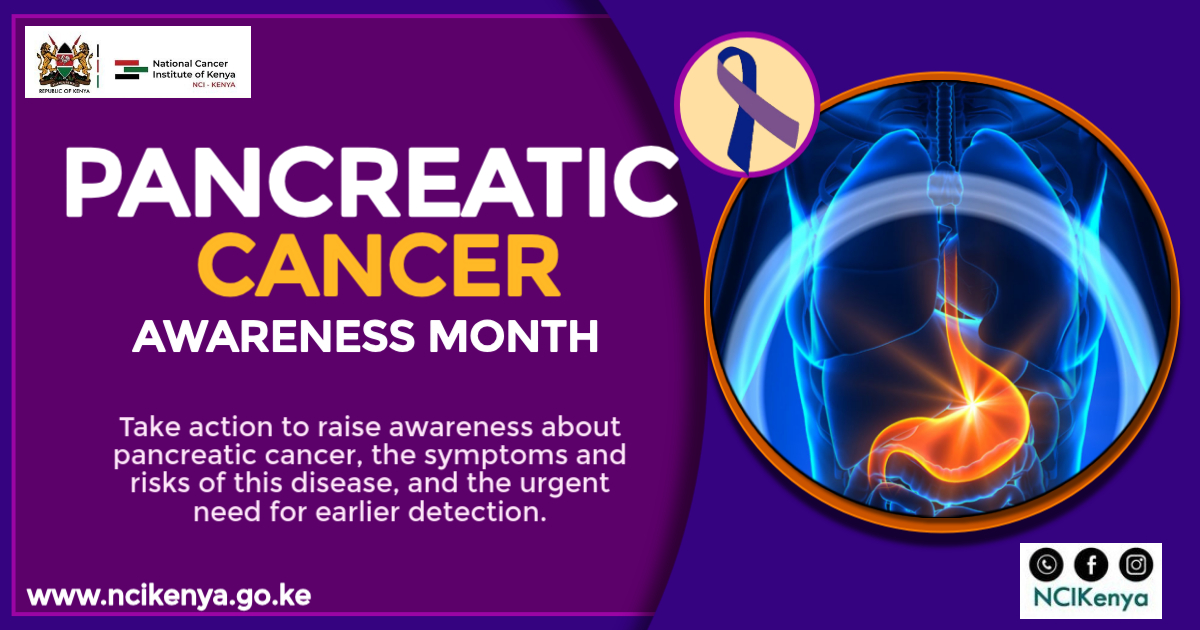
    November is Pancreatic Cancer Awareness Month, a time to shine a spotlight on one of the most challenging cancers that is often called the “silent killer” because it rarely shows symptoms in its early stages.

    For many Kenyans, the first sign is subtle: a persistent stomach ache, unexplained weight loss, or yellowing of the eyes. By the time these symptoms appear, the disease may already be advanced.

    “Pancreatic cancer can be difficult to detect early, which is why awareness is so important,” says Dr. Elias Melly, CEO of NCI-K. “Recognizing symptoms and seeking timely medical advice can make a real difference.”
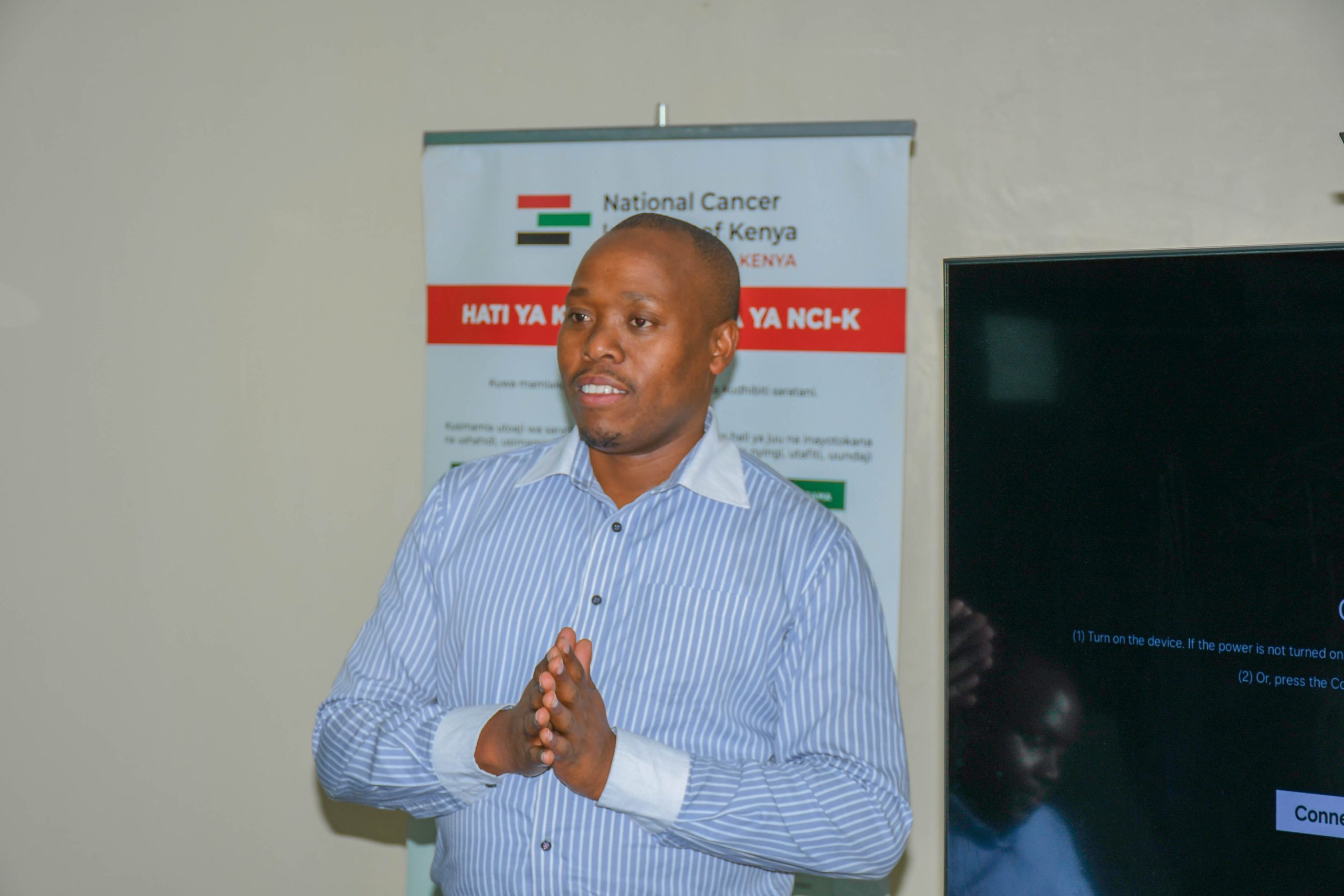
    NCI-K CEO Dr. Elias Melly

    Deep dive into Pancreatic Cancer

    The pancreas is a vital organ that aids digestion and regulates blood sugar. When cancer cells in the pancreas grow uncontrollably, they can spread quickly to other parts of the body.

    Detection requires a combination of imaging techniques, such as CT, MRI, and PET scans, as well as pathology, in which tissue samples are examined under a microscope to confirm the presence of cancer cells.

    Thanks to NCI-K’s coordinated efforts, many counties across Kenya now have access to modern diagnostic tools and trained specialists. This ensures that patients can receive timely testing and care closer to home.


    Every Kenyan should feel empowered to discuss their health and seek medical advice without delay. Early detection remains the most effective strategy against pancreatic cancer.
     
    – Dr. Elias Melly

    Human Impact

    Across Kenya, pancreatic cancer is often diagnosed only after symptoms such as persistent abdominal pain, jaundice, or unexplained weight loss become severe. Many patients seek care late, unaware that early, subtle signs could have prompted timely intervention. “Even mild changes in your health can be a signal to consult a doctor,” says Dr. Elias Melly, CEO of NCI-K. “Raising awareness and encouraging early check-ups is key; early detection saves lives.”

    Your next move

    • Know the symptoms: abdominal pain, jaundice, unexplained weight loss, digestive difficulties.
    • Seek medical advice early: Don’t wait for symptoms to worsen.
    • Participate in screenings: Available at local health facilities or through NCI-K initiatives.
    • Raise awareness: Talk to your family, friends, and community about pancreatic cancer.

    NCI-K’s Commitment

    The National Cancer Institute of Kenya is dedicated to ensuring that all Kenyans have access to quality cancer care from awareness and prevention to diagnosis and treatment. During Pancreatic Cancer Awareness Month, NCI-K calls on communities to take proactive steps, join awareness campaigns, and prioritize their health. Early detection and prompt medical care save lives. Together, we can lessen the impact of pancreatic cancer in Kenya,” Dr. Melly concludes
  • Why Kenyans detect breast cancer when it’s already advanced, and how we can flip the script

    Why Kenyans detect breast cancer when it’s already advanced, and how we can flip the script

    Why Kenyan Women Still Present Late

    “The first thing I thought was, I’m going to die.”  Evalyn Allela, breast cancer survivor. When Evalyn Allela first noticed a lump in her breast, the world stopped. Like many Kenyan women, her first reaction wasn’t to seek medical advice; it was fear. “For the longest time, we knew cancer was a killer disease,” she recalls. That fear is a reflection of a painful national truth. According to Dr. Elias Melly, CEO of the National Cancer Institute of Kenya (NCI-K), “60 -70% of breast cancers in this country are diagnosed at stage 3 and 4 “. Dr. Melly made the remarks during an interview with Citizen TV Kenya, highlighting an urgent reality that most breast cancer cases in Kenya are caught when there are limited treatment options. Behind every late diagnosis is a mix of silence, stigma, misinformation, and access barriers that keep too many women from early screening and timely care.

    Breast cancer is one of the most diagnosed cancers among women in Kenya, yet early detection rates remain depressingly low. The reasons are complicated and deeply social. Many women delay screenings out of fear of what they might find. Others struggle with limited access to diagnostic services, especially in rural counties. Misinformation, stemming from myths about causes and misconceptions about treatment, continues to discourage open discussion. “We still have women coming when it’s too late to save the breast,” notes Dr. Melly. “We must focus on community education and encourage early screening if we are to change these numbers.” The result is a silent epidemic that persists not only in hospitals but also in homes, workplaces, and social spaces, where discussing cancer remains a taboo topic.

    Flipping the script: From Fear to Fight

    For Evalyn, her turning point came when she chose to speak openly about her experience. “At first, I was terrified,” she admits. “But once I shared my story, I realized so many women were going through the same fear in silence.” Her courage reflects what Kenya urgently needs: a national culture that treats conversations about cancer not with dread, but with openness and strength. Every conversation started, every myth corrected, and every story shared brings the country closer to early detection and survival.

    At NCI-K, the message is clear: awareness must move beyond pink ribbons and hashtags. Real change happens when communities feel empowered to talk, screen, and support one another before it’s too late.

    Building a New Culture of Early Screening

    Dr. Melly emphasizes that prevention and early diagnosis remain the most powerful tools against cancer. “We know that the earlier breast cancer is detected, the better the chances of survival. But that begins with awareness, regular check-ups, and access to screening even at the community level.”

    NCI-K continues to collaborate with County Governments, health professionals, and community health promoters to enhance cancer awareness and screening outreach nationwide. But the most important change begins with us. Men and women choosing to prioritize their health, families encouraging open conversations, and communities creating safe spaces for cancer education.

    Now that we know better, we do better

    Evalyn’s story is not only a survival story but also an advocacy. “I want women to know that early detection saved my life,” she says. “Cancer is not a death sentence. The fear is worse than the disease.”

    As Breast Cancer Awareness Month continues, NCI-K calls on all Kenyans to take one small but powerful step: talk about it, ask questions, and encourage a screening because changing the conversation about cancer might be the key to saving more lives.

  • Prostate cancer and nutrition: What every Kenyan man should know.

    Prostate cancer and nutrition: What every Kenyan man should know.

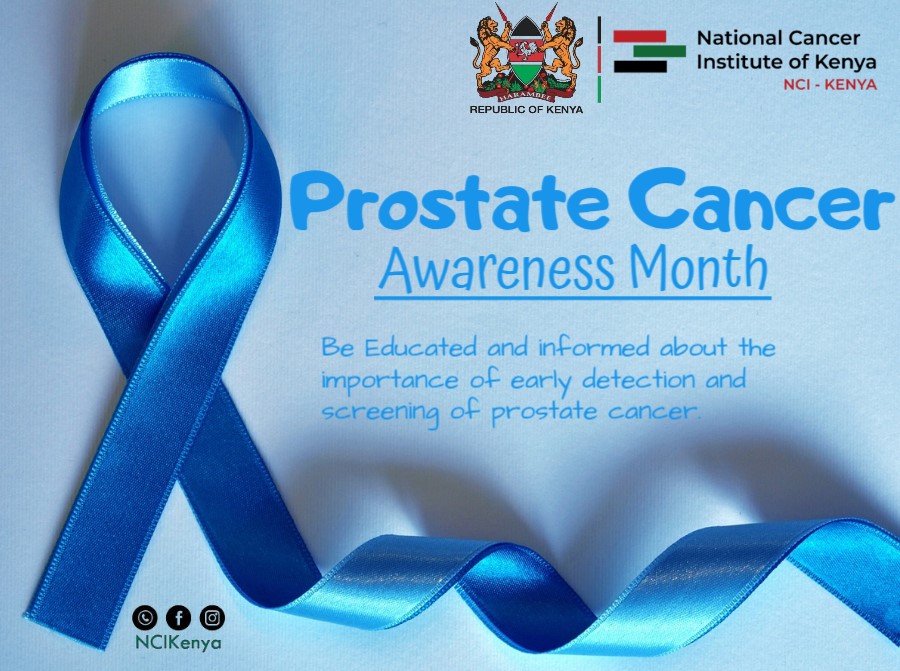
    Prostate cancer is the most common cancer among men in Kenya. It accounts for approximately 14.4% of all male cancer cases. Yet, it is not talked about enough. Our latest data show 2800 new cases and 1300 deaths every year, with most detected late. This limits treatment options, and the outcome is mostly poor. While screening is the gold standard for early detection, research indicates that nutrition plays a vital role in reducing risks and enhancing long-term health. Food is information for your cells, not just fuel. In Kenya, where cultural preferences like nyama choma, fried foods, and alcohol are high, diet can be a quiet enabler of cancer risk.

     Building a prostate-friendly Kenyan plate

    1. Tomatoes and Red Fruits

    Cooked tomatoes, guavas, and watermelon are rich in lycopene. It is a powerful antioxidant associated with a lower risk of prostate cancer. Add blended tomato sauces to ugali and sukuma instead of just onions and oil.

    • Leafy Greens (Folate Boosters)

    Sukuma wiki, spinach, managu, and terere are rich in vitamins, minerals, and fiber that help repair DNA damage and lower inflammation. Lightly steam or fry with minimal oil. Avoid overcooking it.

    • Legumes and Soy

    Beans, lentils, and soy contain phytoestrogens, which may help slow the growth of cancer cells. These are excellent alternatives to red meat and are widely available and affordable.

    • Fish and White Meat

    Tilapia, omena, and chicken provide lean protein and omega-3 fatty acids that offer protection. It is advised that you grill or steam instead of frying.

    Food that increases the risk

    1. Red and Processed Meat

    This is a cultural favorite. When Kenyan food is mentioned, nyama choma is at the top of the list. Frequent consumption of nyama choma, sausages, and other processed meats introduces harmful compounds when cooked at high temperatures. We are not telling you to abandon it entirely, but moderation is Key.

    1. High-Fat Dairy

     High-fat milk is a daily staple. From morning tea to the evening ugali accompaniment, most Kenyans can’t fathom a life without it. However, research shows that full-cream dairy raises growth factors that fuel prostate cancer cells. A simple swap to low-fat milk or plant-based options offers the same comfort without the hidden danger.

    1. Excessive Alcohol

    Alcohol raises cancer risk and weakens the immune system — yet is a standard part of Kenyan social life. Limiting the alcohol to an occasional one drink or choosing a healthier alternative like fresh juice will keep the social life going without the long-term damage.

    Debunking Common Myths

    • Myth: “Only old men get prostate cancer.”
      Fact: Risk rises after 45, but lifestyle choices from a young age matter.
    • Myth: “If I feel fine, I don’t need screening.”
      Fact: Prostate cancer can be silent for years; only screening detects it early.
    • Myth: “Eating healthy is expensive.”
      Fact: Sukuma, beans, and tomatoes are among the most affordable foods in Kenyan markets.

    Next steps for Kenyan men

    If you are a Kenyan man over 45, or younger with a family history of prostate cancer, make screening a regular part of your health routine. Complement this with simple dietary changes: increase your intake of tomatoes, greens, beans, and fish, while reducing your consumption of red meat and alcohol. A balanced diet, alongside exercise, stress management, and regular screenings, creates a strong defense against prostate cancer. At NCI-K, we emphasize that early action saves lives; screening allows for detection when prostate cancer is most treatable. While nutrition cannot replace medical care, it serves as a controllable frontline defense starting with your next meal.

  • Silence and Stigma

    Silence and Stigma

    Every September, the world comes together to shine a light on four cancers — Blood, Childhood, Gynaecological, and Prostate. In Kenya, awareness has grown, yet silence and stigma still hold many back from seeking timely testing and diagnosis when it matters most. Each year, thousands of lives are lost not only to cancer itself but also to the quiet fear that surrounds it. Recent statistics paint a sobering picture: about 45,000 new cases and 29,000 deaths annually. Behind these numbers lies a deeper truth — too many Kenyans are diagnosed late, not because hospitals cannot help, but silence, fear, and stigma delay the very first step to care. Why many wait until it is too late is a question whose answer only lies in homes and communities.

    Kenya has not been silent on paper. The Kenya Cancer Care Policy 2019–2030 calls for greater awareness, prevention, early detection, and improved caregiving. The Mental Health Policy also warns that stigma is a stumbling block to timely diagnosis, one that deepens the stress for patients and their families. Our CEO, Dr. Elias Melly, reminds us that policies only come alive when they reach people. “We will win in the community, not in the clinics. Investing one dollar in prevention saves sixteen in treatment.” He further emphasized that, as the country moves towards primary care, there is an urgent need to train healthcare workers and community health promoters to recognize symptoms early.

    Yet policies and plans only tell part of the story. Behind every statistic is a human face, and it is often survivors who remind us what silence and stigma really cost. At the 2nd  National Cancer Summit, childhood cancer survivor Robert recalled: “I was only six when I was diagnosed. There were no pediatric wards and no one to explain what was going on. The pain wasn’t just physical; it was emotional. An invisible scar I still carry to date.” Other survivors at the forum echoed the same pain, with one saying: “The hardest part was not the treatment — it was the silence. People avoided me. They whispered instead of asking how I was.”

    Cancer is not always a death sentence, but silence can be. Breaking stigma begins with open conversations- in families, workplaces, churches, and communities. Speaking up encourages early screening, offering support restores dignity, and challenging myths saves lives. As we mark this September of awareness, let us remember: silence and stigma are battles we can all fight, and by doing so, we give more Kenyans the chance not just to survive, but to live fully.