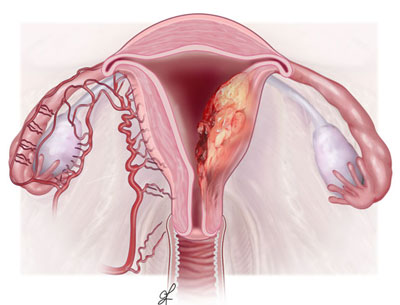
The 90–70–90 targets aim to eliminate cervical cancer by ensuring widespread HPV vaccination, regular screening, and timely treatment for all women. In Kenya, the government—through the Ministry of Health—is actively pursuing these goals as part of a comprehensive cancer control agenda. The strategy sets global targets for 90% of girls vaccinated against HPV by age 15, 70% of women screened with high-performance tests by ages 35 and 45, and 90% of women diagnosed with pre-cancer or cancer receiving appropriate treatment to drastically reduce incidence and deaths within the century.
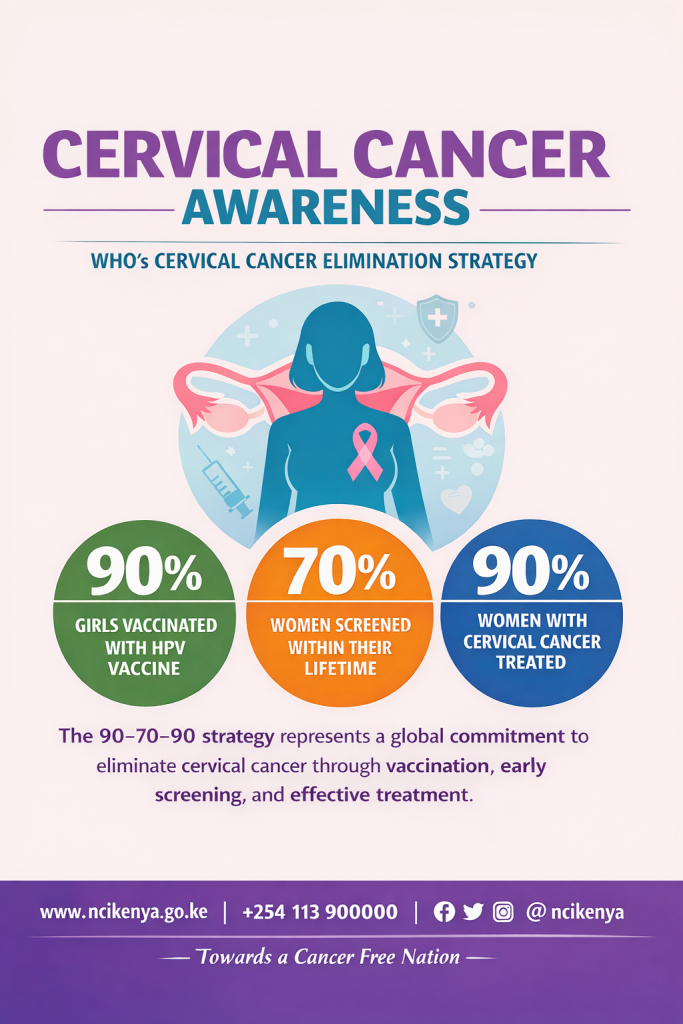
Kenya has taken several concrete steps to make this a reality. The Ministry of Health has integrated free HPV vaccination into the national immunization programme across the country and recently transitioned to a single-dose HPV vaccination schedule, which increases coverage and reduces barriers for families. Screening services for cervical, breast, prostate, and other cancers are being expanded through community outreach, county health facilities, and integrated public health campaigns.
Beyond vaccination and screening, the government is strengthening cancer care infrastructure and access. Through the Social Health Authority (SHA) oncology benefits package, millions of Kenyans receive financial support for cancer diagnosis and treatment, including expensive therapies like HER2+ breast cancer drugs at reduced cost under the SHA scheme. More cancer treatment centres—such as regional and county chemotherapy and radiotherapy units—are being established, and modern diagnostic equipment like mammography and CT scanners are being rolled out to more counties to bring services closer to patients.
The government’s National Cancer Control Strategy 2023-2027 provides policy guidance across prevention, early detection, diagnosis, treatment, palliative care, and research, emphasizing county partnerships, stakeholder coordination, and financing to improve access and outcomes. Kenya is also strengthening cancer data systems and population-based registries to inform evidence-based policy and improve planning and evaluation of interventions.
Together, these efforts highlight Kenya’s strong commitment to protecting women and girls and advancing toward a cervical cancer–free future while tackling the broader cancer burden across the country.
Leave a Reply