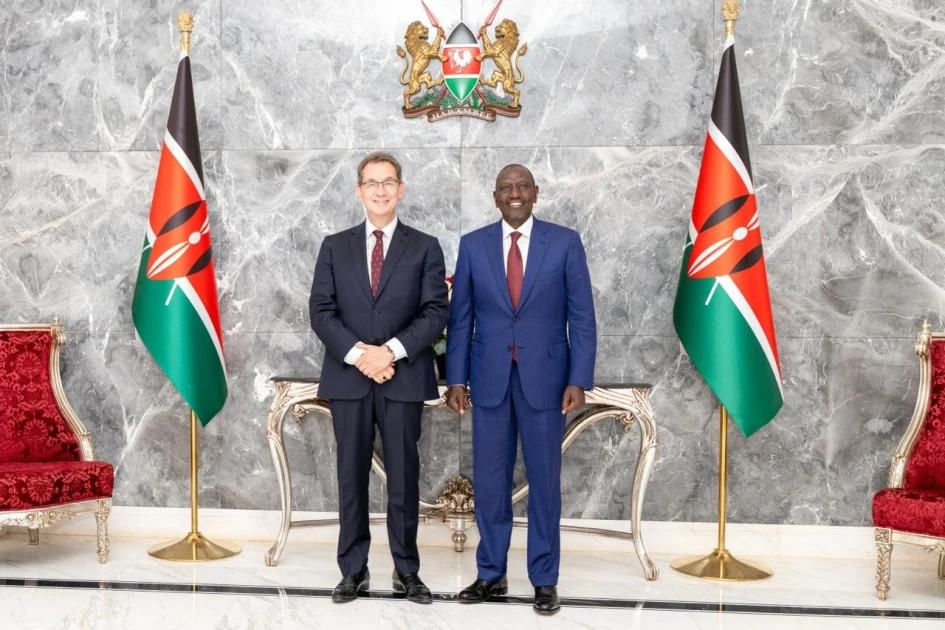
Kenya has secured a major breakthrough in reducing the cost of cancer treatment following an agreement between the Government of Kenya and global pharmaceutical company Pfizer, aimed at lowering the cost of selected cancer medicines.
The National Cancer Institute of Kenya (NCI-K) is pleased to announce that the agreement could reduce the cost of treating several cancers by more than seven times, with the cost of some medicines expected to fall from as much as KSh. 1 million to below KSh. 50,000 per treatment cycle.
The development follows discussions between President William Ruto and Pfizer Chairman and Chief Executive Officer Albert Bourla during their meeting at State House, Nairobi.
The agreement covers medicines used in the treatment of breast, stomach, colorectal, lung, prostate and oesophageal cancers, as well as leukaemia, lymphoma and multiple myeloma.
“Today, Kenya has made a breakthrough in the treatment of several cancers,” President Ruto said.
The arrangement brings together Pfizer and the Kenya Medical Supplies Authority (KEMSA) under Pfizer’s Accord for a Healthier World, a global initiative through which the company provides medicines to lower-income countries on a not-for-profit basis. Kenya joined the Accord in June 2025.
The significant reduction in medicine costs is expected to improve access to cancer treatment and ease the financial burden faced by patients and their families. According to the President, the lower prices will enable the Social Health Authority (SHA) KSh. 800,000 cancer package to fully cover treatment, substantially reducing the need for additional out-of-pocket payments.
The agreement will also provide Kenya with access to newer cancer therapies, helping address delays that patients have historically experienced in accessing innovative and potentially life-saving treatments.
In addition, Pfizer is expected to make relevant technologies and newer medicines available to support local pharmaceutical manufacturing in Africa, contributing to efforts to strengthen the continent’s capacity to produce essential medical commodities.
This development comes at a critical time as cancer continues to pose a major public health challenge in Kenya. The high cost of diagnosis and treatment has for years placed a significant financial burden on patients and families, with some patients unable to complete their prescribed treatment.
The National Cancer Institute of Kenya (NCI-K) welcomes this landmark development as an important step towards advancing equitable access to quality, affordable and timely cancer care. The partnership reinforces Kenya’s commitment to reducing the financial barriers to cancer treatment and strengthening the country’s broader cancer control efforts.
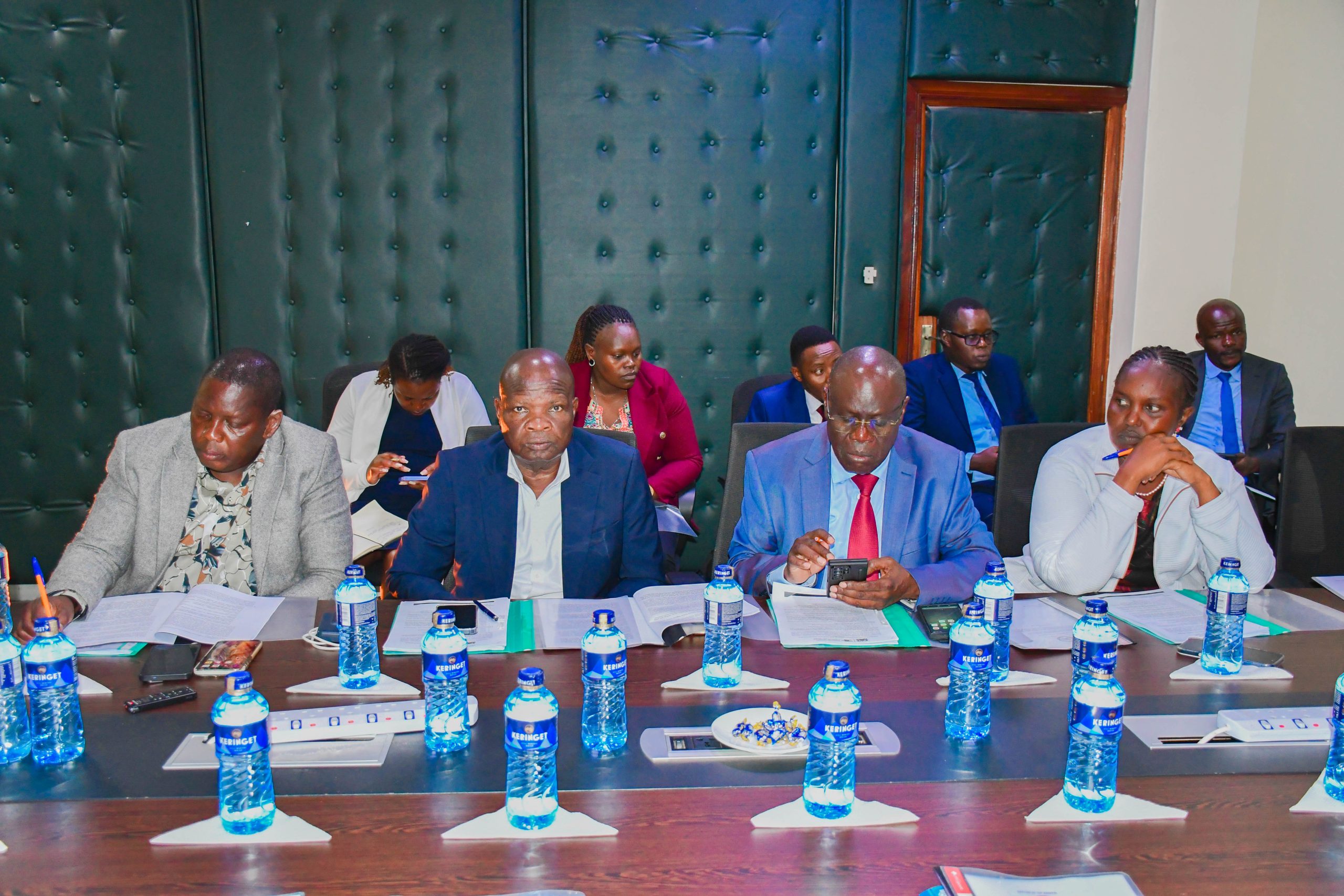
Nairobi, July 19, 2026 – The National Assembly Departmental Committee on Health today paid a familiarization and oversight visit to the National Cancer Institute of Kenya (NCI-K) headquarters in Upper Hill, Nairobi, where Members of Parliament received a comprehensive briefing on the state of cancer in Kenya, the Institute’s achievements, and the implementation of the National Cancer Control Strategy 2023–2027.
The Committee, led by its Chairperson, Hon. Dr. James Nyikal, was received by the Chairperson of the NCI-K Board of Trustees, Dr. Timothy Olweny, and the Chief Executive Officer, Dr. Elias Melly, alongside members of the Institute’s management team.
During the engagement, the Committee was taken through Kenya’s current cancer burden, highlighting the latest GLOBOCAN 2024 estimates, which indicate 35,865 new cancer cases and 22,888 cancer-related deaths annually. The discussion highlighted the growing need for sustained investments in cancer prevention, early detection, treatment, palliative care, research, and surveillance to address the increasing burden of the disease effectively.
The Committee also received an overview of the Institute’s mandate, key milestones, and the progress made in implementing the five strategic pillars of the National Cancer Control Strategy 2023–2027, which guide Kenya’s response to cancer through prevention, early detection, diagnosis and treatment, palliative care, governance, research, surveillance, and resource mobilization.
Presenting the Institute’s status, Dr. Elias Melly acknowledged the significant progress made despite resource constraints. He noted that NCI-K has continued to coordinate national cancer control programmes, strengthen partnerships, enhance cancer awareness, support county governments, improve cancer surveillance systems, and advance research and policy development.
However, the CEO emphasized that insufficient funding remains the single greatest challenge affecting the full implementation of the National Cancer Control Strategy and the Cancer Prevention and Control Act, 2012.
“While the Institute has achieved remarkable milestones with the limited resources available, adequate and sustainable funding is essential for us to fully implement our statutory mandate and deliver comprehensive cancer control interventions across the country,” Dr. Melly noted.
Members of the Committee commended the Institute for the notable achievements realized despite financial constraints, observing that the progress demonstrates prudent utilization of the resources allocated to NCI-K. They acknowledged the Institute’s growing impact in coordinating the national cancer control agenda and pledged to engage relevant government agencies to address the budgetary challenges affecting its operations.
The Committee further stressed the importance of strengthening cancer research as a key pillar in reducing the country’s cancer burden. Hon. Dr. Robert Pukose, Member of Parliament for Endebess Constituency, emphasized that increased investment in research is critical to generating evidence that informs cancer prevention, early detection, diagnosis, treatment, and policy decisions. He called for enhanced funding to enable the Institute to establish and sustain robust cancer research programmes, a position that received unanimous support from the Committee members.
The meeting also explored the management of Regional Cancer Centres across the country. Hon. Pauline Lenguris, Woman Representative for Samburu County, raised the need to strengthen the governance and coordination of these centres and proposed that their management be placed under the National Cancer Institute of Kenya to promote uniform standards, enhance coordination, and improve service delivery nationwide. The Committee noted the proposal for further consideration as part of ongoing discussions on strengthening cancer care systems.
In his remarks, Dr. Timothy Olweny, Chairperson of the NCI-K Board of Trustees, thanked the Parliamentary Health Committee for its continued support and oversight, noting that Parliament plays a critical role in creating an enabling environment for effective cancer control through legislation, policy support, and adequate resource allocation.
The visit reaffirmed the shared commitment between Parliament and the National Cancer Institute of Kenya to strengthen the country’s cancer response through increased investment, strategic partnerships, research, and sustainable financing. The Institute remains committed to working closely with Parliament, the Ministry of Health, county governments, development partners, and other stakeholders to accelerate the implementation of the National Cancer Control Strategy and improve cancer outcomes for all Kenyans.
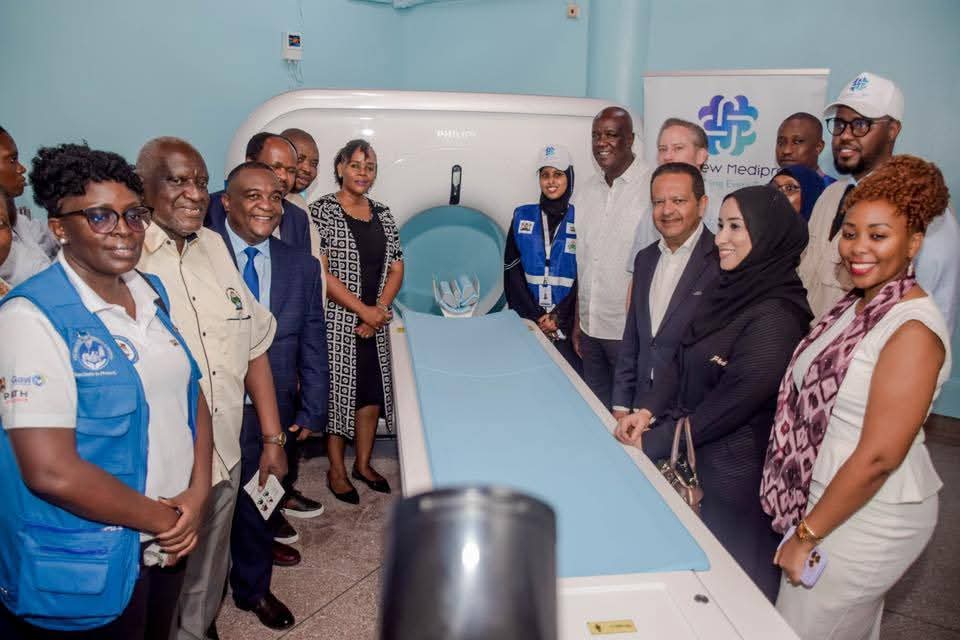
The National Cancer Institute of Kenya (NCI-K) joined Kilifi County, development partners, and stakeholders in celebrating a major milestone in Kenya’s cancer control efforts with the official commissioning of the first-ever Cancer Centre at Kilifi County Referral Hospital.
The landmark event, hosted by H.E. Governor Gideon Maitha Mung’aro, was attended by H.E. Arnaud Suquet, Ambassador of France to Kenya, Mr. Amin Mawji, OBE, Diplomatic Representative of the Aga Khan Development Network in Kenya, representatives from the Ministry of Health, county leadership, development partners, and other key stakeholders committed to strengthening cancer care services in Kenya.
The establishment of the Cancer Centre marks a significant step towards improving access to quality cancer care for residents of Kilifi County and the wider Coastal region. For many years, patients seeking oncology services have been forced to travel long distances to access specialized treatment, often resulting in financial hardship, delayed care, and poor treatment outcomes. The introduction of chemotherapy services at the facility will bring life-saving treatment closer to patients and improve timely access to cancer care.
NCI-Kenya played a critical role in supporting the realization of this milestone as part of its mandate to coordinate and promote cancer prevention, early detection, treatment, palliative care, research, and partnerships across the country. Through close collaboration with the Ministry of Health, Kilifi County Government, the National Cancer Control Programme, development partners, and healthcare institutions, NCI-K continues to support efforts aimed at decentralizing cancer services and strengthening cancer care infrastructure at the county level.
The launch of the centre aligns with Kenya’s broader objective of expanding access to comprehensive cancer care and reducing disparities in service delivery. It also reflects the growing impact of strategic partnerships in advancing the national cancer control agenda.
Looking ahead, Kilifi County has outlined plans to further strengthen the facility by establishing comprehensive oncology services, including radiotherapy through the acquisition of a Linear Accelerator (LINAC) and enhanced breast cancer screening through investment in digital mammography technology. These developments will contribute significantly to improving cancer outcomes through timely diagnosis and treatment.
Speaking during the event, leaders acknowledged the importance of collaboration in making the project a reality. NCI-Kenya was recognized as one of the key partners whose technical support, coordination, and commitment contributed to the successful establishment of the Cancer Centre. The commissioning of the Kilifi County Cancer Centre marks a significant milestone in Kenya’s journey towards equitable cancer care. The facility brings hope to patients and families by expanding access to quality cancer services closer to home and reducing the burden of travelling long distances for treatment. NCI-Kenya remains committed to working with national and county governments, healthcare providers, and development partners to strengthen cancer prevention, early detection, treatment, and care services across the country.
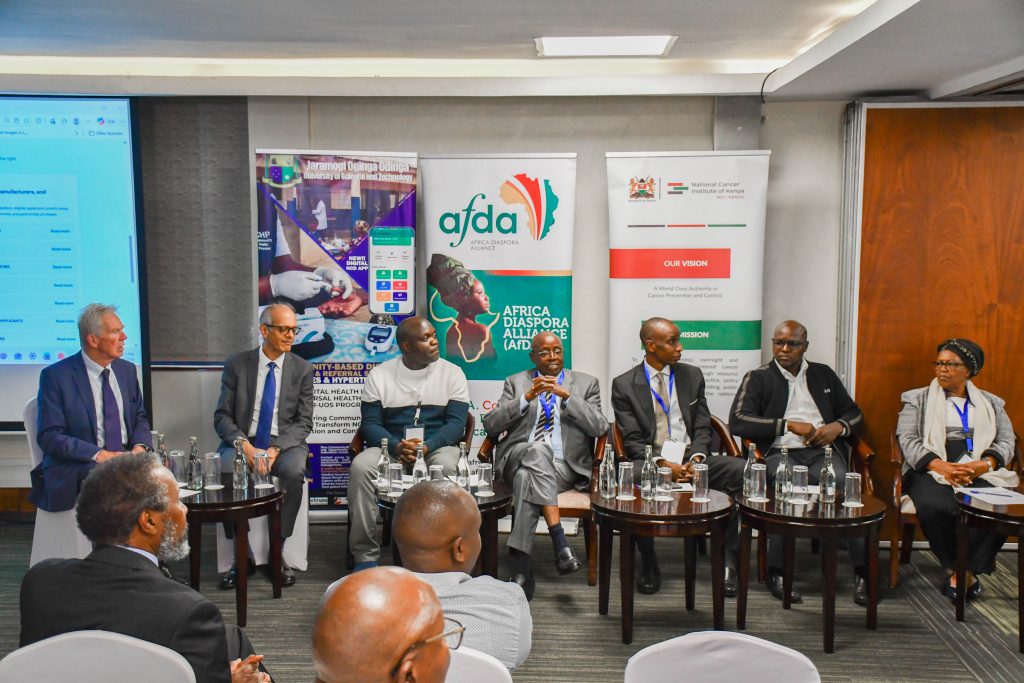
The 4th Kenya–United Kingdom Health Alliance (KUKHA) One Health Research & Innovation Conference, taking place from 17–19 June 2026 at Jacaranda Hotel, Nairobi, brings together policymakers, researchers, healthcare professionals, academia, industry leaders, investors, and development partners to explore innovative solutions to some of the most pressing health challenges facing Kenya, Africa, and the world. Guided by the theme “From Challenges to Global Solutions Together: Building Kenya & Africa’s Health Innovation Future,” the conference serves as a platform to strengthen partnerships, share knowledge, and drive transformative action in healthcare.
Plenary Session
As Kenya and many African countries continue to experience a growing burden of non-communicable diseases, KUKHA 2026 places particular emphasis on cancer and kidney disease, both of which are increasing at alarming rates. Alongside these conditions, health security threats such as antimicrobial resistance (AMR) continue to challenge healthcare systems globally. Conference plenary sessions will examine the factors contributing to these trends and explore evidence-based strategies to improve prevention, diagnosis, treatment, and patient outcomes.
Leading experts from Kenya and the United Kingdom will share insights on strengthening healthcare systems, improving access to quality care, and promoting sustainable interventions that can address current and future health challenges. Discussions will also focus on how international collaboration can accelerate progress and create lasting impact across the continent.
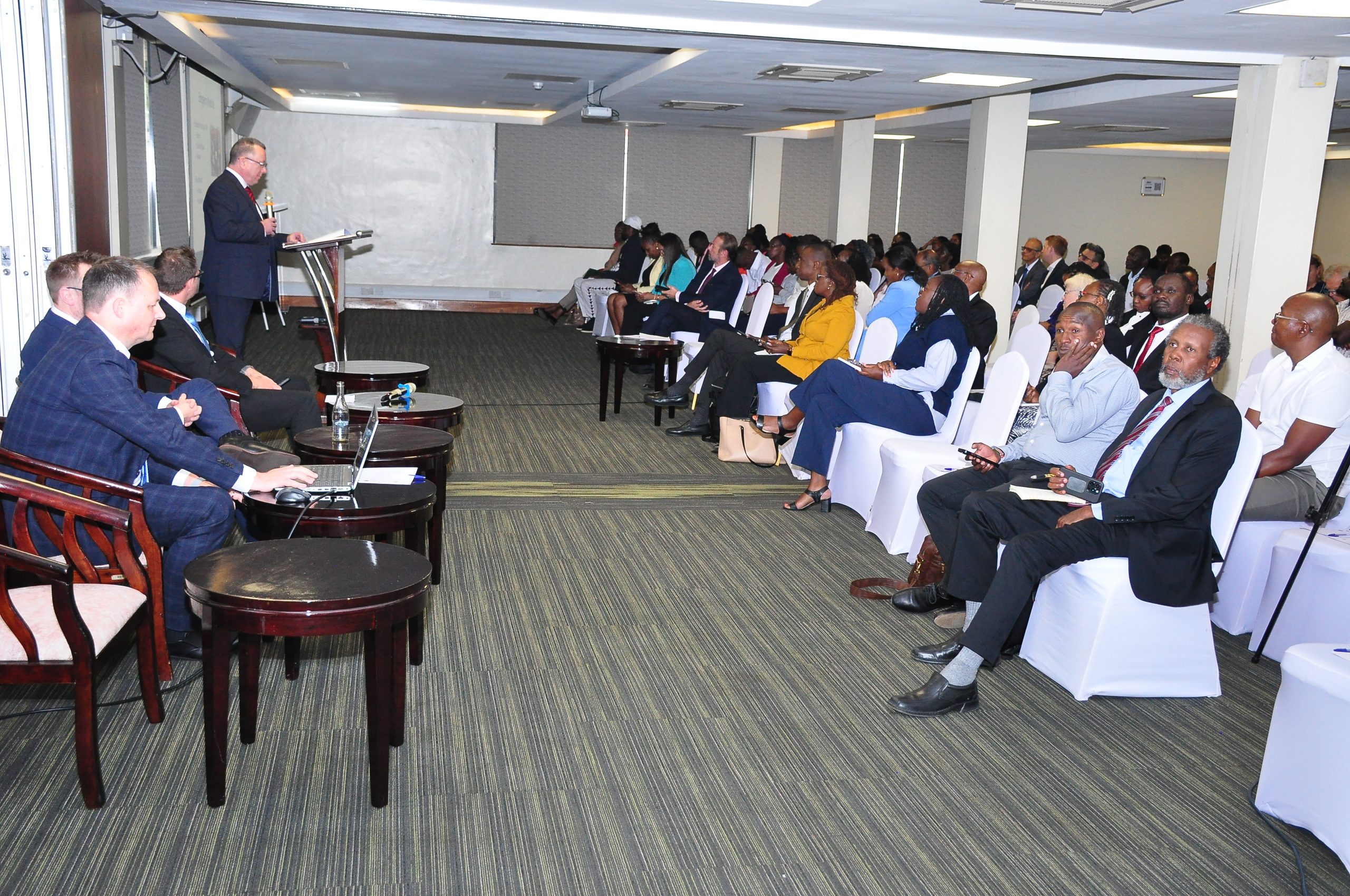
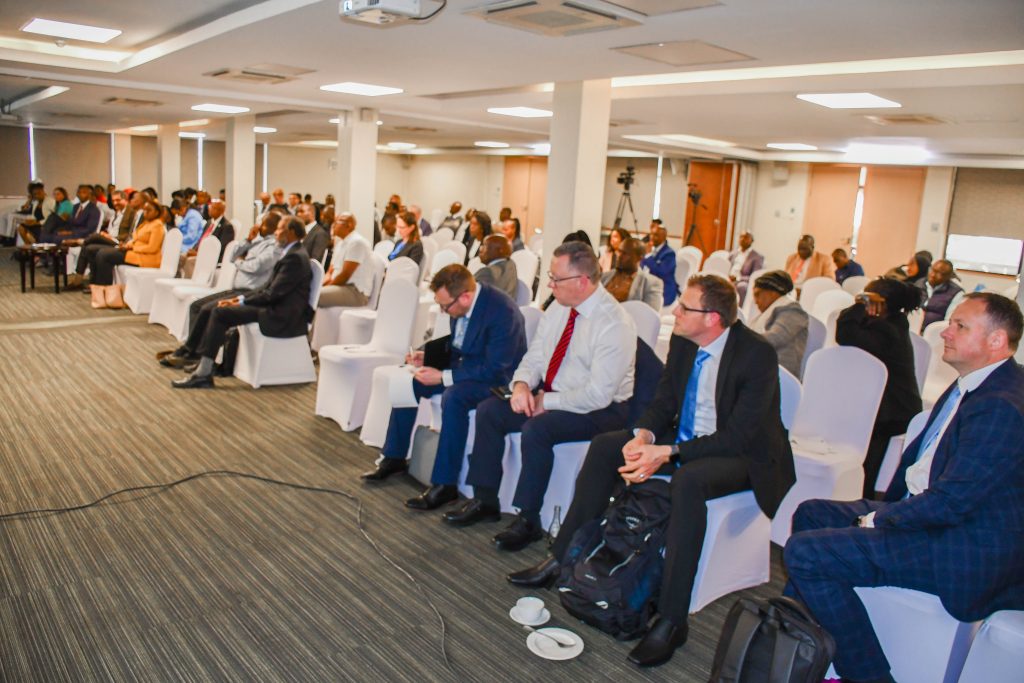
Participants following the proceedings at the 4th KAKHU conference
The conference recognizes that resilient health systems require strong emergency preparedness and response mechanisms. Through dedicated sessions on global standards in emergency medicine and health security, participants will explore innovative approaches adopted across different healthcare systems and examine lessons applicable to Kenya and Africa.
One of the key highlights of KUKHA 2026 is the focus on local health manufacturing and innovation. As Africa seeks greater self-reliance in healthcare products and technologies, the conference will explore opportunities for strengthening pharmaceutical production, vaccine manufacturing, medical technology development, and commercialization of health innovations. Experts from government, academia, industry, and development organizations will discuss how strategic investments, supportive policies, and partnerships can help build a thriving health manufacturing ecosystem.
Participants will also examine issues related to intellectual property, technology transfer, licensing, market shaping, and industrial parks as catalysts for economic growth and healthcare transformation. These discussions are expected to contribute to Kenya’s broader vision of becoming a regional hub for health innovation and manufacturing.
Advancing Cancer Care and Research
Cancer remains a major public health concern in Kenya and across Africa. Dedicated cancer tracks will focus on the burden of disease, healthcare gaps, partnership opportunities, diagnostics, oncology services, prevention strategies, genomics, clinical trials, and cancer care infrastructure. Participants will discuss the importance of early diagnosis, access to quality treatment, and the role of research in improving outcomes for patients.
Sessions will also examine emerging issues such as climate-informed cancer prevention, the impact of aflatoxins, and the role of genomics in developing more effective and personalized treatment approaches for African populations. Through these conversations, stakeholders hope to identify practical solutions that can reduce cancer-related mortality and strengthen cancer care systems across the region.
Promoting Universal Health Coverage
Universal Health Coverage (UHC) remains a critical pillar of Kenya’s health agenda. KUKHA 2026 provides a platform for discussing how innovation, medical technology, digital health solutions, and strategic partnerships can support equitable access to healthcare services. Participants will explore ways to strengthen healthcare delivery systems, improve patient experiences, and ensure that quality care reaches all communities.
The conference will also examine the role of healthcare financing, governance, and collaboration between national and county governments in achieving sustainable UHC goals. By sharing experiences and lessons from Kenya and the United Kingdom, stakeholders aim to identify scalable solutions that can improve health outcomes nationwide.
The conference aims to facilitate meaningful outcomes, including new partnerships, investment commitments, collaborative projects, and pathways for strengthening Kenya–UK health cooperation. Discussions will focus on building sustainable mechanisms for accountability, follow-up, and continued engagement beyond the conference itself. As delegates gather in Nairobi, the conference provides a unique opportunity to shape the future of health innovation, foster meaningful partnerships, and advance the shared goal of healthier communities across Kenya, Africa, and the world.
The Chairman and Board of Trustees of the National Cancer Institute of Kenya is pleased to announce the appointment of Dr. Elias Melly as the Chief Executive Officer with effect from 1st May 2026.
The appointment culminates after a competitive and rigorous recruitment process undertaken by the board recently. Dr. Melly is a seasoned medical professional with extensive experience in clinical cancer care, training, cancer research, health policy, and public health administration, holding various leadership positions in his career path. He brings a wealth of experience in strategic leadership at local, regional, and global levels. He has a proven track record of transforming cancer care across the entire continuum of care and in policy development and implementation. He is gifted in building impactful partnerships and collaborations and resource mobilizations towards cancer care.
Dr. Elias Melly
Dr. Melly holds a Bachelor of Medicine and Surgery (MBChB) from Moi University, Master of Medicine in Clinical Oncology and Nuclear Medicine from Alexandria University, Egypt, Master of Public Health from Moi University and Master of Business Administration from the Catholic University of Eastern Africa. Before his current role, he served as the Senior Medical Specialist and Head of the Haemato-Oncology Directorate at Moi Teaching and Referral Hospital, Adjunct Faculty at Moi University School of Medicine and Cancer Research with AMPATH Oncology Institute. His global experience includes training and collaboration with multiple NCI-designated cancer centers in the United States, including Indiana University, Stanford University, University of California San Diego and University of Minnesota.
Dr. Melly is Cancer Country Counterpart Lead for International Atomic Energy Agency, Member of Union for International Cancer Control (UICC), Global Oncology working Group under Association of American Cancer Institute (AACI) and Africa Oncology Cancer Network (AOCN). He has published in several peer reviewed journals. He is a registered medical practitioner with the Kenya Medical Practitioners and Dentists Council (KMPDC), registered Clinical Oncologist, a member of the Kenya Medical Association(KMA), Kenya Society of Hematology and Oncology (KESHO), Clinical Radiation Oncology Society of Kenya (CROSK), African Organization for Research and Training in Cancer (AORTIC), American Society of Clinical Oncology (ASCO), European Society of Medical Oncology (ESMO) and American Society of Therapeutic Radiation Oncology (ASTRO).
The Board of Trustees congratulates Dr. Elias Melly on his appointment and extends best wishes as he leads the Institute in advancing cancer care in Kenya.
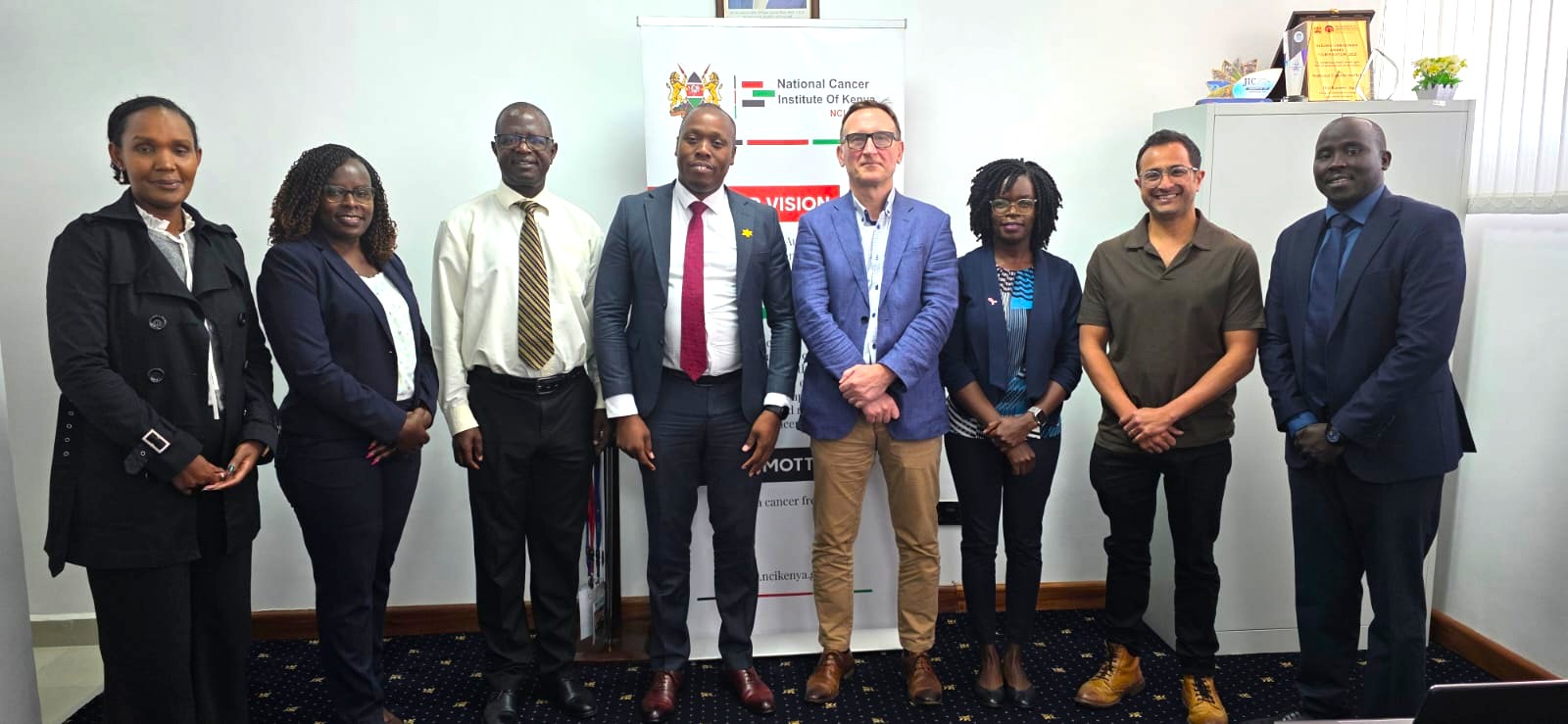
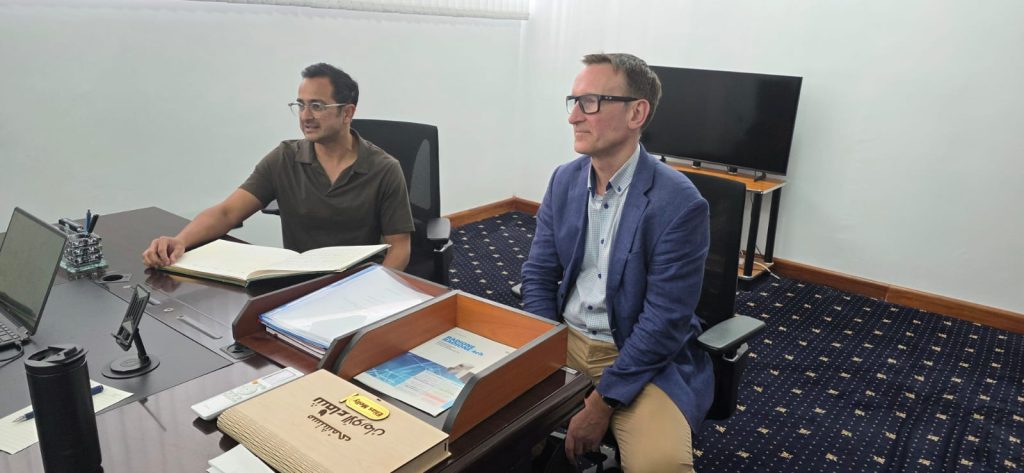
Today, the National Cancer Institute of Kenya received a courtesy call from a team of cancer research and clinical experts.
The team included Prof. Sacha Howell of Manchester University NHS Foundation Trust, who leads the Breast Cancer Risk Prediction and Prevention Service and is a Senior Consultant at The Christie NHS Foundation Trust. He was accompanied by Mr. Rajiv Dave, a Breast Surgeon at the University of Manchester, Dr. Francis Makokha, Head of the Human Health Research Program at Mount Kenya University, and a specialist in molecular medicine and cancer genetics, alongside Dr. Bahati Riogi, an oncoplastic surgeon at Kisii Teaching and Referral Hospital.
The meeting, led by the CEO, Dr. Elias Melly, focused on strengthening collaboration in cancer research and data systems, particularly in advancing the national cancer registry and evidence generation.
NCI-K continues to play a central role in strengthening cancer data through the National Cancer Registry (NaCaRe) and in supporting locally driven research. Under the leadership of Dr. Melly, the Institute has prioritized investment in research that reflects Kenya’s unique population dynamics, recognizing that genetic variations across populations—and even across regions within the country—have significant implications for cancer prevention, diagnosis, and treatment. This focus on local research is critical in generating context-specific evidence to inform policy, improve clinical outcomes, and guide targeted interventions.
NCI-K staff present included Gladys Chesumbai, Head of Cancer Registry; Dr. Joan Simam, Head of Research and Data Informatics; Linet Koskei, Head of Information, Education and Communication; Julius Kibichii, Biostatistician; and Hillary Chang’, Cancer Registrar.
Prof. Howell highlighted his research on endocrine therapy in the treatment and prevention of breast cancer, as well as innovative approaches to risk prediction. Among his projects is the creation of platforms that use imaging and serial breast biopsies to investigate preventive measures in high-risk groups. Through these approaches, significant progress is being made in understanding the mechanisms of action and resistance associated with both existing and emerging breast cancer prevention therapies.
Further collaborative research, particularly with scientists at the Manchester Breast Centre, is advancing understanding of how mammographic density contributes to cellular transformation, offering new insights into early cancer development and prevention. It also highlights the strategic importance of partnerships in strengthening cancer data systems, advancing research, and improving patient outcomes in Kenya.
The National Cancer Institute of Kenya, today, in collaboration with Implenomics, began a two-day conference on Cancer Community Clinic Linkage (C3LINK), which runs from the 16th to the 17th of March 2026. The Conference theme, Roadmap for Scaling up Breast and Cervical Cancer Screening in Kenya: Building on the Findings from the C3LINK Project to Inform Sustainable Strategies.
Implenomics is a US and Kenyan-based research institute whose work is to improve health care delivery in the global setting.
Representing the CEO of the National Cancer Institute of Kenya, Joan Simam delivered opening remarks at the Cancer Community Clinic Linkage (C3LINK) Conference, highlighting the importance of partnerships in strengthening cancer prevention and care in Kenya.
Dr. Simam emphasized the urgency of addressing the growing cancer burden, noting that according to the Kenya Vital Statistics Report 2024, cancer is the second leading cause of registered deaths in health facilities in Kenya. She highlighted that Breast Cancer and Cervical Cancer remain among the most common cancers affecting women, with many cases diagnosed at advanced stages.
She further noted that the C3LINK Project has generated valuable evidence on improving screening uptake, strengthening community engagement, and enhancing patient navigation. The findings, she said, will help inform national strategies to scale up screening services and improve early detection of cancer across the country.
This two-day conference presents a comprehensive engagement from facilitators and speakers spanning the Ministry of Health’s National Cancer Control Programme (NCCP), Kenya Medical Research Institute (KEMRI), Kenyatta National Hospital (KNH), Social Health Authority (SHA), Machakos Level 5 Hospital, and 3C LINK Study Team, County Governments, Meru University of Science and Technology, and Civil Society Organizations, represented by Kenya Network of Cancer Organizations (KENCO).
Participants following the discussions at the conference.
Presenting on the National Policy and Strategic Framework for Breast and Cervical Cancer Prevention in Kenya, Joan Paula Bor from the National Cancer Control Programme highlighted key priorities drawn from the National Cancer Control Strategy 2023–2027. Her presentation emphasized the government’s commitment to strengthening prevention, early detection, diagnosis, treatment, and palliative care as part of a comprehensive national response to cancer.
Dr. Bor also spoke about Kenya’s progress toward the Cervical Cancer Elimination Action Plan, which aligns with global efforts to eliminate cervical cancer as a public health problem.
Mabuko Olum delivered a presentation on the implementation of breast and cervical cancer prevention programmes in Kenya, highlighting ongoing efforts to expand access to screening and early detection services. He noted that the National Cancer Institute of Kenya has intensified community-based cancer screening initiatives across the country.
As part of these efforts, NCI-K successfully conducted large-scale cancer screening activities in five counties this year, including West Pokot County, Tharaka Nithi County, Isiolo County, Nandi County, and Kirinyaga County.
Other notable presentations included: Millicent Masinde’s presentation from Kenyatta National Hospital on Navigating the Path to Treatment for Women with Non-Ablative Precancerous Cervical Lesions, highlighting the clinical pathways and multidisciplinary approaches required to ensure timely and appropriate care for women diagnosed with complex cervical precancer conditions.
In addition, Herold Kipkirui (Study Physician – TIBA Team) presented on the Implementation of a Single-Visit Screen-and-Treat Approach Using Thermal Ablation, emphasizing the importance of simplified, patient-centered models that enable women to receive screening and treatment in a single visit.
On Data, presentations from Gladys Chesumbai highlighted the importance of data systems in strengthening cancer control, and the role of data in cancer surveillance through the National Cancer Registry of Kenya (NaCaRe). Her presentation was supported by Lawrence Kimathi from Savannah Informatics, whose presentation focused on Integrated Digital Ecosystems: Linking Cancer Screening to National Registry Surveillance through the EMPOWER Program.
The conference continues tomorrow with further discussions aimed at strengthening partnerships, sharing evidence, and developing sustainable strategies to scale up breast and cervical cancer screening across Kenya.
The National Cancer Institute of Kenya (NCI-K) yesterday participated in Africa Press Day 2026, a flagship regional convening hosted by Roche Africa. The event brought together leading voices shaping the future of health in Africa—including patient advocates, policymakers, innovators, and more than 40 journalists from across the continent—to explore a critical question: What is health truly worth to societies, economies, and Africa’s long-term sovereignty?
Held under the theme “Health: What’s it worth?”, the 2026 edition reframed health not as a cost or social expenditure, but as an economic driver that underpins productivity, resilience, equity, and sustainable development across the continent. The event took place at Mbagathi Hospital and included a site visit to the EMPOWER Digital Clinic.
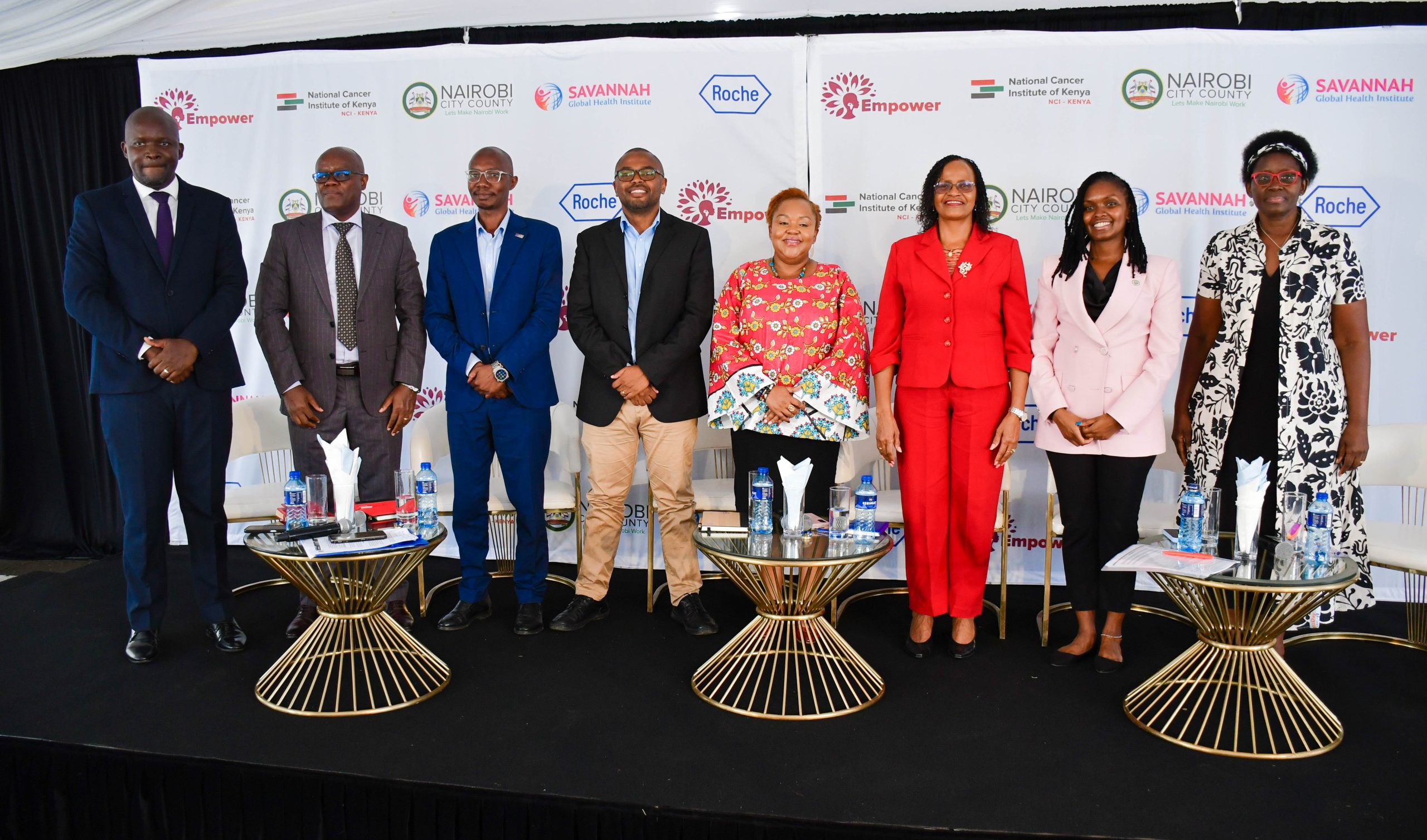
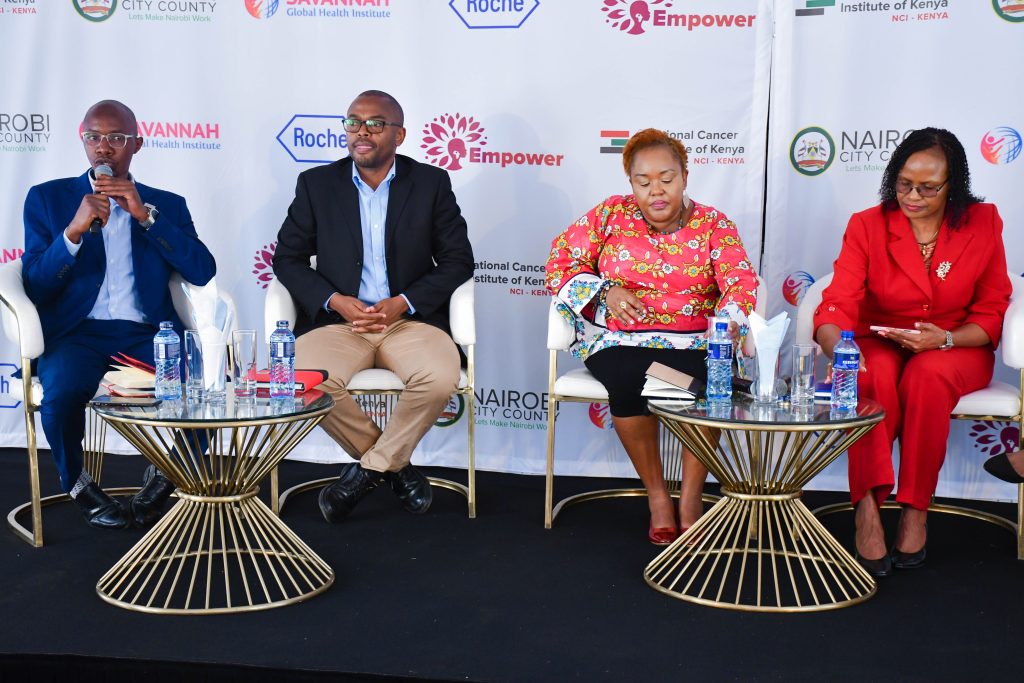
Panel discussion. From left: Dr. Victor Kibe, Head of Division for NCD Care in Nairobi County, Dr. Matiko, CEO, Savannah Informatics, Jacqueline Wambua, Roche East Africa General Manager, and Emily Barsito, Head of Partnerships, Resource Mobilization and Strategic Planning, NCI-K
This year’s discussions also placed special focus on women’s health, recognizing its central role in workforce participation, household stability, and intergenerational prosperity across African societies.
A key highlight of the visit was the EMPOWER digital platform, developed in collaboration with NCI-K, Savannah Global Health, and Roche. The platform is a digital patient notification and navigation tool for individuals diagnosed with cancer, enabling real-time data capture and improved care coordination. The system has been integrated into the National Cancer Registry (NaCaRe) to strengthen cancer reporting, harmonize data across facilities, and enhance patient tracking to ensure that no patient is lost along the continuum of care.
The panel discussion was moderated by Dr. Moses Owino, Director of Medical Services for Nairobi City County Government, and featured key leaders in health policy, oncology, and digital innovation. Among the panelists was Emily Barsito, Head of Partnerships, Strategic Planning and Resource Mobilization at NCI-K, alongside Dr. Victor Kibe (Head of the Division for NCD Care, Nairobi County), Suzanne Silantoi (Health, Wellness and Nutrition, Nairobi County), H.E. Dorothy Nyong’o (Managing Trustee, Africa Cancer Foundation and First Lady of Kisumu County), and Dr. Matiko, CEO of Savannah Informatics.
During the discussion, Emily Barsito addressed two key issues. First, she spoke on the role of digital health platforms in strengthening the national cancer response, highlighting how NaCaRe and EMPOWER tools enable the government to track patient outcomes more effectively, generate real-time data for decision-making, and support evidence-based allocation of health resources.
Secondly, she discuNCI-K Participates in Africa Press Day 2026
The National Cancer Institute of Kenya (NCI-K) yesterday participated in Africa Press Day 2026, a flagship regional convening hosted by Roche Africa. The event brought together leading voices shaping the future of health in Africa—including patient advocates, policymakers, innovators, and more than 40 journalists from across the continent—to explore a critical question: What is health truly worth to societies, economies, and Africa’s long-term sovereignty?
Held under the theme “Health: What’s it worth?”, the 2026 edition reframed health not as a cost or social expenditure, but as an economic driver that underpins productivity, resilience, equity, and sustainable development across the continent. The event took place at Mbagathi Hospital and included a site visit to the EMPOWER Digital Clinic.
This year’s discussions also placed special focus on women’s health, recognizing its central role in workforce participation, household stability, and intergenerational prosperity across African societies.
A key highlight of the visit was the EMPOWER digital platform, developed in collaboration with NCI-K, Savannah Global Health, and Roche. The platform is a digital patient notification and navigation tool for individuals diagnosed with cancer, enabling real-time data capture and improved care coordination. The system has been integrated into the National Cancer Registry (NaCaRe) to strengthen cancer reporting, harmonize data across facilities, and enhance patient tracking to ensure that no patient is lost along the continuum of care.
The panel discussion was moderated by Dr. Moses Owino, Director of Medical Services for Nairobi City County Government, and featured key leaders in health policy, oncology, and digital innovation. Among the panelists was Emily Barsito, Head of Partnerships, Strategic Planning and Resource Mobilization at NCI-K, alongside Dr. Victor Kibe (Head of the Division for NCD Care, Nairobi County), Suzanne Silantoi (Health, Wellness and Nutrition, Nairobi County), H.E. Dorothy Nyong’o (Managing Trustee, Africa Cancer Foundation and First Lady of Kisumu County), and Dr. Matiko, CEO of Savannah Informatics.
During the discussion, Emily Barsito addressed two key issues. First, she spoke on the role of digital health platforms in strengthening the national cancer response, highlighting how NaCaRe and EMPOWER tools enable the government to track patient outcomes more effectively, generate real-time data for decision-making, and support evidence-based allocation of health resources.
Secondly, she discussed standardization and equity in cancer care, noting that the National Cancer Control Strategy helps ensure that the standard of care remains consistent across the country.
Through its participation in Africa Press Day, NCI-K reaffirmed its commitment to leveraging digital innovation, partnerships, and data-driven approaches to strengthen cancer prevention, diagnosis, treatment, and patient support systems in Kenya.ssed standardization and equity in cancer care, noting that the National Cancer Control Strategy helps ensure that the standard of care remains consistent across the country.
Through its participation in Africa Press Day, NCI-K reaffirmed its commitment to leveraging digital innovation, partnerships, and data-driven approaches to strengthen cancer prevention, diagnosis, treatment, and patient support systems in Kenya.
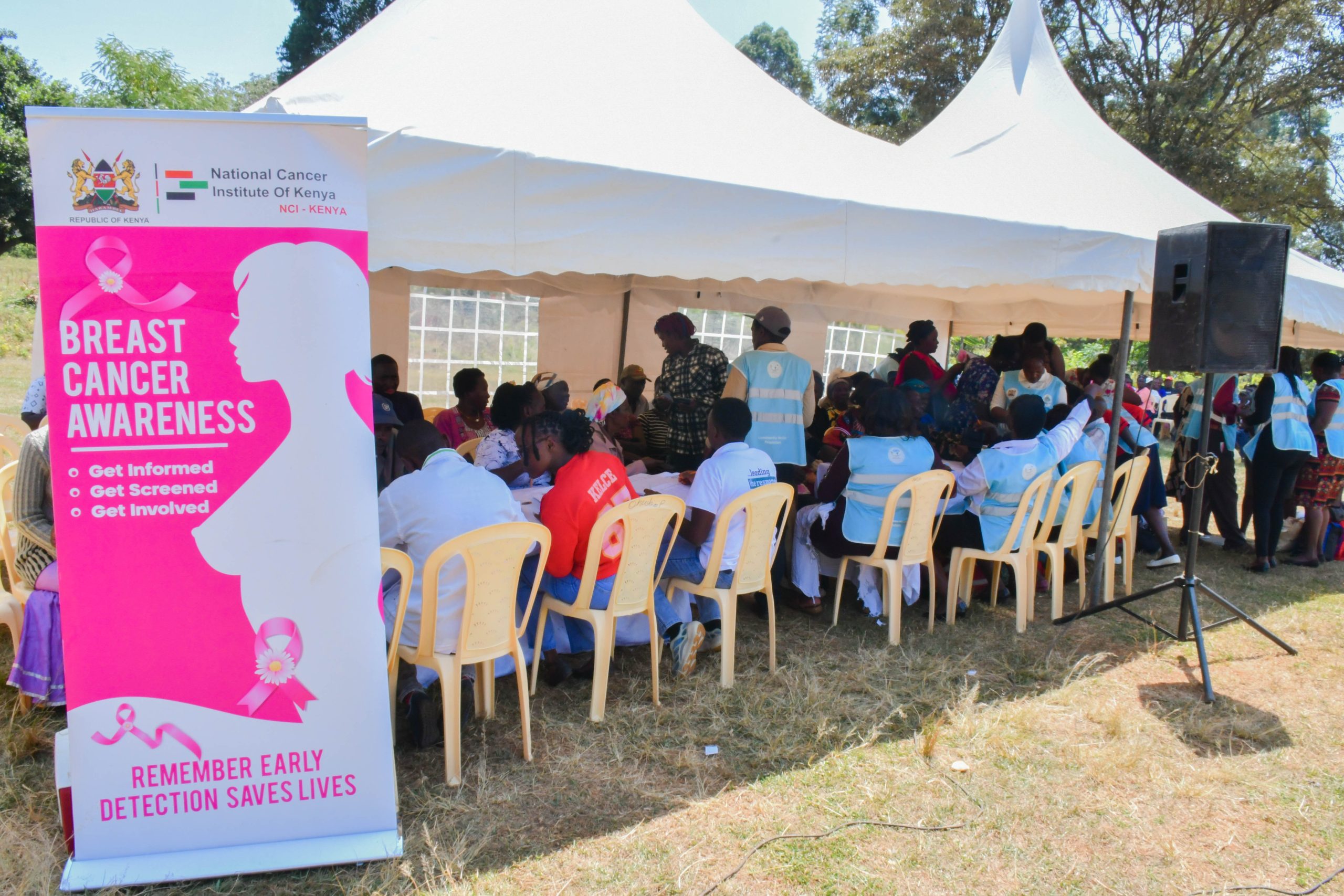
The National Cancer Institute of Kenya (NCI-K), in collaboration with partners including Texas Cancer Centre, Beyond Zero, Minnovate Afya, the County Government of Kirinyaga, and the Office of the Principal Secretary, State Department for Health and Professional Standards – Ministry of Health, conducted a major cancer screening, education, and awareness outreach at Ngiriambu Primary School in Kirinyaga County as part of activities to commemorate Cervical Cancer Awareness Month.
The outreach was preceded by extensive community mobilization and publicity, resulting in an impressive turnout of both men and women for screening services. Notably, Day One recorded a historic milestone — for the first time across NCI-K screening outreaches, the number of men presenting for screening surpassed that of women. This marks a significant and encouraging shift, demonstrating that men are increasingly taking an active role in seeking healthcare services. The high uptake among men was further supported by the use of modern PSA screening technology, a simple process that delivers results in approximately 15 minutes, improving convenience and confidence in testing.
The week-long activity is expected to reach even higher numbers as momentum builds. NCI-K commends the community for this positive response and encourages other regions across the country to emulate Kirinyaga’s proactive approach to cancer prevention and early detection.
In addition to screening services, members of the public received health education and awareness sessions aimed at dispelling myths and misconceptions about cancer while promoting accurate information on prevention, early detection, and treatment options. NCI-K remains committed to reaching communities across the country to enhance uptake of HPV vaccination and cancer screening services as Kenya works toward achieving the WHO 90-70-90 cervical cancer elimination targets by 2030, alongside implementation of the National Cervical Cancer Elimination Action Plan 2025–2030.