Category: Uncategorized

  • NCI-K Brings Cancer Screening and Awareness to Muhoroni Community

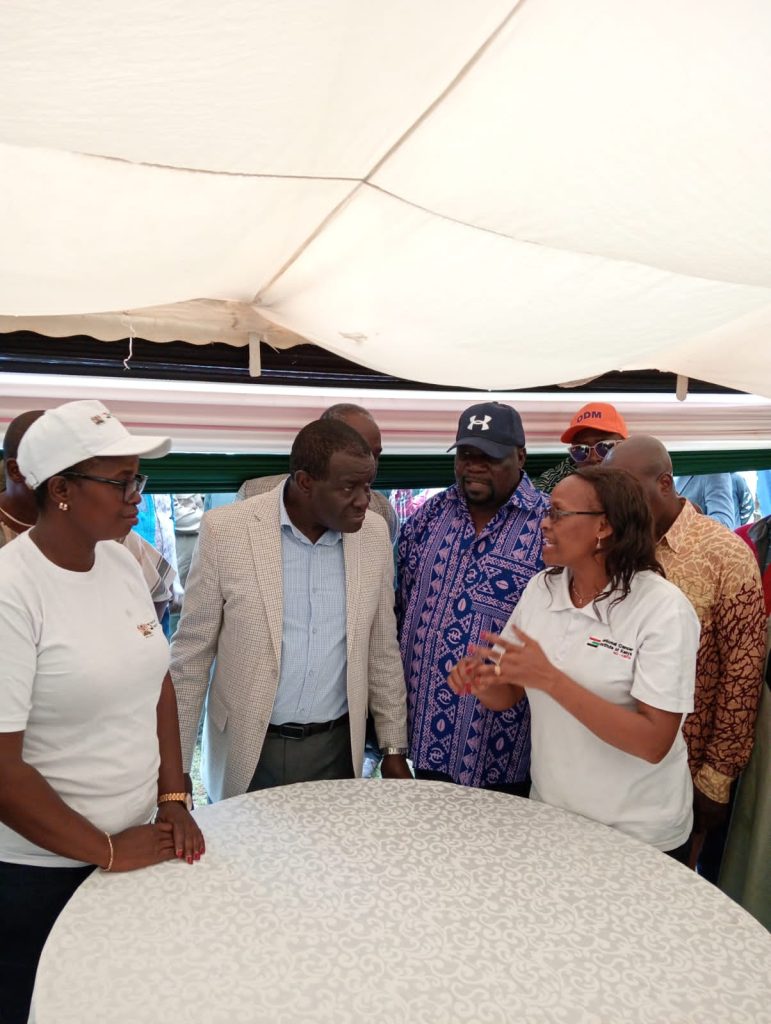
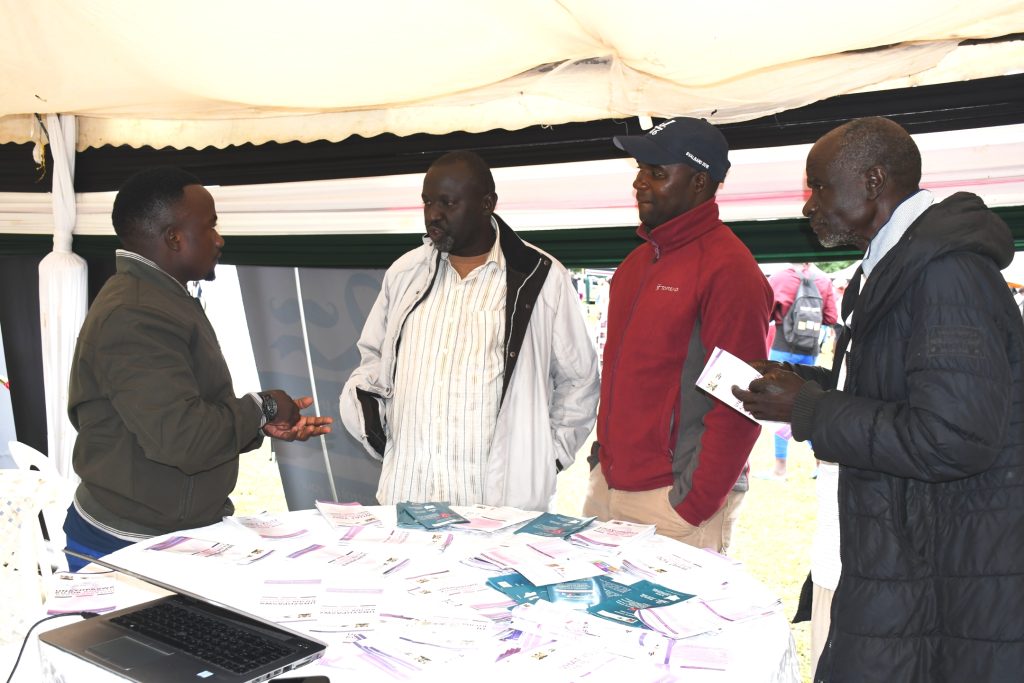
    In a powerful display of community engagement and public health commitment, the National Cancer Institute of Kenya (NCI-K) recently participated in a highly successful outreach program in Muhoroni, Kisumu County. The initiative, which was a part of a broader empowerment effort, focused on providing crucial cancer prevention and control services to local residents.

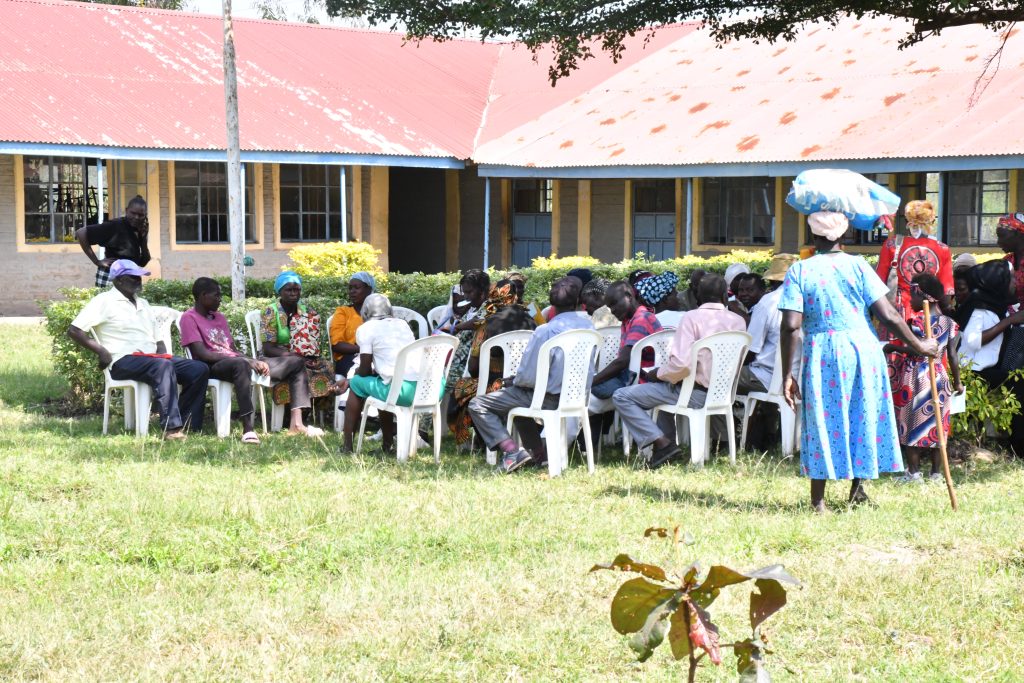
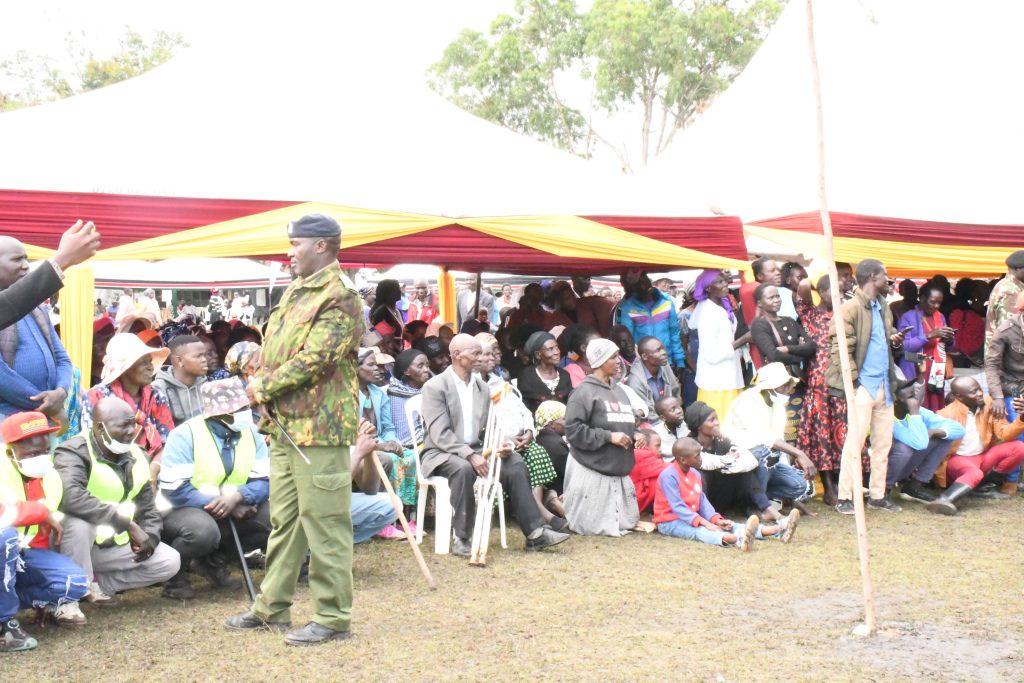
    The well-attended event provided free screening for cervical, breast, and prostate cancer, where residents turned up for the activity hence supporting this, with the NCI-K team working tirelessly to educate community members on early detection and prevention. The program drew a distinguished list of leaders, underscoring the collaborative and high-level support for the fight against cancer.

    The event was officially hosted by the Attorney General, Hon. Dorcas Odour. The NCI-K team also took the opportunity to engage directly with key government figures to highlight the institute’s mandate and the importance of continued public education. These included the Solicitor General, Hon. Shadrack J. Mose, and the area Member of Parliament for Muhoroni, Hon. James Onyango Oyoo. The presence of other influential leaders such as the former Prime Minister Hon. Raila Odinga, Principal Secretary for the State Department for Medical Services, Dr. Ouma Oluga, Deputy Governor Kisumu County, Hon. Beatrice Elachi, and Senator Catherine Mumo further amplified the event’s significance.

    This collaborative effort served as a powerful platform for leaders to unite in demonstrating a shared commitment to improving the health and well-being of Kenyans. The initiative at Muhoroni is a clear example of how strategic partnerships between government institutions and community leaders can translate into tangible, life-saving action on the ground.

  • Empowering Muhoroni: NCI-K Leads Cancer Awareness and Screening at Medical Camp in Kisumu County

    A successful free medical camp at Kibigori Senior Secondary School concluded today, leaving a positive impact on the community. The event was graced by several distinguished guests, including Hon Raila Odinga, the Attorney General of Kenya, Dorcas Oduor, Principal Secretary for the State Department for Medical Services, Dr. Ouma Oluga, Solicitor General of Kenya, Shadrack J. Mose, and the Member of Parliament for Muhoroni Constituency, Hon. Oyoo James Onyango.

    During the closing ceremony, Dr. Ouma Oluga extended his gratitude to all the organizations that participated, emphasizing their role in bringing essential health services to the community. He gave a special mention to the National Cancer Institute of Kenya for their significant contribution in providing comprehensive screening services and raising cancer awareness among the residents.

    In a move to ensure the camp’s benefits have a lasting effect, Dr. Oluga announced that all remaining medical supplies, including medicines, will be distributed to nearby hospitals. This initiative aims to provide continued access to healthcare for the local population.

    The free medical camp at Kibigori Senior Secondary School served as a practical example of how the NCI-K’s strategic objectives are being translated into tangible action on the ground, making a real difference in the lives of ordinary Kenyans. The event underscored the government’s commitment to tackling non-communicable diseases and strengthening community-level healthcare services.

    The medical camp was more than just a health initiative; it was a community-building event that brought together leaders, healthcare professionals, and residents to promote well-being and legal awareness.

  • National Radiotherapy Treatment Protocol Launched to Standardize Cancer Care in Kenya

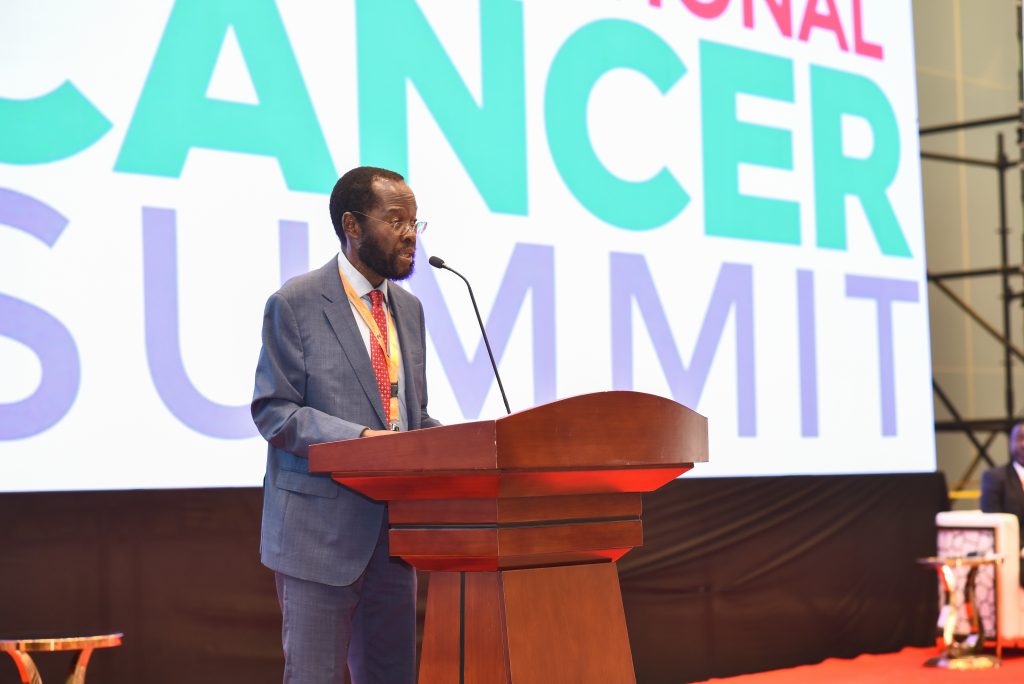
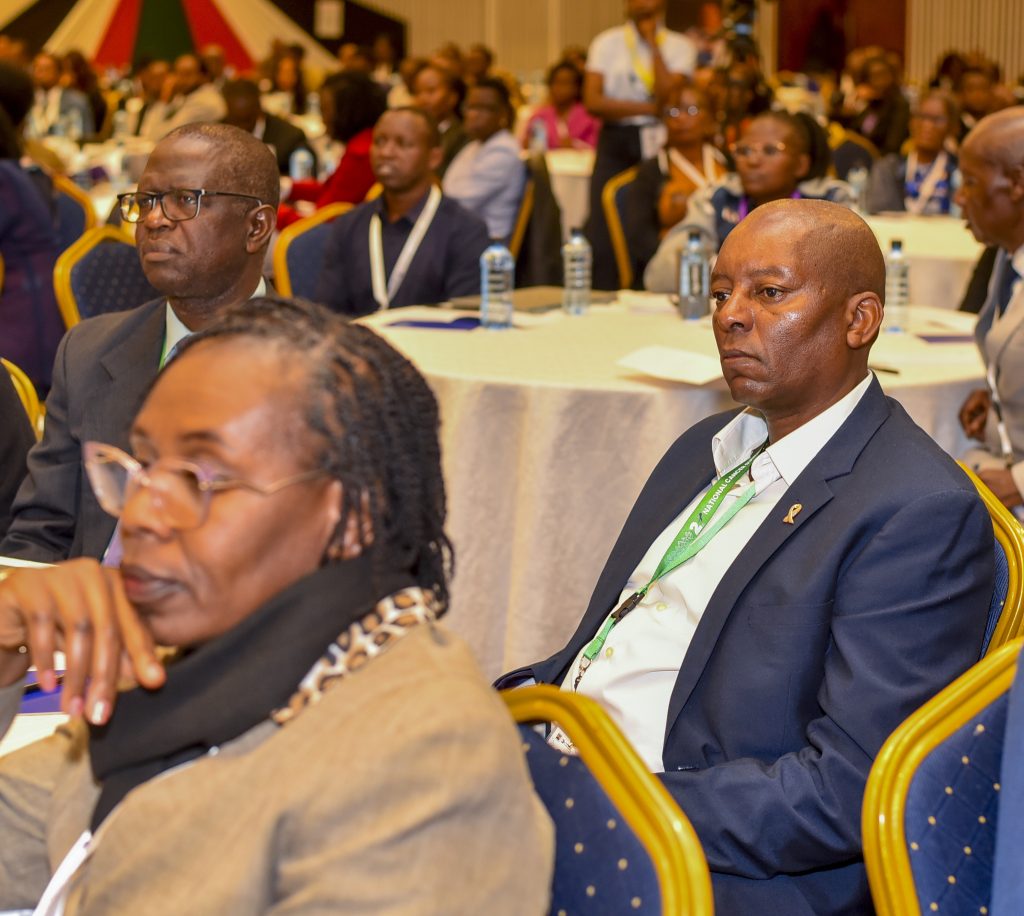
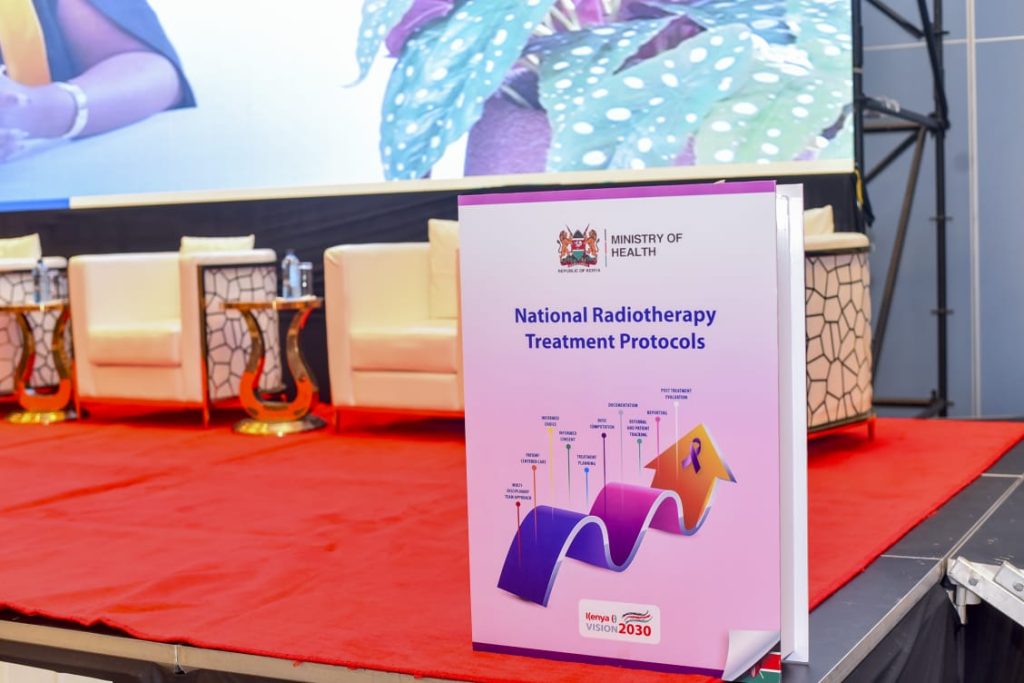
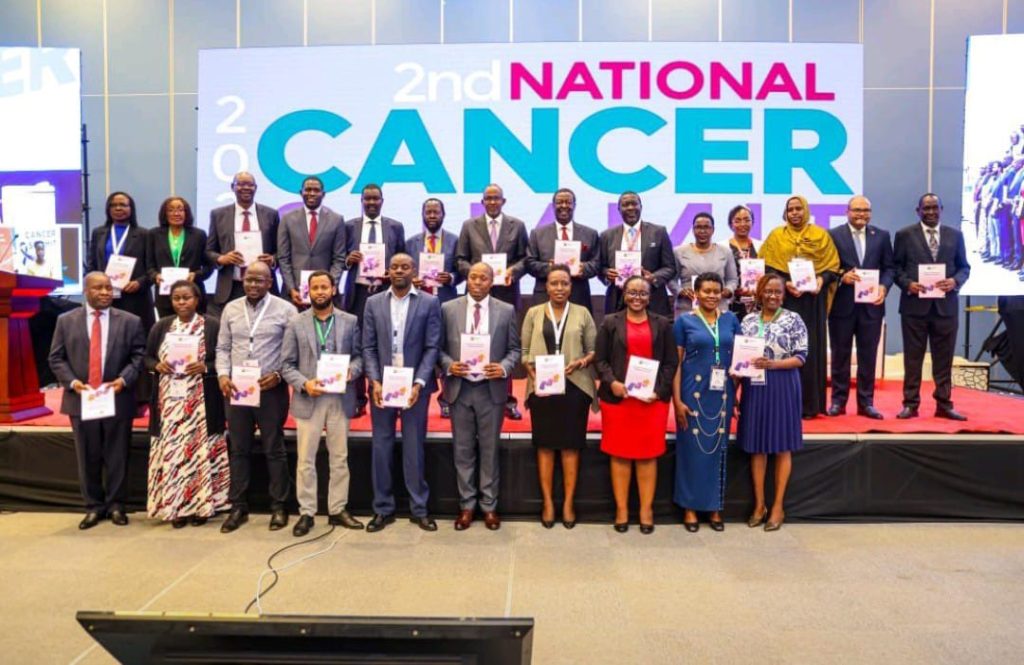
    The just concluded National Cancer Summit marked a significant milestone in Kenya’s cancer care landscape with the official launch of the National Radiotherapy Treatment Protocol. This new protocol is a significant step towards standardizing and improving the quality of radiotherapy services across the country.

    The new protocol provides a unified framework for healthcare professionals, ensuring that all patients, regardless of their location, receive consistent and evidence-based radiotherapy treatment. This is a critical move to address the disparities in care and to ensure that cancer patients are treated according to the latest national and international guidelines.

    The protocol is expected to enhance treatment outcomes and minimize side effects. The launch of this document at the National Cancer Summit shows the government’s commitment to tackling the growing burden of cancer by investing in comprehensive and high-quality care. It represents a collaborative effort by oncologists, physicists, and other cancer experts to elevate the standard of radiotherapy and provide the best possible care for cancer patients in Kenya.

  • Don’t Ignore the Signs: Why Awareness of Appendix Cancer Matters

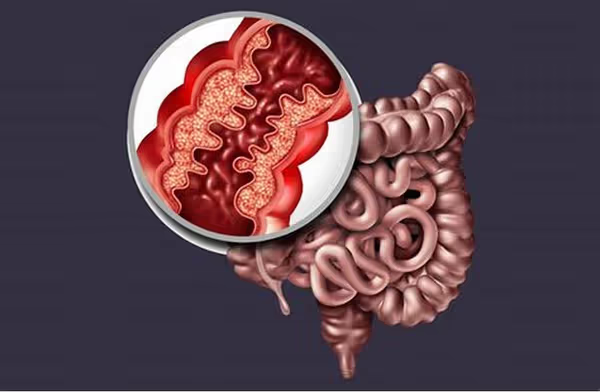
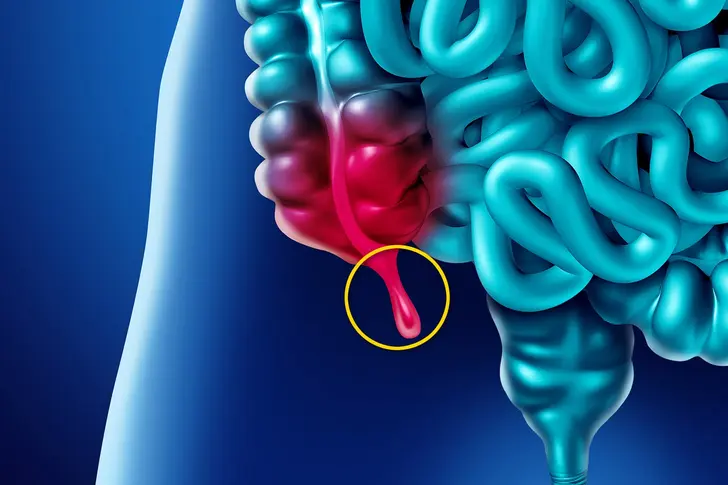
    Appendix cancer is a very rare type of cancer that begins in the cells of the appendix, a small, finger-like pouch attached to the large intestine. Because it is so uncommon, it can be difficult to diagnose and is often discovered accidentally during surgery for another condition, such as appendicitis.

    Symptoms and Diagnosis

    Because appendix cancer is so rare and often has no noticeable symptoms in its early stages, a diagnosis can be challenging. Symptoms, when they do appear, are often vague and can be mistaken for other conditions.

    Common symptoms may include:

    • Appendicitis-like pain in the lower right abdomen
    • A gradual increase in waist size or abdominal bloating
    • A feeling of fullness or a mass in the abdomen
    • Changes in bowel habits
    • Hernias-In men, a hernia in the groin is sometimes the first sign
    • Ovarian masses-In women, a mass in the pelvis may be the initial indication, and it can sometimes be mistaken for ovarian cancer.
    • Nausea and vomiting
    • Bowel obstruction

    Diagnosis is often made after a person undergoes a physical exam and imaging tests like a CT or MRI scan. In many cases, the cancer is only discovered during an appendectomy (appendix removal) for suspected appendicitis. A definitive diagnosis is made through a biopsy, where a pathologist examines a tissue sample.

    Treatment Options

    The primary treatment for appendix cancer is surgery. The specific surgical approach depends on the type, size, and stage of the cancer.

  • 🎗️ Understanding Sarcoma: The Rare Cancer That Deserves More Attention

    July is Sarcoma Awareness Month, a time to shed light on one of the lesser-known forms of cancer that affects both children and adults. Despite its rarity, sarcoma poses significant challenges in diagnosis, treatment, and awareness. In this blog post, we’ll explore what sarcoma is, how it impacts lives, and why raising awareness is so important.

    🧬 What is Sarcoma?

    Sarcoma is a type of cancer that originates in the body’s connective tissues—the structures that support and hold the body together. This includes:

    Muscle

    Fat

    Bloodvessels

    Nerves

    Tendons

    BoneCartilage

    Sarcomas can occur almost anywhere in the body. Because of this diversity, they are often referred to as “the forgotten cancer”—rare, complex, and frequently misdiagnosed

    📊 Types of Sarcoma.

    Sarcomas are broadly categorized into two main types:

    1. Soft Tissue Sarcoma. Affects soft tissues like muscle, fat, and blood vessels. There are over 50 subtypes, including:Liposarcoma (fat tissue)Leiomyosarcoma (smooth muscle)Synovial Sarcoma (around joints)Angiosarcoma (blood vessels)

    2. Bone Sarcoma. More common in children and young adults. Major types include:Osteosarcoma (usually in the long bones)Ewing Sarcoma, Chondrosarcoma (cartilage)

    🚩 Signs and Symptoms

    Early signs can be vague or easily overlooked, making early detection difficult. Some common symptoms include:

    A lump or mass that grows over time.

    Persistent pain, especially in bones or joints

    Swelling or tenderness

    Fatigue or unexplained weight loss

    Limited movement if the tumor is near a joint

    🧪 Diagnosis and Treatment

    If sarcoma is suspected, a series of tests may be used:

    MRI, CT scans, or X-rays

    Biopsy to examine the tissue

    PET scans to check for spread

    Treatment typically includes:Surgery to remove the tumor

    Radiation therapy

    Chemotherapy

    Targeted therapies (depending on the sarcoma subtype)

    Because of the complexity and rarity of sarcomas, patients are often referred to specialized sarcoma centers for treatment

    🎗️ Why Awareness Matters

    Sarcoma accounts for about 1% of adult cancers and 15% of childhood cancers.It often goes undiagnosed or misdiagnosed, delaying treatment. Research funding for sarcoma is significantly lower than for more common cancers. Early detection can significantly improve outcomes.

  • A Comprehensive Approach to Cancer Prevention: Lifestyle Modifications for Better Health.

    It’s empowering to know that many cases of cancer are preventable through conscious lifestyle choices. While no single habit guarantees you’ll never get cancer, adopting a combination of healthy practices significantly lowers your risk.

    Here are key lifestyle habits that can lower your cancer risk:

    1. Don’t Use Tobacco in Any Form:
      • Tobacco use is the single most preventable cause of cancer. It’s linked to cancers of the lung, mouth, throat, esophagus, bladder, kidney, pancreas, cervix, and more. Even secondhand smoke increases risk. If you smoke or use other tobacco products, quitting is the most impactful step you can take for your cancer prevention. Seek support and resources to help you quit. Avoid cigarettes and vaping as well.
    2. Maintain a Healthy Weight:
      • Obesity is a significant risk factor for at least 13 different types of cancer, including breast (post-menopause), colorectal, endometrial, kidney, and pancreatic. Excess body fat leads to chronic inflammation and hormonal imbalances that can promote cancer growth. Aim for a healthy Body Mass Index (BMI) and waist circumference. Focus on gradual, sustainable weight management through diet and exercise rather than drastic measures.
    3. Eat a Healthy, Plant-Focused Diet:
      • A diet rich in fruits, vegetables, whole grains, and legumes provides essential vitamins, minerals, antioxidants, and fiber, which protect cells from damage and support a healthy immune system. Limiting certain foods can also reduce risk.
      • Fill half your plate with fruits and vegetables: Aim for a variety of colors to get a broad range of nutrients.
      • Choose whole grains over refined grains: Opt for whole-wheat bread, brown rice, oats, and quinoa.
      • Limit red and processed meats: Reduce consumption of beef, pork, lamb, and avoid processed meats like bacon, sausage, and deli meats, which are classified as carcinogens.
      • Limit sugary drinks and highly processed foods: These often contribute to weight gain and inflammation.
      • Incorporate healthy fats: Choose olive oil, avocados, and nuts in moderation.
    1. Be Physically Active:
      • Regular physical activity helps maintain a healthy weight, improves immune function, reduces inflammation, and positively influences hormone levels, all of which can lower cancer risk. It’s particularly effective in reducing the risk of colorectal and breast cancers.
      • Include strength training at least two days a week.
      • Reduce sedentary time by taking breaks to move throughout the day. Even short walks add up!
    2. Limit Alcohol Consumption (or Avoid It Entirely):
      • Alcohol is a known carcinogen linked to cancers of the mouth, throat, esophagus, liver, breast, and colon. The risk increases with the amount of alcohol consumed. For cancer prevention, less is generally better, and avoiding alcohol altogether is the safest choice.
    3. Protect Your Skin from the Sun:
      • Excessive exposure to ultraviolet (UV) radiation from the sun is the primary cause of skin cancers, including melanoma. Tanning beds and sunlamps are also harmful.
      • Seek shade, especially between 10 a.m. and 4 p.m. when UV rays are strongest.
      • Wear protective clothing, including long-sleeved shirts, pants, a wide-brimmed hat, and UV-blocking sunglasses.
      • Use broad-spectrum sunscreen with an SPF of 30 or higher daily, and reapply every two hours (or more often if swimming or sweating).
      • Avoid tanning beds and sunlamps.
    4. Get Vaccinated:
      • Certain viruses can cause cancer. Vaccines can protect against these infections.
      • HPV Vaccine: Protects against Human Papillomavirus, which causes most cervical cancers, as well as some anal, throat, and other genital cancers. Recommended for adolescents, but can be given up to age 45.
      • Hepatitis B Vaccine: Protects against Hepatitis B virus, which can lead to liver cancer.
    5. Know Your Family History and Get Recommended Screenings:
      • While not a “lifestyle habit” in the same vein as diet or exercise, being proactive about screening is crucial for early detection, which dramatically improves treatment outcomes. Understanding your family history can inform personalized screening recommendations.
      • Talk to your doctor about your family history of cancer.
      • Follow recommended screening guidelines for your age and risk factors (e.g., mammograms, colonoscopies, Pap tests, lung cancer screenings if you have a history of heavy smoking).
    6. Limit Exposure to Environmental Toxins:
      • Exposure to certain chemicals and pollutants in the environment or workplace can increase cancer risk.
      • Be aware of potential carcinogens in your home and work environment (e.g., radon, asbestos, certain industrial chemicals) and take steps to minimize exposure.

    By incorporating these habits into your daily life, you significantly stack the odds in your favor for reducing your cancer risk and promoting overall health and well-being. Remember to discuss any health concerns or major lifestyle changes with your healthcare provider.

  • Pharmacovigilance for Oncology Health Products and Technologies Webinar

    Pharmacovigilance for Oncology Health Products and Technologies Webinar

    🔔 Webinar Alert! 🔔
    Join the National Cancer Institute of Kenya (NCI-K) and the Oncology Pharmacy Society of Kenya for a webinar on Pharmacovigilance for Oncology Health Products and Technologies.
    🗓 Date: Wednesday, 25th June 2025
    ⏰ Time: 7:00 p.m. – 8:30 p.m. (EAT)
    Featuring Expert Speakers:
    · Dr. Irene Weru (KNH & Chair, Oncology Pharmacists Society of Kenya)
    · Dr. Patrick Muthini (Head of Oncology Pharmacy Services, Phangisile Mtshali Cancer Center)
    · Moderated by Dr. Nashat Fadhloon Noor (Clinical Oncologist & Head of Cancer Prevention and Control, NCI-K)
    Don’t miss this important discussion on patient safety in cancer care.
    meet.google.com/cby-rhvq-xxb

  • World Cervical Cancer Elimination Day

    World Cervical Cancer Elimination Day Set

    The World Health Assembly has taken a monumental step in the global fight against cancer by officially designating November 17th as World Cervical Cancer Elimination Day. This landmark decision, set to be observed annually starting in November 2025, highlights a collective commitment to eradicate a preventable and treatable disease. It builds upon a foundational resolution from 2020 that adopted a comprehensive global strategy to accelerate the elimination of cervical cancer as a public health problem.

    This designation comes in recognition of the disproportionate burden cervical cancer places on women globally, particularly in developing countries and among those living with HIV. Despite being largely preventable and highly curable if detected early, it remains one of the most common causes of cancer-related morbidity and death in women. A significant challenge highlighted is the far-from-goal vaccination coverage against Human Papillomavirus (HPV), the leading cause of this cancer.

    The strategy for elimination centers on highly cost-effective primary and secondary prevention approaches. This includes robust HPV vaccination programs and widespread access to screening for and treatment of precancerous lesions. The resolution emphasizes that boosting public awareness, ensuring access to vital information, and providing comprehensive services are paramount elements for effective prevention and control across the entire life course.

    In support of this global initiative, Member States are strongly urged to allocate sufficient resources to expand healthcare services for cervical cancer elimination efforts, aligning these with national priorities and universal health coverage goals. The Director-General of the World Health Organization (WHO) has been requested to actively utilize World Cervical Cancer Elimination Day to strengthen stakeholder engagement, drive innovation, mobilize resources, and highlight progress made by Member States in their pursuit of elimination targets.

    Furthermore, the resolution calls upon all international organizations, stakeholders, and partners to enhance multilateral collaboration. Their support is vital in promoting knowledge, ensuring access to safe, affordable, and quality services, and developing effective healthcare products. This concerted global effort aims to foster solidarity across countries, pushing forward the world’s first-ever endeavor to eliminate a cancer as a public health problem.

  • NCI-K Pursues Research Institution Accreditation

    NCI-K Pursues Research Institution Accreditation

    NACOSTI Visits NCI-K

    Today, the National Cancer Institute of Kenya hosted a delegation from the National Commission for Science, Technology and Innovation (NACOSTI), a state corporation mandated to regulate and assure quality in science, technology, and innovation.

    The primary purpose of the visit was to assess NCI-K’s capacity to be registered as a research institution. This is one of NCI-K’s commitments to not only provide top-tier cancer care but also contribute to the advancement of cancer research in Kenya.

    Dr. Elias Melly, CEO of NCI-K, warmly welcomed the NACOSTI team, emphasizing the importance of this assessment for the institute’s future endeavors.

    The NACOSTI team was led by Prof. Vassey Mwaja, Ph.D., Vice Chairperson of the African Scientific Research and Innovation, and Prof. Mabel Imbuga, former Vice Chancellor of Jomo Kenyatta University of Agriculture and Technology (JKUAT), Situma Stephen, Christine Anakoeng, among other distinguished members.

    This visit is an important step in NCI-K’s journey to becoming a recognized research institution, a journey towards full implementation of the Cancer Prevention and Control Act, 2012, paving the way for greater contributions to cancer research and improved patient outcomes.