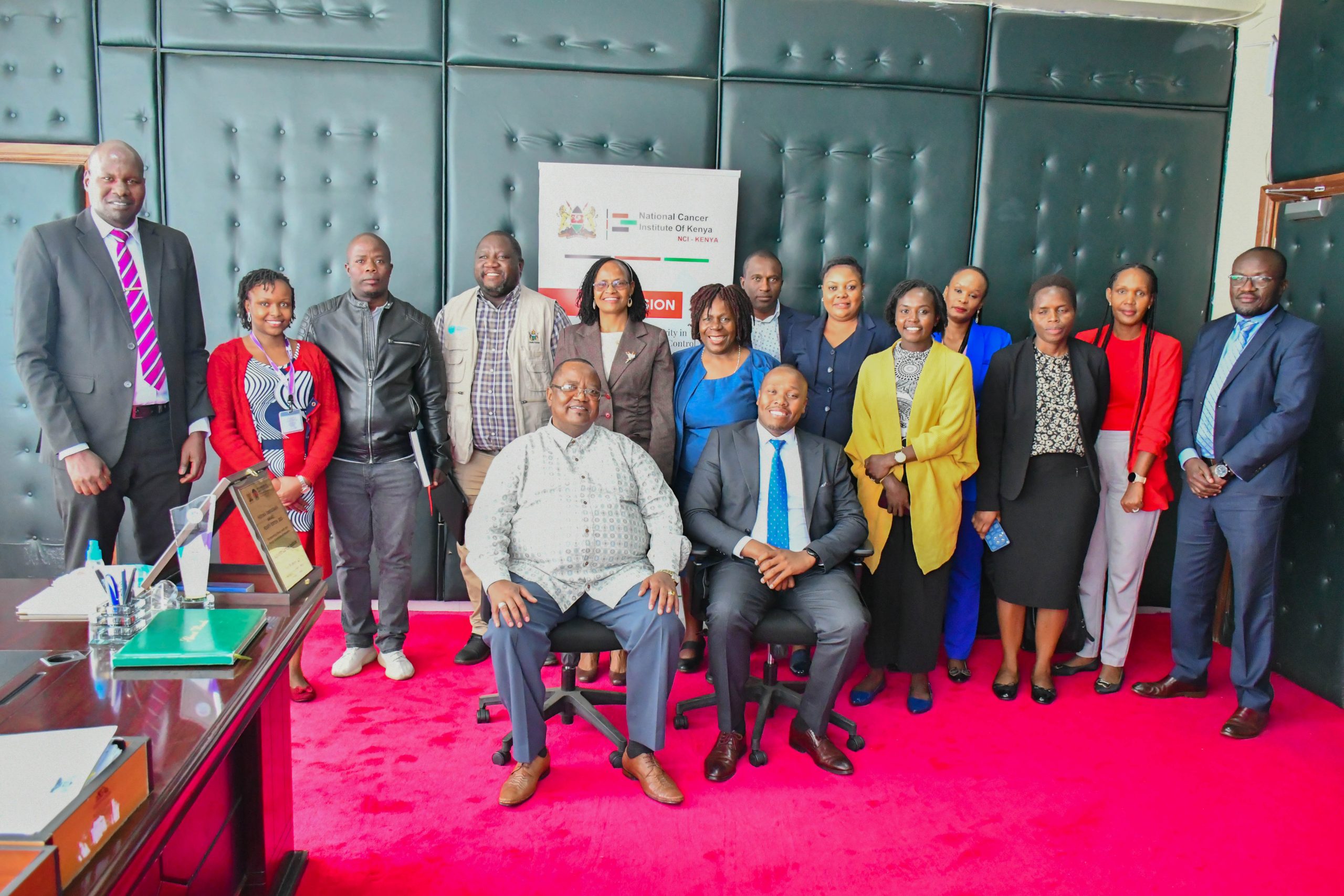
Nairobi, Kenya – 01/12/2025
The National Cancer Institute of Kenya (NCI-K) today hosted a high-level Zimbabwean delegation for a benchmarking visit to support the creation of a Cancer Institute in Zimbabwe. This collaboration demonstrates both countries’ commitment to advancing cancer control in Africa.
The Zimbabwean delegation, comprising senior government and regulatory officials, was led by Dr. B.M. Dube, Permanent Secretary in the Office of the President and Cabinet.
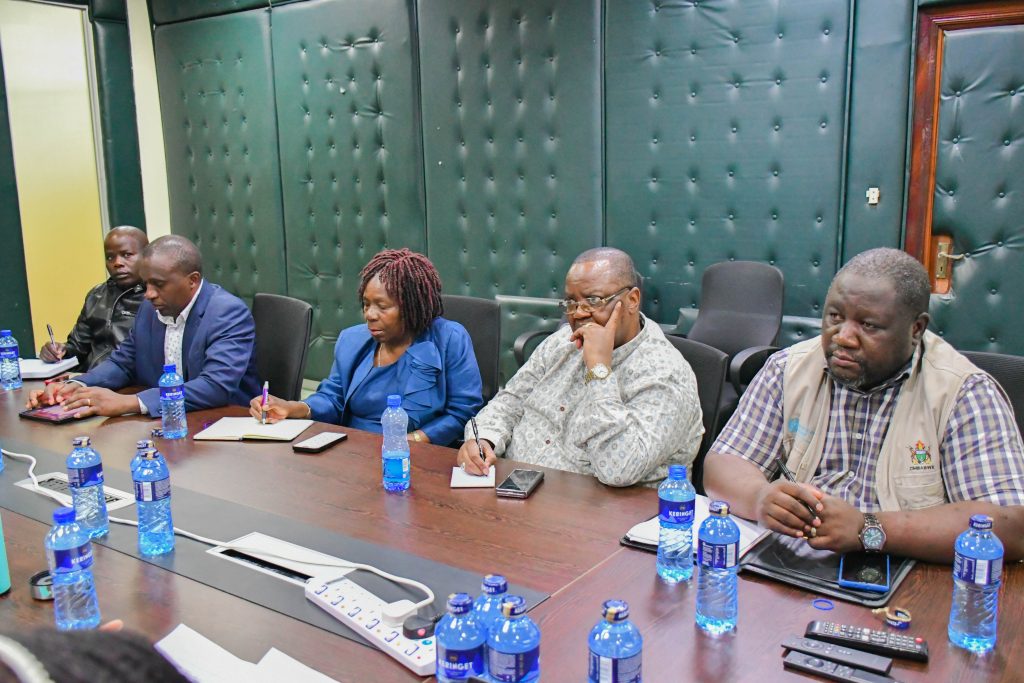
Zimbabwean Delegation.
The delegates included:
- Mr. Chiraya Anderson, Chief Director in the Office of the President and Cabinet.
- Ms. Rudo Karadzandina, Deputy Director in the Office of the President.
- Dr. Anna Mary Nyakabau, Board Chairperson, Radiation Protection Authority of Zimbabwe.
- Mr. Edwin Mhukayesango, Deputy Director, Radiation Protection Authority, Ministry of Health, Zimbabwe.
- Mr. Chafumbwa Tichaona, Deputy Director in the Office of the President and Cabinet.
- Ms. Edith Muterina, Representative from the Zimbabwean Embassy.
This high-profile delegation is centrally involved in overseeing, monitoring, and evaluating national development initiatives and strategies, highlighting the priority placed on effective health sector development in Zimbabwe.
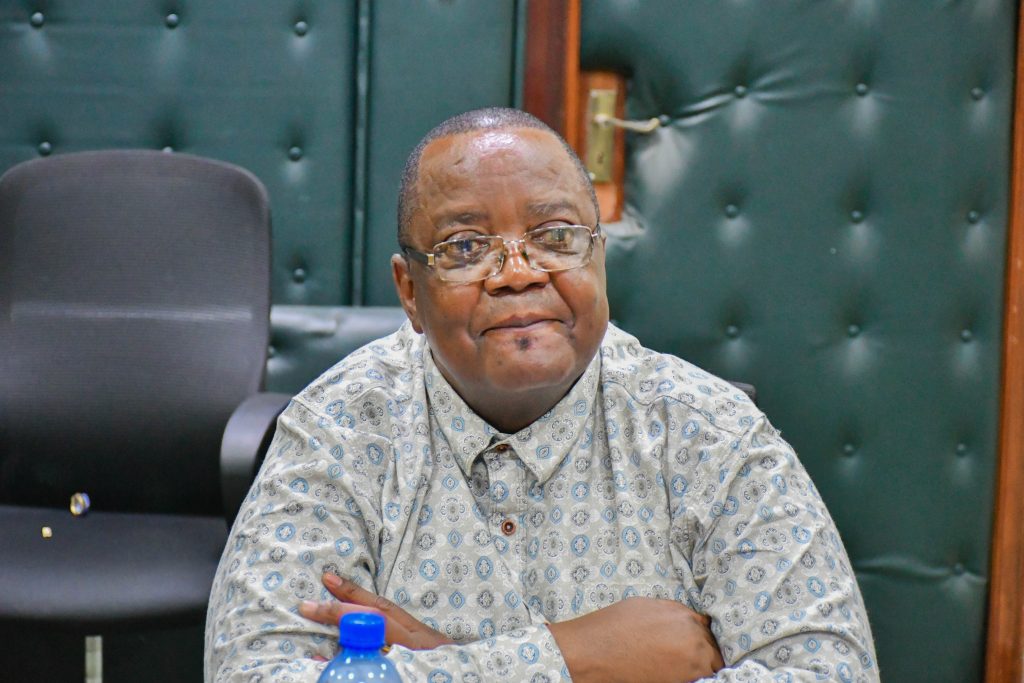
Dr. B.M. Dube – Permanent Secretary, Office of the President and Cabinet, Zimbabwe.
NCI-K Chief Executive Officer, Dr. Elias Melly, welcomed the visitors at NCI-K headquarters in Nairobi and took them through the mandate of the Institute. Key areas of focus and presentation included:
- Institutional Mandate and Governance: A detailed overview of the legal framework and core mandates of the National Cancer Institute of Kenya, including the policies and guidelines developed to aid the national fight against cancer.
- Data Management and Informatics: A comprehensive presentation on the implementation and management of the National Cancer Registry system (NaCaRe), highlighting NCI-K’s approach to data collection, research, and informatics for evidence-based decision-making.
- Public Awareness and Education: Insights into how NCI-K passes information to the public through the Information, Communication, and Education (ICE) department, focusing on prevention, screening, and education awareness.
- Stakeholder Collaboration: A review of NCI-K’s successful strategy for collaborating with national and international stakeholders and partners to facilitate nationwide free cancer screenings.
- Cancer Care Financing and Sustainability: Lessons on how Kenya is managing comprehensive cancer care through the oncology package under the newly established Social Health Authority (SHA), focusing on sustainable financing, accessibility, and ensuring equitable treatment access across the population.
This is a collaborative effort that aims to reduce the cancer burden in Africa through knowledge sharing, a step that will enable the Zimbabwean delegates to gain practical models and lessons learned in organizational structure, policy development, and data-driven cancer control, which will be invaluable as they move forward with establishing their own national institute.
The National Cancer Institute of Kenya is firmly committed to relentlessly reducing the national cancer burden through proper leadership, deepening partner engagements, and robust public education. The Institute has demonstrated its ability as a regional leader in effective cancer management through the development and implementation of comprehensive frameworks, such as the National Cancer Control Strategy, National Cancer Registry system (NaCaRe), Polices, and the Social Health Authority’s Oncology Package.
Leave a Reply