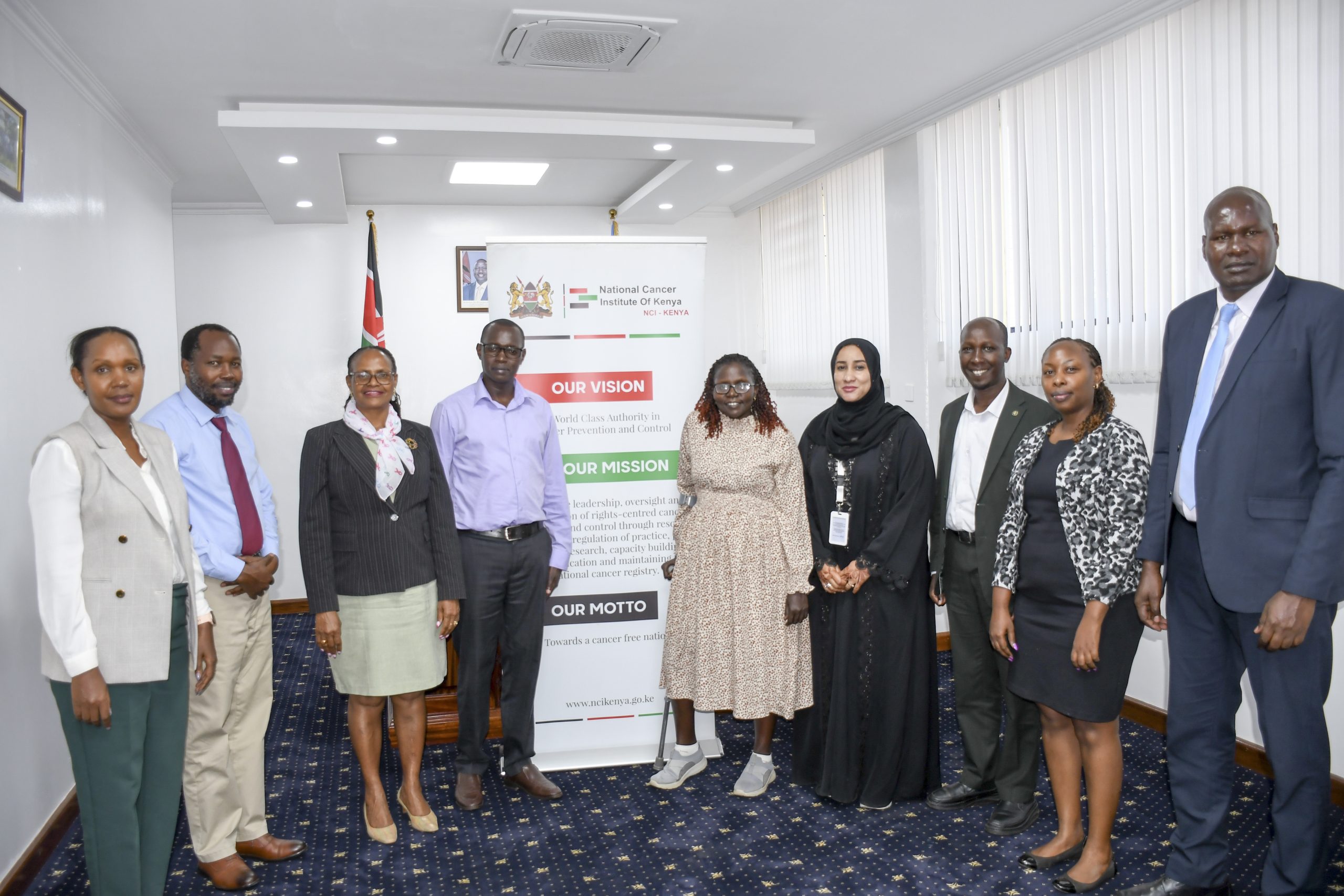
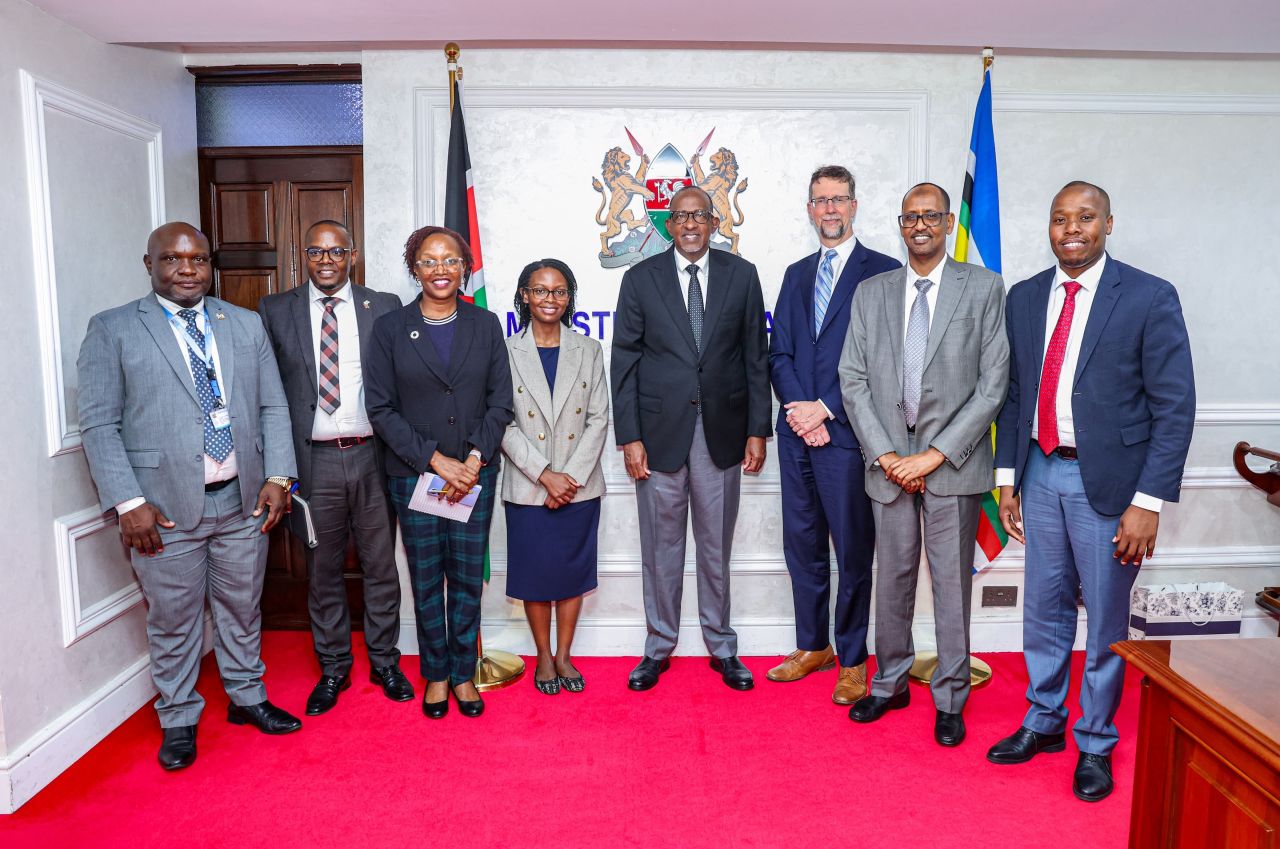
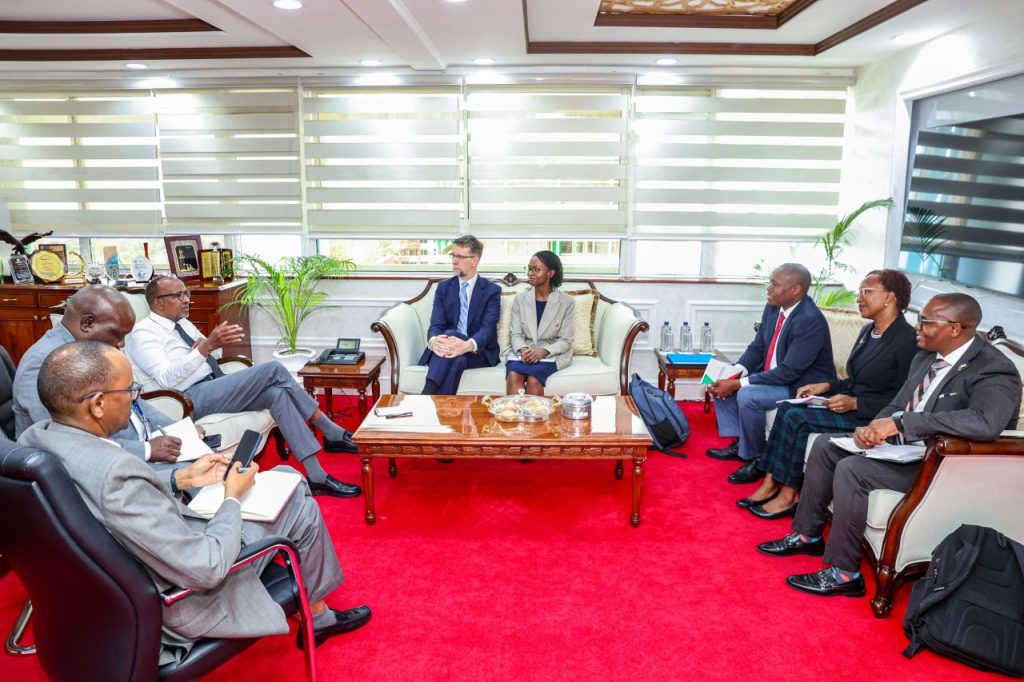
The National Cancer Institute of Kenya (NCI-K) today hosted a team from the AMPATH Flow Cytometry Program (AFCP) for a meeting with the NCI-K leadership. The team was received by the Director of the Cancer Prevention and Control Directorate, Dr. Nashat Fadhloon Noor.
The engagement focused on strengthening collaboration and advancing cancer diagnosis through specialized laboratory technologies, including flow cytometry, which plays an important role in the diagnosis and management of several cancers, particularly haematological malignancies.
Key areas discussed included:
Recognition of flow cytometry as an essential specialized cancer diagnostic service.
Adoption of panel-based reimbursement rather than individual antibody-based reimbursement.
Appropriate reimbursement for immunohistochemistry (IHC) panels.
Development of national technical and quality standards for specialized cancer diagnostics.
Establishment of coordinated specimen-referral pathways.
Recognition of qualified reference laboratories to support testing, training and quality assurance.
The AMPATH delegation included Dr. Teresa Lotodo, Lead Pathologist and Chair, Pathology Department, Moi University & Medical Director, Flow Cytometry Laboratory; Raphael Koima, AFCP Program Manager/Coordinator; Dr. Gilbert Olbara, Lead Clinician and Head of Paediatric Oncology, MTRH; Dr. Ronald Tonui, Director, AMPATH Reference Laboratory; and Nicholas Kigen, Lead Laboratory Scientist, ARL.
The meeting reaffirmed the importance of strategic partnerships, innovation and strengthened diagnostic capacity in improving early and accurate cancer diagnosis and ultimately advancing Kenya’s cancer response.
NCI-K remains committed to building partnerships that strengthen cancer prevention, diagnosis, treatment and care towards a cancer-free nation.
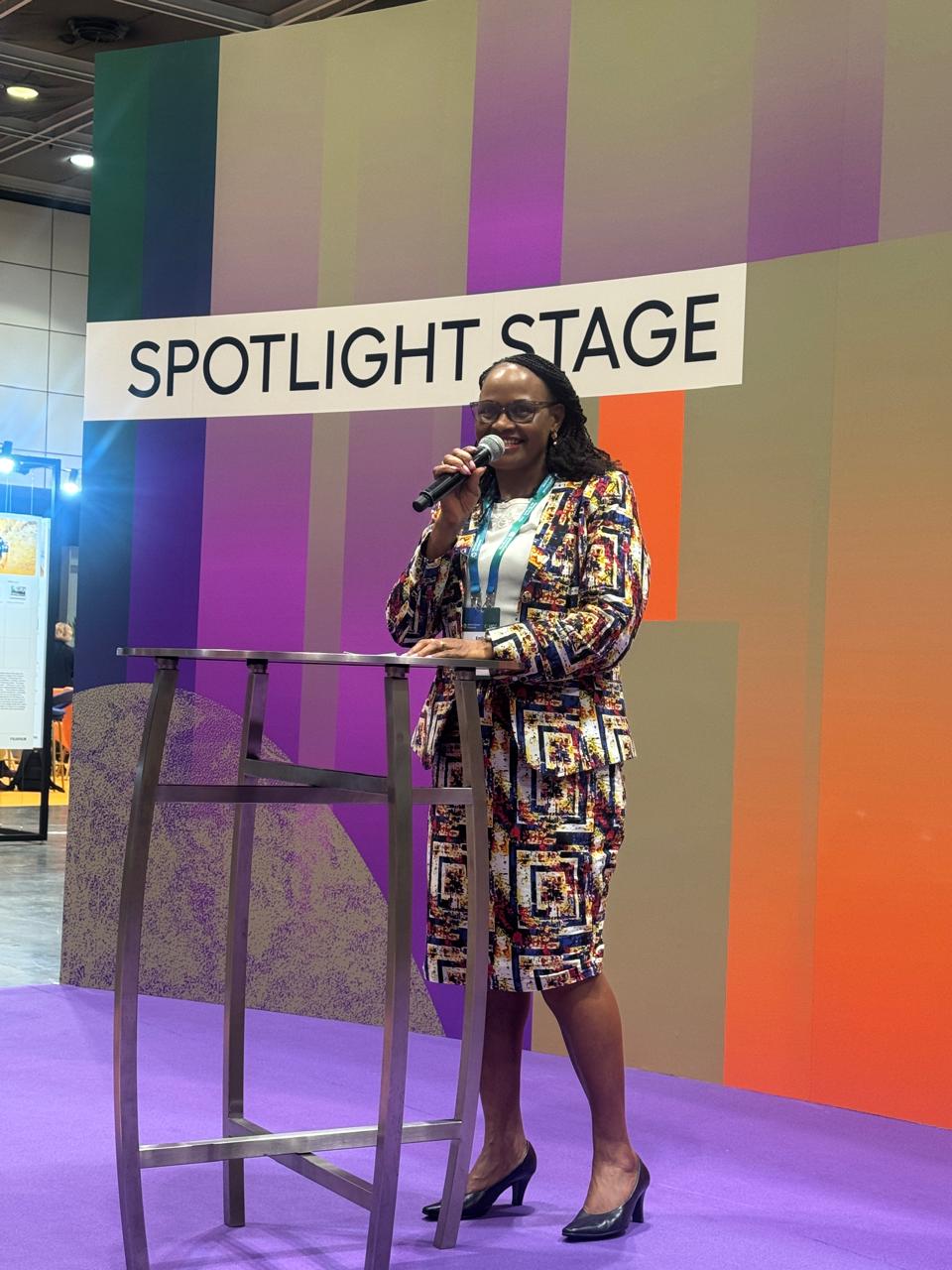
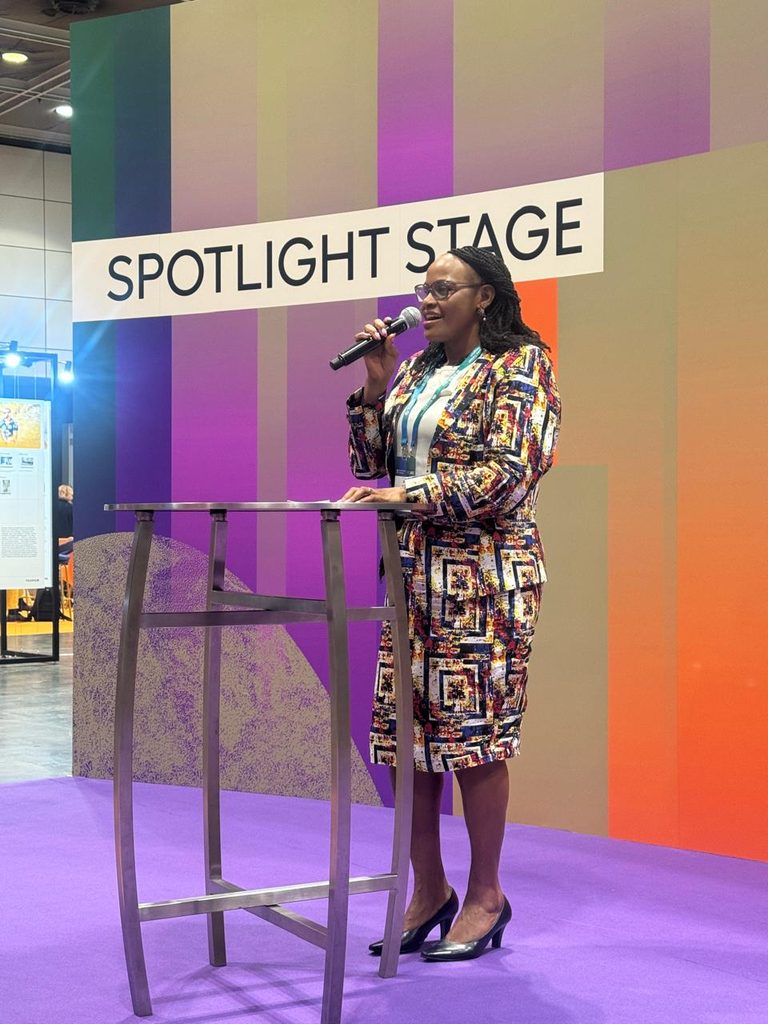
25th September, 2026 – Hong Kong, China — Presenting at the World Cancer Congress 2026, Emily Barsito, the Head of Strategic Planning, Resource Mobilization and Partnerships Directorate at NCI-Kenya, presented Kenya’s progress and experience in strengthening cancer prevention, screening, early detection and access to quality cancer care.
The presentation, “Kenya’s Efforts on Cancer Prevention, Screening, Early Detection and Access to Care,” highlighted the country’s efforts to build a coordinated and equitable national cancer-control system, while drawing lessons that may be relevant to other low- and middle-income countries.
Emily Barsito Presenting on Kenya’s Efforts on Cancer Prevention, Screening, Early Detection and Access to Care.
Strengthening Cancer Prevention through Governance and Policy
Kenya’s response to the growing cancer burden is anchored in the Cancer Prevention and Control Act, 2012, which established the National Cancer Institute of Kenya (NCI-K) to spearhead and coordinate cancer prevention and control nationally.
Through NCI-K and a multisectoral approach, Kenya continues to strengthen leadership and coordination in cancer prevention and control, public information, education and awareness, and implementation of the National Cancer Control Strategy.
Investing in Cancer Prevention
Prevention remains a key pillar of Kenya’s cancer-control efforts.
Public information, education and awareness initiatives are being used to increase knowledge about cancer risk factors, prevention and the importance of screening, while creating demand for early detection services.
Kenya has also strengthened tobacco control as an important public-health intervention, including restrictions on smoking in public spaces to reduce population exposure to tobacco smoke.
HPV Vaccination and Cervical Cancer Prevention
Kenya continues to advance efforts towards the elimination of cervical cancer through HPV vaccination.
More than four million girls aged 9–14 years have been vaccinated through school-based programmes and integration of HPV vaccination into primary healthcare.
This investment in prevention is critical to reducing the future burden of cervical cancer and protecting generations of Kenyan women.
Bringing Screening Closer to Communities
Kenya has integrated cancer screening with primary healthcare (PHC) to improve access to preventive and early-detection services.
The country has also embraced innovative and culturally appropriate approaches to screening and awareness, including reaching underserved and hard-to-reach populations.
Integrating cancer prevention and screening into primary healthcare provides an opportunity to bring services closer to communities and strengthen early detection across the country.
Strengthening Early Detection and Diagnosis
Early diagnosis remains essential to improving cancer outcomes.
Kenya has invested in advanced oncology and diagnostic technologies, including CT, MRI and PET-CT, to strengthen diagnosis, staging and treatment planning.
These investments support the country’s ambition to shift cancer diagnosis from predominantly Stage III and IV disease towards Stage I and II, when treatment can be more effective and outcomes improved.
Decentralising Cancer Care
Access to quality cancer care is being strengthened through the decentralisation of oncology services and the establishment of regional cancer centres capable of providing comprehensive cancer treatment.
This approach is helping reduce geographical disparities and bringing specialised cancer services closer to patients and their families.
Sustainable health financing is equally important. Kenya’s Universal Health Coverage (UHC) agenda and the Social Health Insurance Fund (SHIF) oncology package are intended to reduce the financial burden associated with cancer treatment and protect families from catastrophic health expenditure.
Using Cancer Data to Guide Action
Reliable data is fundamental to effective cancer prevention and control.
Kenya’s National Cancer Registry provides critical information to support evidence-based policy, planning, resource allocation, research and evaluation of cancer-control interventions.
Without reliable data, countries risk making decisions without a clear understanding of where the burden lies, who is affected and where resources are most needed.
Lessons for other Low- and Middle-Income Countries
Kenya’s experience offers several lessons that may be relevant to other countries facing similar challenges:
1. Good governance is essential. Strong leadership, coordination and accountability provide the backbone for resilient cancer-control systems.
2. Prevention is the best investment. Countries should prioritise preventing cancers wherever effective prevention interventions are available.
3. Decentralise cancer care. Bringing services closer to communities can reduce geographical and socioeconomic inequalities in access to care.
4. Integrate cancer services with primary healthcare. Integration provides a practical pathway for expanding prevention, awareness and screening services.
5. Invest in sustainable health financing. Cancer care should be accessible to those who need it, not only to those who can afford it.
6. Build reliable cancer information systems. Cancer data is the lifeblood of effective planning, resource allocation and programme evaluation. Without it, decision-making remains largely blind.
7. Leverage innovation to advance equity. Technology and innovation should be deliberately deployed to expand access, improve quality and address the needs of underserved populations.
A shared commitment to cancer control
Kenya’s experience demonstrates that progress in cancer control requires more than investment in treatment alone. It requires strong governance, prevention, early detection, accessible screening, reliable data, sustainable financing, innovation and equitable access to care.
As countries work towards reducing the growing global cancer burden, sharing experiences and learning from one another can help accelerate progress—particularly in low- and middle-income settings.
Kenya remains committed to strengthening its cancer-control systems and advancing equitable access to prevention, early detection and quality cancer care for all.
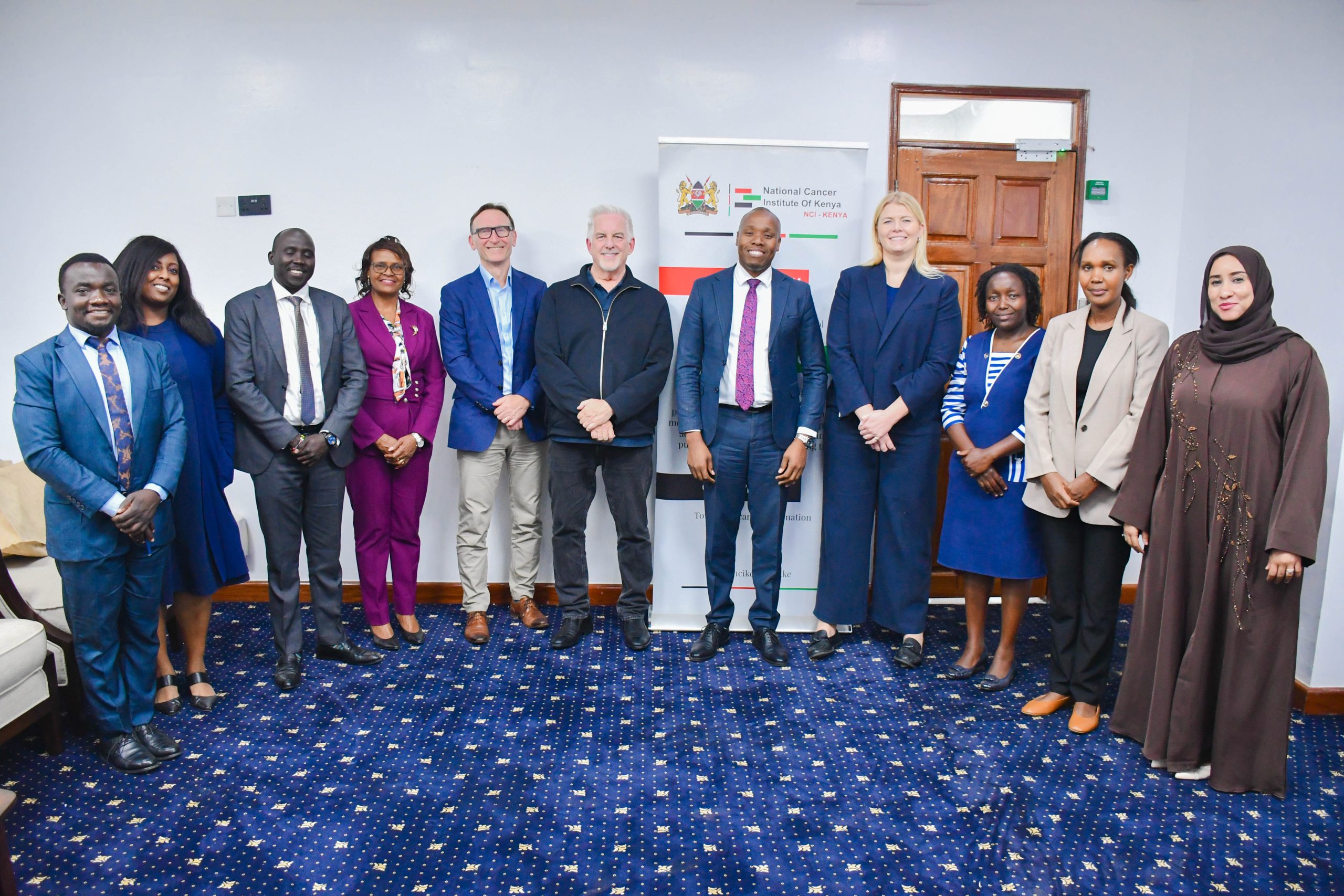
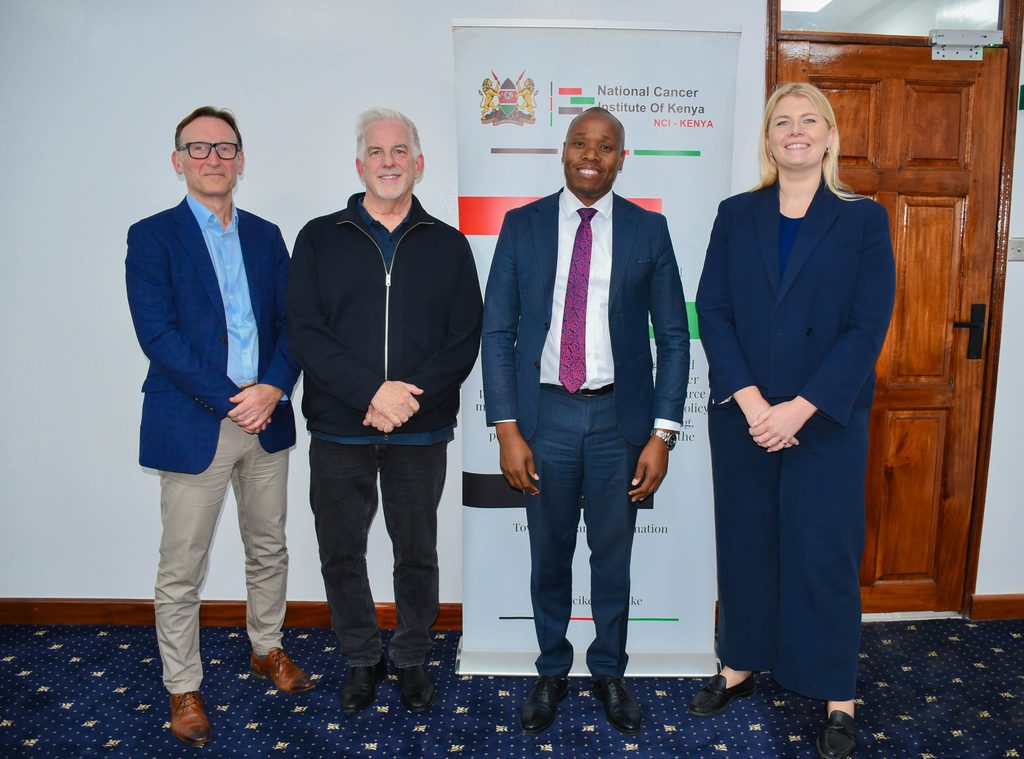
The National Cancer Institute-Kenya (NCI-K) hosted a delegation from the University of Manchester and its cancer research and clinical partners for an engagement focused on strengthening collaboration in cancer research, screening, diagnostics, training, mentorship and capacity building.
The visiting team was received by the NCI-K Chief Executive Officer, Dr. Elias Melly, who highlighted the Institute’s mandate and its ongoing efforts to strengthen cancer control through research, evidence generation, innovation and strategic partnerships.
From left,Professor Sacha Howell – Division of Cancer Sciences; Professor Robert Bristow – Director, Manchester Cancer Research Centre; Dr. Elias Melly, CEO, NCI-k and Rachel Chown — Associate Director, Integrated Research and Education Strategy, The Christie NHS Foundation Trust.
During the visit, the delegation was briefed on the National Cancer Registry, including cancer data collection, analysis and reporting in Kenya. The team also received a presentation on the NCI-K Cancer Data Dashboard, showcasing the latest available 2024 cancer data and its role in informing cancer planning, policy, research and service delivery.
The delegation was further taken through research projects supported by NCI-K through its Seed Grant Programme, highlighting the Institute’s commitment to promoting locally relevant research and building Kenya’s cancer research capacity.
Exploring Areas of Strategic Collaboration
Discussions focused on areas where the complementary strengths of NCI-K and the Manchester cancer research ecosystem could support advances across the cancer care and research continuum.
A key area was breast cancer screening and imaging, including strengthening national mammography services, improving screening uptake in rural and urban settings, and exploring the application of artificial intelligence and machine learning in mammographic image interpretation and cancer detection.
The teams also explored opportunities for collaboration in lung cancer screening, with a focus on generating evidence to inform appropriate screening approaches and strengthening early detection.
Other areas identified included histopathology and diagnostic capacity, particularly through assessing skills gaps and developing targeted approaches to strengthen specialist expertise, laboratory capacity and cancer diagnostics.
Strengthening Training, Fellowships and Mentorship
The engagement also explored opportunities for fellowships, mentorship and structured training programmes for Kenyan researchers and healthcare professionals. Discussions included the development of online learning modules, short-term training programmes and other flexible professional development opportunities.
These areas align with Manchester’s established strength in cancer education, clinical research and workforce development. The Manchester Cancer Research Centre brings together The University of Manchester, The Christie NHS Foundation Trust and Cancer Research UK, creating an integrated environment in which basic science, translational research and clinical practice are closely connected. The Centre’s research strategy spans multiple cancer types and links basic, translational and clinical research through a wider network of externally funded institutes, centres and research programmes.
Genomics, AI and Precision Cancer Research
The discussions further identified opportunities for joint research in genomics, artificial intelligence and machine learning, including the use of advanced technologies to improve cancer diagnosis, understand disease biology and support data-driven cancer research.
Manchester has significant expertise in cancer genomics and data science, with ongoing international research programmes examining the genetic basis of cancer and opportunities to improve early detection and treatment. Importantly, Manchester already has an active research collaboration in Kenya on oesophageal cancer, led by Professor Rob Bristow in partnership with Kenyan researchers, focusing on early detection and the genetic changes associated with oesophageal squamous cell cancer.
The teams also discussed opportunities to explore the application of AI in research methodologies, including innovative approaches to study design and participant randomisation.
The engagement highlighted the potential for NCI-K and Manchester to build on complementary strengths: NCI-K’s national cancer data, research mandate and understanding of Kenya’s cancer landscape, alongside Manchester’s expertise in cancer genomics, precision oncology, imaging, artificial intelligence, clinical research, translational science, education and multidisciplinary cancer care.
The Manchester Cancer Research Centre is a world-leading comprehensive cancer research partnership, bringing together scientists, clinicians and research institutions to accelerate the translation of discoveries into improved cancer prevention, diagnosis and treatment. Its strong international outlook and existing collaborations in Kenya provide a valuable foundation for expanding research and capacity-building partnerships.
NCI-K and the University of Manchester will continue discussions to translate the areas identified into practical programmes that can contribute to strengthening cancer research, innovation, early detection, diagnostics, workforce development and cancer control in Kenya.
University of Manchester Delegation
The delegation included:
Rachel Chown — Associate Director, Integrated Research and Education Strategy, The Christie NHS Foundation Trust. Rachel previously served at the Manchester Cancer Research Centre, where she led training and education and supported international links, academic collaborations, and research-related education programmes.
Professor Robert Bristow — Director, Manchester Cancer Research Centre (MCRC); Director, Cancer Research UK Manchester Centre; University Professor of Cancer Studies, University of Manchester; and Senior Group Leader in Translational Oncogenomics at the Cancer Research UK Manchester Institute. Professor Bristow’s research includes cancer genomics, tumour biology, DNA damage and repair, and treatment response.
Professor Sacha Howell is a professor in the Division of Cancer Sciences at the University of Manchester and a leading breast cancer clinician-researcher. His research focuses on breast cancer treatment and prevention, breast cancer risk prediction, imaging and mammographic density, with links to research in artificial intelligence and mammographic imaging.
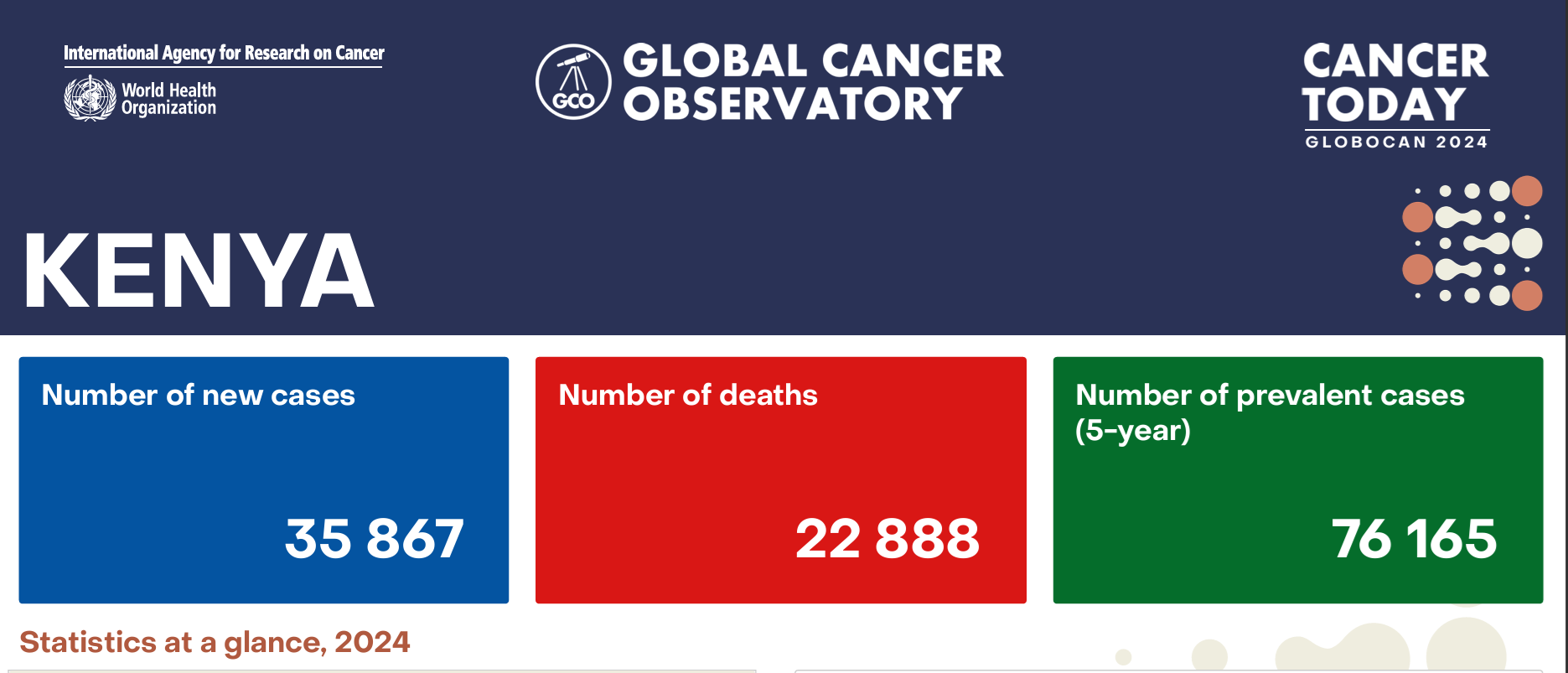
Nairobi, Kenya – The latest Global Cancer Observatory (GLOBOCAN) 2024 estimates indicate that 35,867 new cancer cases are diagnosed annually in Kenya, while 22,888 people die from the disease each year. The report also estimates that 76,165 people are living with cancer within five years of diagnosis. Compared to the GLOBOCAN 2022 estimates, the 2024 report reflects lower estimated numbers of new cancer cases, cancer-related deaths, and five-year prevalence. However, cancer remains a significant public health challenge, stressing the need for sustained investment in prevention, early detection, diagnosis, treatment, research, and palliative care.
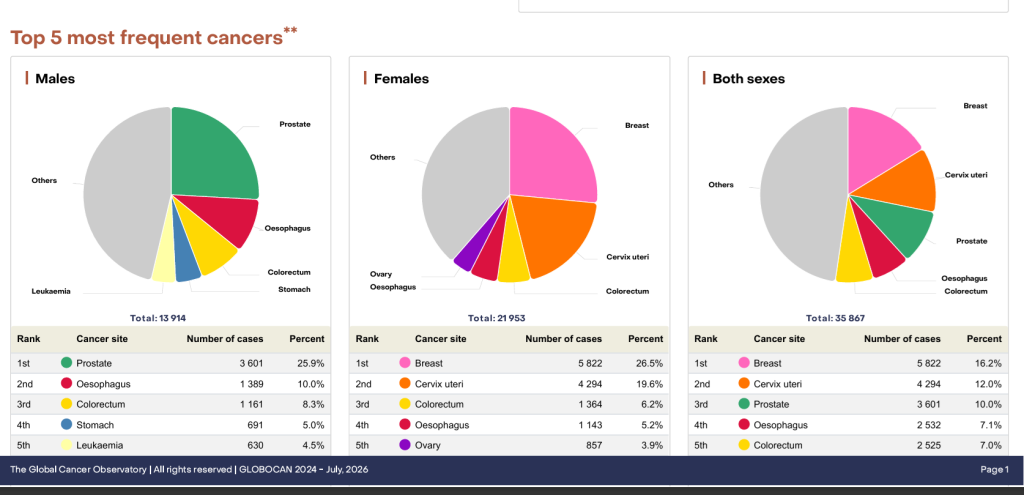
According to the report, breast cancer remains the most commonly diagnosed cancer in Kenya, accounting for 5,822 new cases (16.2%), followed by cervical cancer with 4,294 cases (12.0%), prostate cancer with 3,601 cases (10.0%), oesophageal cancer with 2,532 cases (7.1%), and colorectal cancer with 2,525 cases (7.0%).
The report also highlights the leading causes of cancer-related deaths. Breast cancer remains the leading cause of cancer mortality, claiming 2,882 lives annually, followed by cervical cancer (2,606 deaths), oesophageal cancer (2,353 deaths), prostate cancer (2,199 deaths), and colorectal cancer (1,481 deaths).
Among men, prostate cancer continues to be the most commonly diagnosed cancer, accounting for 3,601 new cases (25.9%), followed by oesophageal, colorectal, stomach, and leukaemia. Among women, breast cancer remains the leading cancer with 5,822 new cases (26.5%), followed by cervical cancer, colorectal cancer, oesophageal cancer, and ovarian cancer.
The findings reaffirm the urgent need to strengthen Kenya’s cancer control efforts through enhanced public awareness, timely screening, early diagnosis, equitable access to quality treatment, palliative care, and sustained investment in cancer research. Early detection remains one of the most effective strategies for improving survival rates and reducing cancer-related deaths.
The National Cancer Institute of Kenya (NCI-K) continues to coordinate the implementation of the National Cancer Control Strategy 2023–2027, which provides a comprehensive framework for reducing the country’s cancer burden through five strategic pillars: cancer prevention and early detection; diagnosis, treatment and palliative care; governance and financing; cancer registration, surveillance and research; and monitoring, evaluation, and strategic information.
While Kenya has made significant progress in expanding access to cancer services, strengthening county cancer programmes, improving cancer surveillance, and fostering strategic partnerships, the latest GLOBOCAN estimates demonstrate that cancer remains a major public health challenge requiring increased investment and a whole-of-society response.
NCI-K calls upon all Kenyans to prioritize healthy lifestyles, participate in recommended cancer screening programmes, seek medical attention promptly for persistent symptoms, and support national efforts aimed at reducing the burden of cancer. The Institute also urges continued collaboration among government, county governments, healthcare providers, development partners, academia, the private sector, and communities to accelerate progress towards a future where fewer Kenyans are diagnosed with cancer and more survive the disease.
The GLOBOCAN 2024 estimates, published by the International Agency for Research on Cancer (IARC), provide the latest global and country-specific cancer incidence and mortality statistics and serve as an important resource for informing cancer control planning, policy development, and resource allocation.
The Chief Executive Officer of the National Cancer Institute of Kenya (NCI-K), Dr. Elias Melly, joined the Cabinet Secretary for Health, Hon. Aden Duale, during a strategic engagement at Afya House with Prof. Eric Ford, Director and Vice-Chair of Medical Physics at the University of Washington and member of Bio Ventures for Global Health (BVGH), aimed at accelerating the transformation of Kenya’s cancer care system under the Universal Health Coverage agenda.
Health CS, Hon. Aden Duale, leading the meeting.
The discussions focused on the growing role of AI-enabled technologies, including systems already in use at Kenyatta National Hospital, in improving diagnostic precision, strengthening clinical decision-making, and enhancing efficiency in oncology care delivery.
The meeting also explored expansion of radiotherapy services, strengthening referral linkages between national and regional cancer centres, digital learning platforms for specialized oncology training, early cancer detection through community health systems, and improved access to essential oncology medicines.
The engagement reaffirmed a shared commitment to practical, technology-driven solutions that improve access, quality, and equity in cancer care delivery across the country. The Cabinet Secretary was joined by Dr. Stephen Muleshe, Director of Public Health and Sanitation, Dr. Isaak Bashir, Director of Family Health, and other senior Ministry of Health officials.
The National Cancer Institute of Kenya (NCI-K) is participating in the ongoing IARC@60 Conference taking place from 19th to 21st May 2026 in Lyon, France.
Held at the International Agency for Research on Cancer (IARC) and La Halle Tony Garnier, the conference has brought together experts, researchers, policymakers, and global health leaders from around the world to launch a bold new era in cancer prevention and control by translating scientific advances into impactful public health action.
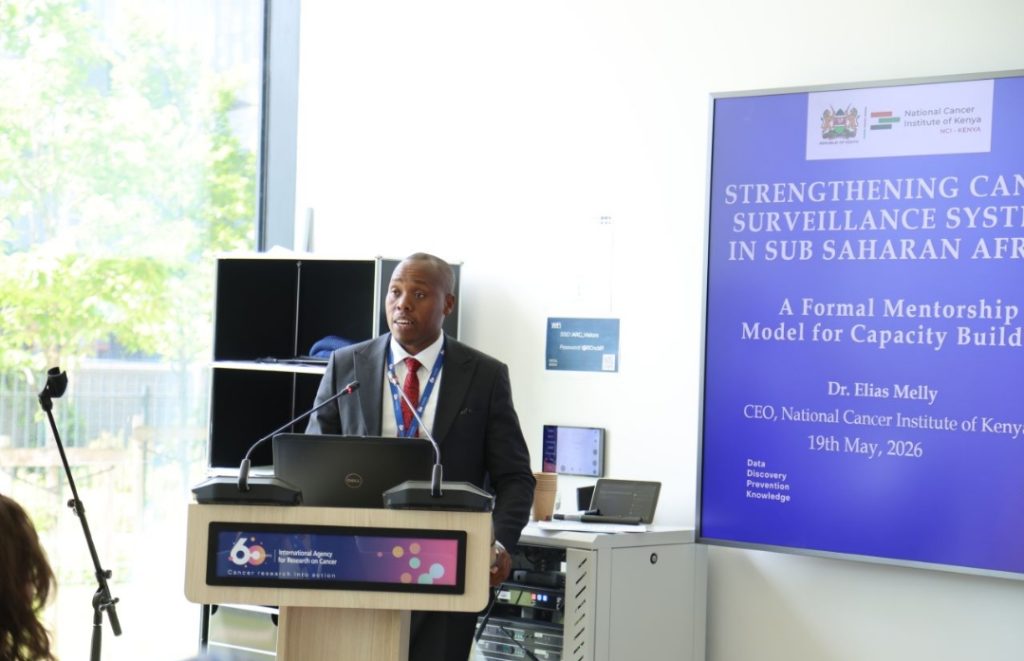
During the conference, Dr. Elias Melly, Chief Executive Officer of the National Cancer Institute of Kenya, delivered a presentation titled:
“Strengthening Cancer Surveillance Systems in Sub-Saharan Africa: A Formal Mentorship Model for Capacity Building.”
The presentation emphasized the urgent need to strengthen Population-Based Cancer Registries (PBCRs), develop sustainable local expertise, and build resilient cancer surveillance systems across Sub-Saharan Africa to support evidence-based policy and decision-making.
Dr. Elias Melly Delivering a Presentation at the IARC@60 Conference.
The IARC@60 Conference, themed “Cancer Research into Action,” is celebrating six decades of scientific excellence and global collaboration in cancer research while looking ahead to the future of cancer prevention and control. The conference highlights the transformative power of science in shaping healthier societies through data-driven policies, the discovery of emerging risk factors, and the strengthened communication of scientific evidence.
The three-day conference is structured around three key themes:
Discovery and Innovation for Cancer Prevention
Translating Research into Public Health Action
Science-Policy Interface for Global Change
NCI-Kenya remains committed to advancing evidence-based cancer control, strengthening regional and global partnerships, and supporting robust data systems necessary to guide cancer policy, prevention, treatment, and research across Africa.
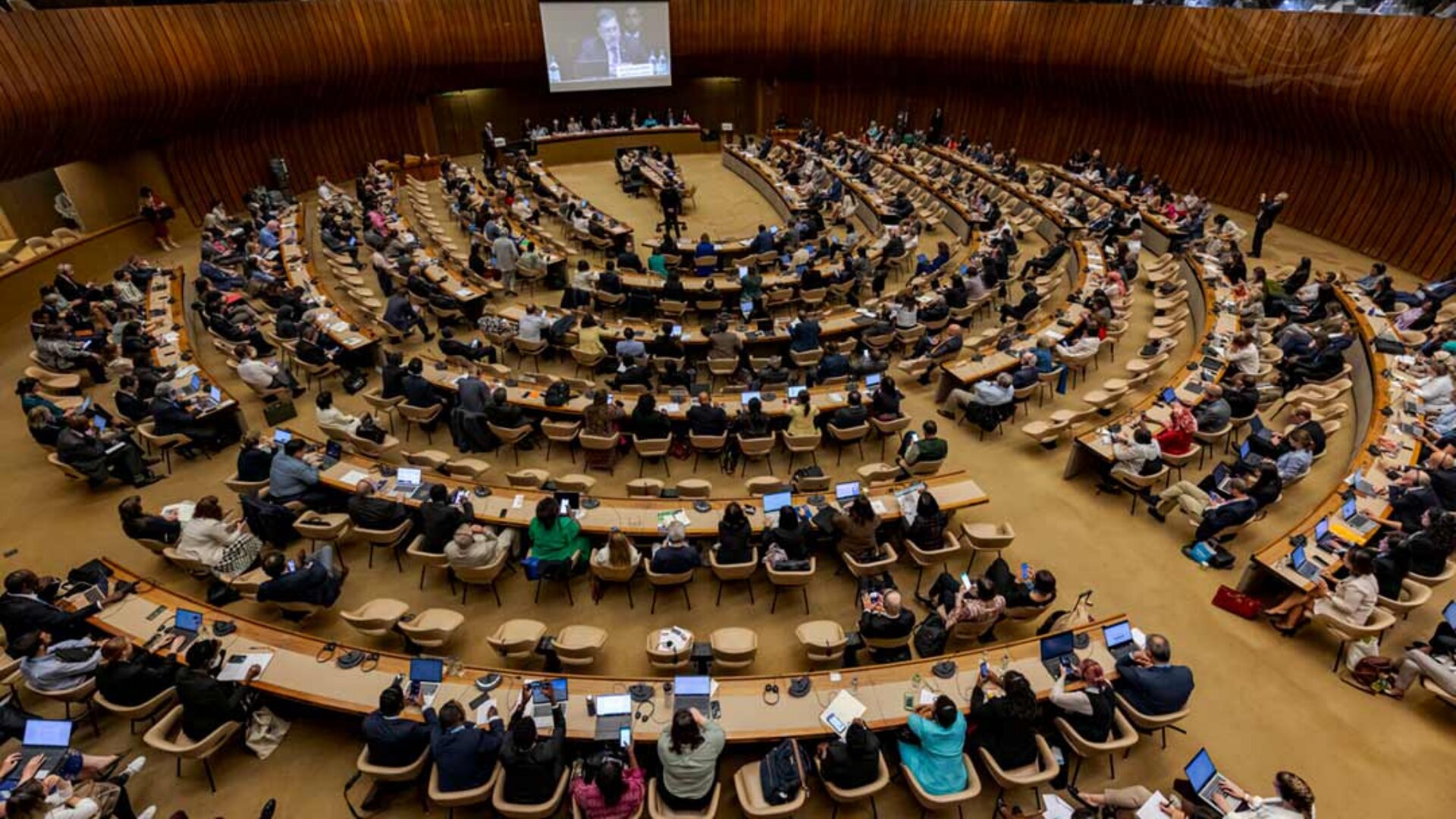
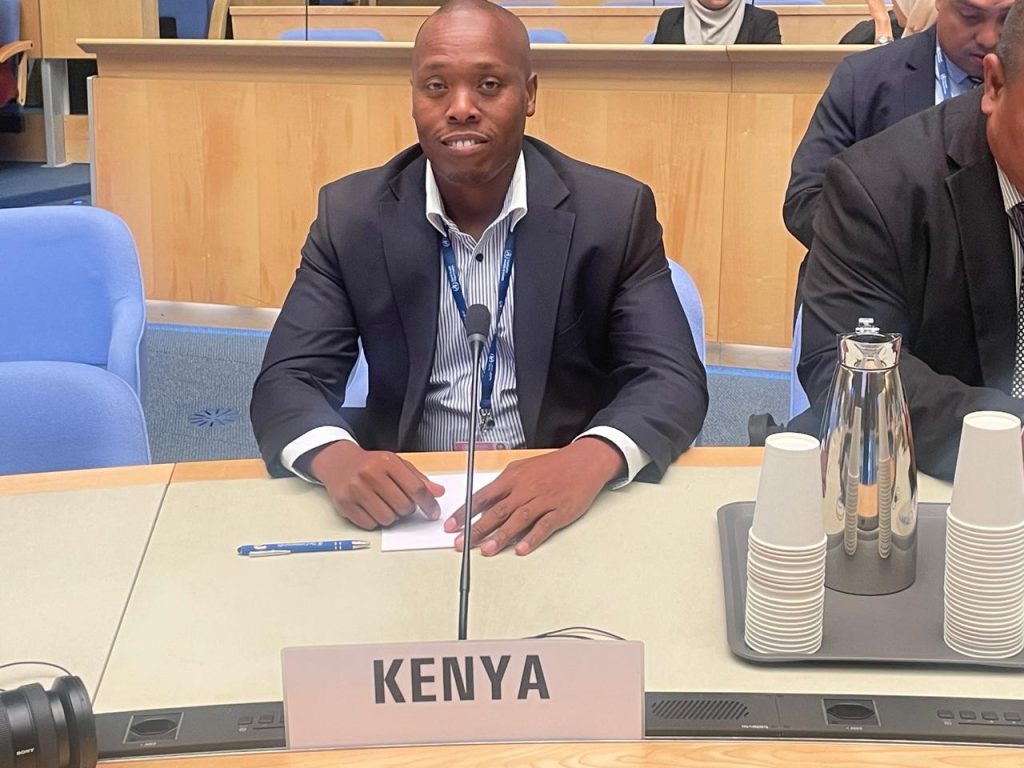
Dr. Elias Melly, Chief Executive Officer of the National Cancer Institute of Kenya (NCI-K), is representing Kenya at the inaugural Commonwealth Health Coordination Forum (CHCF) on the cancer agenda taking place in Geneva ahead of the 79th World Health Assembly.
Held under the theme, “Shaping the Future of Cancer Across the Commonwealth,” the forum brings together Health Ministers, senior government officials, chief medical officers, global health leaders, Commonwealth Accredited Organizations, and strategic partners from across the Commonwealth to discuss the future of cancer prevention, treatment, research, and care.
The inaugural CHCF, chaired by the Government of Guyana and led by H.E. Leslie Ramsammy, former Minister of Health and Permanent Representative of Guyana to the United Nations Office, is responding to the findings of the Lancet Oncology Commission on Cancer in the Commonwealth. The discussions are expected to shape the Commonwealth’s collective cancer agenda for years to come.
Dr. Elias Melly, CEO of the National Cancer Institute of Kenya, at the Commonwealth Health Coordination Forum.
The forum aligns with the 79th World Health Assembly agenda on non-communicable diseases (NCDs), Universal Health Coverage, the Immunization Agenda 2030, Kenya’s Vision 2030, and the Economics of Health for All.
As Kenya’s representative, Dr. Melly is participating in high-level engagements focused on strengthening collaboration & partnerships, advancing equitable access to cancer care, and promoting coordinated global action in addressing the growing burden of cancer across Commonwealth countries.
To share country experiences and best practices, and identify scalable solutions with particular attention to small and other vulnerable states
To support member countries in engaging with NCDs and cancer ahead of and during the WHA
To explore potential collaboration among member countries, Commonwealth Accredited Organisations, and other international financial and development partners on financing the cancer agenda in the Commonwealth
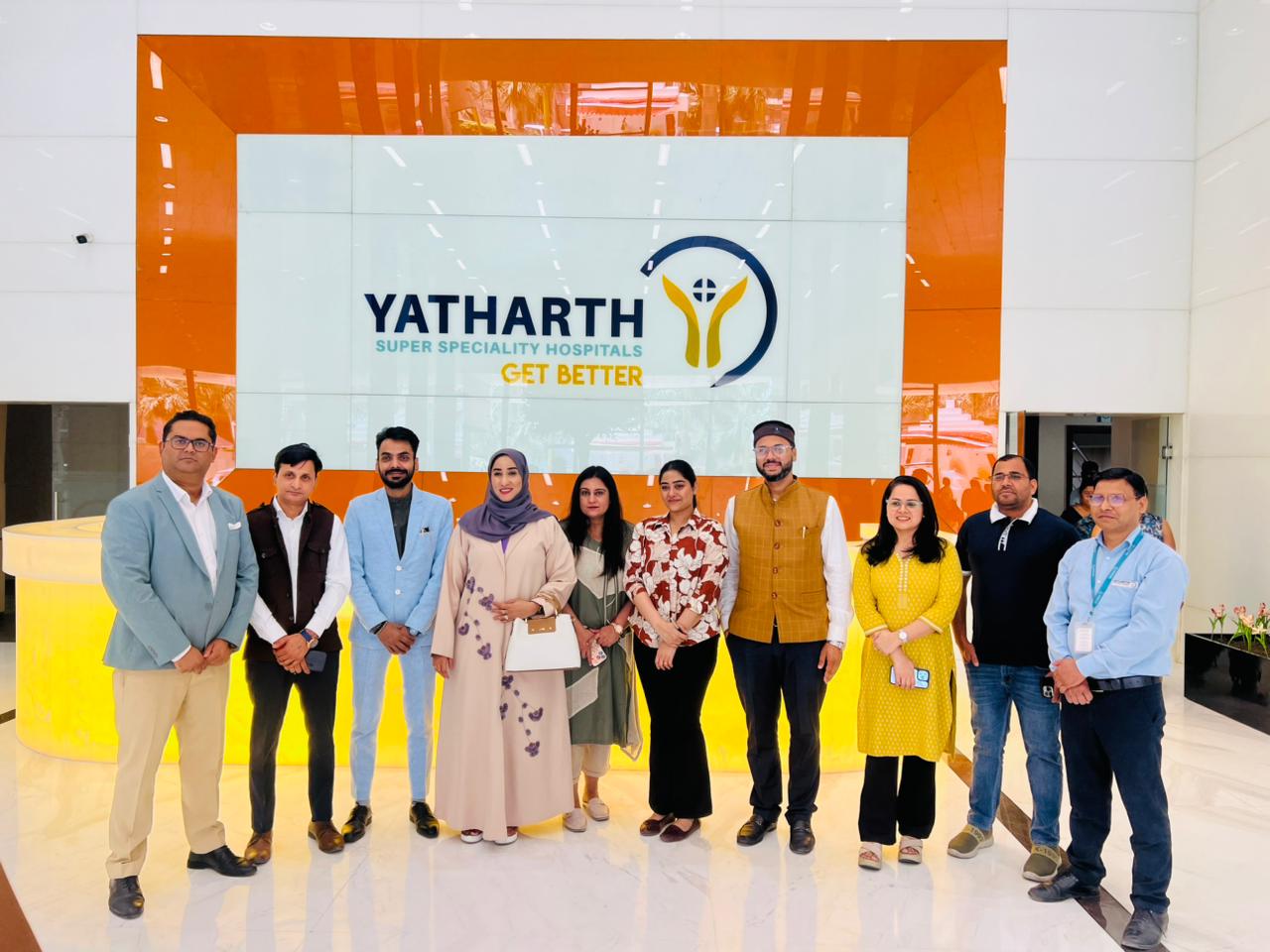
The National Cancer Institute of Kenya (NCI-K) has embarked on a strategic collaboration with Yatharth Group of Hospitals (India), OLCURE, a digital healthcare platform, Fortis Cancer Institute, and Max Hospital, forming a strong multi-institutional network dedicated to improving outcomes for cancer patients in Kenya.
NCI-K, represented by Dr. Nashat Fadhloon Noor, Ag. Head of Cancer Prevention and Control, held a working meeting in India to formalize the partnership and outline priority areas of cooperation, including enhancement of cancer care delivery, digital health integration, and specialist capacity building, as well as to broaden cooperation in cancer management and innovation.
Representatives from the Yatharth Group of Hospitals, Fortis Cancer Institute, Max Hospital, OLCURE, and NCI-K.
Key Areas of Collaboration
1. Enhancing Patient Care & Referral Pathways
The partnership aims to establish a structured international patient support system that enables:
Streamlined referral and coordination for complex cancer cases
Dual-doctor teleconsultations involving Kenyan specialists and Indian oncology experts
Clinical case validation before international treatment
Clear pathways for patients requiring advanced tertiary or quaternary care
This collaborative framework ensures that Kenyan patients benefit from high-quality, timely, and well-coordinated care.
2. Strengthening Digital & Telehealth Integration
OLCURE will support the partnership as the central digital coordination platform, enabling:
Video consultations and multidisciplinary tumor board discussions
EMR-linked digital case management
Patient journey monitoring and follow-up
A unified telehealth ecosystem connecting Kenyan and Indian specialists
This digital approach increases efficiency, reduces delays, and enhances specialist collaboration.
3. Capacity Building for the Kenyan Oncology Workforce
The collaborating institutions—Yatharth, Fortis, and Max—will work with NCI-K to build local capacity through:
Oncology training and skills-transfer programs
Short-term observerships and fellowships
Online CME sessions delivered via OLCURE
Joint academic, clinical, and research initiatives
This will empower Kenyan oncology professionals with exposure to advanced techniques and technologies.
4. Advanced Training, Observerships & Fellowships
Indian partner hospitals will open opportunities for:
Certification programs in clinical and digital health
Robotic surgery training
Cross-specialty surgical and medical oncology skills development
Hands-on training in head and neck cancer surgery and other critical subspecialties
These programs enhance Kenya’s capacity to manage complex cancers locally.
5. Joint Clinical Outreach Programs
The institutions will collaborate with NCI-K to conduct:
OPD outreach camps in Kenya led by visiting Indian specialists
Joint specialty clinics
Planned surgical camps
These outreach efforts will expand access to specialist care across underserved communities.
Strengthening Kenya’s Cancer Care Ecosystem Through Collaboration
The expanded partnership between NCI-K, Yatharth Group of Hospitals, Fortis Cancer Institute, Max Hospital, and OLCURE marks a major step toward transforming cancer care delivery in Kenya.
NCI-K remains committed to forging strategic global partnerships that support prevention, early detection, treatment, and improved cancer outcomes for all Kenyans.
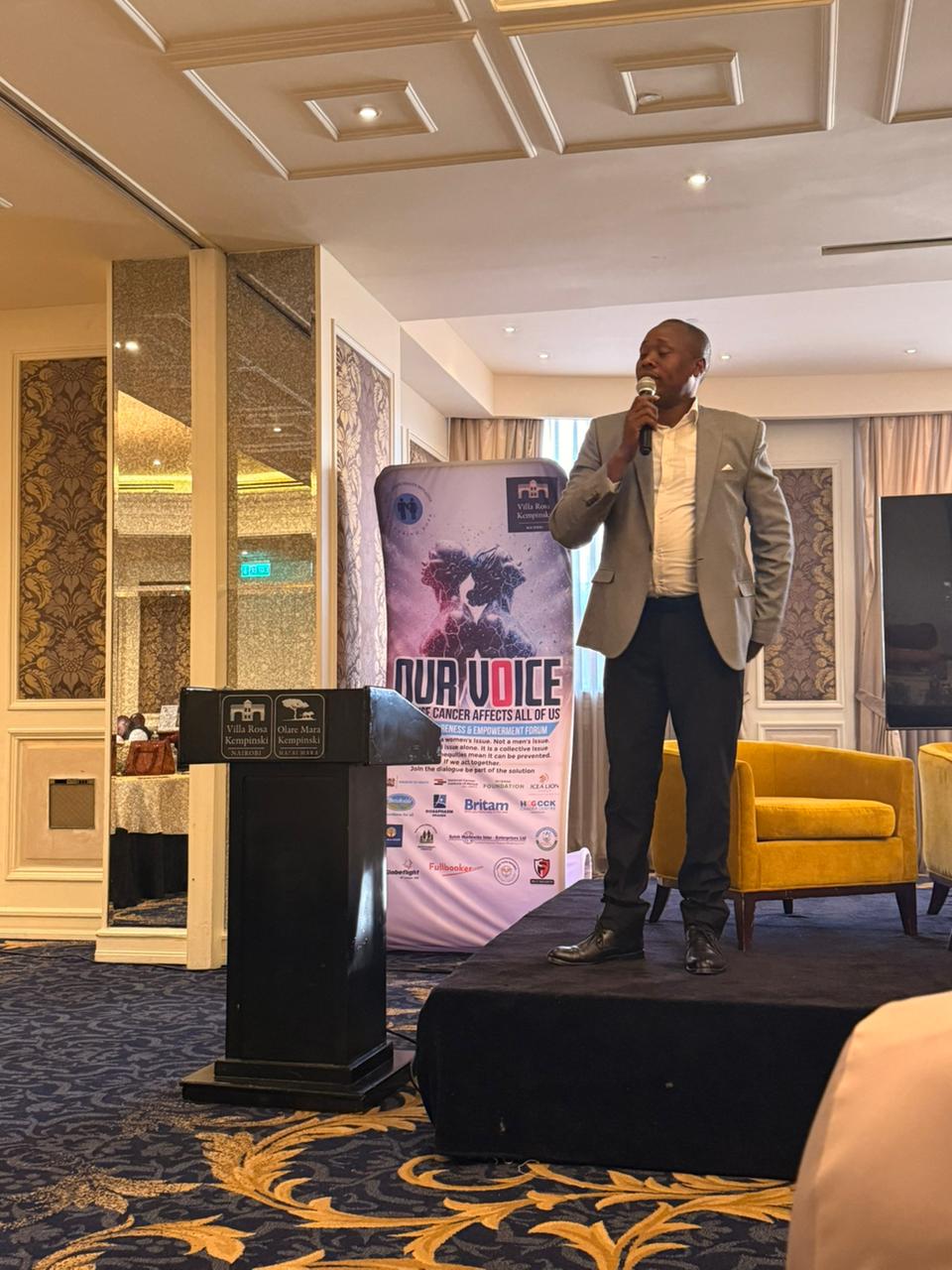
The Chief Executive Officer of the National Cancer Institute of Kenya (NCI-K), Dr. Elias Melly, yesterday delivered a keynote address at the “Our Voice” Cancer Awareness and Empowerment Forum, organized by the Needy Cancer Health Initiative. The forum brought together various stakeholders in the industry, survivors, advocates, health professionals, and community leaders to strengthen public awareness and promote empowerment in the fight against cancer in Kenya.
In his remarks, Dr. Melly reaffirmed the central role of the National Cancer Institute of Kenya in coordinating the country’s response to cancer prevention and control. Established under the Cancer Prevention and Control Act, NCI-Kenya provides leadership, oversight, and coordination of cancer programs across the country, including prevention, early detection, treatment, research, training, and public awareness initiatives. The Institute also advises the government on priorities on cancer control and works with partners to expand access to quality cancer services across all counties.
Dr. Melly highlighted the government’s efforts to strengthen cancer financing through the Social Health Authority (SHA). He noted that the enhanced oncology benefit package now provides up to KSh 800,000 per patient annually for cancer care through the Social Health Insurance Fund and the Emergency, Critical and Chronic Illness Fund. This investment represents a major step toward reducing the financial burden of cancer treatment for Kenyan families and ensuring more equitable access to life-saving care.
He urged Kenyans to enroll in the national health insurance program to safeguard themselves against the high costs associated with cancer treatment, emphasizing that universal health coverage remains a key pillar in the national response to cancer.
The CEO emphasized the importance of research in improving cancer prevention, diagnosis, and treatment outcomes. Through its Research and Data Informatics Directorate, NCI-Kenya supports cancer research initiatives across the country and collaborates with local and international institutions to generate evidence that informs policy and clinical practice. Research plays a critical role in understanding Kenya’s unique cancer patterns and developing interventions tailored to the country’s needs.
Dr. Melly also highlighted the significance of the National Cancer Registry, which operates under NCI-Kenya and serves as the country’s official source of cancer data. The registry collects, analyzes, and disseminates information on cancer incidence and trends, enabling policymakers, researchers, and health planners to make evidence-based decisions. Accurate cancer data is essential for planning prevention programs, allocating resources, and evaluating the effectiveness of interventions.
In closing, Dr. Melly called for stronger collaboration among government agencies, civil society organizations, researchers, and communities to intensify cancer awareness, prevention efforts, and the dissemination of correct information. He emphasized that early detection, vaccination, screening, and healthy lifestyles remain the most powerful tools in reducing the burden of cancer in Kenya.
“The fight against cancer requires a united effort,” he said. “Through awareness, research, strong health systems, and sustainable financing mechanisms, we can significantly reduce the cancer burden and ensure that every Kenyan has access to quality cancer care.”
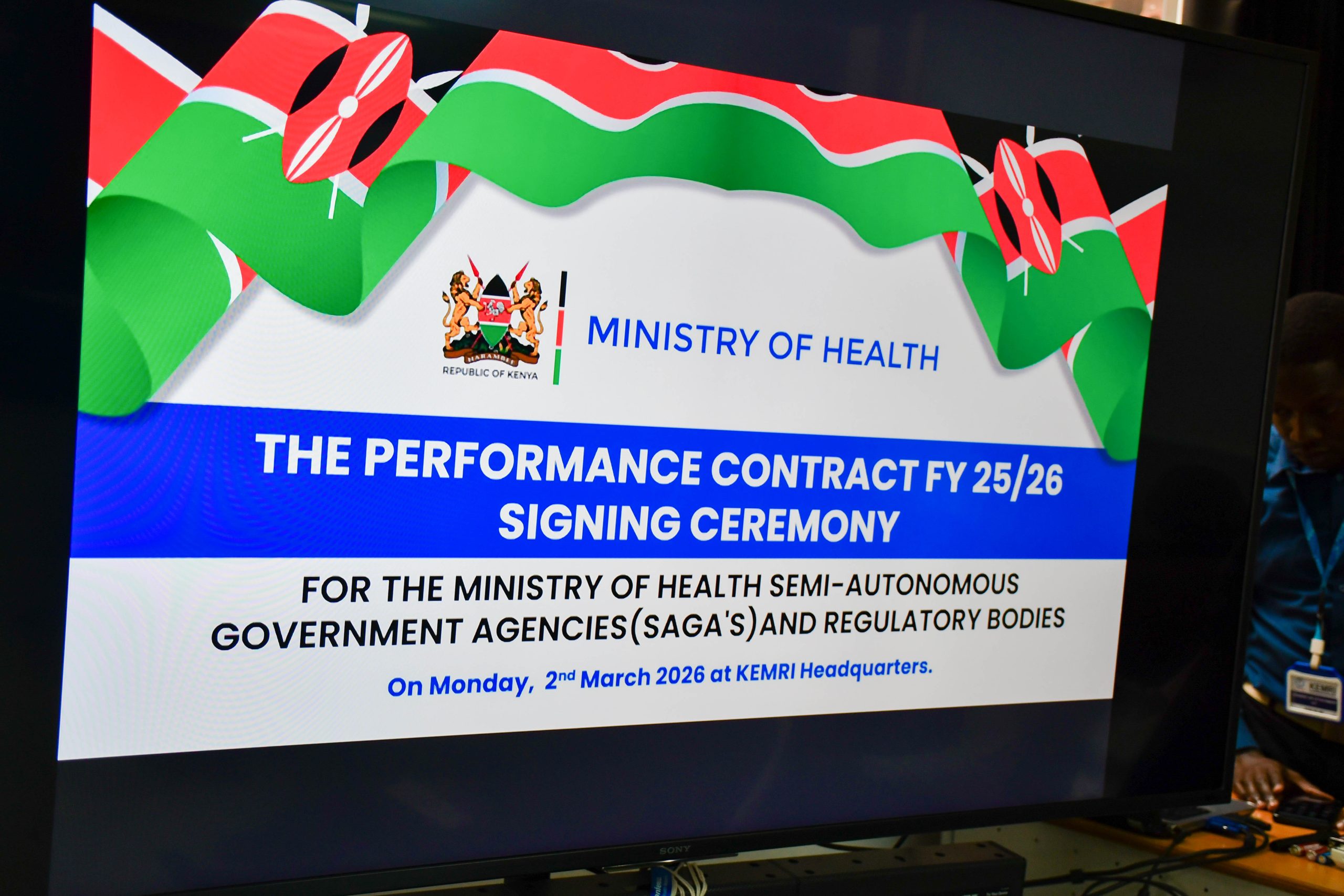
Today, the National Cancer Institute of Kenya (NCI-K) participated in the FY 2025/2026 Performance Contract Signing Ceremony for the Ministry of Health Semi-Autonomous Government Agencies (SAGAs) and Regulatory Bodies. The ceremony, held at the Kenya Medical Research Institute (KEMRI) Headquarters, brought together senior leadership from across the health sector.
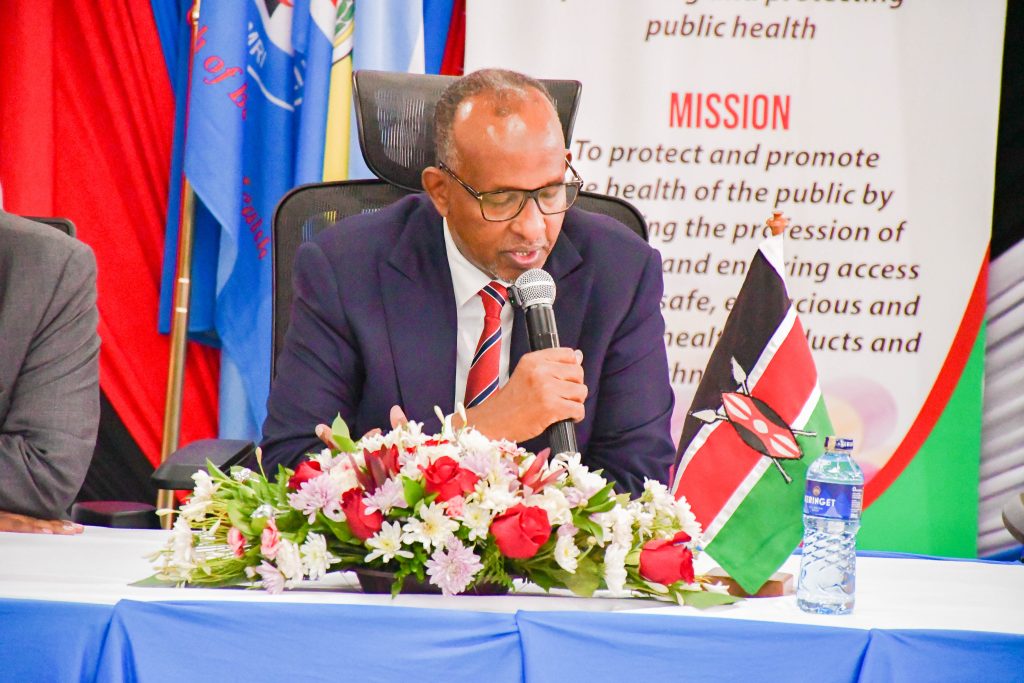
The event was chaired by the Cabinet Secretary for Health, Hon. Aden Duale, EGH, and was attended by Principal Secretaries Dr. Ouma Oluga and Ms. Mary Muthoni, who accompanied the CS. Also present was Ahmed Abdisalan Ibrahim, Principal Secretary, State Department for National Government Co-ordination in the Office of the Prime Cabinet Secretary.
Health CS, Hon. Aden Duale, during the signing of the 2025/26 Performance Contract for MoH SAGAs.
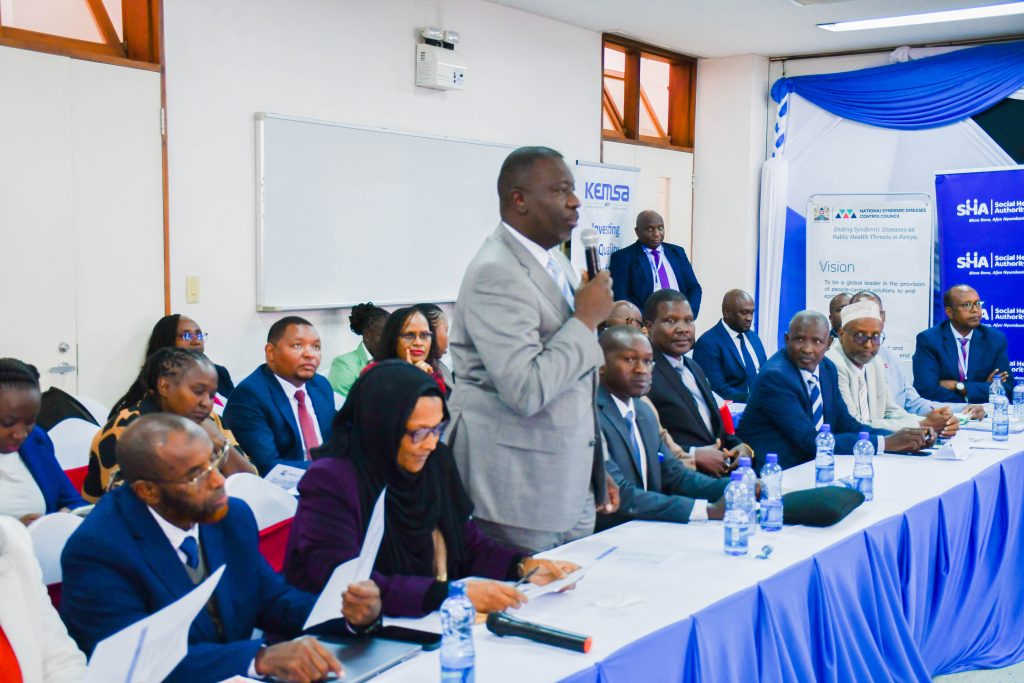
In his remarks, PS Ahmed commended the Ministry of Health SAGAs for their commendable performance, while urging leadership to remain focused and committed to continuous improvement. He emphasized that performance is about service delivery, accountability, measurable improvement, and the determination to move institutions to the next level.
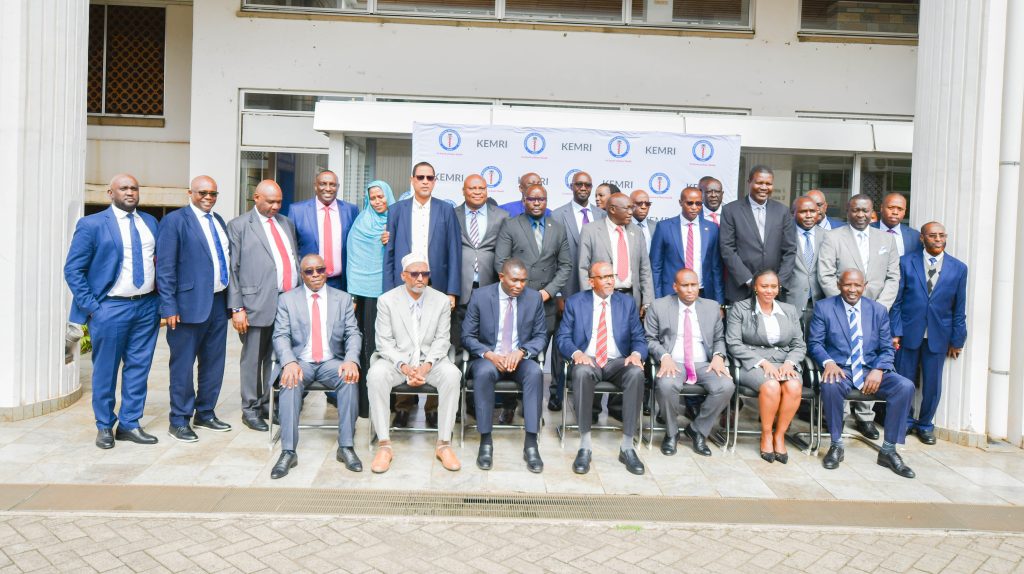
MoH SAGAs & Regulatory Bodies Leadership During the Signing of Performance Contracts 2025/26.
The Cabinet Secretary reaffirmed the national importance of the Ministry’s mandate, noting that the journey toward Universal Health Coverage (UHC) remains a key agenda of the President and the Government, now increasingly visible across counties, facilities, and communities. He emphasized that health is the foundation of national productivity and that performance contracting is not a procedural formality or paperwork exercise, but a solemn covenant with the people of Kenya, a commitment to over 45 million citizens who depend on the health sector to safeguard their highest attainable standard of health.
He further stated that the Performance Contracts being signed represent accountability to the people, stewardship of public resources, and leadership measured strictly by results. Leadership, he added, is not defined by comfort but by responsibility under pressure. Every shilling allocated to the health sector must deliver measurable value to citizens, guided by fiscal discipline, operational efficiency, and innovation. The CS commended the Principal Secretaries, Board Chairpersons, CEOs, and management teams for the progress achieved across the Ministry.
NCI-K was represented at the ceremony by Board Chair Dr. Timothy Olweny; Chief Executive Officer Dr. Elias Melly; Board of Trustees Member, Dr. Benson Nyambega; and Mrs. Emily Barsito, the Head of Partnerships, Resource Mobilization, and Strategic Planning.
NCI-K Board Chair, Dr. Timothy Olweny.
The signing of the Performance Contract affirms NCI-K’s continued dedication to delivering on its mandate of coordinating cancer prevention, control, and research efforts in Kenya. It reinforces the Institute’s commitment to transparency, measurable impact, and alignment with national health priorities as the country works toward reducing the cancer burden.
Through this collective commitment, NCI-K remains focused on driving results, strengthening partnerships, and advancing quality, accessible cancer care for all Kenyans.