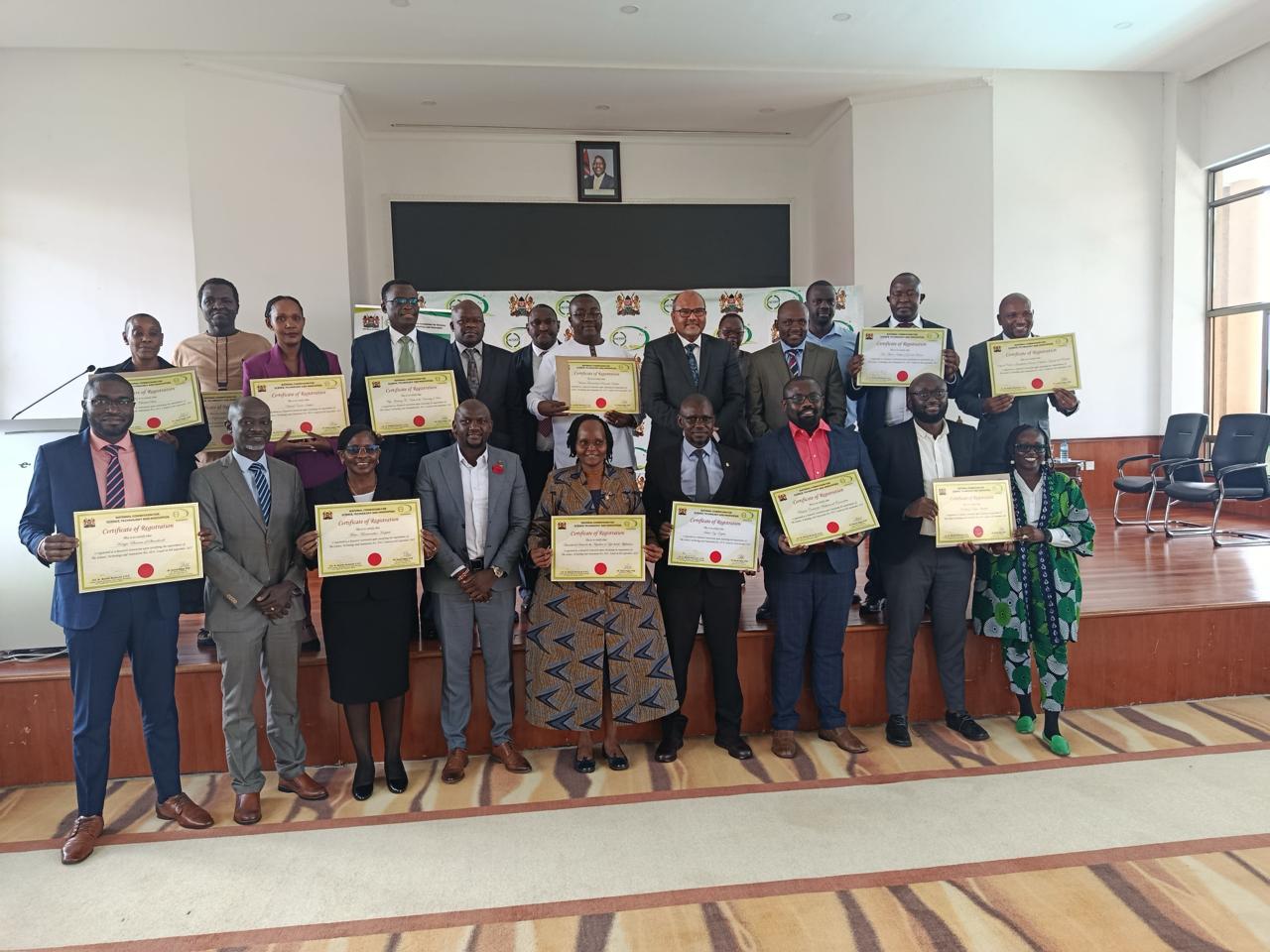
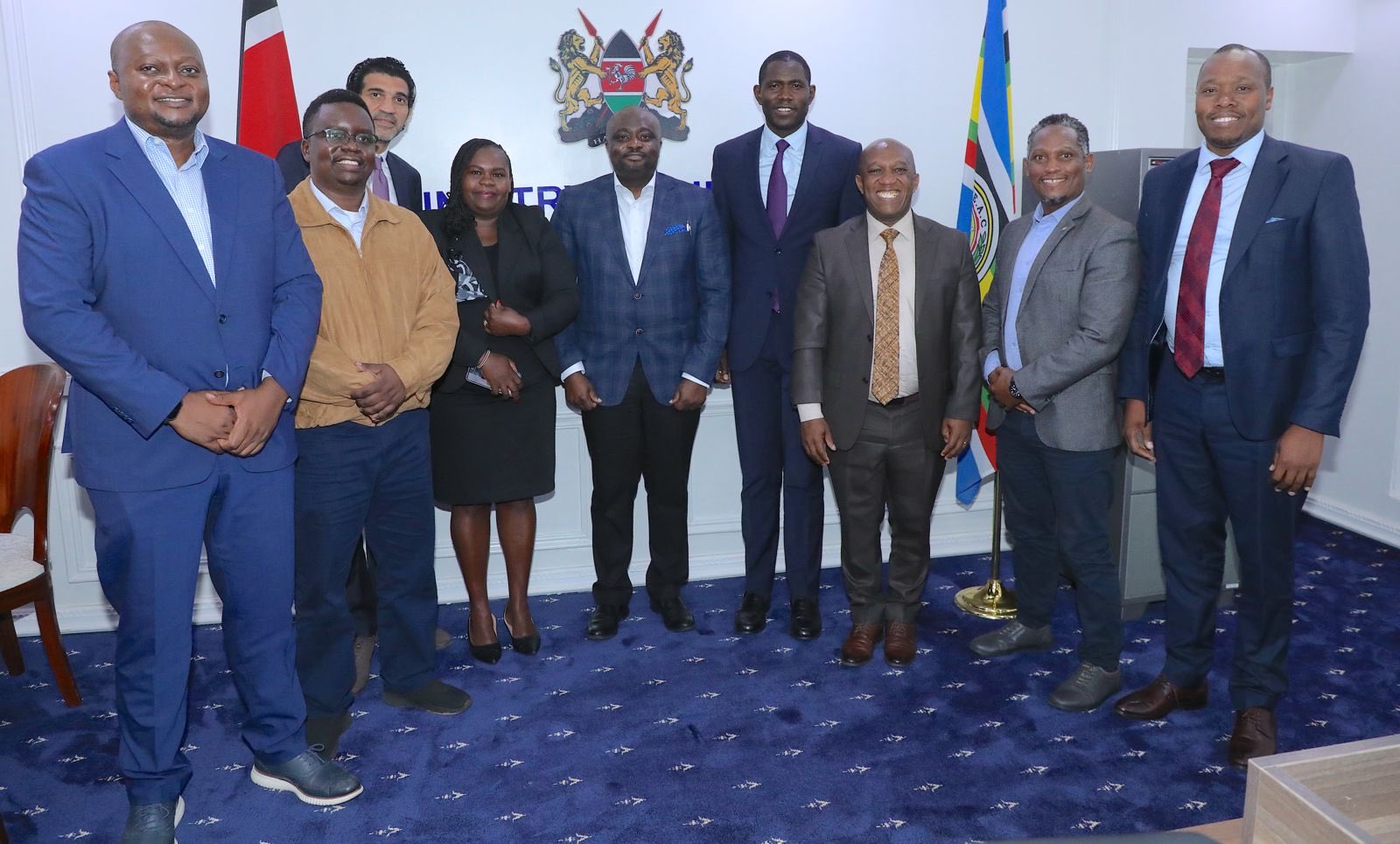
The National Cancer Institute of Kenya (NCI-K) has achieved a major institutional milestone by being officially awarded a certificate of registration as a research institute. The certification was granted by the National Commission for Science, Technology and Innovation (NACOSTI), in full compliance with the requirements of The Science, Technology and Innovation Act, 2013. This prestigious recognition formalizes NCI-K’s role in advancing cancer-related research. The certificate was presented by Prof. Shaukat Abdulrazak, the Principal Secretary for Science, Research, and Innovation in the Office of the Prime Cabinet Secretary, and received on behalf of the NCI-K CEO by Dr. Joan Simam, the Head of Research and Data Informatics Directorate, who emphasized the significance of the achievement:
“This certification reflects the Institute’s commitment to ethical, collaborative, and impactful cancer research, fully compliant with requirements under The Science, Technology, and Innovation Act, 2013.”
This recognition is a major step forward and a stepping stone for NCI-K as the leading cancer institution in the country. The Institute is currently dedicated to collecting accurate data from the ground to enable more rigorous and relevant research. This effort is supported by the Cancer Registry Department, under the leadership of Gladys Chesumabi, which has cancer registrars dispatched to all regional cancer centers across the country.
With this official research certification, NCI-K is now positioned to transform this rich, accurate data into actionable insights. We believe that the fight against cancer is not far from victory, as this research will provide more precise, localized information to effectively tailor treatment and intervention strategies.
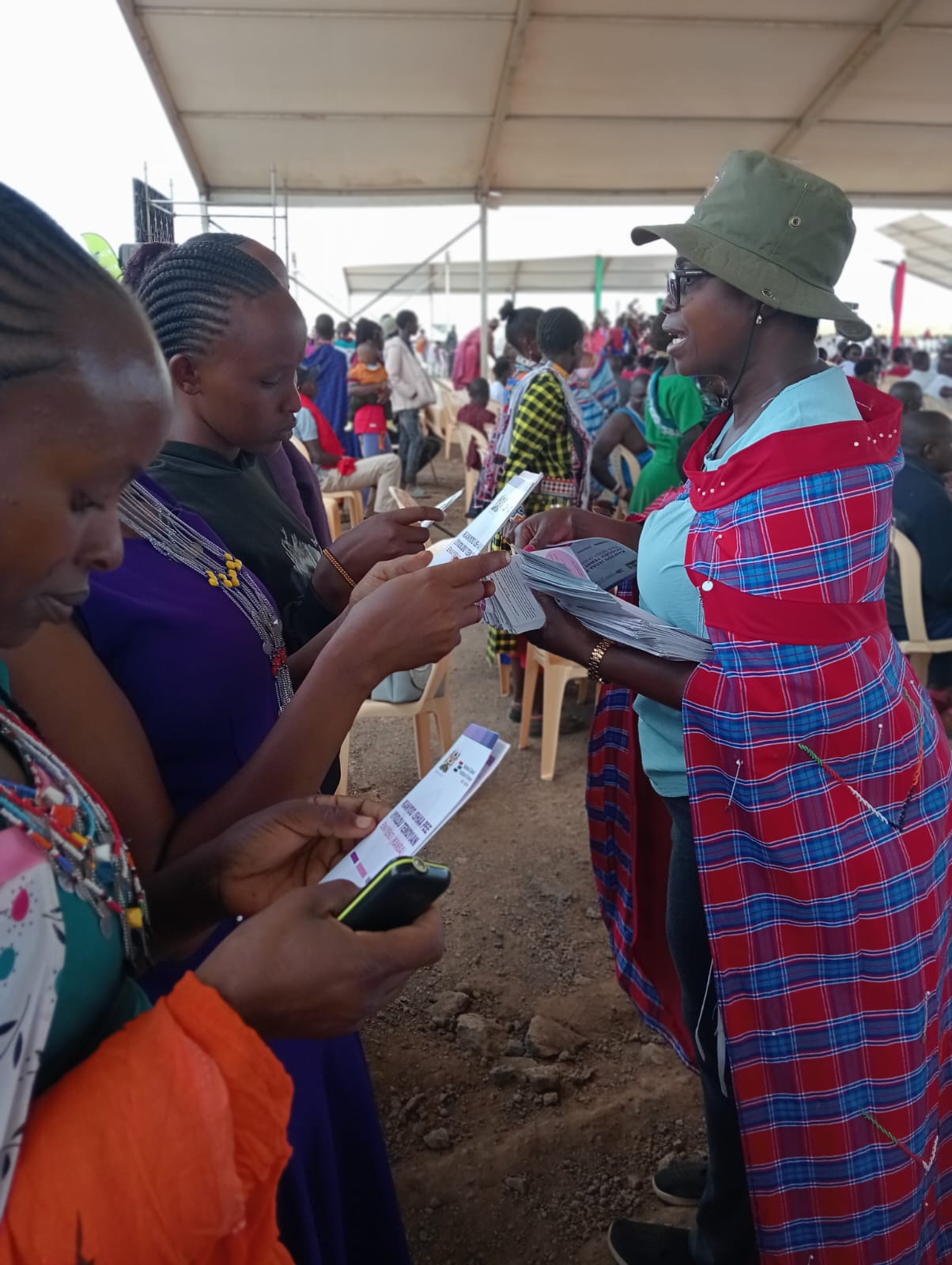
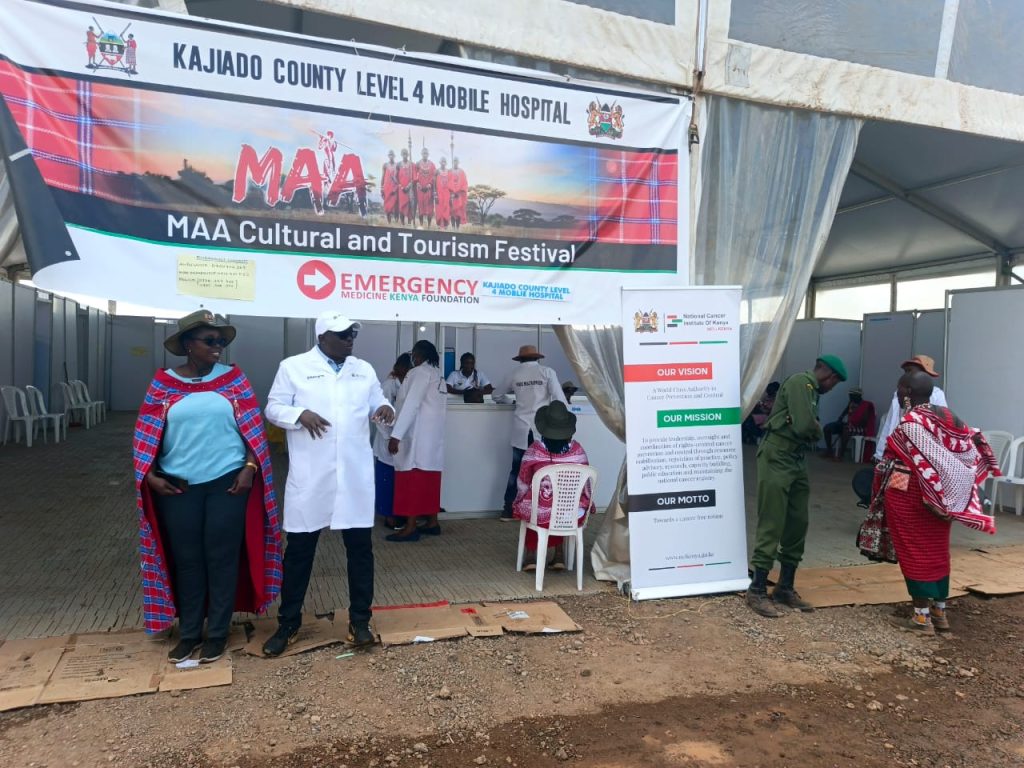
6th November 2025 – The National Cancer Institute of Kenya (NCI-K), in collaboration with the Kajiado County Health Management Team, is conducting a cancer and Non-Communicable Diseases (NCDs) sensitization campaign during the ongoing annual Maa Cultural Festival held at the Amboseli National Park, Kajiado County.
This initiative seeks to leverage the high number of Maasai community members, convening from across the three Maa Counties of Narok, Kajiado, and Samburu, organized under the framework of the Maa Economic Bloc (MAAEB). The event provides a strategic platform for us to share important government policies on health and create awareness, specifically focusing on demystifying the cultural cancer myths, as well as promoting healthy lifestyles. To ensure that cancer information permeates deep to the grassroots level, the institute developed and translated the IEC materials into the local language, cognizant of the varying cultural values of our communities.
This one-week activity will feature sessions including:
Education & awareness Sessions: Interactive talks and materials in local languages to educate the community on cancer prevention, early signs, and the importance of screening.
Direct Screening Services: On-site screenings for breast, cervical, and prostate cancers.
Apart from the County Government of Kajiado, the Institute has also collaborated with key partners, including Women for Cancer and AstraZeneca, demonstrating a shared commitment to fighting and reducing cancer incidences in Kenya through early detection and prevention.
We are exited to announce that Kenya, through the National Cancer Institute of Kenya, has won a bid to host World Cancer Leaders’ Summit, 2027. The event running from 24th to 28th November is Organised by UICC and hosted the National Cancer Institute of Kenya, the Summit’s return to Africa highlights the continent’s growing leadership role in global cancer control.UICC is pleased to announce that the World Cancer Leaders’ Summit 2027 will take place in Nairobi, Kenya, from 24 to 28 November.Hosted by the National Cancer Institute of Kenya, the Summit will be held at the Kenyatta International Convention Centre (KICC), a landmark venue in the heart of Nairobi.
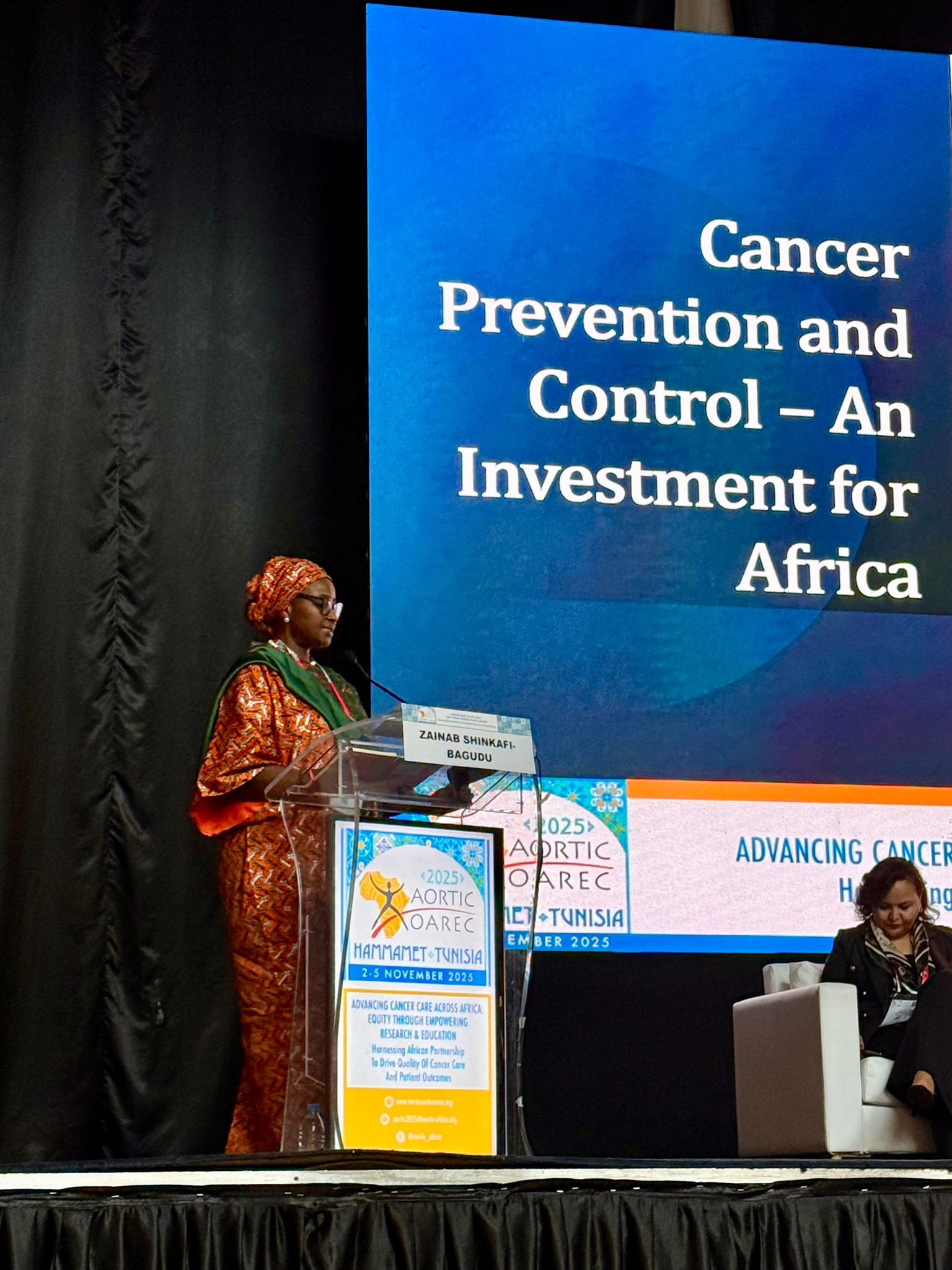
“The World Cancer Leaders’ Summit brings together voices from every region to shape the future of cancer control. Holding the Summit in Nairobi ensures that Africa’s experiences and priorities are part of that global conversation. By convening in Africa, the Summit will ground its discussions in the lived realities of communities most affected by rising cancer burdens, ensuring that strategies are shaped by those confronting these challenges most directly.”– Zainab Shinkafi-Bagudu, President-elect of UICC, and Founder and CEO of Medicaid Cancer Foundation.
The World Cancer Leaders’ Summit is a high-level policy event that brings together decision-makers, civil society leaders, researchers and private sector partners to shape the global cancer agenda. The 2027 edition will provide a platform for strategic dialogue, regional collaboration and the sharing of innovative approaches to cancer control.
“It is a privilege to welcome the global cancer community to Nairobi for the 2027 World Cancer Leaders’ Summit. This return to Africa after the Summit in Cape Town in 2013 highlights the growing leadership role that the continent is playing, and offers a unique opportunity to engage with the challenges and progress shaping cancer across Africa, as well as to strengthen regional and global partnerships.”– Miriam Mutebi, Member of the UICC Board of Directors, Member of the UICC Board of Directors, Breast surgical oncologist and health systems researcher at the Aga Khan University, Kenya.
By hosting this historic event, NCI-K has demonstrated and solidified its position as a leading cancer institution, not only in Africa but also globally. We believe that through these high-level engagements, the battle against cancer will be won.
The nation-wide campaign in commemoration of the Breast Cancer Awareness Month continues as the National Cancer Institute of Kenya (NCI-K) partners with Mwai Kibaki Referral Hospital, AstraZeneca, Microbiology East Africa Limited, and Grounds for Health, in Othaya, Nyeri County.
This activity is aimed at improving community engagement and promoting cancer prevention through free cancer screening services, including breast, cervical, and prostate cancer, as well as public education and awareness sessions.
Also featured are patient journey experiences and survivor testimonials aimed at inspiring patients and caregivers while fostering a deeper understanding of cancer care and management.
Throughout these exercises, NCI-K aims to:
1. Promote awareness of breast, cervical, and prostate cancers, with a focus on early detection, timely intervention, and preventive measures.
2. Provide free cancer screening services to at least 500 individuals from the surrounding community.
3. Educate and empower the public on healthy lifestyle practices and self-examination techniques that contribute to cancer risk reduction.
4. Strengthen partnerships among collaborating institutions and community stakeholders to support sustainable cancer control initiatives.
5. Encourage continuous screening and follow-up care through established community health structures and hospital-based clinics.
As we strive to achieve our mission of reducing cancer incidence in the country, we urge members of the public to take advantage of these free cancer screening initiatives. Remember, early detection saves lives; your life matters.
The National Cancer Institute of Kenya’s efforts to reduce the national cancer burden have advanced with an expanded collaboration. Dr. Ouma Oluga, Principal Secretary for Medical Services, hosted representatives from the Merck Foundation and NCI-K, led by CEO Dr. Elias Melly, to formalize this partnership.
The meeting, held today, the 29th of October, 2025, at Afya House in Nairobi, focused on strengthening collaboration in cancer prevention, early detection, and treatment.
The discussions were centered on transforming the cancer care continuum in the country, from prevention to treatment, by expanding joint programs that will significantly enhance cancer diagnosis and management. The partnership strategically merges the Merck Foundation’s global expertise with Kenya’s growing healthcare infrastructure.
This collaboration is focused on actionable steps to improve access and quality, particularly in underserved communities, including prioritizing early detection, Affordable Treatment Access, and Patient Support Initiatives.
Dr. Oluga strongly emphasized that such partnerships are vital for achieving the government’s goals of quality and equitable healthcare access. “Cancer is one of the fastest-rising health challenges globally. By joining forces with partners like Merck Foundation and NCI-K, we can strengthen our health system’s capacity to prevent, detect, and treat cancer early, saving more lives,” said Dr. Oluga.
The joint initiatives will bring a positive effect in regard to: building capacity across the entire healthcare system, enhancing public awareness, and ultimately contributing to a significant reduction in Kenya’s cancer burden. This alliance powerfully reinforces the Ministry’s commitment to delivering accessible, affordable, and quality healthcare for all citizens
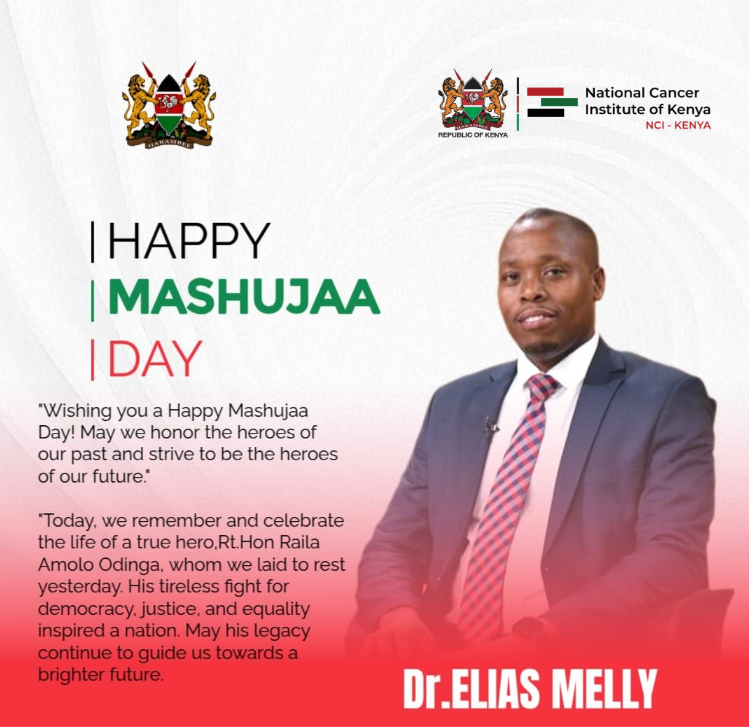
On this Mashujaa Day, we honor the heroes who have dedicated their lives to serving our nation, and we proudly recognize our CEO, DrEliasMelly, as one of Kenya’s modern-day heroes.
Your tireless work at the National Cancer Institute of Kenya, is a testament to the true meaning of service. Leading the fight against cancer is a challenge that demands immense courage, empathy, and strategic vision—qualities you embody every single day.
We especially celebrate the recent, well-deserved recognition from Huduma Kenya. Your commitment to collaboration and citizen-centric service delivery is changing how healthcare is accessed in our country, ensuring that life-saving cancer care is brought closer to every Kenyan.
Thank you for your leadership, dedication, and unwavering hope. You are a beacon of inspiration to the entire NCI-K team and a genuine Shujaa whose impact is measured in the lives you help save and the hope you restore to families across Kenya.
Dr. Melly is a true national hero, recognized not only for his medical expertise as an Oncologist, but also for his vision in transforming cancer care access.
His leadership as a true national hero in oncology has revolutionized Kenya’s cancer care landscape. His efforts are comprehensive, ranging from establisment of the Chandaria Cancer Centre at MTRH, as a founding member, to his commitment to decentralizing care across marginalized counties, successfully leading the opening of oncology centers in Turkana County, Samburu County, and establishing the Kwale Oncology Centre in Kwale County, among others. Furthermore, he is dedicated to empowering homegrown solutions by securing funding for Kenyan cancer research and building the national cancer data registry that provides evidence-based policy direction, ensuring all Kenyans receive the high-quality, localized care they deserve.
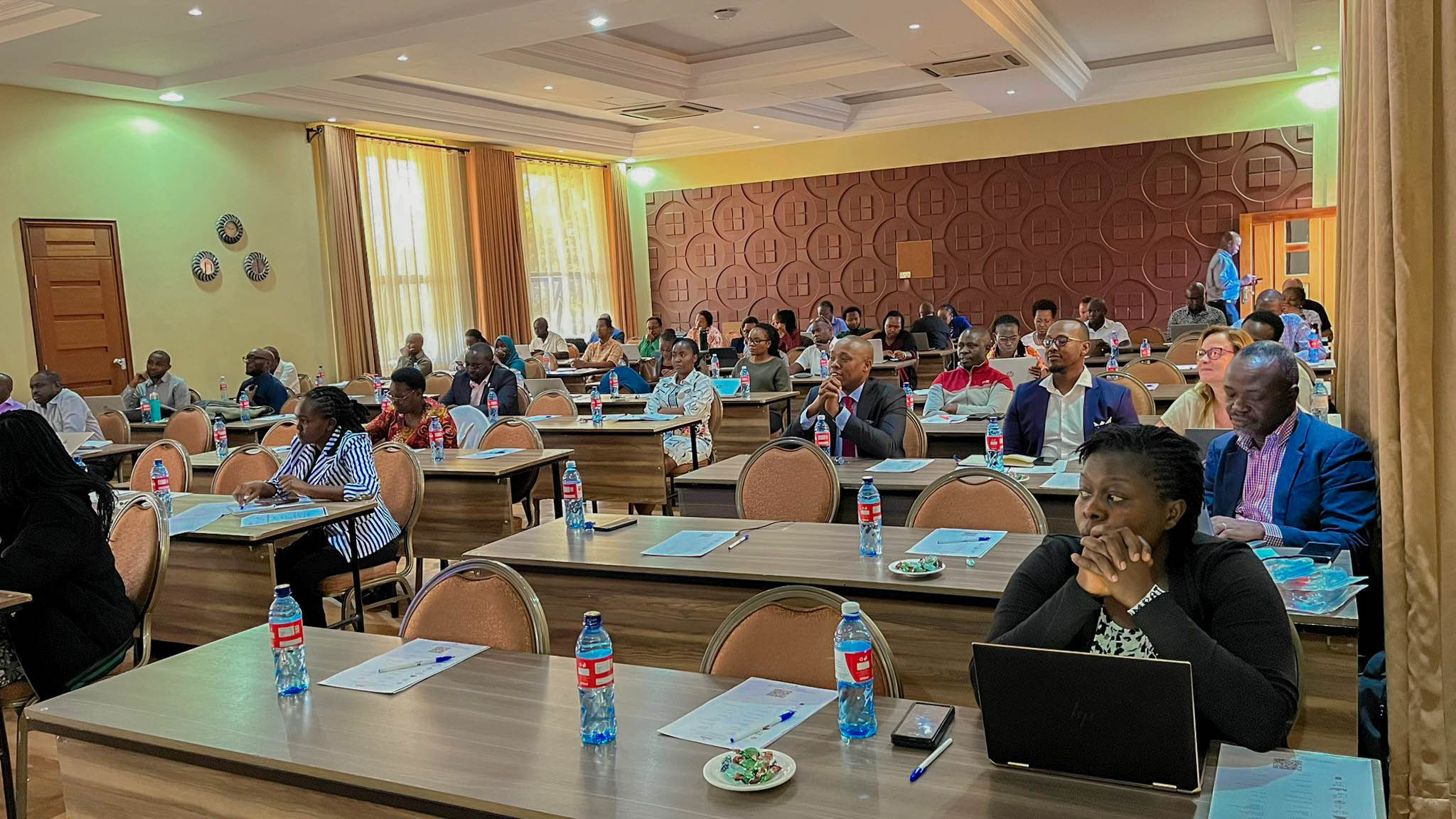
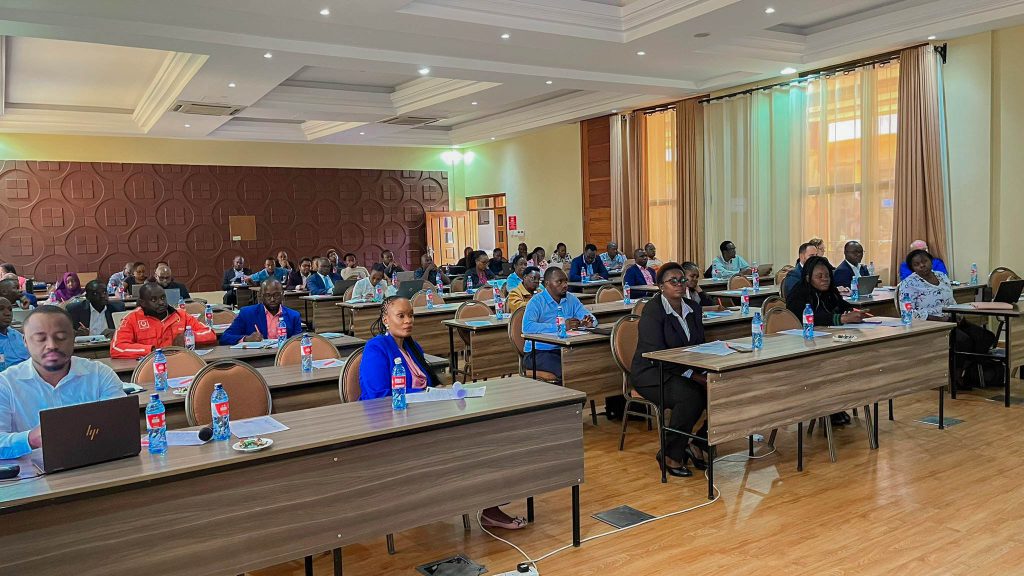
The National Cancer Institute of Kenya (NCI-K), together with key partners BD (Becton Dickinson) and Pfizer, concluded a three-day co-created oncology workshop today at Lake Naivasha Resort. The session, which began on 13th October, brought together over 50 oncology professionals from Kenya’s major private, referral, and county hospitals.
The workshop was attended by strong representatives from leading medical institutions, including Kenyatta National Hospital (KNH), Moi Teaching and Referral Hospital (MTRH), Kenyatta University Teaching, Referral, and Research Hospital (KUTRRH), Coast General Teaching and Referral Hospital, Garissa Referral Hospital, The Nairobi Hospital, Aga Khan University Hospital, and MP SHAH. These Kenyan professionals engaged directly with experts from BD’s Dubai and South Africa offices, as well as Pfizer’s regional team, reinforcing a joint commitment to innovation, safety, and equitable access in cancer care.
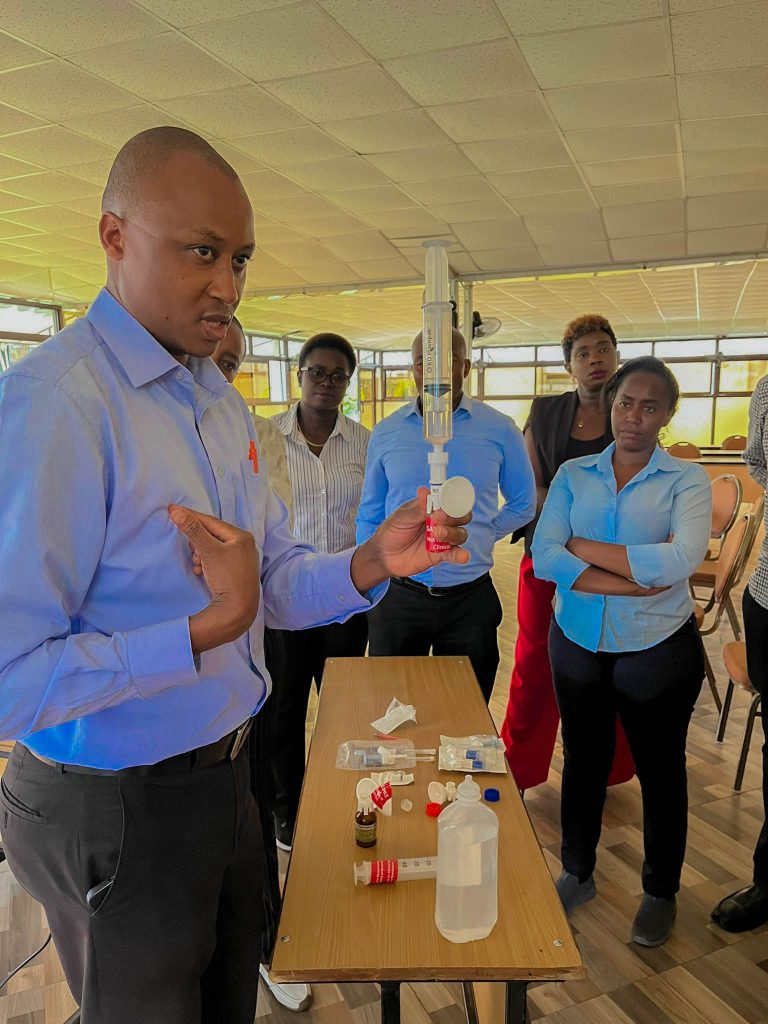
Festus Kamau, from BD, demonstrating the use of PICC and PORTS (vascular access management devices)
The primary focus of the workshop was the mainstreaming of cancer health products and technologies across the end-to-end supply chain, ensuring that Universal Health Coverage (UHC) is realized through accessible, available, and affordable quality reagents, medical supplies, and drugs. This commitment is anchored by critical access programs, including the Memorandum of Understanding (MoU) signed between the Pfizer Accord for a Healthier World and the Ministry of Health (MoH). These programs have already led to a significant reduction in the cost of cancer care, covering novel therapies based on current evidence. Additionally, BD ensures the availability of essential oncology-related products such as specialized cannulation devices and biopsy collection tools.
A highlight of Day Two was a dedicated breakout session on Oncology Quantification, led by Mr. Geoffrey Magwi from KEMSA, which provided an opportunity for structured quantification of oncology molecules across the participating facilities. The session underscored KEMSA’s critical role in ensuring the last-mile supply of oncology medicines to both public and private sector facilities. Through this session, participants explored harmonized approaches to forecasting, procurement, and distribution to ensure uninterrupted access to quality cancer medicines.
Participants actively follow the session presentations
A high-level panel discussion on “National Frameworks for Oncology Medicines and Biosimilars” was another centerpiece of the event, featuring experts from the Directorate of Health Products and Technologies (DHPT), the Pharmacy and Poisons Board (PPB), the Social Health Authority (SHA), KEMSA, and the oncology fraternity. The discussion highlighted the urgent need for Kenya to develop a national biosimilar framework to ensure the quality, safety, and cost-effectiveness of oncology medicines, aligning with the country’s broader access and regulatory goals.
Dr. Michelle Nguu from the National Cancer Institute of Kenya emphasized the importance of transitioning from dialogue to implementation — particularly in operationalizing strategies discussed during the workshop. She stressed the Institute’s commitment to supporting structured coordination, evidence generation, and technical guidance to enhance oncology service delivery. Dr. Nguu also announced the formation of a BD-led Technical Working Group to pilot vascular access management guidelines in one of Kenya’s public hospitals, focusing on the clinical application of Peripherally Inserted Central Catheters (PICCs) and implanted ports to improve patient safety and treatment outcomes.
The workshop was officially closed by Dr. Elias Melly, CEO of the National Cancer Institute of Kenya. In his keynote address on “Strengthening Cancer Care in Kenya,” Dr. Melly commended the progress achieved under the National Cancer Control Strategy (NCCS) 2023–2027 and reaffirmed NCI-K’s commitment to advancing collaborative frameworks that improve equitable access to quality oncology care nationwide.
The three-day event concluded with a clear synthesis of lessons and priorities, driving forward the collective goal of building a harmonized, evidence-driven, and patient-centered approach to cancer care delivery in Kenya.
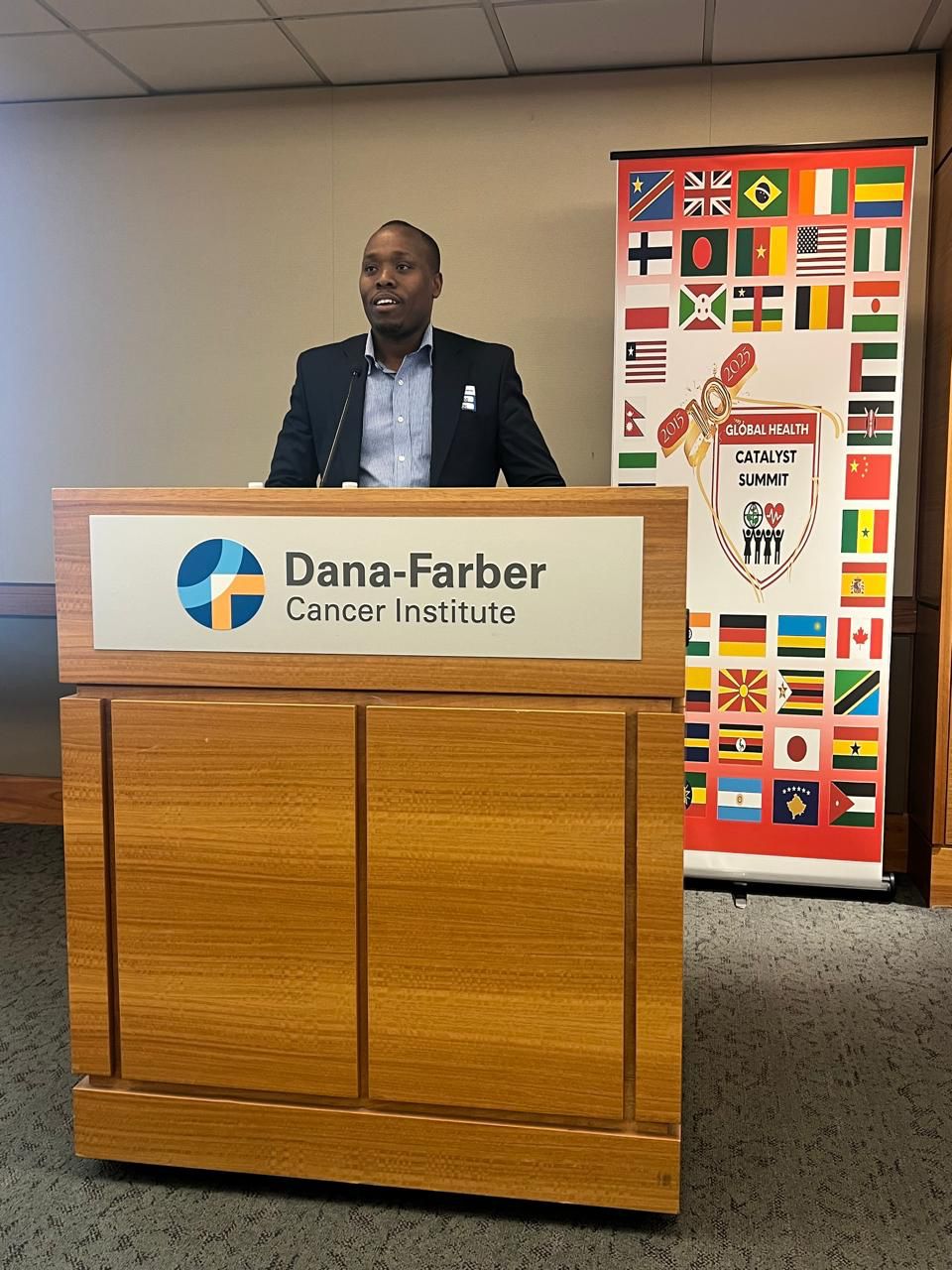
BOSTON, MA, 25th September, 2025 – The National Cancer Institute of Kenya (NCI-K) CEO, Dr. Elias Melly, participated in a three-day Global Health Catalyst Summit at Harvard University. Held from September 19 to 21, 2025, the summit provided a platform for international collaboration, bringing together top-notch minds from around the world to discuss innovations in global health and development. The event’s theme was “Catalyzing Win-Win Collaborations for Global Health and Development; Advancing Healthcare Outreach, Research, and Education Powered by AI.”
Dr. Melly’s presentation focused on a crucial aspect of modern cancer treatment: a cross-disciplinary approach that explores the synergy between Clinical and Surgical Oncology. His talk highlighted Kenya’s commitment to adopting cutting-edge solutions in the fight against cancer.
This event, organized by Harvard Zhu Family Center for Global Cancer Prevention and other partners drew together world Ministers, Institution Leaders, Industry, professionals from renown institutions and organizations including John Hopkins, University of Washington St Louis, Oxford University, International Atomic Energy Agency (IAEA), Union for International Cancer Control (UICC), AMSTRO, AAPM, AORTIC, Oncology Club, Leo Cancer Care USA, Diaspora and other C4 Stakeholders and many other renown institutions in the world.
The National Cancer Institute of Kenya leadership is actively building international and regional collaborations and partnerships that will make the fight against cancer significantly easier. As a regional leader in cancer treatment and management, Kenya’s efforts are a beacon for East Africa. With leaders from Kenya, Uganda, and Tanzania coming together for the sole purpose of uniting their efforts, the establishment of the East Africa Cancer Institute is now closer than ever.
A New Era of AI-Powered Cancer Care
With the world technological advancements, featuring AI, health is a matter of concern, with the cancer diagnostics and treatments being at the centre of discussion, this is why one Key event milestone characterizing this summit is the historic implementation of the World’s first AI-powered comprehensive cancer centre in the cloud (C4) – delivering world class comprehensive care, outreach, research and education across the globe. This milestone achievement is a collaborative effort between Harvard Zhu Family Center for Global Cancer Prevention, MIT Computer Science and Artificial Intelligence Laboratory, The Religion and Global Health Forum at Garrett, University of Massachusetts Lowell Medical Physics & Radiological Science, and Johns Hopkins CaREER program.
Presentations and discussions, from world-class professionals and experts, throughout the summit explored how AI can transform cancer care, with topics including:
Win-win Collaborative Radiotherapy Innovations powered by AI
Radiotherapy Reimagined: Can C4 and AI End the Cancer Divide by 2035?
C4 win-win Collaborative Radiotherapy Research
C4 Collaborative Radiotherapy Education
C4 for Comprehensive Care & Advocacy/Outreach
The Future of Cancer Prevention and Early Diagnostics
Implementing the 2025 World Health Organization Resolution on Strengthening Medical Imaging Capacity
C4 Cross-disciplinary Treatment: Clinical Oncology and Surgical Oncology
C4 for Research and Education
A larger segment of time at this Summit was dedicated to showcasing innovations in cancer care, particularly those powered by technology. As discussed above, the presentations highlighted groundbreaking approaches, including how the C4 platform and AI can work together to end global cancer disparities by as early as 2035. Experts also explored how AI can optimize the coordination of multi-country clinical trials, including those for hypofractionated radiotherapy—a technique that can significantly increase patient access to treatment by reducing its duration. Additionally, sessions on cancer prevention and early detection underscored the importance of leveraging technology to improve public health outcomes.
Beyond technology, the summit focused on strengthening global partnerships and improving healthcare development through a variety of initiatives. Discussions covered topics such as the ASCO-Global Oncology Implementation Science (GO-IS) initiative, which focuses on applying research to improve cancer care in low- and middle-income countries. The C4 Collaborations Platform was presented as a way to facilitate partnerships between institutions in the United States and low- and middle-income countries for a wide range of needs, including oncology and palliative care. Other vital topics included global health finance, the role of the diaspora in health exchange, and fostering diversity and inclusion in clinical trial partnerships.
A Key takeaway from the summit was that the Global Health Catalyst Summit at Harvard presented a hub for world-class professionals and experts, where presentations and discussions explored a wide range of critical topics. These sessions were designed to catalyze international collaboration and leverage technology, particularly AI, to improve global health outcomes.
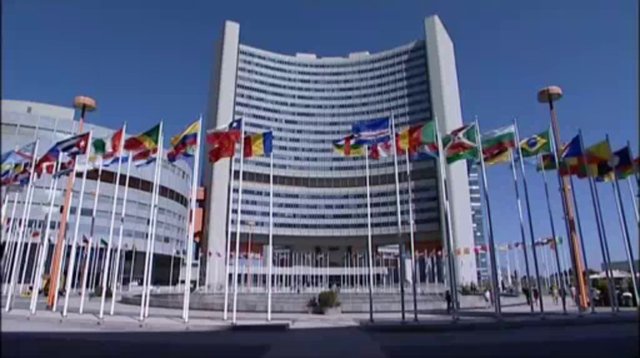
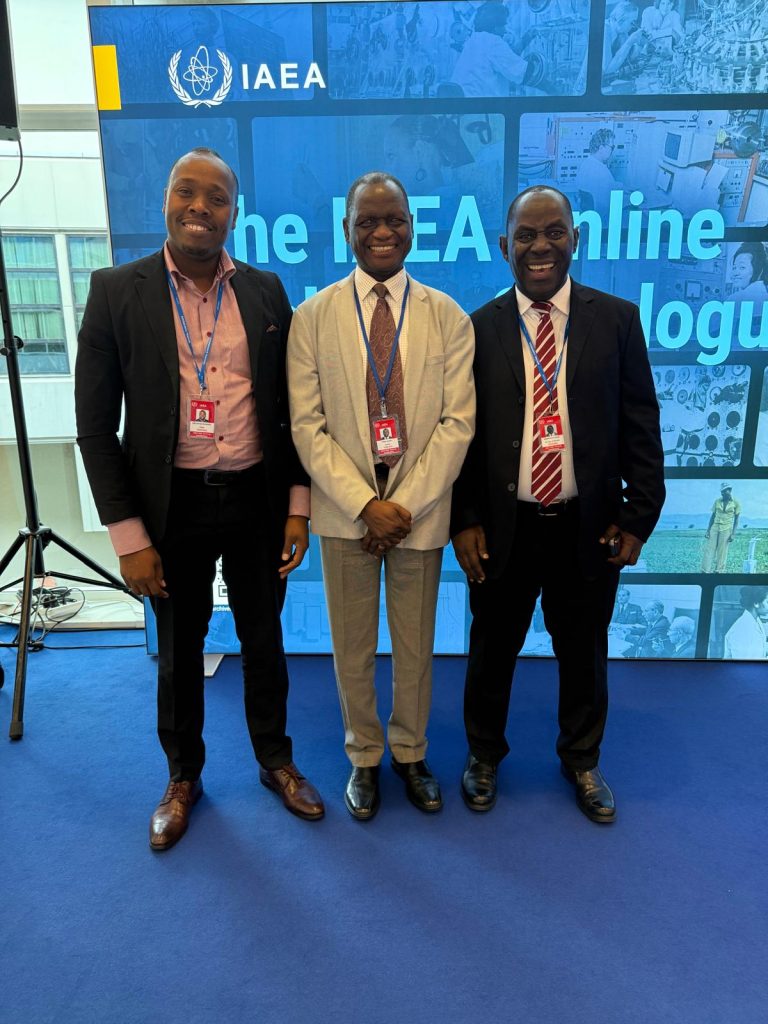
18th September, 2025 – Vienna, Austria – The heads of leading cancer institutes in East Africa have today joined forces to create the East Africa Cancer Institute Association (EACCIA). This agreement was made today at the 69th General Conference of the International Atomic Energy Agency (IAEA) in Vienna, initiating a new phase of regional collaboration in the fight against cancer.
From left: Dr. Elias Melly, CEO National Cancer Institute of Kenya, Dr. Jackson Orem, Uganda Cancer Institute, and Dr. Diwani Misemo, Tanzania Ocean Road Cancer Institute.
The vision was born from the collective leadership of Dr. Elias Melly, CEO of the National Cancer Institute of Kenya; Dr. Jackson Orem, Director of the Uganda Cancer Institute; and Dr. Diwani Msemo of Tanzania’s Ocean Road Cancer Institute. As a show of unity, these leaders have laid the foundation for a unified front that will put together efforts in prevention, control, research, and treatment across the region. The EACCIA is set to be officially launched in Arusha in February 2026, a fitting location that symbolizes the spirit of the East African community and cooperation.
The Power of Synergy and Regional Collaboration
The importance of this association cannot be overstated. By working together, East African countries can overcome shared challenges, from limited resources and equipment to a shortage of trained specialists.
Knowledge and Data Sharing: A unified database and shared research platforms will allow for better understanding of cancer trends, risk factors, and effective interventions specific to the East African population. For example, cancers like esophageal cancer, which have a high age-standardized rate in Eastern Africa, can be addressed more effectively through collaborative studies.
Capacity Building: The EACCIA can facilitate joint training programs, exchange of medical professionals, and shared access to advanced medical equipment, ensuring that all member countries benefit from the latest advancements. This is critical for scaling up radiotherapy services, which are often in short supply, and for enhancing diagnostic capabilities.
Policy Harmonization: By speaking with a single voice, the association can more effectively advocate for regional health policies, secure funding from international partners, and influence global health agendas. This collective strength will be vital in creating robust and sustainable cancer control programs.
This model of regional collaboration is a global best practice. From the European Society for Medical Oncology (ESMO) to the African Organisation for Research and Training in Cancer (AORTIC), history shows that working as neighbors creates a powerful force multiplier, accelerating progress and improving patient outcomes far more than any single country could achieve alone.
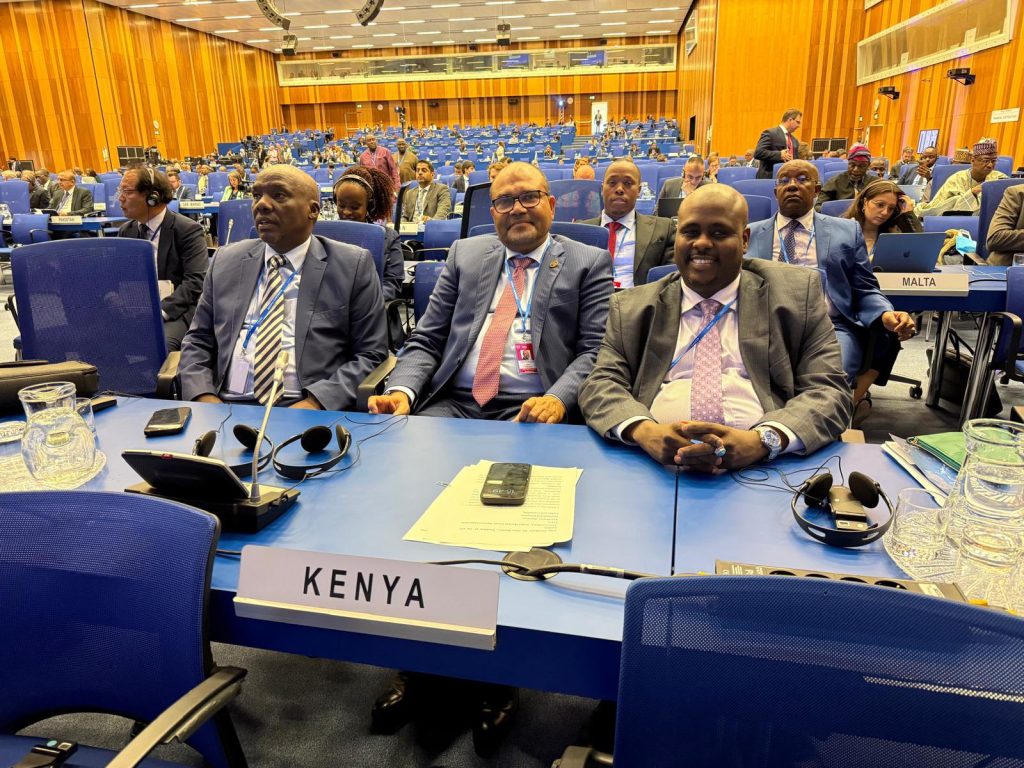
Kenyan Delegation at the 69th IEAE General Conference in Vienna, led by Prof. Shaukat Abdulrazak
The IAEA 69th General Conference: A Focus on “Rays of Hope”
The IAEA’s 69th General Conference provided the perfect backdrop for this historic agreement, with the main theme being “Atoms of Water.” This theme showcased the diverse applications of nuclear science in areas like agriculture, climate, and water management. Under its “Rays of Hope” initiative, the IAEA is specifically committed to expanding access to cancer care in low- and middle-income countries by building capacity in diagnostic imaging, nuclear medicine, and radiotherapy. Kenya’s case was presented to the conference by Prof. Shaukat Abdulrazak, PhD, EGH, the Director for the Division for Africa at the IAEA Department of Technical Cooperation.
The conference’s focus on leveraging nuclear science for health, food, and development provided a case on the need for international cooperation to address the world’s most pressing challenges. The newly formed East Africa Cancer Institutes Association (EACCIA) is a direct response to this global call to action, taking the “rays of hope” and transforming them into a tangible, coordinated effort for East Africa.
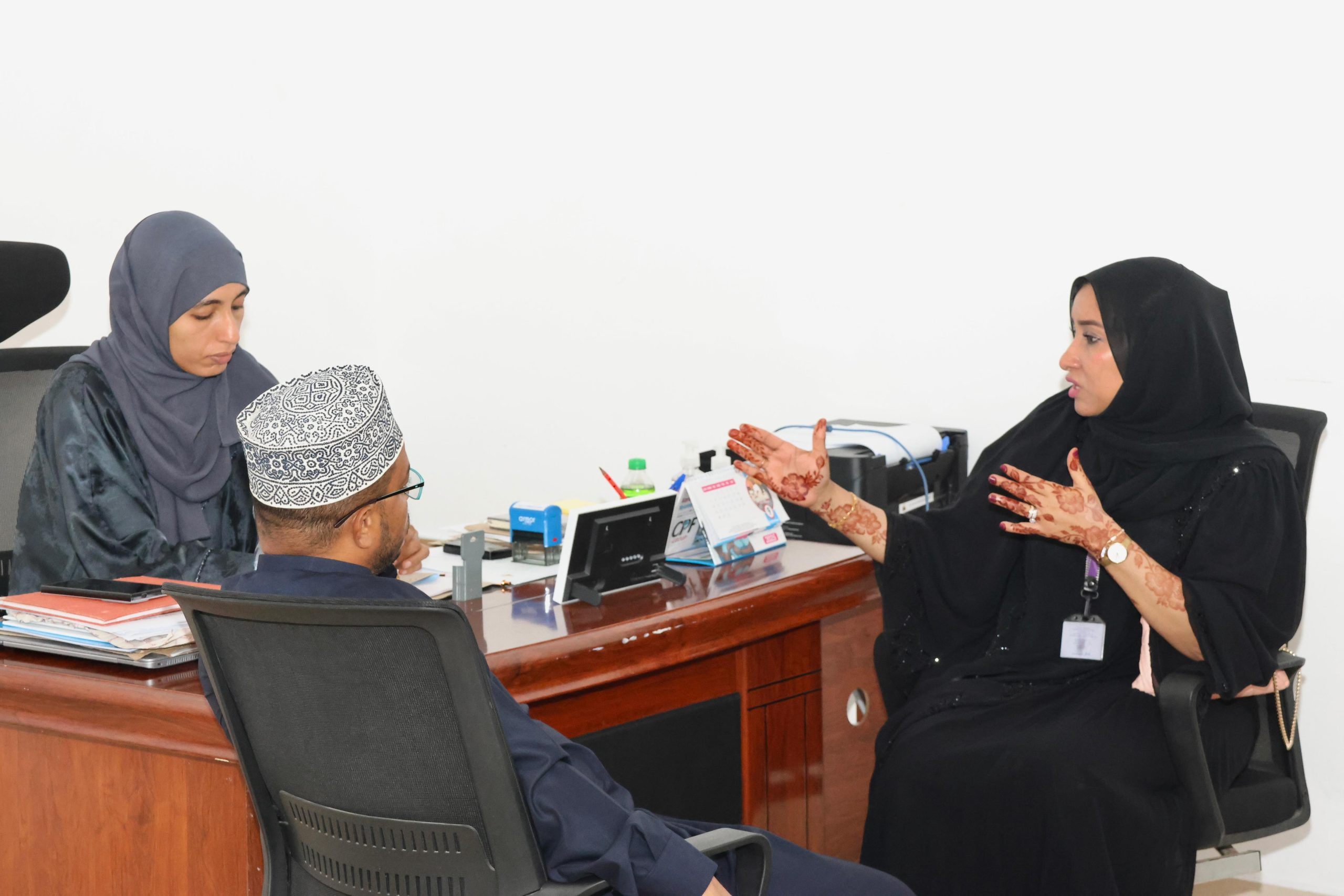
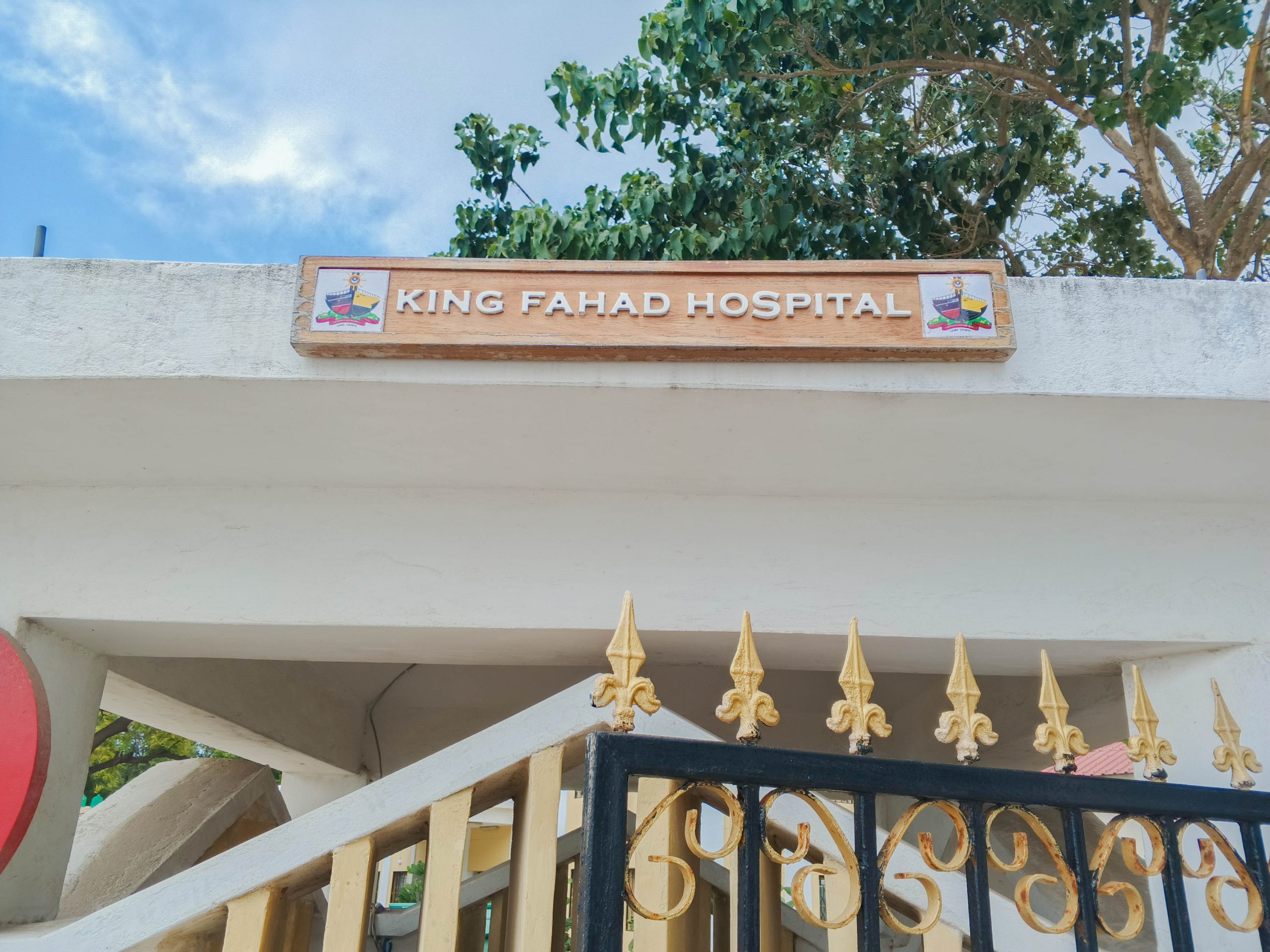
Lamu County – 17th September 2025 – The National Cancer Institute of Kenya (NCI-K) held a productive meeting with Lamu County Deputy Governor Dr. Mbarak Bahjaj at King Fahad Hospital. The primary focus of the discussion was to establish a robust collaboration between the County and NCI-K to address the region’s unique challenges in cancer care. A major point of collaboration is NCI-K’s commitment to supporting the infrastructural development of a new cancer center within Lamu County. This initiative is a direct response to the significant geographical challenges faced by cancer patients in the Lamu islands, who must travel by boat and then by road to access treatment and care in Mombasa. This new center aims to bring essential services closer to the community. In addition to this long-term project, the NCI-K team, led by Dr. Nashat Fadhloon Noor, Head of the Cancer Prevention and Control Directorate, is also participating in the ongoing Mawlid Celebration. As part of this festival, which commemorates the birth of Prophet Mohammed, NCI-K is providing free cancer screening, education and awareness programs to the community. The National Cancer Institute of Kenya remains committed to its mission of reaching all marginalized regions to provide cancer education, awareness, and screening services, living to its vision “Towards a Cancer Free Nation” ensuring that no one is left behind in the fight against cancer.