Category: News/Updates

  • Kenya Strengthens Regional Cancer Treatment Infrastructure Through Strategic Agreements

    Kenya Strengthens Regional Cancer Treatment Infrastructure Through Strategic Agreements

    Kenya is intensifying efforts to address the rising cancer burden through strengthening critical treatment infrastructure and expanding access to specialized oncology services across the country.

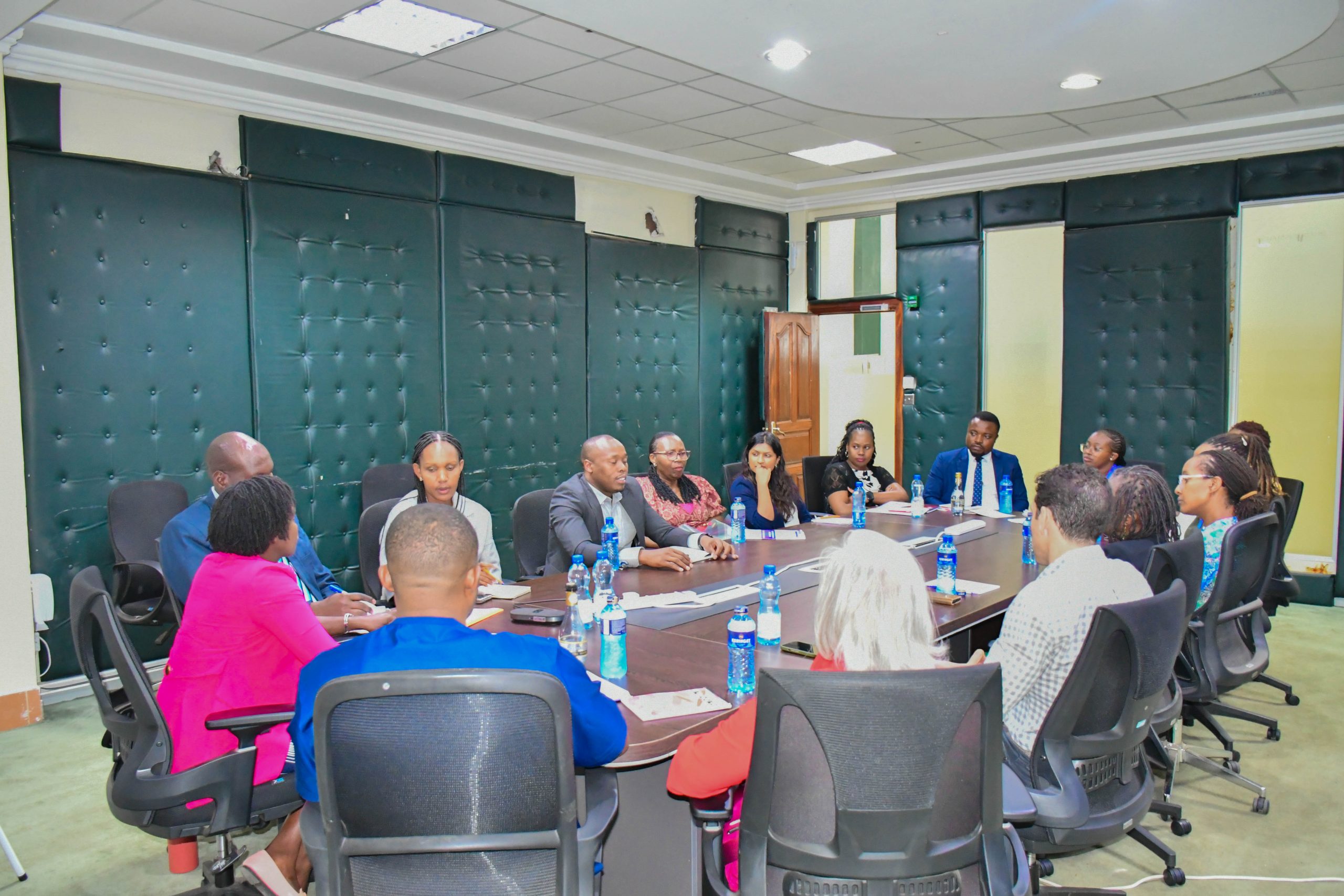
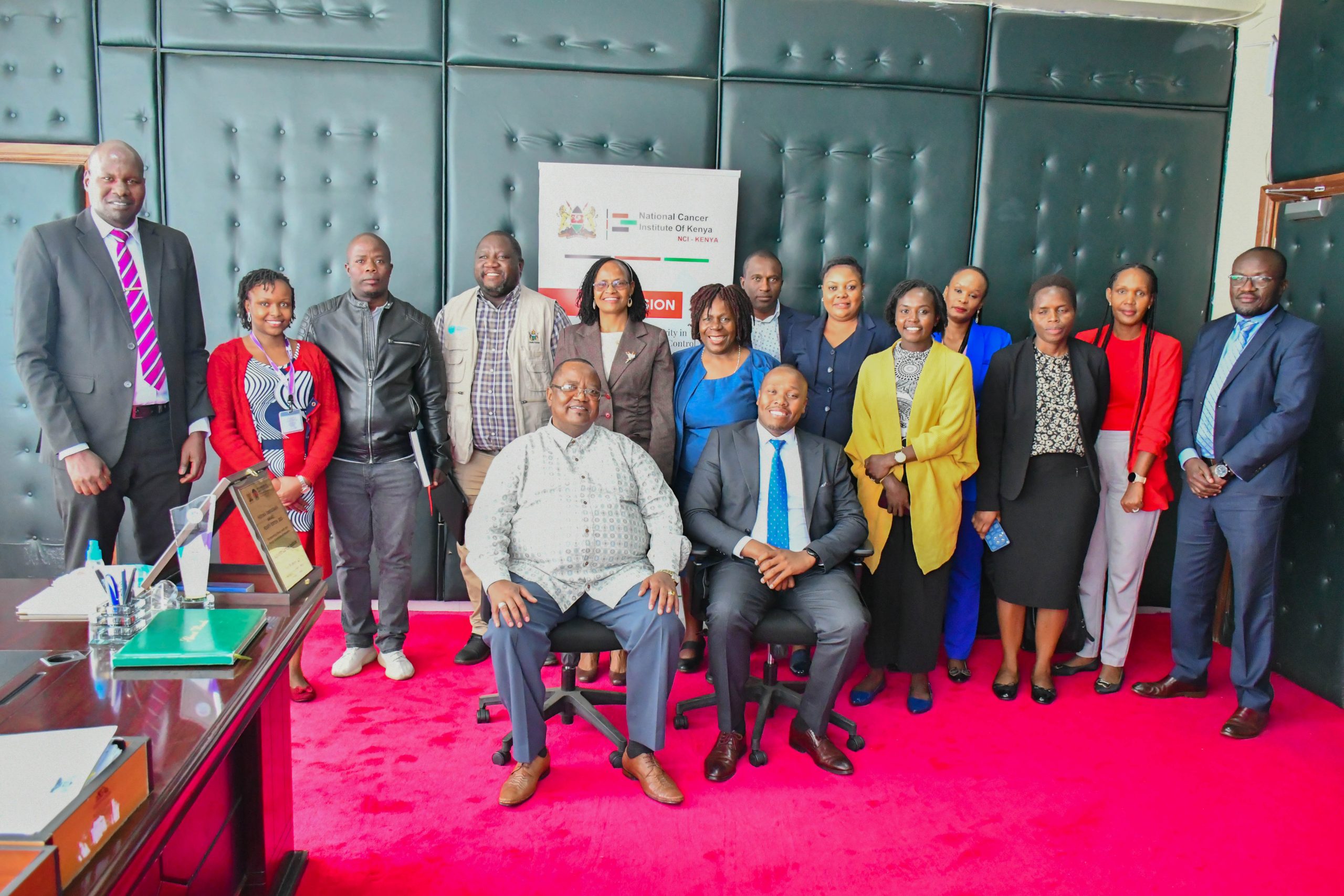
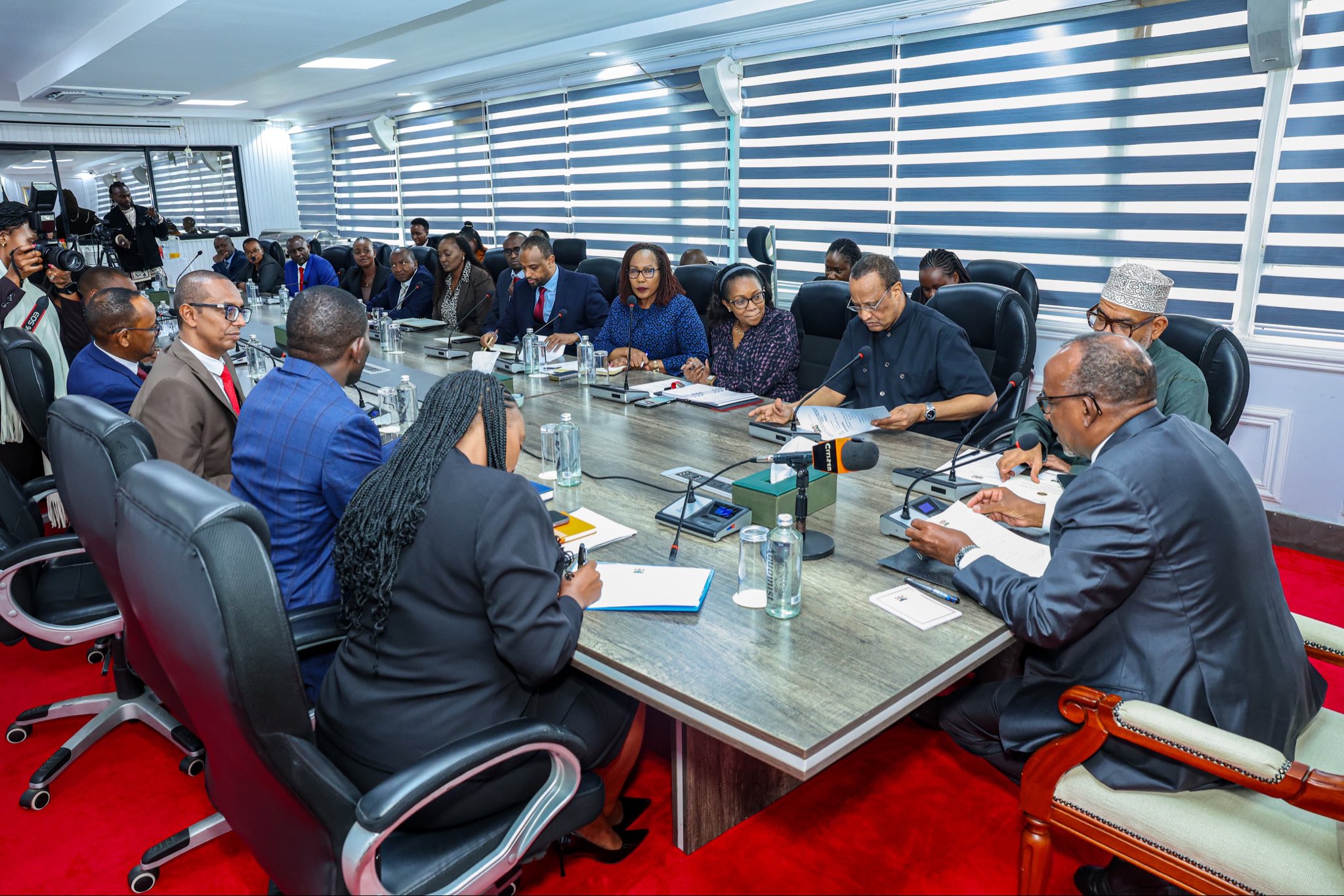
    Today, the Cabinet Secretary for Health, Hon. Aden Duale, presided over the signing of Intergovernmental Participation Agreements (IPAs) and tripartite Service Level Agreements (SLAs) to operationalize regional cancer centres in Mombasa, Garissa, and Nakuru. The NCI-K CEO reaffirmed the Institute’s commitment to strengthening coordinated cancer control efforts.
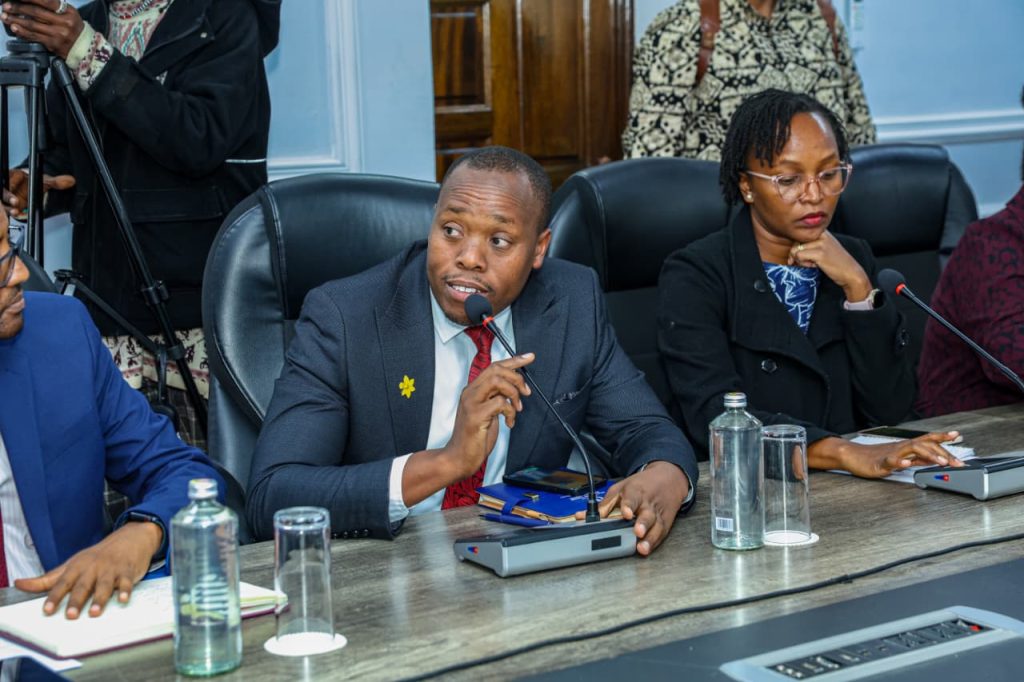
    NCI-K CEO, Dr. Elias Melly, during the signing of Intergovernmental Participation Agreements (IPAs)

    The agreements establish structured frameworks for preventive maintenance, quality assurance, and timely technical support for essential radiotherapy equipment, particularly linear accelerators, to ensure safe, reliable, and uninterrupted cancer treatment services.

    Aligned with the Universal Health Coverage (UHC) agenda, this initiative seeks to position regional facilities as strong referral hubs, bringing advanced cancer care closer to communities while minimizing delays and service interruptions.

    The Government has also reiterated its commitment to improving cancer treatment financing through the Social Health Authority (SHA), increasing the oncology benefits package to KES 800,000 per patient, benefiting over 29 million registered Kenyans. Strengthened collaboration between national and county governments, together with private sector partners, will be key in building a more responsive and resilient cancer care system.

    The Cabinet Secretary further called upon the Council of Governors and county governments to support these efforts by ensuring adequately trained personnel and a consistent supply of essential consumables, including brachytherapy source wires, thermoplastic masks, and imaging reagents required for daily clinical operations.
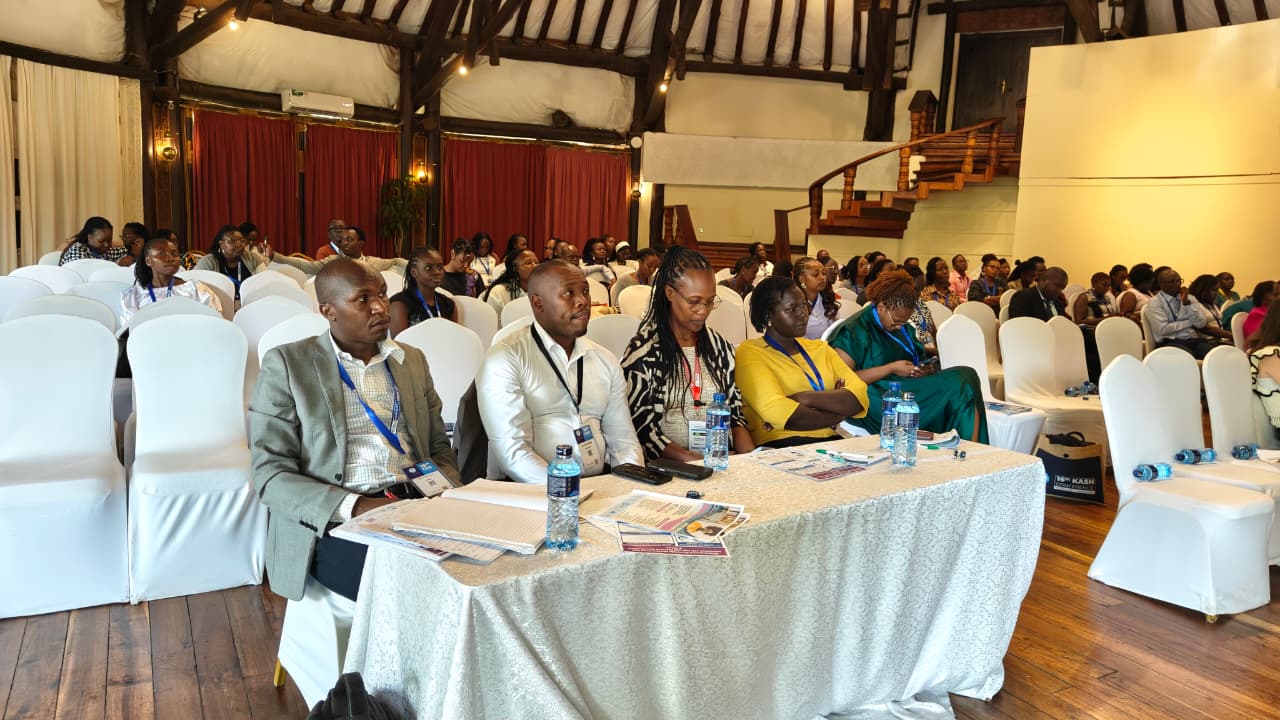
  • NCI-K Participates in the 16th KEMRI Annual Scientific & Health (KASH) Conference 2026.

    NCI-K Participates in the 16th KEMRI Annual Scientific & Health (KASH) Conference 2026.

    The NCI-K, represented by the CEO, Dr. Elias Melly, participated in the 16th KEMRI Annual Scientific & Health (KASH) Conference, convened under the theme: “Advancing Kenya’s Vaccine Research, Development and Manufacturing Capacity for Sustainable Health Security.”

    The conference, which brought together leading scientists, policymakers, and global health experts, deliberated on strengthening Kenya’s vaccine ecosystem. Key sessions included a high-level roundtable on success factors in local vaccine manufacturing — spanning research and development, manufacturing capacity, technology transfer and intellectual property, skills development, regulatory pathways, quality standards, access to finance, supply chain systems, and market shaping. Discussions also explored Africa’s Initiative for Local Vaccine Manufacturing and advancing global vaccine end-to-end capabilities.

    The Keynote Address was delivered by Prof. Shaukat Abdulrazak, PhD, EBS, Principal Secretary, State Department of Science, Research and Innovation, Ministry of Health, titled: “Kenya’s Vision and Journey in Local Vaccine Manufacturing.” The Chief Guest, Hon. Dr. Aden Duale, Cabinet Secretary for Health, graced the conference.

    During the conference, Dr. Melly presented on breast cancer incidence trends in Kenya and the role of exposure data in strengthening cancer surveillance, highlighting the importance of leveraging data and research to inform prevention strategies and enhance national cancer control efforts.The forum reaffirmed the central role of research, innovation, and strategic partnerships in advancing health security and improving population health outcomes.

  • NCI-K Supports West Pokot’s 5 Day Cancer Screening Drive to Boost Early Detection.

    The National Cancer Institute of Kenya has commended West Pokot County for the successful implementation of a 5 day cancer screening and awareness exercise at Kapenguria County Referral Hospital, noting that the initiative has expanded access to early detection and prevention services for residents

    The screening programme was conducted from January 31 to February 4, 2026 .This provided cervical, breast and prostate cancer screening services, as well as Human Papillomavirus (HPV) vaccination for eligible girls. The outreach targeted long-standing gaps in access to cancer prevention services in the county, where many cases have historically gone undetected until advanced stages.

    County health leadership emphasized that taking screening services closer to communities is key to reducing late diagnosis and improving outcomes. West Pokot County Executive Committee (CEC) Member for Health, Claire , noted that the exercise aimed to ensure that early detection services reach those who need them most, saying, “When screening services are accessible, we can detect cancer earlier and save more lives.”

    NCI-K underscored that late diagnosis remains a major contributor to cancer-related deaths in Kenya and reaffirmed the importance of making screening a routine health-seeking behavior. NCI-K official Chrisantus Wekesa highlighted the importance of early action, stating, “Cancer is treatable and, in many cases, curable if detected early.”

    The exercise aligned with national and global cancer control priorities, including cervical cancer elimination through screening and HPV vaccination, and demonstrated the value of partnerships between county governments, national institutions, and implementing partners. Community sensitization activities and a solidarity march in Makutano town further reinforced messages on healthy lifestyles, stigma reduction, and the importance of timely screening.

    NCI-K encourages other counties to adopt similar outreach models to expand equitable access to cancer prevention and early detection services, particularly in hard-to-reach communities.

  • NCI-K Advances Plans for a National Childhood Cancer Registry.

    NCI-K Advances Plans for a National Childhood Cancer Registry.

    The National Cancer Institute of Kenya (NCI-K) convened a stakeholder meeting to establish a National Childhood Cancer Registry to strengthen pediatric cancer surveillance in the country. The consultative forum was held yesterday, 23rd January, in Nairobi, bringing together key actors in cancer data management and clinical care from across the country.

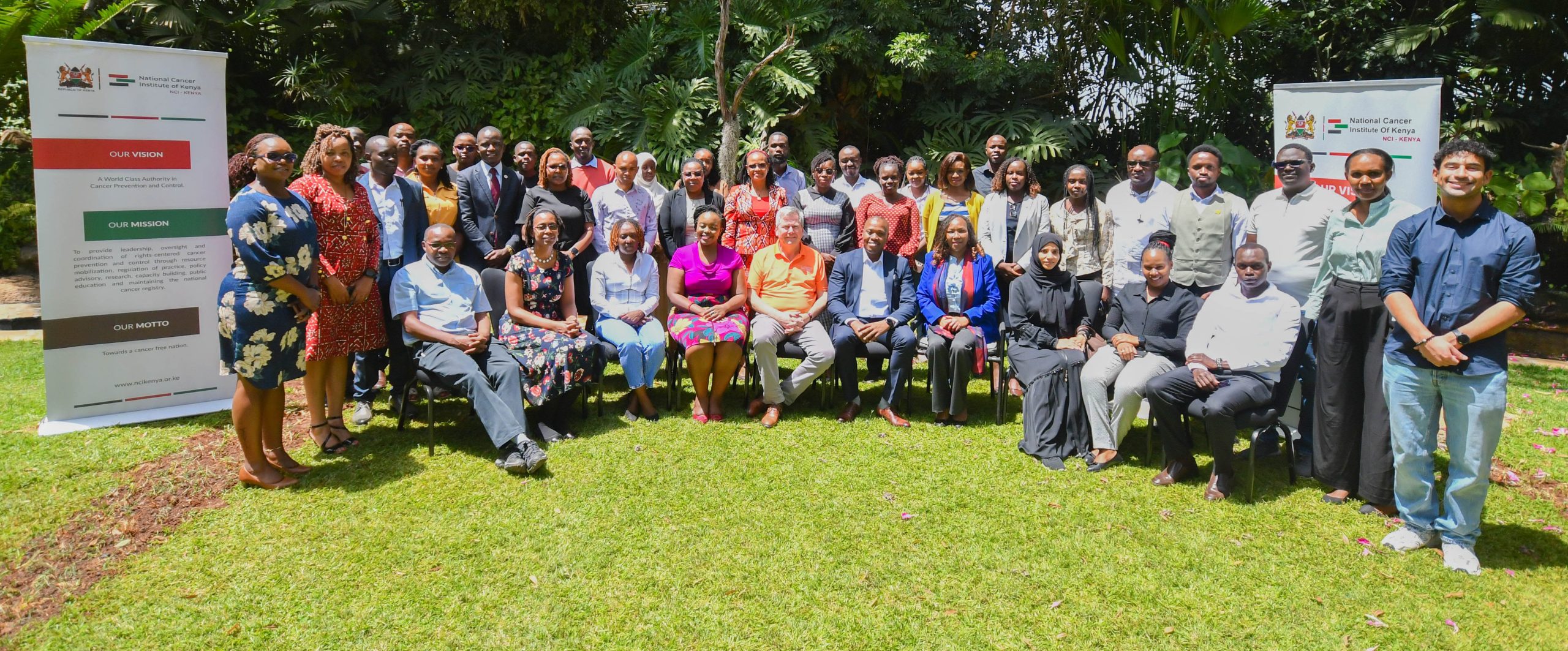
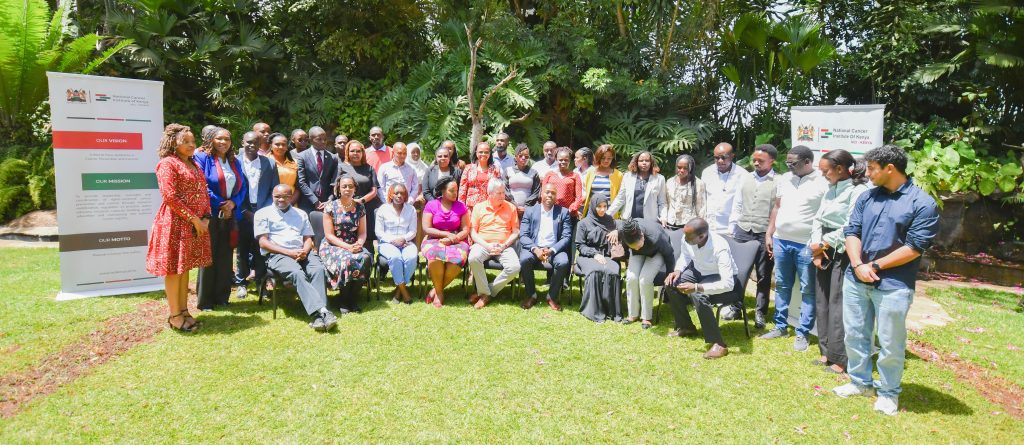
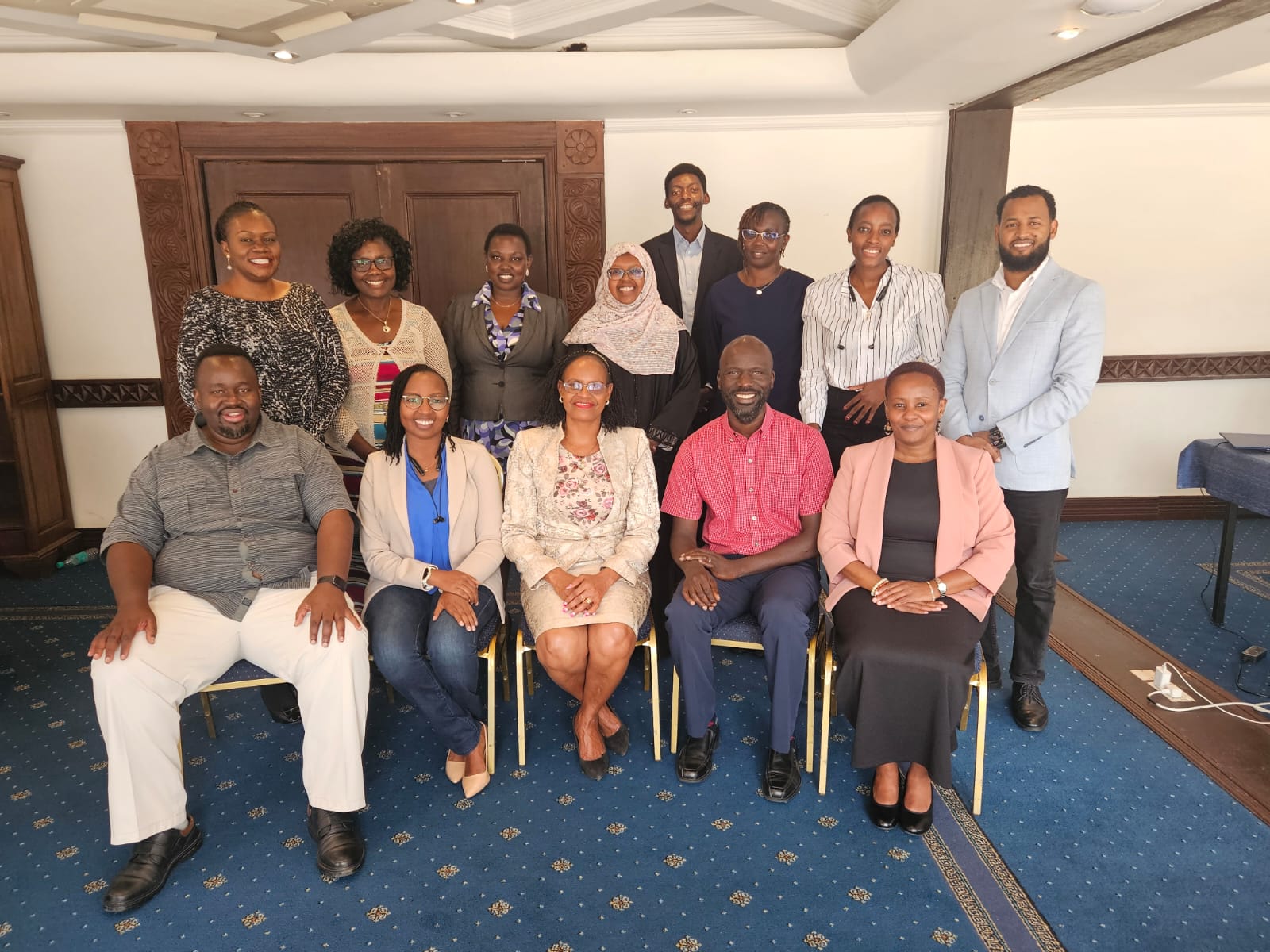
    Stakeholders and Cancer Registrars from regional centers

    The meeting, chaired by NCI-K Chief Executive Officer, Dr. Elias Melly, brought representations spanning the Nairobi, Nyanza, Nakuru, Rift Valley, Coastal, Central, Eastern, and Northeastern regions, with discussions focused on technical and strategic areas necessary for the successful rollout of the registry. These included a technical session on data variables and standardization, ensuring consistency and quality in reporting across facilities; digital infrastructure and systems integration to support real-time data capture and sharing; and priority research areas and opportunities that the registry will unlock to inform policy, planning, and clinical outcomes.

    NCI-K CEO, Dr. Elias Melly, with Prof. Gertjan Kaspers, Managing Director at Princess Maxima Centre for Paediatric Oncology.

    Cancer registrars from the regional centres presented the status of their respective facilities, highlighting existing capacities, challenges, and areas requiring support; a practical insight expected to guide the phased implementation of the registry and ensure it is responsive to realities on the ground.

    A strong case for an urgent need to develop robust data to improve early diagnosis, treatment planning, survival outcomes, and long-term follow-up for children with cancer was presented by Gladys Chesumbai, the Head of the National Cancer Registry at NCI-K. The sessions benefited from international expertise, with professional guidance provided by Prof. Gertjan Kaspers, Managing Director at the Princess Máxima Centre for Paediatric Oncology. His contribution enriched discussions on global best practices in paediatric oncology data systems and registry development.

    The meeting was further strengthened by the presence of leading medical professionals, including Dr. Gilbert Olbara, Dr. Irene Nzamu, Dr. Rose Munge, Dr. Fatma Al-Amoody, Dr. Grace Mbatia, Dr. Doreen Karimi, Dr. Ann Korir—who also serves as NCI-K Board Member—and Ibrahim El Salih.

    The planned National Childhood Cancer Registry is expected to be a transformative tool in Kenya’s fight against childhood cancer, providing reliable national data to guide prevention strategies, improve care delivery, and support research and resource allocation. This initiative aligns with NCI-K’s broader mandate to strengthen cancer control systems and improve outcomes for all Kenyans.

    Towards a Cancer Free Nation.

  • NCI-K Facilitates Implementation and Validation of EWSS Intervention for Childhood Cancer

    NCI-K Facilitates Implementation and Validation of EWSS Intervention for Childhood Cancer

    3rd December, 2025 – Nairobi, Kenya.

    The National Cancer Institute of Kenya hosted representatives from The Hospital for Sick Children (SickKids) in Toronto, and The Faculty of Health Sciences at the University of Nairobi to discuss a research project titled: “An Adapted Early Warning Signs and Symptoms (EWSS) Intervention to Improve Early Recognition and Referral of Childhood Cancers in Kenya and Cameroon.” This is a research project in partnership with the University of Nairobi, Faculty of Health Sciences, and The Hospital for Sick Children (SickKids) in Toronto, Canada.

    This study seeks to generate robust evidence on the feasibility, effectiveness, and cost implications of introducing a context-adapted EWSS intervention. The aim is to equip healthcare providers and policy stakeholders with practical, evidence-based tools and guidance necessary to drastically improve the early detection and timely referral of childhood cancers.

    The project is currently being rolled out across seven pilot counties in Kenya, ensuring broad geographic representation: Machakos, Garissa, Meru, Embu, Nyeri, Murang’a, and Nairobi.

    The meeting, chaired by NCI-K CEO Dr. Elias Melly, aimed to gain a deeper understanding of the implementation context, seeking institutional technical support for anticipated challenges, as well as expert guidance on aligning the intervention with national health priorities.

    The National Cancer Institute of Kenya is committed to reducing the cancer burden across all age groups through evidence-based mitigation for improved childhood cancer outcomes in Kenya.

  • Zimbabwean Delegation Benchmarks at NCI-K to Establish their National Cancer Institute.

    Zimbabwean Delegation Benchmarks at NCI-K to Establish their National Cancer Institute.

    Nairobi, Kenya – 01/12/2025

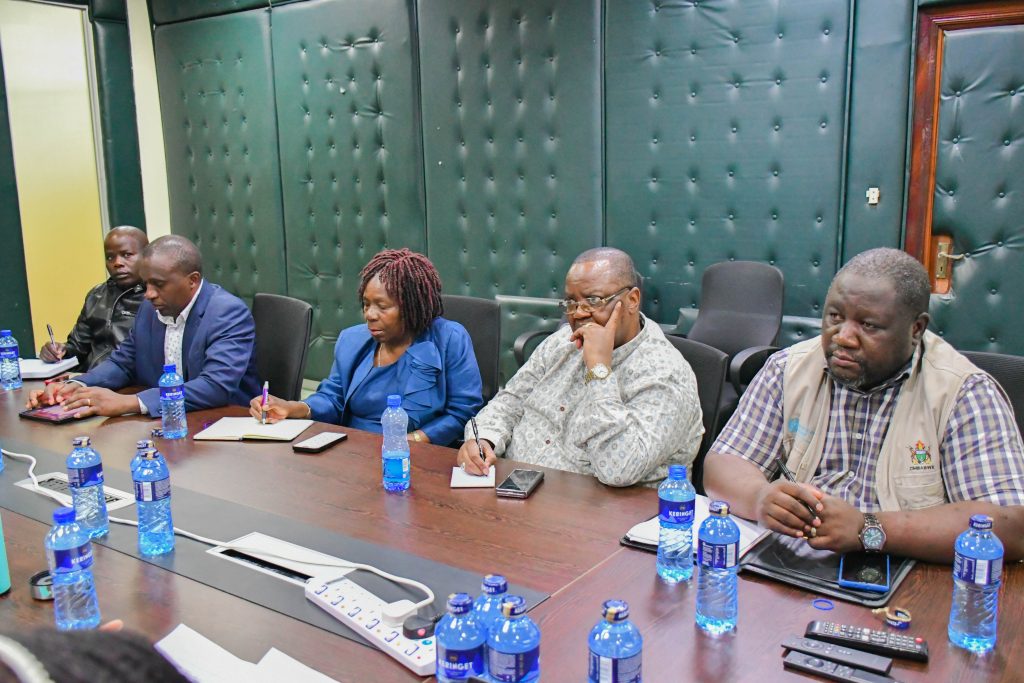
    The National Cancer Institute of Kenya (NCI-K) today hosted a high-level Zimbabwean delegation for a benchmarking visit to support the creation of a Cancer Institute in Zimbabwe. This collaboration demonstrates both countries’ commitment to advancing cancer control in Africa.

    The Zimbabwean delegation, comprising senior government and regulatory officials, was led by Dr. B.M. Dube, Permanent Secretary in the Office of the President and Cabinet.

    Zimbabwean Delegation.

    The delegates included:

    • Mr. Chiraya Anderson, Chief Director in the Office of the President and Cabinet.
    • Ms. Rudo Karadzandina, Deputy Director in the Office of the President.
    • Dr. Anna Mary Nyakabau, Board Chairperson, Radiation Protection Authority of Zimbabwe.
    • Mr. Edwin Mhukayesango, Deputy Director, Radiation Protection Authority, Ministry of Health, Zimbabwe.
    • Mr. Chafumbwa Tichaona, Deputy Director in the Office of the President and Cabinet.
    • Ms. Edith Muterina, Representative from the Zimbabwean Embassy.

    This high-profile delegation is centrally involved in overseeing, monitoring, and evaluating national development initiatives and strategies, highlighting the priority placed on effective health sector development in Zimbabwe.

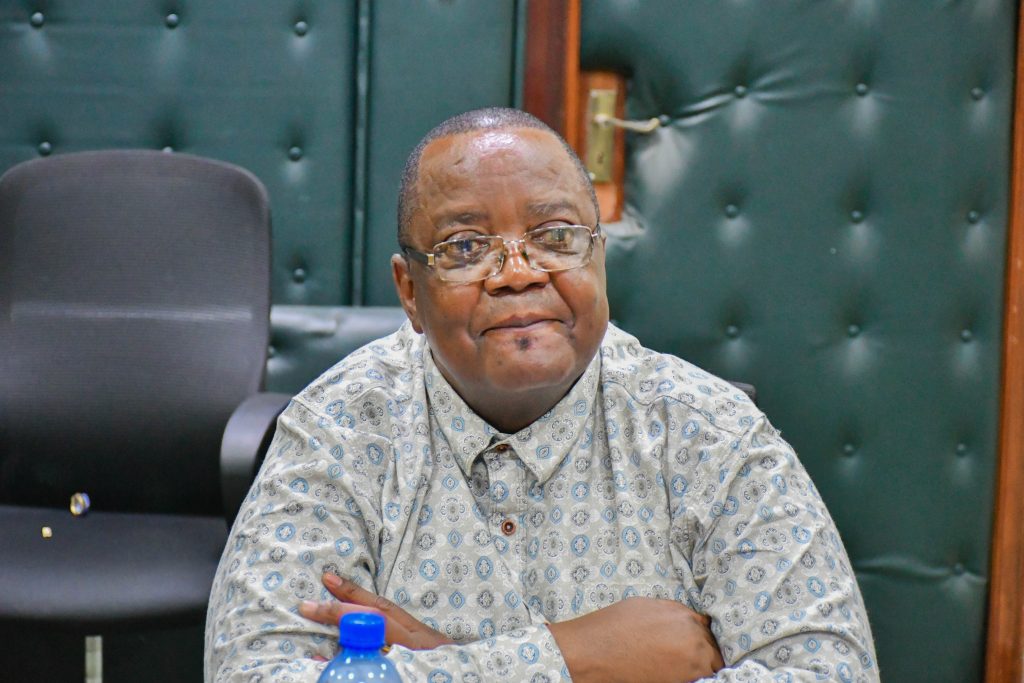
    Dr. B.M. Dube – Permanent Secretary, Office of the President and Cabinet, Zimbabwe.

    NCI-K Chief Executive Officer, Dr. Elias Melly, welcomed the visitors at NCI-K headquarters in Nairobi and took them through the mandate of the Institute. Key areas of focus and presentation included:

    1. Institutional Mandate and Governance: A detailed overview of the legal framework and core mandates of the National Cancer Institute of Kenya, including the policies and guidelines developed to aid the national fight against cancer.
    2. Data Management and Informatics: A comprehensive presentation on the implementation and management of the National Cancer Registry system (NaCaRe), highlighting NCI-K’s approach to data collection, research, and informatics for evidence-based decision-making.
    3. Public Awareness and Education: Insights into how NCI-K passes information to the public through the Information, Communication, and Education (ICE) department, focusing on prevention, screening, and education awareness.
    4. Stakeholder Collaboration: A review of NCI-K’s successful strategy for collaborating with national and international stakeholders and partners to facilitate nationwide free cancer screenings.
    5. Cancer Care Financing and Sustainability: Lessons on how Kenya is managing comprehensive cancer care through the oncology package under the newly established Social Health Authority (SHA), focusing on sustainable financing, accessibility, and ensuring equitable treatment access across the population.

    This is a collaborative effort that aims to reduce the cancer burden in Africa through knowledge sharing, a step that will enable the Zimbabwean delegates to gain practical models and lessons learned in organizational structure, policy development, and data-driven cancer control, which will be invaluable as they move forward with establishing their own national institute.

    The National Cancer Institute of Kenya is firmly committed to relentlessly reducing the national cancer burden through proper leadership, deepening partner engagements, and robust public education. The Institute has demonstrated its ability as a regional leader in effective cancer management through the development and implementation of comprehensive frameworks, such as the National Cancer Control Strategy, National Cancer Registry system (NaCaRe), Polices, and the Social Health Authority’s Oncology Package.

  • NCI-K and the American Cancer Society Convened a Validation Meeting for Kenya’s Patient Navigation Framework to Strengthen Cancer Care

    NCI-K and the American Cancer Society Convened a Validation Meeting for Kenya’s Patient Navigation Framework to Strengthen Cancer Care

    Nairobi, Kenya – 28th November 2025.

    The National Cancer Institute of Kenya, jointly with the American Cancer Society, convened a validation meeting for the Kenya SPARK Patient Navigation Implementation Framework, an effort to strengthen the coordination and effectiveness of cancer care in Kenya.

    Patient navigation is recognized as a great pillar in comprehensive cancer care. This framework, developed jointly by the Technical Working Group of the American Cancer Society and NCI-K, aims to address barriers that patients encounter, such as delays in diagnosis, fragmented referral pathways, limited information, and financial strain.

    In her opening remarks, Emily Barsito, the Head of Strategic Planning, Resource Mobilizations, and Partnerships Directorate at NCI-K, thanked the American Cancer Society for its partnership, leadership, and unwavering commitment to strengthening cancer control systems in Kenya. “We would like to register our appreciation for your partnership, leadership, and unwavering commitment to strengthening cancer control systems in Kenya. We look forward to continued collaboration as we move toward implementation.”

    She further affirmed NCI-K’s commitment to working collaboratively with the American Cancer Society to ensure the development of a practical and scalable framework.

    “Today’s validation meeting is more than a technical exercise. It is a moment for us to affirm our shared commitment to patient-centered cancer care. It is an opportunity to refine the Framework so that it becomes fully responsive to the needs of counties, health facilities, navigators, and most importantly, the patients we serve.”

    Navigation provides the essential support needed to keep patients engaged and empowered throughout their care journey. Evidence from around the world demonstrates that patient navigation leads to earlier diagnosis, improved treatment adherence, reduced loss to follow-up, and ultimately better health outcomes.

  • World Leaders’ Cancer Summit 2025: Kenya Secures Historic 2027 Host Rights

    World Leaders’ Cancer Summit 2025: Kenya Secures Historic 2027 Host Rights

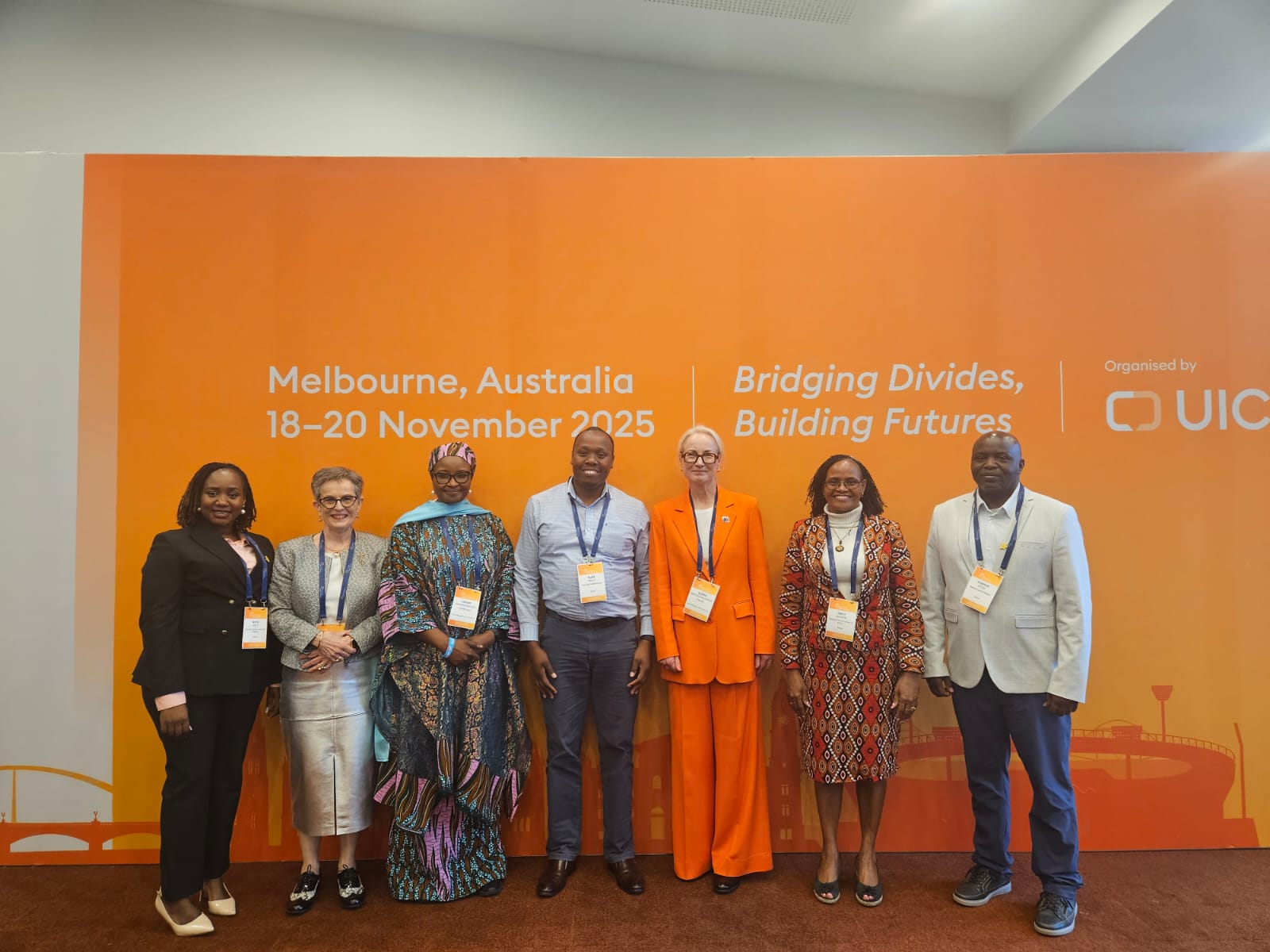
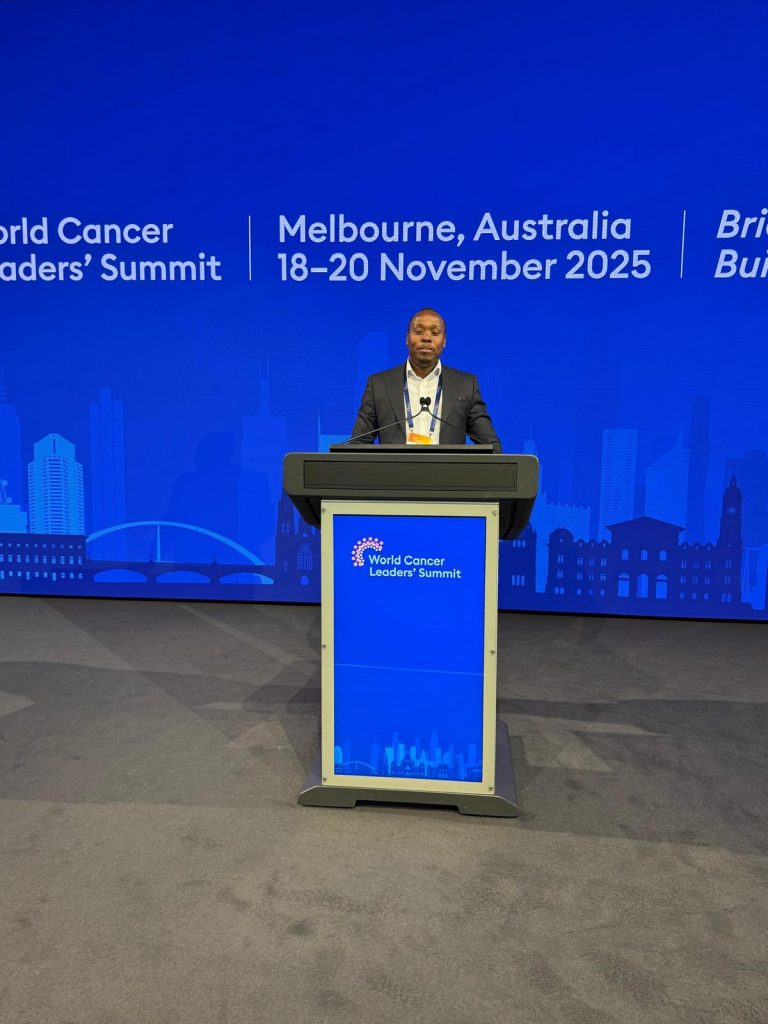
    The National Cancer Institute of Kenya led the Kenyan Delegation in attending the World Leaders’ Cancer Summit 2025 in Melbourne, Australia, hosted by Cancer Council Victoria. The World Leaders’ Cancer Summit, which takes place every two years, provides an important forum to embrace opportunities and secure global, coordinated responses to the challenges faced by the cancer and health communities. 

    This was also an important moment for the nation of Kenya, as the country was officially mandated with the rights to host the 2027 World Leaders Cancer Summit in Nairobi, the first to be held on the African Continent. In her remarks after receiving the rights, Dr. Emily Barsito, Head of Partnerships, Resource Mobilizations, and Strategic Planning at NCI-K, extended gratitude to the Union for International Cancer Control (UICC) for awarding Kenya the opportunity after a highly competitive bidding process. Securing the rights to host the 2027 Summit demonstrates the world’s recognition of Kenya as a leading country in Africa towards achieving Universal Health Coverage, particularly in the fight against cancer.

    The summit provided the Kenyan Delegation, under the leadership of NCI-K CEO, Dr. Elias Melly, with a critical opportunity to maximize its networking potential by convening with influential global leaders, institutions, and organizations dedicated to advancing cancer control efforts, including:

    The leadership of The Royal Children’s Hospital, hosted by Professor Michael Sullivan, a Paediatric Oncologist and Neuro-Oncologist in the Children’s Cancer Centre, Royal Children’s Hospital, Melbourne.

    1. Peter MacCallum Cancer Centre, hosted by Ashlea Gilmore, Director, Partnerships and Enterprise.
    2. UICC President, Ulrika Årehed Kågström, who is also a Secretary-General of the Swedish Cancer Society, board member of the Nordic Cancer Union, and member of the Swedish Government’s Life Science Advisory Group. 
    3. CEO, Cancer Council Victoria, Todd Harper, together with Dr. Andre Ilbawi, Lead Cancer Control, WHO.
    4. Prof. Margare Foti, CEO American Association for Cancer Research (AACR)

    Traditionally, the World Cancer Leaders’ Summit partners with key international organizations such as the World Health Organization (WHO), the International Agency for Research on Cancer (IARC), the International Atomic Energy Agency (IAEA), etc, to foster global cooperation and drive progress in cancer control policies and practices.

  • The Roche–MoH–SHA MOU Implementation Workshop

    The Roche–MoH–SHA MOU Implementation Workshop

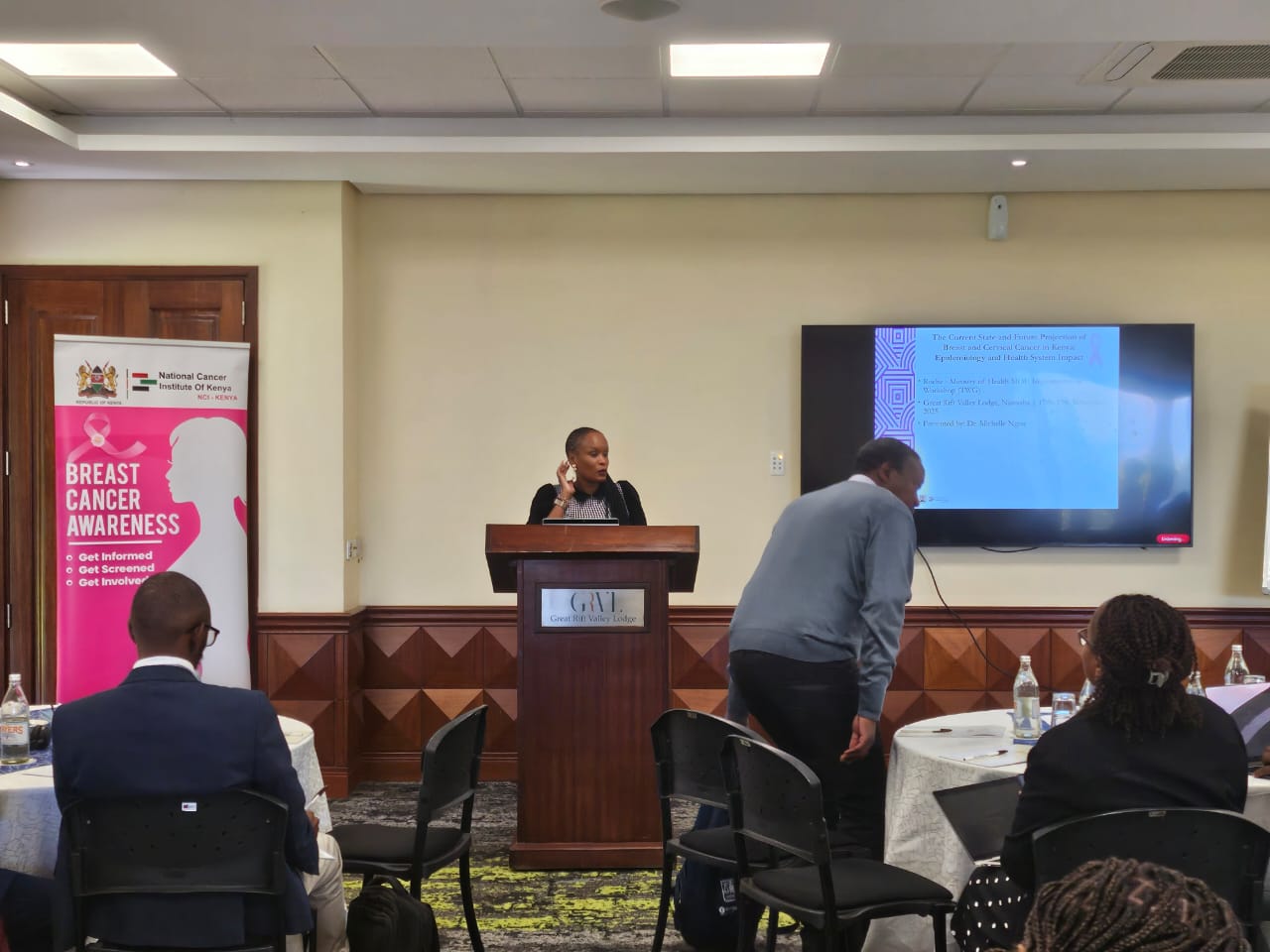
    17th November 2025, marked our Day 1 of the Roche–MoH–SHA MOU Implementation Workshop at the Great Rift Valley Lodge with a high-level opening plenary bringing together leadership from the Ministry of Health, NCI–Kenya, the Social Health Authority (SHA), KEMSA, the Digital Health Authority (DHA), the MoH Division of Health Products & Technologies (DHPT), Roche, and Savannah Global Health Institute (SGHI). The day set a unified tone for strengthening Kenya’s national architecture for breast and cervical cancer control.

    Sessions highlighted the current state of breast and cervical cancer in Kenya, reviewing epidemiological trends and the health system burden. Partners explored the investment case for oncology in Africa, followed by a review of health financing achievements and challenges from the previous MOU—now reframed within SHA’s expanded mandate and DHA’s emerging digital ecosystem for claims, approvals, and health data integration.

    KEMSA and DHPT shared key lessons from past collaborations in supply chain optimisation, commodity access, and regulatory alignment, while Roche provided insights on partnerships for access to innovation. SGHI contributed perspectives on systems strengthening, implementation support, and global standards that can fortify national cancer pathways.

    The afternoon was dedicated to a deep-dive workshop to co-develop clear Terms of Reference and KPIs for the new MOU. Stakeholders identified actionable priorities in screening, diagnostics, treatment access, sample referral systems, supply chain efficiency, digital health integration, and sustainable financing across all levels of care.

    Day 1 concluded with a consolidation of emerging priorities and agreement on action points, establishing a strong foundation for the technical workstreams scheduled for Day 2.

  • SHA Expands Cancer Coverage to Strengthen Cancer Care in Kenya

    The Government of Kenya, through the Social Health Authority (SHA), has expanded the Cancer Benefit Package under the Social Health Insurance Fund (SHIF) – a major step toward improving access to quality and affordable cancer care for all Kenyans.

    Appearing before the National Assembly Plenary Sitting, chaired by Speaker Rt. Hon. Moses Wetang’ula, the Cabinet Secretary for Health, Hon. Aden Duale, presented a comprehensive report detailing progress made under the Cancer Benefit Package. The package supports patients throughout their cancer care journey ,from diagnosis and staging to treatment and palliative care.

    According to Hon. Duale, coverage under SHA has been significantly strengthened by removing limits on treatment cycles within the annual benefit cap, ensuring fairness, flexibility, and continuity of care for patients. Currently, 140 health facilities across the country are contracted to provide comprehensive cancer services.

    To date, 33,101 patients have benefited from the package, with KSh 5.8 billion