The National Cancer Institute of Kenya (NCI-K) has convened a two-day National Consultative Workshop aimed at strengthening cancer education in pre-service health professional training programmes across the country.
Held from 10–11 November 2026, the workshop brought together stakeholders to deliberate on ways of integrating comprehensive cancer education into the curricula of health professional training institutions, ensuring that future healthcare workers are adequately equipped with the knowledge and competencies needed to address the growing cancer burden in Kenya.
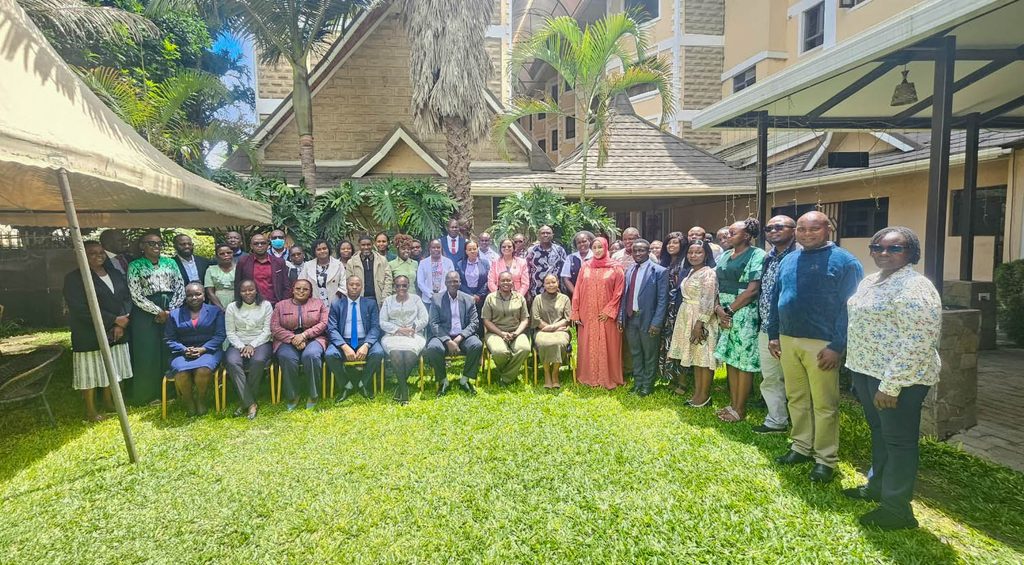
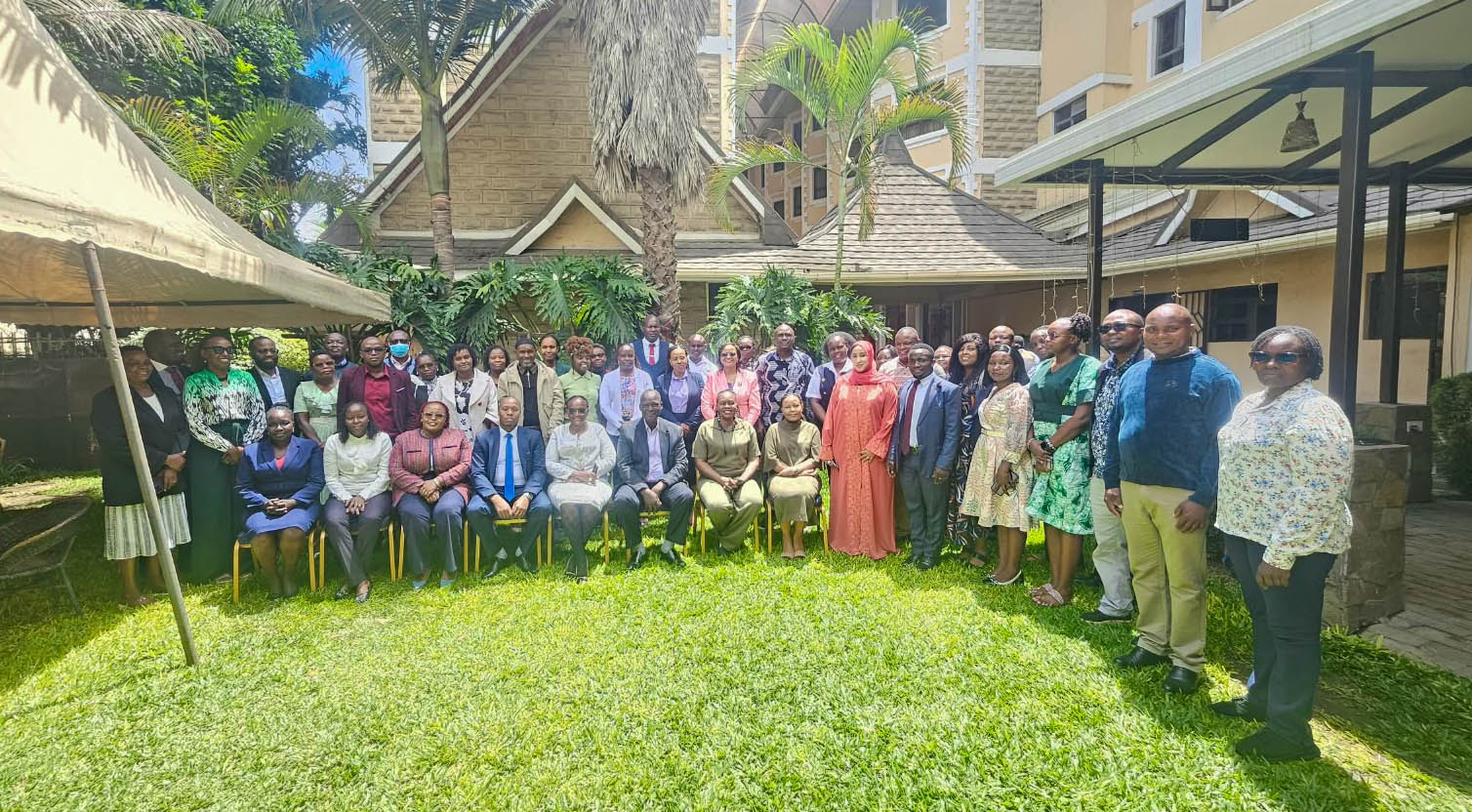
Participants and stakeholders during the two-day national workshop on integrating comprehensive cancer education into health professional training programmes in Kenya.
Dr. Lucy Musyoka, Director of Standards and Regulation at the Ministry of Health, represented Ms. Mary Muthoni Muriuki, Principal Secretary, State Department for Public Health and Professional Standards, at the workshop.
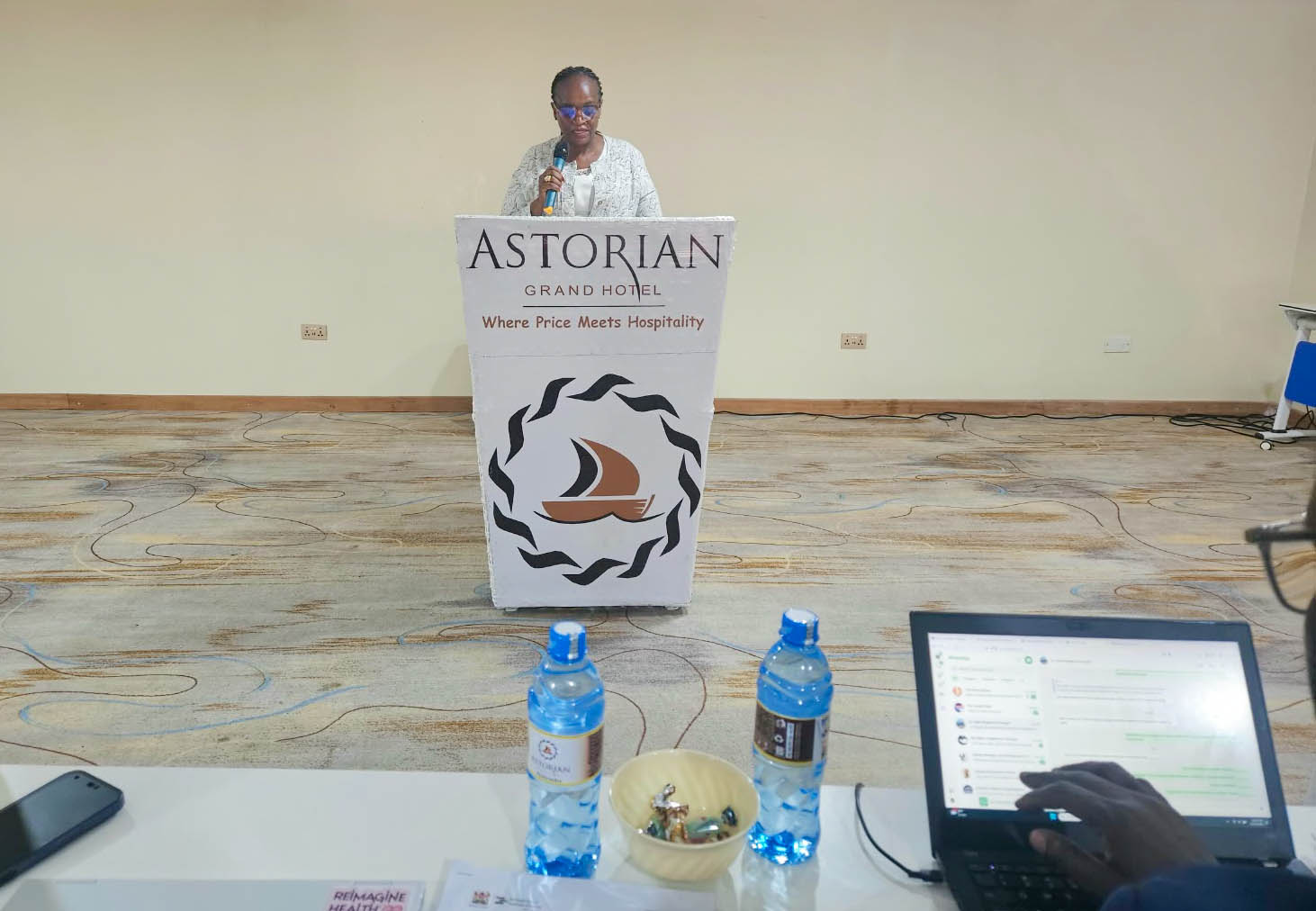
Dr. Lucy Musyoka, Director of Standards and Regulation at the Ministry of Health, addressing participants.
The consultative forum sought to establish a shared understanding of the national case for comprehensive cancer education, assess existing institutional provisions, identify essential graduate competencies and explore practical opportunities for integrating cancer education into existing training curricula.
Discussions on the first day focused on Kenya’s cancer control priorities, the National Cancer Control Strategy, cancer data and surveillance, research, and the role of the health workforce in addressing cancer. Participants also examined the proposed institutional self-assessment tool, which will help establish the current status of cancer education, identify gaps, and highlight opportunities for improvement within training institutions.
A key component of the discussions was identifying what every graduating health professional should understand about cancer, regardless of their area of specialization. This included the importance of cancer prevention, risk reduction, early detection, timely referral, patient management and evidence-based practice.
The second day focused on reviewing institutional findings, validating the proposed cancer education framework and identifying practical approaches to curriculum integration. Stakeholders also examined eight proposed cancer education modules, minimum common competencies and a proposed Core/Basic curriculum matrix.
The workshop further explored the Institute’s mandate in setting standards, strengthening quality assurance, supporting cancer research and data systems, and advancing national cancer prevention and control efforts.
Speaking during the engagement, NCI-K Chief Executive Officer, Dr. Elias Melly, provided leadership in framing the workshop’s objectives and guiding discussions on the national priorities for strengthening cancer education.
The consultations also provided an opportunity for training institutions to identify implementation challenges, including curriculum ownership, faculty capacity, clinical exposure, availability of learning resources, and assessment approaches.
The expected outcomes include stakeholder-informed recommendations on the proposed cancer education framework, institution-specific proposals for curriculum integration and a consolidated action plan outlining priority interventions, responsible parties, supporting partners and indicative implementation timelines.
Through this initiative, NCI-K seeks to promote a more coordinated and comprehensive approach to cancer education, ensuring that health professionals entering the workforce are better prepared to contribute to cancer prevention, early diagnosis, quality care, and improved patient outcomes.
Towards a Cancer-Free Nation.
Leave a Reply