Category: CERVICAL CANCER

  • NCI-K Supports West Pokot’s 5 Day Cancer Screening Drive to Boost Early Detection.

    The National Cancer Institute of Kenya has commended West Pokot County for the successful implementation of a 5 day cancer screening and awareness exercise at Kapenguria County Referral Hospital, noting that the initiative has expanded access to early detection and prevention services for residents

    The screening programme was conducted from January 31 to February 4, 2026 .This provided cervical, breast and prostate cancer screening services, as well as Human Papillomavirus (HPV) vaccination for eligible girls. The outreach targeted long-standing gaps in access to cancer prevention services in the county, where many cases have historically gone undetected until advanced stages.

    County health leadership emphasized that taking screening services closer to communities is key to reducing late diagnosis and improving outcomes. West Pokot County Executive Committee (CEC) Member for Health, Claire , noted that the exercise aimed to ensure that early detection services reach those who need them most, saying, “When screening services are accessible, we can detect cancer earlier and save more lives.”

    NCI-K underscored that late diagnosis remains a major contributor to cancer-related deaths in Kenya and reaffirmed the importance of making screening a routine health-seeking behavior. NCI-K official Chrisantus Wekesa highlighted the importance of early action, stating, “Cancer is treatable and, in many cases, curable if detected early.”

    The exercise aligned with national and global cancer control priorities, including cervical cancer elimination through screening and HPV vaccination, and demonstrated the value of partnerships between county governments, national institutions, and implementing partners. Community sensitization activities and a solidarity march in Makutano town further reinforced messages on healthy lifestyles, stigma reduction, and the importance of timely screening.

    NCI-K encourages other counties to adopt similar outreach models to expand equitable access to cancer prevention and early detection services, particularly in hard-to-reach communities.
  • The Critical Role of Early Detection in Preventing Cervical Cancer

    The Critical Role of Early Detection in Preventing Cervical Cancer

    Cervical cancer is unique because it is one of the most preventable and treatable forms of cancer, provided it is detected early. In Kenya, where cervical cancer remains the leading cause of cancer-related deaths among women, understanding the importance of early detection is a life-saving necessity.

    1. Detection of Pre-Cancerous Lesions

    Cervical cancer does not develop overnight. It typically takes years for persistent high-risk HPV infections to cause changes in cervical cells that eventually lead to cancer.

    • Early screening (via HPV DNA testing or Pap Smears) identifies these “pre-cancerous” lesions before they become malignant.
    • When caught at this stage, simple outpatient procedures can remove the abnormal cells, effectively preventing cancer from ever developing.

    2. Higher Survival Rates

    The stage at which cancer is diagnosed is the single most important predictor of survival.

    • Early Stage: When detected at an early, localized stage, the 5-year survival rate for cervical cancer is over 90%.
    • Late Stage: If the cancer has spread to distant organs (metastatic), the survival rate drops significantly to below 20%. In Kenya, many patients present with Stage III or IV disease, making early detection campaigns a national priority.

    3. Less Invasive and More Affordable Treatment

    Treatment for advanced cervical cancer often requires a combination of radical surgery, chemotherapy, and radiotherapy, which can be physically grueling and financially draining for families.

    • Early Detection: Treatment for early-stage disease is often less invasive, preserves fertility in younger women, and has a much shorter recovery time.
    • Economic Impact: Early intervention is significantly cheaper than managing advanced-stage cancer. Under the Social Health Authority (SHA), early screening and localized treatments are far more cost-effective for both the patient and the healthcare system.

    4. Quality of Life and Fertility Preservation

    For many women in their childbearing years, early detection offers the possibility of fertility-sparing treatments. Advanced cancer treatments often lead to premature menopause or the inability to carry a pregnancy. Early detection ensures that women can survive cancer while maintaining their quality of life and future family goals.

    5. Breaking the Cycle of Mortality in Kenya

    With roughly 9 women dying every day in Kenya from cervical cancer, early detection is the only way to break this cycle. By moving from “symptom-based” care to “screening-based” prevention, we can transform cervical cancer from a death sentence into a manageable—and eventually eliminated—health issue.

    Conclusion: Early detection is not just a medical recommendation; it is an act of empowerment. It shifts the power from the disease back to the individual, ensuring that a diagnosis does not mean the end of a life, but the beginning of a successful recovery.

  • NCI-K and Partners Host Free Cancer Screening and Cancer Warrior Celebration in Eldoret City

    NCI-K and Partners Host Free Cancer Screening and Cancer Warrior Celebration in Eldoret City

    1st November 2025 – Eldoret City

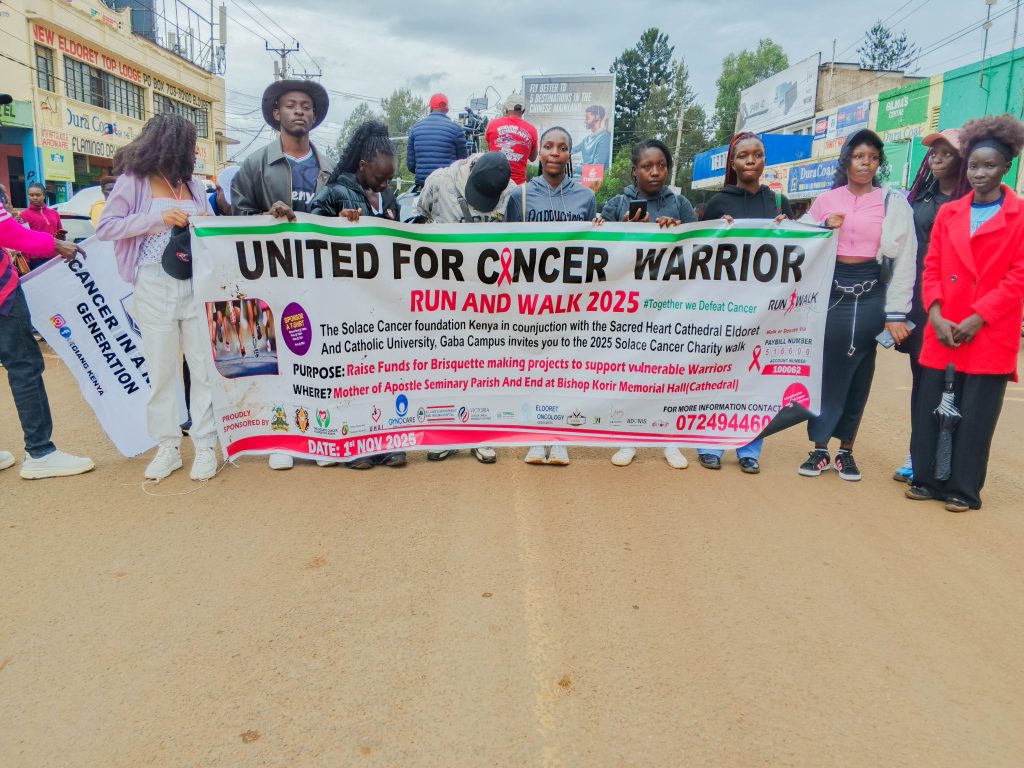
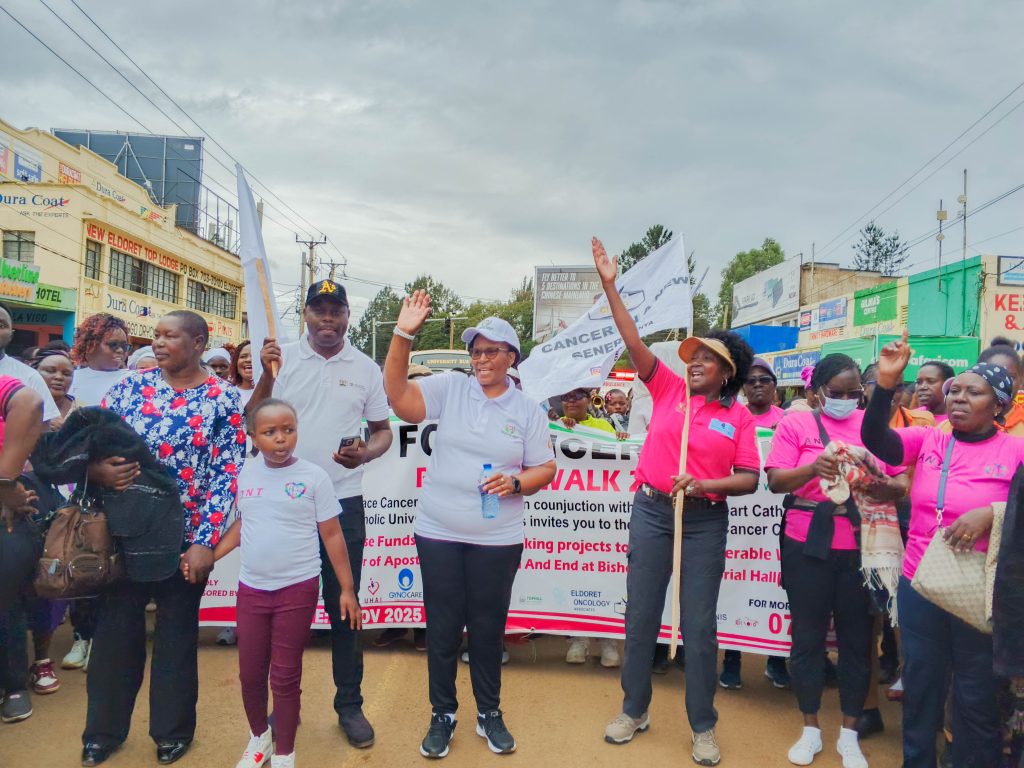
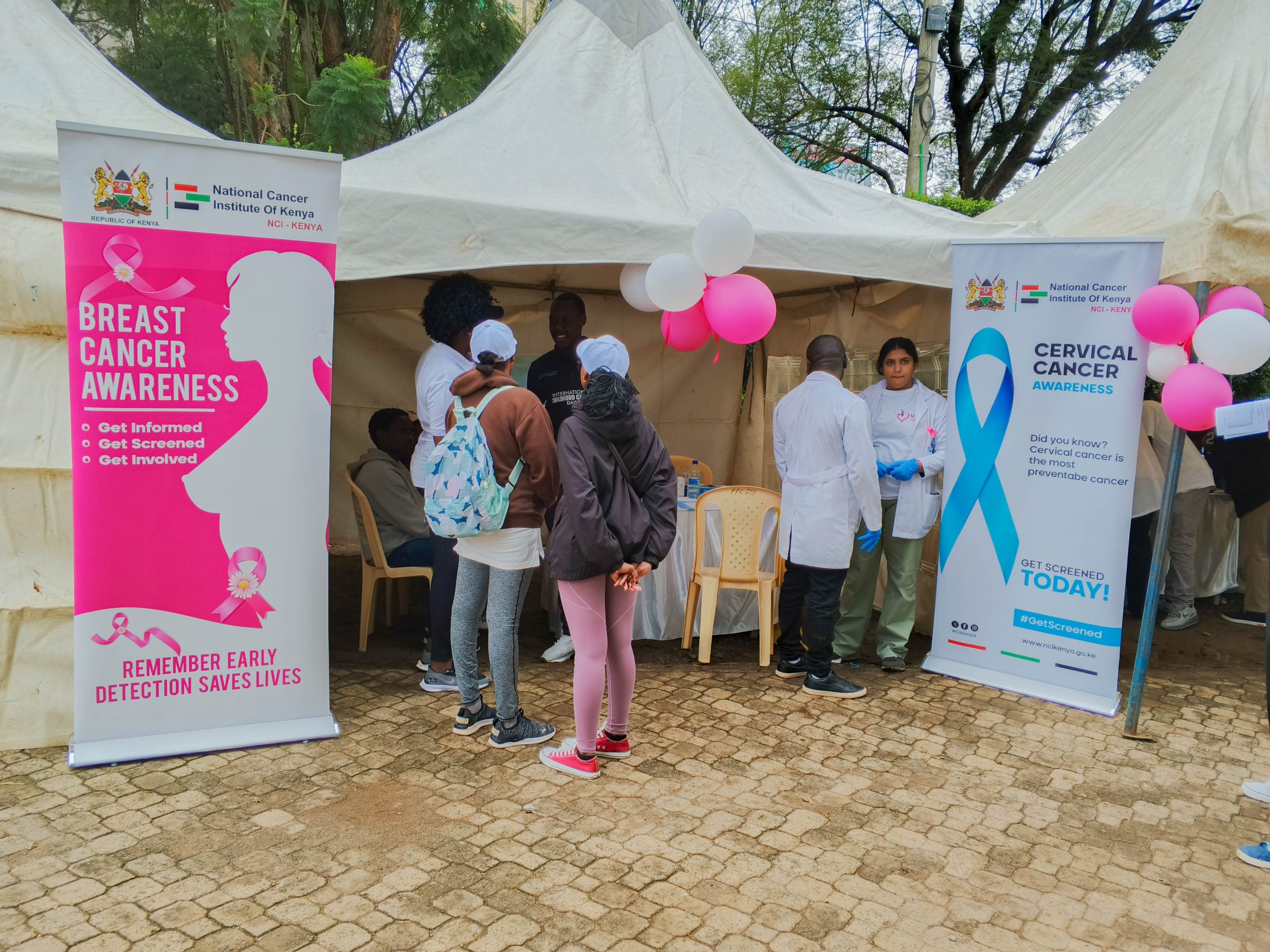
    Today, the National Cancer Institute of Kenya (NCI-K) together with partners including Alexandria Cancer Centre, Eldoret Oncology Associates, Uhai Life Sciences, and Catholic University of East Africa participated in a free cancer screening exercise in Eldoret  City, as well as celebrating cancer warriors, an activity organized by The Solace Cancer Foundation, a non-profit organization championing cancer prevention, early detection, and comprehensive support for every person affected by cancer to access dignified care in Kenya. This is part of the continued efforts by NCI-K to increase cancer education, awareness, and screening nationwide in commemoration of Breast Cancer Awareness Month. Screening services offered included breast, cervical, and prostate cancer.

    0#

    Notable people present included the National Assembly Deputy Speaker, Hon. Gladys Boss Shollei, and Uasin Gishu County leadership represented by County Executive Committee member, Mrs Joyce Sang.

    Advocating for cancer prevention, Hon. Shollei mentioned the continued efforts to expedite the formulation of regulations to remove the banned hazardous herbicides from Kenyan markets, urging members of the National Assembly to work to protect the Kenyan population from these cancer-causing products. “These products have been banned in foreign countries, but still find market access in Kenya.” According to her, Kirinyaga County has the highest prevalence of cancer, and the highest county using the same products. The National Assembly leader encouraged members of the public to continue registering with the Social Health Authority to enjoy the benefits of Universal Health Coverage.

    Cancer champions and advocates in the walk.

    Dr. Rebecca Omollo, the Founder of The Solace Cancer Foundation, and a breast cancer survivor, thanked the National Cancer Institute of Kenya for the efforts it is putting in combating the cancer menace in the country, specifically, she thanked the CEO, Dr. Elias Melly, for leading in the cancer advocacy, policy formulation, and support to County governments.

    The institute’s continued partnership efforts are in line with our mission and objectives of eradicating conditions that cause and aggravate the spread of cancer, as well as working to ensure the implementation of the five pillars in our National Cancer strategic plan, 2024-2027. The nationwide campaign aims to encourage members of the public to prioritize their health by embracing the free screening initiatives launched by the national government.