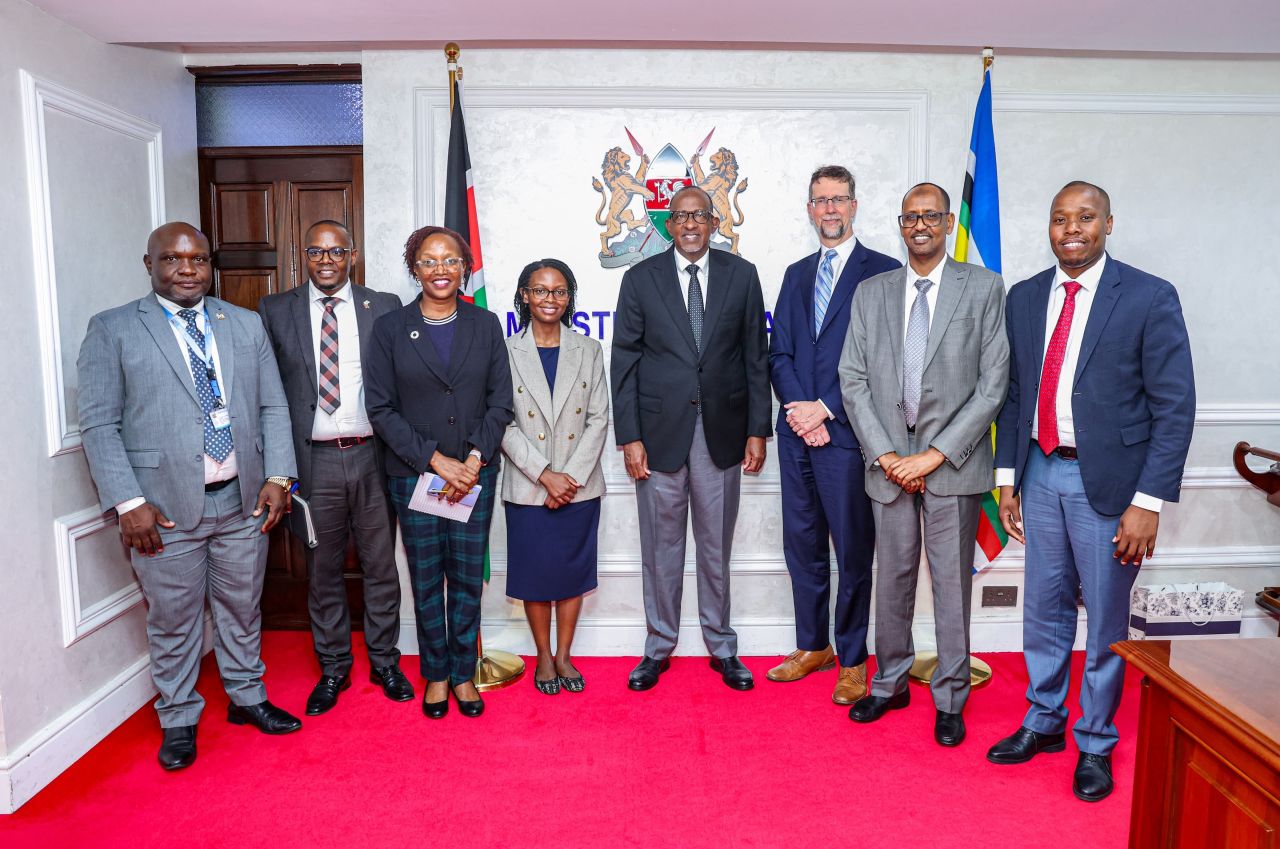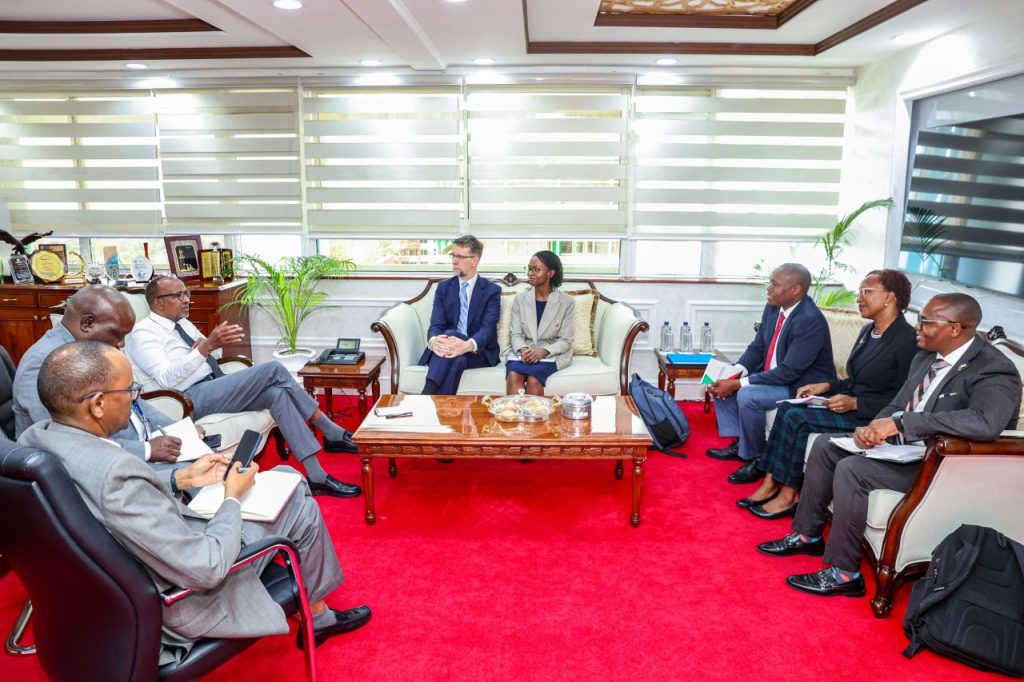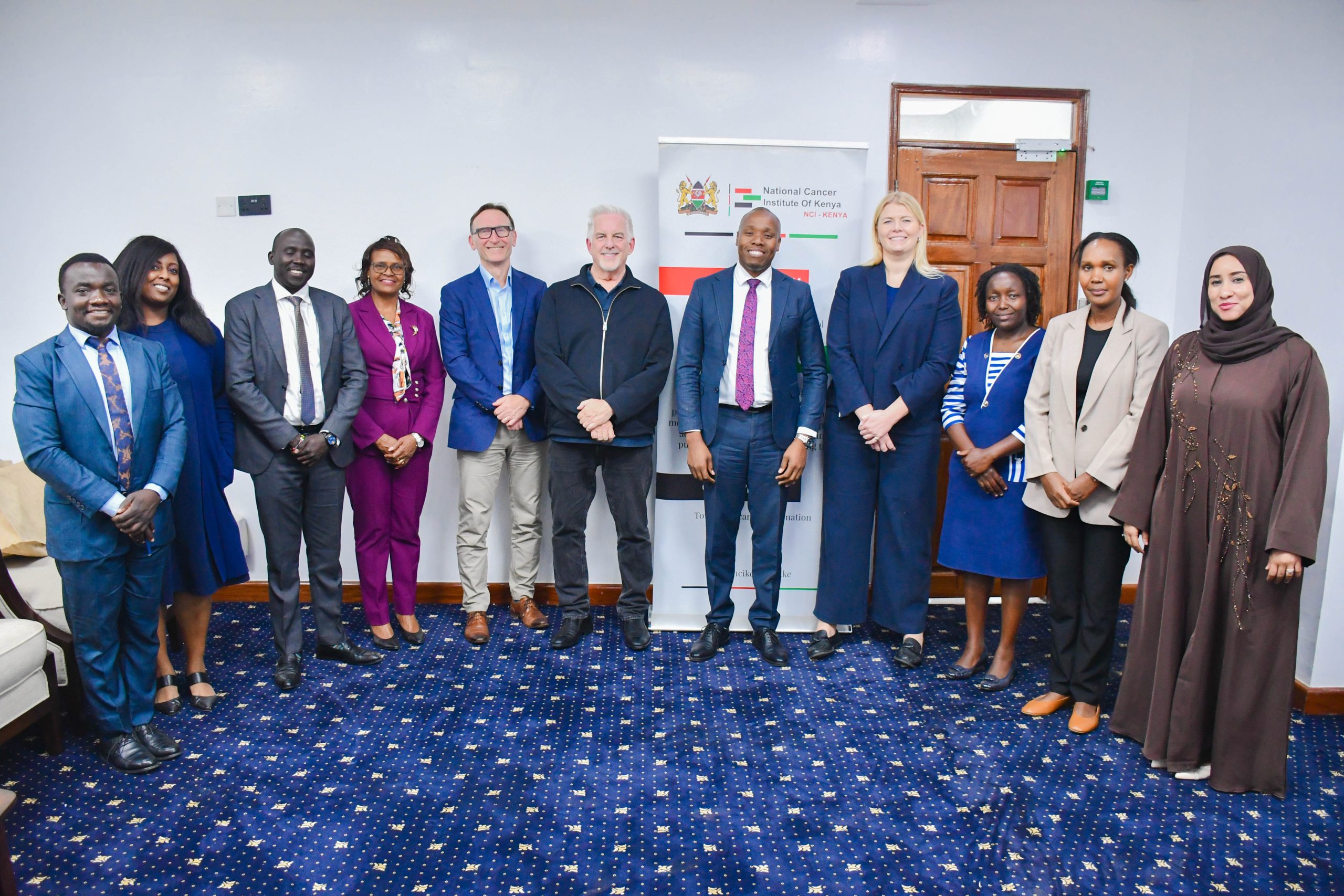
The National Cancer Institute-Kenya (NCI-K) hosted a delegation from the University of Manchester and its cancer research and clinical partners for an engagement focused on strengthening collaboration in cancer research, screening, diagnostics, training, mentorship and capacity building.
The visiting team was received by the NCI-K Chief Executive Officer, Dr. Elias Melly, who highlighted the Institute’s mandate and its ongoing efforts to strengthen cancer control through research, evidence generation, innovation and strategic partnerships.
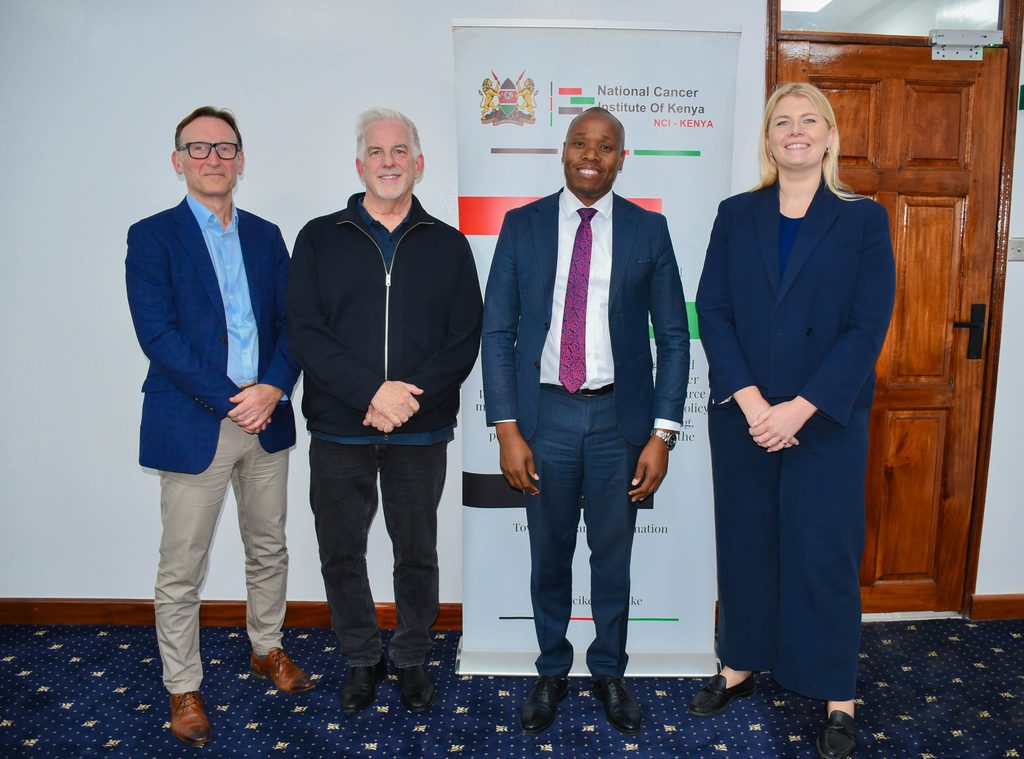
From left, Professor Sacha Howell – Division of Cancer Sciences; Professor Robert Bristow – Director, Manchester Cancer Research Centre; Dr. Elias Melly, CEO, NCI-k and Rachel Chown — Associate Director, Integrated Research and Education Strategy, The Christie NHS Foundation Trust.
During the visit, the delegation was briefed on the National Cancer Registry, including cancer data collection, analysis and reporting in Kenya. The team also received a presentation on the NCI-K Cancer Data Dashboard, showcasing the latest available 2024 cancer data and its role in informing cancer planning, policy, research and service delivery.
The delegation was further taken through research projects supported by NCI-K through its Seed Grant Programme, highlighting the Institute’s commitment to promoting locally relevant research and building Kenya’s cancer research capacity.
Exploring Areas of Strategic Collaboration
Discussions focused on areas where the complementary strengths of NCI-K and the Manchester cancer research ecosystem could support advances across the cancer care and research continuum.
A key area was breast cancer screening and imaging, including strengthening national mammography services, improving screening uptake in rural and urban settings, and exploring the application of artificial intelligence and machine learning in mammographic image interpretation and cancer detection.
The teams also explored opportunities for collaboration in lung cancer screening, with a focus on generating evidence to inform appropriate screening approaches and strengthening early detection.
Other areas identified included histopathology and diagnostic capacity, particularly through assessing skills gaps and developing targeted approaches to strengthen specialist expertise, laboratory capacity and cancer diagnostics.
Strengthening Training, Fellowships and Mentorship
The engagement also explored opportunities for fellowships, mentorship and structured training programmes for Kenyan researchers and healthcare professionals. Discussions included the development of online learning modules, short-term training programmes and other flexible professional development opportunities.
These areas align with Manchester’s established strength in cancer education, clinical research and workforce development. The Manchester Cancer Research Centre brings together The University of Manchester, The Christie NHS Foundation Trust and Cancer Research UK, creating an integrated environment in which basic science, translational research and clinical practice are closely connected. The Centre’s research strategy spans multiple cancer types and links basic, translational and clinical research through a wider network of externally funded institutes, centres and research programmes.
Genomics, AI and Precision Cancer Research
The discussions further identified opportunities for joint research in genomics, artificial intelligence and machine learning, including the use of advanced technologies to improve cancer diagnosis, understand disease biology and support data-driven cancer research.
Manchester has significant expertise in cancer genomics and data science, with ongoing international research programmes examining the genetic basis of cancer and opportunities to improve early detection and treatment. Importantly, Manchester already has an active research collaboration in Kenya on oesophageal cancer, led by Professor Rob Bristow in partnership with Kenyan researchers, focusing on early detection and the genetic changes associated with oesophageal squamous cell cancer.
The teams also discussed opportunities to explore the application of AI in research methodologies, including innovative approaches to study design and participant randomisation.
The engagement highlighted the potential for NCI-K and Manchester to build on complementary strengths: NCI-K’s national cancer data, research mandate and understanding of Kenya’s cancer landscape, alongside Manchester’s expertise in cancer genomics, precision oncology, imaging, artificial intelligence, clinical research, translational science, education and multidisciplinary cancer care.
The Manchester Cancer Research Centre is a world-leading comprehensive cancer research partnership, bringing together scientists, clinicians and research institutions to accelerate the translation of discoveries into improved cancer prevention, diagnosis and treatment. Its strong international outlook and existing collaborations in Kenya provide a valuable foundation for expanding research and capacity-building partnerships.
NCI-K and the University of Manchester will continue discussions to translate the areas identified into practical programmes that can contribute to strengthening cancer research, innovation, early detection, diagnostics, workforce development and cancer control in Kenya.
University of Manchester Delegation
The delegation included:
Rachel Chown — Associate Director, Integrated Research and Education Strategy, The Christie NHS Foundation Trust. Rachel previously served at the Manchester Cancer Research Centre, where she led training and education and supported international links, academic collaborations, and research-related education programmes.
Professor Robert Bristow — Director, Manchester Cancer Research Centre (MCRC); Director, Cancer Research UK Manchester Centre; University Professor of Cancer Studies, University of Manchester; and Senior Group Leader in Translational Oncogenomics at the Cancer Research UK Manchester Institute. Professor Bristow’s research includes cancer genomics, tumour biology, DNA damage and repair, and treatment response.
Professor Sacha Howell is a professor in the Division of Cancer Sciences at the University of Manchester and a leading breast cancer clinician-researcher. His research focuses on breast cancer treatment and prevention, breast cancer risk prediction, imaging and mammographic density, with links to research in artificial intelligence and mammographic imaging.