Blog

  • NCI-K CELEBRATES CEO DR. ELIAS MELLY IN THIS MASHUJAA DAY, 2025.

    NCI-K CELEBRATES CEO DR. ELIAS MELLY IN THIS MASHUJAA DAY, 2025.

    On this Mashujaa Day, we honor the heroes who have dedicated their lives to serving our nation, and we proudly recognize our CEO, DrEliasMelly, as one of Kenya’s modern-day heroes.

    Your tireless work at the National Cancer Institute of Kenya, is a testament to the true meaning of service. Leading the fight against cancer is a challenge that demands immense courage, empathy, and strategic vision—qualities you embody every single day.

    We especially celebrate the recent, well-deserved recognition from Huduma Kenya. Your commitment to collaboration and citizen-centric service delivery is changing how healthcare is accessed in our country, ensuring that life-saving cancer care is brought closer to every Kenyan.

    Thank you for your leadership, dedication, and unwavering hope. You are a beacon of inspiration to the entire NCI-K team and a genuine Shujaa whose impact is measured in the lives you help save and the hope you restore to families across Kenya.

    Dr. Melly is a true national hero, recognized not only for his medical expertise as an Oncologist, but also for his vision in transforming cancer care access.

    His leadership as a true national hero in oncology has revolutionized Kenya’s cancer care landscape. His efforts are comprehensive, ranging from establisment of the Chandaria Cancer Centre at MTRH, as a founding member, to his commitment to decentralizing care across marginalized counties, successfully leading the opening of oncology centers in Turkana County, Samburu County, and establishing the Kwale Oncology Centre in Kwale County, among others.
    Furthermore, he is dedicated to empowering homegrown solutions by securing funding for Kenyan cancer research and building the national cancer data registry that provides evidence-based policy direction, ensuring all Kenyans receive the high-quality, localized care they deserve.

    Happy Mashujaa Day!

  • Successful Conclusion of Three-Day Oncology Workshop on Strengthening Cancer Care in Kenya

    Successful Conclusion of Three-Day Oncology Workshop on Strengthening Cancer Care in Kenya

    The National Cancer Institute of Kenya (NCI-K), together with key partners BD (Becton Dickinson) and Pfizer, concluded a three-day co-created oncology workshop today at Lake Naivasha Resort. The session, which began on 13th October, brought together over 50 oncology professionals from Kenya’s major private, referral, and county hospitals.

    The workshop was attended by strong representatives from leading medical institutions, including Kenyatta National Hospital (KNH), Moi Teaching and Referral Hospital (MTRH), Kenyatta University Teaching, Referral, and Research Hospital (KUTRRH), Coast General Teaching and Referral Hospital, Garissa Referral Hospital, The Nairobi Hospital, Aga Khan University Hospital, and MP SHAH. These Kenyan professionals engaged directly with experts from BD’s Dubai and South Africa offices, as well as Pfizer’s regional team, reinforcing a joint commitment to innovation, safety, and equitable access in cancer care.

    Festus Kamau, from BD, demonstrating the use of PICC and PORTS (vascular access management devices)

    The primary focus of the workshop was the mainstreaming of cancer health products and technologies across the end-to-end supply chain, ensuring that Universal Health Coverage (UHC) is realized through accessible, available, and affordable quality reagents, medical supplies, and drugs. This commitment is anchored by critical access programs, including the Memorandum of Understanding (MoU) signed between the Pfizer Accord for a Healthier World and the Ministry of Health (MoH). These programs have already led to a significant reduction in the cost of cancer care, covering novel therapies based on current evidence. Additionally, BD ensures the availability of essential oncology-related products such as specialized cannulation devices and biopsy collection tools.

    A highlight of Day Two was a dedicated breakout session on Oncology Quantification, led by Mr. Geoffrey Magwi from KEMSA, which provided an opportunity for structured quantification of oncology molecules across the participating facilities. The session underscored KEMSA’s critical role in ensuring the last-mile supply of oncology medicines to both public and private sector facilities. Through this session, participants explored harmonized approaches to forecasting, procurement, and distribution to ensure uninterrupted access to quality cancer medicines.

    Participants actively follow the session presentations

    A high-level panel discussion on “National Frameworks for Oncology Medicines and Biosimilars” was another centerpiece of the event, featuring experts from the Directorate of Health Products and Technologies (DHPT), the Pharmacy and Poisons Board (PPB), the Social Health Authority (SHA), KEMSA, and the oncology fraternity. The discussion highlighted the urgent need for Kenya to develop a national biosimilar framework to ensure the quality, safety, and cost-effectiveness of oncology medicines, aligning with the country’s broader access and regulatory goals.

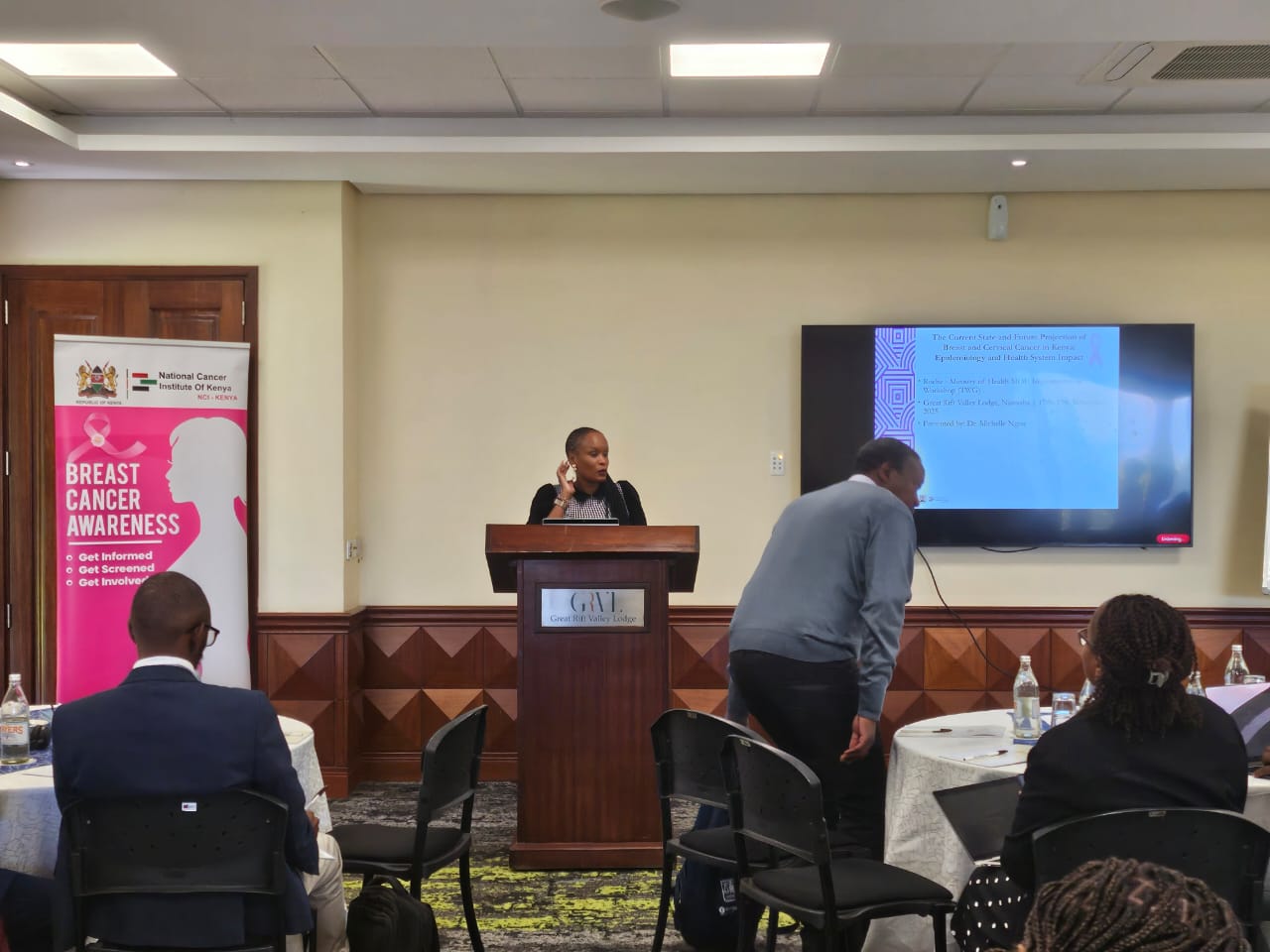
    Dr. Michelle Nguu from the National Cancer Institute of Kenya emphasized the importance of transitioning from dialogue to implementation — particularly in operationalizing strategies discussed during the workshop. She stressed the Institute’s commitment to supporting structured coordination, evidence generation, and technical guidance to enhance oncology service delivery. Dr. Nguu also announced the formation of a BD-led Technical Working Group to pilot vascular access management guidelines in one of Kenya’s public hospitals, focusing on the clinical application of Peripherally Inserted Central Catheters (PICCs) and implanted ports to improve patient safety and treatment outcomes.

    The workshop was officially closed by Dr. Elias Melly, CEO of the National Cancer Institute of Kenya. In his keynote address on “Strengthening Cancer Care in Kenya,” Dr. Melly commended the progress achieved under the National Cancer Control Strategy (NCCS) 2023–2027 and reaffirmed NCI-K’s commitment to advancing collaborative frameworks that improve equitable access to quality oncology care nationwide.

    The three-day event concluded with a clear synthesis of lessons and priorities, driving forward the collective goal of building a harmonized, evidence-driven, and patient-centered approach to cancer care delivery in Kenya.

  • Liver Cancer Crisis: Epidemic hiding in plain sight

    Liver Cancer Crisis: Epidemic hiding in plain sight

    Every October, during Liver Cancer Awareness Month, we at the National Cancer Institute of Kenya (NCI–K) join the global health community in raising awareness about one of the world’s most preventable yet deadliest cancers, liver cancer.
    Liver cancer rarely announces itself until it’s too late, yet this deadly disease is largely preventable through vaccination, screening, and healthier lifestyle choices. Every year, we renew our commitment to educating the public, promoting early detection, and empowering Kenyans to take proactive steps for their health.  With cases on the rise locally, it serves as a stark reminder that awareness without action is insufficient. Let’s fight back together!

    The Growing threat in Kenya

    Liver cancer ranks among the country’s top causes of cancer-related deaths, with hundreds of new cases reported annually. A 2022 media report referencing data shared by NCI–K CEO Dr. Elias Melly noted that liver cancer was the 11th deadliest cancer in Kenya, with over 800 new cases recorded that year.

    “Kenya is seeing a growing cancer burden linked to preventable risk factors,” Dr. Melly has emphasized in several public statements. “Strengthening prevention, from hepatitis B vaccination to public education, remains the foundation of saving lives.” This institutional focus aligns with the national goal of expanding cancer screening and vaccination programs, particularly in counties where access to diagnostic services remains limited.

    Expert Perspective: ‘A Silent Epidemic’

    In an interview on NTV’s Your Health Show, Kenyan oncologist Dr. Andrew Odhiambo described liver cancer as “a silent epidemic” that often goes unnoticed until it’s too advanced for treatment.

    “By the time many patients arrive in hospital, their liver is already beyond repair,” Dr. Odhiambo noted, urging Kenyans to take early screening and vaccination seriously. His warning reflects a broader concern among clinicians: that low awareness, delayed diagnosis, and untreated hepatitis infections are driving the country’s liver cancer cases.

    Watch the whole discussion on NTV’s Your Health Show.

    Preventing Liver Cancer: Knowledge, Vaccination, and Early Screening

     As NCI–K, we continue to emphasize that most cases of liver cancer can be prevented through informed choices and proactive health practices. Vaccination against hepatitis B, one of the leading causes of liver cancer, remains the single most effective preventive measure. We also urge Kenyans to avoid excessive alcohol consumption, ensure proper food storage to prevent aflatoxin contamination, and seek early screening, especially for individuals living with chronic hepatitis or a family history of liver disease. Maintaining a balanced diet and engaging in regular exercise further protects against fatty liver disease and its related complications.

    Through sustained public education, partnerships, and nationwide campaigns, NCI–K remains steadfast in its commitment to ensuring every Kenyan can access accurate information, early detection, and quality preventive services in the fight against liver cancer.

    From awareness to action

    Liver cancer does not announce itself, but its prevention depends on awareness and timely action. This Liver Cancer Awareness Month, we urge all Kenyans to discuss screening and vaccination with their healthcare providers.

    “Early detection saves lives. Our goal is to move Kenya from late diagnosis to early prevention,” says Dr. Melly.

  • Why Kenyans detect breast cancer when it’s already advanced, and how we can flip the script

    Why Kenyans detect breast cancer when it’s already advanced, and how we can flip the script

    Why Kenyan Women Still Present Late

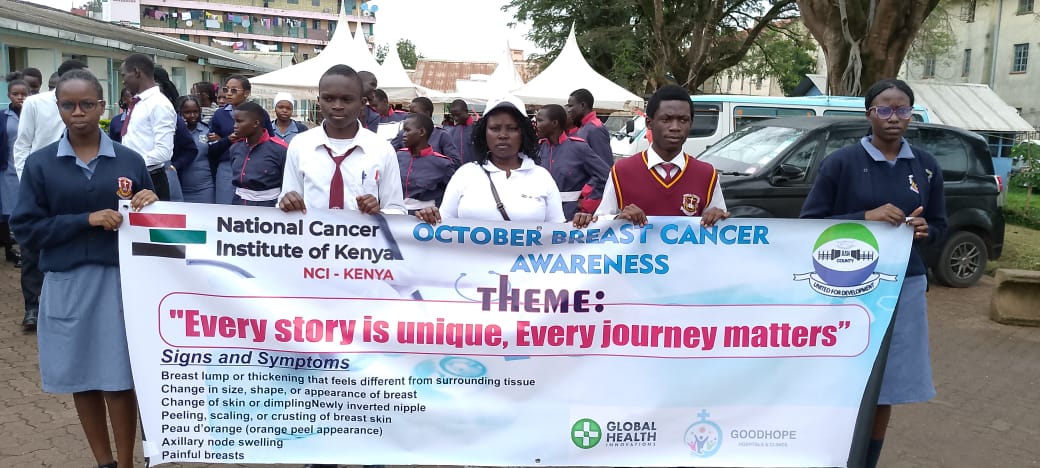
    “The first thing I thought was, I’m going to die.”  Evalyn Allela, breast cancer survivor. When Evalyn Allela first noticed a lump in her breast, the world stopped. Like many Kenyan women, her first reaction wasn’t to seek medical advice; it was fear. “For the longest time, we knew cancer was a killer disease,” she recalls. That fear is a reflection of a painful national truth. According to Dr. Elias Melly, CEO of the National Cancer Institute of Kenya (NCI-K), “60 -70% of breast cancers in this country are diagnosed at stage 3 and 4 “. Dr. Melly made the remarks during an interview with Citizen TV Kenya, highlighting an urgent reality that most breast cancer cases in Kenya are caught when there are limited treatment options. Behind every late diagnosis is a mix of silence, stigma, misinformation, and access barriers that keep too many women from early screening and timely care.

    Breast cancer is one of the most diagnosed cancers among women in Kenya, yet early detection rates remain depressingly low. The reasons are complicated and deeply social. Many women delay screenings out of fear of what they might find. Others struggle with limited access to diagnostic services, especially in rural counties. Misinformation, stemming from myths about causes and misconceptions about treatment, continues to discourage open discussion. “We still have women coming when it’s too late to save the breast,” notes Dr. Melly. “We must focus on community education and encourage early screening if we are to change these numbers.” The result is a silent epidemic that persists not only in hospitals but also in homes, workplaces, and social spaces, where discussing cancer remains a taboo topic.

    Flipping the script: From Fear to Fight

    For Evalyn, her turning point came when she chose to speak openly about her experience. “At first, I was terrified,” she admits. “But once I shared my story, I realized so many women were going through the same fear in silence.” Her courage reflects what Kenya urgently needs: a national culture that treats conversations about cancer not with dread, but with openness and strength. Every conversation started, every myth corrected, and every story shared brings the country closer to early detection and survival.

    At NCI-K, the message is clear: awareness must move beyond pink ribbons and hashtags. Real change happens when communities feel empowered to talk, screen, and support one another before it’s too late.

    Building a New Culture of Early Screening

    Dr. Melly emphasizes that prevention and early diagnosis remain the most powerful tools against cancer. “We know that the earlier breast cancer is detected, the better the chances of survival. But that begins with awareness, regular check-ups, and access to screening even at the community level.”

    NCI-K continues to collaborate with County Governments, health professionals, and community health promoters to enhance cancer awareness and screening outreach nationwide. But the most important change begins with us. Men and women choosing to prioritize their health, families encouraging open conversations, and communities creating safe spaces for cancer education.

    Now that we know better, we do better

    Evalyn’s story is not only a survival story but also an advocacy. “I want women to know that early detection saved my life,” she says. “Cancer is not a death sentence. The fear is worse than the disease.”

    As Breast Cancer Awareness Month continues, NCI-K calls on all Kenyans to take one small but powerful step: talk about it, ask questions, and encourage a screening because changing the conversation about cancer might be the key to saving more lives.

  • Prostate cancer and nutrition: What every Kenyan man should know.

    Prostate cancer and nutrition: What every Kenyan man should know.

    Prostate cancer is the most common cancer among men in Kenya. It accounts for approximately 14.4% of all male cancer cases. Yet, it is not talked about enough. Our latest data show 2800 new cases and 1300 deaths every year, with most detected late. This limits treatment options, and the outcome is mostly poor. While screening is the gold standard for early detection, research indicates that nutrition plays a vital role in reducing risks and enhancing long-term health. Food is information for your cells, not just fuel. In Kenya, where cultural preferences like nyama choma, fried foods, and alcohol are high, diet can be a quiet enabler of cancer risk.

     Building a prostate-friendly Kenyan plate

    1. Tomatoes and Red Fruits

    Cooked tomatoes, guavas, and watermelon are rich in lycopene. It is a powerful antioxidant associated with a lower risk of prostate cancer. Add blended tomato sauces to ugali and sukuma instead of just onions and oil.

    • Leafy Greens (Folate Boosters)

    Sukuma wiki, spinach, managu, and terere are rich in vitamins, minerals, and fiber that help repair DNA damage and lower inflammation. Lightly steam or fry with minimal oil. Avoid overcooking it.

    • Legumes and Soy

    Beans, lentils, and soy contain phytoestrogens, which may help slow the growth of cancer cells. These are excellent alternatives to red meat and are widely available and affordable.

    • Fish and White Meat

    Tilapia, omena, and chicken provide lean protein and omega-3 fatty acids that offer protection. It is advised that you grill or steam instead of frying.

    Food that increases the risk

    1. Red and Processed Meat

    This is a cultural favorite. When Kenyan food is mentioned, nyama choma is at the top of the list. Frequent consumption of nyama choma, sausages, and other processed meats introduces harmful compounds when cooked at high temperatures. We are not telling you to abandon it entirely, but moderation is Key.

    1. High-Fat Dairy

     High-fat milk is a daily staple. From morning tea to the evening ugali accompaniment, most Kenyans can’t fathom a life without it. However, research shows that full-cream dairy raises growth factors that fuel prostate cancer cells. A simple swap to low-fat milk or plant-based options offers the same comfort without the hidden danger.

    1. Excessive Alcohol

    Alcohol raises cancer risk and weakens the immune system — yet is a standard part of Kenyan social life. Limiting the alcohol to an occasional one drink or choosing a healthier alternative like fresh juice will keep the social life going without the long-term damage.

    Debunking Common Myths

    • Myth: “Only old men get prostate cancer.”
      Fact: Risk rises after 45, but lifestyle choices from a young age matter.
    • Myth: “If I feel fine, I don’t need screening.”
      Fact: Prostate cancer can be silent for years; only screening detects it early.
    • Myth: “Eating healthy is expensive.”
      Fact: Sukuma, beans, and tomatoes are among the most affordable foods in Kenyan markets.

    Next steps for Kenyan men

    If you are a Kenyan man over 45, or younger with a family history of prostate cancer, make screening a regular part of your health routine. Complement this with simple dietary changes: increase your intake of tomatoes, greens, beans, and fish, while reducing your consumption of red meat and alcohol. A balanced diet, alongside exercise, stress management, and regular screenings, creates a strong defense against prostate cancer. At NCI-K, we emphasize that early action saves lives; screening allows for detection when prostate cancer is most treatable. While nutrition cannot replace medical care, it serves as a controllable frontline defense starting with your next meal.

  • National Cancer Institute of Kenya Forges Global Partnerships at Harvard Summit

    National Cancer Institute of Kenya Forges Global Partnerships at Harvard Summit

    BOSTON, MA, 25th September, 2025 – The National Cancer Institute of Kenya (NCI-K) CEO, Dr. Elias Melly, participated in a three-day Global Health Catalyst Summit at Harvard University. Held from September 19 to 21, 2025, the summit provided a platform for international collaboration, bringing together top-notch minds from around the world to discuss innovations in global health and development. The event’s theme was “Catalyzing Win-Win Collaborations for Global Health and Development; Advancing Healthcare Outreach, Research, and Education Powered by AI.”

    Dr. Melly’s presentation focused on a crucial aspect of modern cancer treatment: a cross-disciplinary approach that explores the synergy between Clinical and Surgical Oncology. His talk highlighted Kenya’s commitment to adopting cutting-edge solutions in the fight against cancer.

    This event, organized by Harvard Zhu Family Center for Global Cancer Prevention and other partners drew together world Ministers, Institution Leaders, Industry, professionals from renown institutions and organizations including John Hopkins, University of Washington St Louis, Oxford University, International Atomic Energy Agency (IAEA), Union for International Cancer Control (UICC), AMSTRO, AAPM, AORTIC, Oncology Club, Leo Cancer Care USA, Diaspora and other C4 Stakeholders and many other renown institutions in the world.

    The National Cancer Institute of Kenya leadership is actively building international and regional collaborations and partnerships that will make the fight against cancer significantly easier. As a regional leader in cancer treatment and management, Kenya’s efforts are a beacon for East Africa. With leaders from Kenya, Uganda, and Tanzania coming together for the sole purpose of uniting their efforts, the establishment of the East Africa Cancer Institute is now closer than ever.

    A New Era of AI-Powered Cancer Care

    With the world technological advancements, featuring AI, health is a matter of concern, with the cancer diagnostics and treatments being at the centre of discussion, this is why one Key event milestone characterizing this summit is the historic implementation of the World’s first AI-powered comprehensive cancer centre in the cloud (C4) – delivering world class comprehensive care, outreach, research and education across the globe. This milestone achievement is a collaborative effort between Harvard Zhu Family Center for Global Cancer Prevention, MIT Computer Science and Artificial Intelligence Laboratory, The Religion and Global Health Forum at Garrett, University of Massachusetts Lowell Medical Physics & Radiological Science, and Johns Hopkins CaREER program.

    Presentations and discussions, from world-class professionals and experts, throughout the summit explored how AI can transform cancer care, with topics including:

    • Win-win Collaborative Radiotherapy Innovations powered by AI
    • Radiotherapy Reimagined: Can C4 and AI End the Cancer Divide by 2035?
    • C4 win-win Collaborative Radiotherapy Research
    • C4 Collaborative Radiotherapy Education
    • C4 for Comprehensive Care & Advocacy/Outreach
    • The Future of Cancer Prevention and Early Diagnostics
    • Implementing the 2025 World Health Organization Resolution on Strengthening Medical Imaging Capacity
    • C4 Cross-disciplinary Treatment: Clinical Oncology and Surgical Oncology
    • C4 for Research and Education

    A larger segment of time at this Summit was dedicated to showcasing innovations in cancer care, particularly those powered by technology. As discussed above, the presentations highlighted groundbreaking approaches, including how the C4 platform and AI can work together to end global cancer disparities by as early as 2035. Experts also explored how AI can optimize the coordination of multi-country clinical trials, including those for hypofractionated radiotherapy—a technique that can significantly increase patient access to treatment by reducing its duration. Additionally, sessions on cancer prevention and early detection underscored the importance of leveraging technology to improve public health outcomes.


    Beyond technology, the summit focused on strengthening global partnerships and improving healthcare development through a variety of initiatives. Discussions covered topics such as the ASCO-Global Oncology Implementation Science (GO-IS) initiative, which focuses on applying research to improve cancer care in low- and middle-income countries. The C4 Collaborations Platform was presented as a way to facilitate partnerships between institutions in the United States and low- and middle-income countries for a wide range of needs, including oncology and palliative care. Other vital topics included global health finance, the role of the diaspora in health exchange, and fostering diversity and inclusion in clinical trial partnerships.

    A Key takeaway from the summit was that the Global Health Catalyst Summit at Harvard presented a hub for world-class professionals and experts, where presentations and discussions explored a wide range of critical topics. These sessions were designed to catalyze international collaboration and leverage technology, particularly AI, to improve global health outcomes.

  • Kabarak University and International Cancer Institute Host a Landmark Conference on Advancing Cancer Care

    On September 18th and 19th, Kabarak University and the International Cancer Institute (ICI) co-hosted the 15th International Research Conference, drawing attention to Kenya’s urgent need for improved cancer care. The conference, themed “Advancing Access to Quality Cancer Care and Control,” brought together experts and stakeholders to discuss strategies for combating the rising incidence and mortality rates of cancer in the country.

    The event was officially opened by the Vice Chancellor of Kabarak University, Prof. Henry Kiplangat, PHD, MBS, OGW, who welcomed the distinguished attendees. He highlighted the grim cancer statistics from 2022, where 44,726 new cases and 29,317 deaths were reported in Kenya. In response to this crisis, Prof. Kiplangat announced the university’s Master of Pharmacy in Oncology Pharmacy program, the first of its kind in Kenya. Developed in collaboration with the ICI, the program is designed to produce specialized, “practice-ready” oncology pharmacists to meet national and global demand.

    The conference featured prominent speakers, including keynote speaker Dr. Mansoor Saleh, MD, Founding Chair of the Department of Hematology-Oncology at Aga Khan University and the guest speaker, Dr. Elias Melly, CEO of the National Cancer Institute of Kenya (NCI-K), who was represented by Ms. Emily Barsito, Head of Strategy, Planning, Partnerships, and Resource Mobilization, as she presented Dr Elias Melly’s speech.

    In his speech, the CEO stated that the conference was more than just a forum for dialogue; it symbolized a “joint commitment to preparing the next generation of professionals.” He identified Kabarak University and the ICI as “game-changers” in the cancer care ecosystem.He outlined three key areas of focus:

    • Training the Next Generation: Beyond pharmacy, he stressed the importance of equipping students in medical, nursing, and allied health fields for roles in prevention, diagnostics, and survivorship care.
    • Research and Innovation: He called for research to generate local data for targeted interventions, and to develop affordable diagnostics, natural product drugs, and cost-effective care models.
    • Collaboration with Government: He underscored the need for institutions to partner with the NCI-K to co-develop training programs and pilot new care models.

    Concluding his remarks, Dr Melly urged attendees to leave the conference with “action plans” and “partnerships,” and pledged the NCI-K’s unwavering support. “Let us create a Kenya and an Africa where quality cancer care is not the exception, but the norm. The time is now,” he stated, leaving a powerful call to action for everyone involved in the fight against cancer.

  • East Africa Unites in the Fight Against Cancer: Rays of Hope

    East Africa Unites in the Fight Against Cancer: Rays of Hope

    18th September, 2025 – Vienna, Austria – The heads of leading cancer institutes in East Africa have today joined forces to create the East Africa Cancer Institute Association (EACCIA). This agreement was made today at the 69th General Conference of the International Atomic Energy Agency (IAEA) in Vienna, initiating a new phase of regional collaboration in the fight against cancer.

    From left: Dr. Elias Melly, CEO National Cancer Institute of Kenya, Dr. Jackson Orem, Uganda Cancer Institute, and Dr. Diwani Misemo, Tanzania Ocean Road Cancer Institute

    From left: Dr. Elias Melly, CEO National Cancer Institute of Kenya, Dr. Jackson Orem, Uganda Cancer Institute, and Dr. Diwani Misemo, Tanzania Ocean Road Cancer Institute.

    The vision was born from the collective leadership of Dr. Elias Melly, CEO of the National Cancer Institute of Kenya; Dr. Jackson Orem, Director of the Uganda Cancer Institute; and Dr. Diwani Msemo of Tanzania’s Ocean Road Cancer Institute. As a show of unity, these leaders have laid the foundation for a unified front that will put together efforts in prevention, control, research, and treatment across the region. The EACCIA is set to be officially launched in Arusha in February 2026, a fitting location that symbolizes the spirit of the East African community and cooperation.

    The Power of Synergy and Regional Collaboration

    The importance of this association cannot be overstated. By working together, East African countries can overcome shared challenges, from limited resources and equipment to a shortage of trained specialists.

    • Knowledge and Data Sharing: A unified database and shared research platforms will allow for better understanding of cancer trends, risk factors, and effective interventions specific to the East African population. For example, cancers like esophageal cancer, which have a high age-standardized rate in Eastern Africa, can be addressed more effectively through collaborative studies.
    • Capacity Building: The EACCIA can facilitate joint training programs, exchange of medical professionals, and shared access to advanced medical equipment, ensuring that all member countries benefit from the latest advancements. This is critical for scaling up radiotherapy services, which are often in short supply, and for enhancing diagnostic capabilities.
    • Policy Harmonization: By speaking with a single voice, the association can more effectively advocate for regional health policies, secure funding from international partners, and influence global health agendas. This collective strength will be vital in creating robust and sustainable cancer control programs.

    This model of regional collaboration is a global best practice. From the European Society for Medical Oncology (ESMO) to the African Organisation for Research and Training in Cancer (AORTIC), history shows that working as neighbors creates a powerful force multiplier, accelerating progress and improving patient outcomes far more than any single country could achieve alone.


    Kenyan Delegation at the 69th IEAE General Conference in Vienna, led by Prof. Shaukat Abdulrazak

    The IAEA 69th General Conference: A Focus on “Rays of Hope”

    The IAEA’s 69th General Conference provided the perfect backdrop for this historic agreement, with the main theme being “Atoms of Water.” This theme showcased the diverse applications of nuclear science in areas like agriculture, climate, and water management. Under its “Rays of Hope” initiative, the IAEA is specifically committed to expanding access to cancer care in low- and middle-income countries by building capacity in diagnostic imaging, nuclear medicine, and radiotherapy. Kenya’s case was presented to the conference by Prof. Shaukat Abdulrazak, PhD, EGH, the Director for the Division for Africa at the IAEA Department of Technical Cooperation.

    The conference’s focus on leveraging nuclear science for health, food, and development provided a case on the need for international cooperation to address the world’s most pressing challenges. The newly formed East Africa Cancer Institutes Association (EACCIA) is a direct response to this global call to action, taking the “rays of hope” and transforming them into a tangible, coordinated effort for East Africa.

  • NCI-K and Lamu County Partner to Bring Cancer Services Closer to Home

    NCI-K and Lamu County Partner to Bring Cancer Services Closer to Home

    Lamu County – 17th September 2025 – The National Cancer Institute of Kenya (NCI-K) held a productive meeting with Lamu County Deputy Governor Dr. Mbarak Bahjaj at King Fahad Hospital. The primary focus of the discussion was to establish a robust collaboration between the County and NCI-K to address the region’s unique challenges in cancer care.

    ‎A major point of collaboration is NCI-K’s commitment to supporting the infrastructural development of a new cancer center within Lamu County. This initiative is a direct response to the significant geographical challenges faced by cancer patients in the Lamu islands, who must travel by boat and then by road to access treatment and care in Mombasa. This new center aims to bring essential services closer to the community.

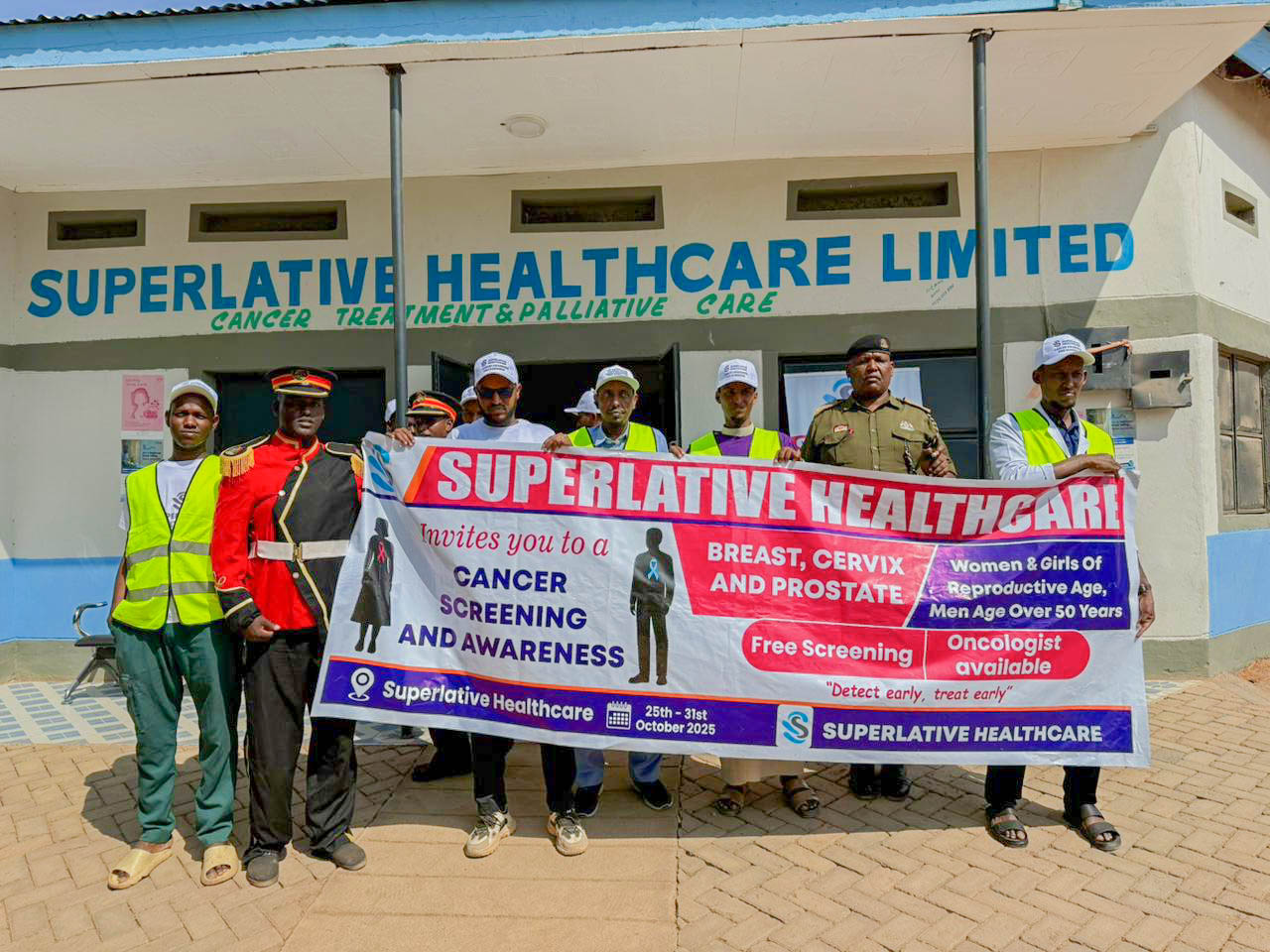
    ‎In addition to this long-term project, the NCI-K team, led by Dr. Nashat Fadhloon Noor, Head of the Cancer Prevention and Control Directorate, is also participating in the ongoing Mawlid Celebration. As part of this festival, which commemorates the birth of Prophet Mohammed, NCI-K is providing free cancer screening, education and awareness programs to the community.

    ‎The National Cancer Institute of Kenya remains committed to its mission of reaching all marginalized regions to provide cancer education, awareness, and screening services, living to its vision “Towards a Cancer Free Nation” ensuring that no one is left behind in the fight against cancer.

    0#
  • Silence and Stigma

    Silence and Stigma

    Every September, the world comes together to shine a light on four cancers — Blood, Childhood, Gynaecological, and Prostate. In Kenya, awareness has grown, yet silence and stigma still hold many back from seeking timely testing and diagnosis when it matters most. Each year, thousands of lives are lost not only to cancer itself but also to the quiet fear that surrounds it. Recent statistics paint a sobering picture: about 45,000 new cases and 29,000 deaths annually. Behind these numbers lies a deeper truth — too many Kenyans are diagnosed late, not because hospitals cannot help, but silence, fear, and stigma delay the very first step to care. Why many wait until it is too late is a question whose answer only lies in homes and communities.

    Kenya has not been silent on paper. The Kenya Cancer Care Policy 2019–2030 calls for greater awareness, prevention, early detection, and improved caregiving. The Mental Health Policy also warns that stigma is a stumbling block to timely diagnosis, one that deepens the stress for patients and their families. Our CEO, Dr. Elias Melly, reminds us that policies only come alive when they reach people. “We will win in the community, not in the clinics. Investing one dollar in prevention saves sixteen in treatment.” He further emphasized that, as the country moves towards primary care, there is an urgent need to train healthcare workers and community health promoters to recognize symptoms early.

    Yet policies and plans only tell part of the story. Behind every statistic is a human face, and it is often survivors who remind us what silence and stigma really cost. At the 2nd  National Cancer Summit, childhood cancer survivor Robert recalled: “I was only six when I was diagnosed. There were no pediatric wards and no one to explain what was going on. The pain wasn’t just physical; it was emotional. An invisible scar I still carry to date.” Other survivors at the forum echoed the same pain, with one saying: “The hardest part was not the treatment — it was the silence. People avoided me. They whispered instead of asking how I was.”

    Cancer is not always a death sentence, but silence can be. Breaking stigma begins with open conversations- in families, workplaces, churches, and communities. Speaking up encourages early screening, offering support restores dignity, and challenging myths saves lives. As we mark this September of awareness, let us remember: silence and stigma are battles we can all fight, and by doing so, we give more Kenyans the chance not just to survive, but to live fully.