Blog

  • LOWERING THE RISKS FOR CANCER

    Chances of getting cancer can highly be reduced by lifestyle choices, at individual level, each one has the ability to help reduce the risks of getting cancer through their ways of living. Cancer screening, vaccination and most importantly the right health choices helps in lowering the risks for many common cancer types.

    Better Healthy Choices

    Cancer risks can be reduced by practicing healthy choices like avoiding tobacco, maintaining the right weight, protecting your skin from the harmful rays https://ncikenya.go.ke/blog/23 of sun and limiting the amount of alcohol.

    Lung cancers, mouth, voice box, throat, pancreas, kidney, cervix and bladder cancers have been linked to the use of tobacco. Avoid being around secondhand smoking (SHS) also called environmental tobacco smoke (ETS) as this has also led to many cases of cancer. Chewing of tobacco has also been linked with the cancers of mouth, throat and pancreas. It is therefore important to quit tobacco smoking to help prevent cancer.

    • Eating a healthy diet can also help reduce the risks of cancer. Eating plenty of vegetables, fruits and other foods from plant sources like legumes and whole grains; limiting fat from animal sources and refined sugars and eating lighter and lean food
    • Limit processed meats. Eating processed meat often can slightly increase the risk of certain types of cancer. This news comes from a report from the International Agency for Research on Cancer, the cancer agency of the World Health Organization.

    People who eat a Mediterranean diet that includes extra-virgin olive oil and mixed nuts might have a reduced risk of breast cancer. The Mediterranean diet focuses mostly on plant-based foods, such as fruits and vegetables, whole grains, legumes and nuts.

    Screening

    Getting screening tests regularly may find breast, cervical, and colorectal (colon) cancers early, when treatment is likely to work best. Lung cancer screening is recommended for some people who are at high risk.  Screening raises the chances of finding cancer early. That’s when treatment is most likely to succeed.

    Vaccination

    Vaccines (shots) also help lower cancer risk. The human papillomavirus (HPV) vaccine helps prevent most cervical cancers and several other kinds of cancer, Human papillomavirus (HPV) is a sexually transmitted virus that can lead to cervical cancer and other genital cancers as well as squamous cell cancers of the head and neck. The HPV vaccine is recommended for girls and boys ages 11 and 12. Hepatitis B can increase the risk of developing liver cancer. Adults at high risk of getting hepatitis B are people who have sex with more than one partner, people who have one sexual partner who has sex with others, and people with sexually transmitted infections.

    REFERENCES

    Arnold, Melina, et al. “Global burden of 5 major types of gastrointestinal cancer.” Gastroenterology 159.1 (2020): 335-349.

    Lee, Yun Bin, et al. “Association between hepatic steatosis and the development of hepatocellular carcinoma in patients with chronic hepatitis B.” Clinical and molecular hepatology 25.1 (2019): 52.

    Lindsay, Ana Cristina, et al. ““I don’t think he needs the HPV vaccine because boys can’t have cervical cancer”: A qualitative study of Latina mothers’ (mis) understandings about human papillomavirus transmission, associated cancers, and the vaccine.” Journal of Cancer Education (2022): 1-9.

    Rubino, Roberta, et al. “Mediterranean Diet as a Supportive Intervention in Cancer Patients: Current Evidence and Future Directions.” Current Oncology 29.10 (2022): 7579-7582.

    Sajid, Taskeen Zahra, et al. “Association of low birth weight with environmental tobacco smoke (ETS) exposure among pregnant women.” The Professional Medical Journal 29.04 (2022): 448-458.

    Zhang, Yan-Bo, et al. “Combined lifestyle factors, incident cancer, and cancer mortality: a systematic review and meta-analysis of prospective cohort studies.” British journal of cancer 122.7 (2020): 1085-1093.

  • Living with Liver Cancer: Coping with Symptoms and Side Effects

    Liver cancer is cancer that begins in the cells of your liver. Your liver is a football-sized organ that sits in the upper right portion of your abdomen, beneath your diaphragm and above your stomach.

    Several types of cancer can form in the liver. The most common type of liver cancer is hepatocellular carcinoma, which begins in the main type of liver cell (hepatocyte). Other types of liver cancer, such as intrahepatic cholangiocarcinoma and hepatoblastoma, are much less common.

    Cancer that spreads to the liver is more common than cancer that begins in the liver cells. Cancer that begins in another area of the body — such as the colon, lung or breast — and then spreads to the liver is called metastatic cancer rather than liver cancer. This type of cancer is named after the organ in which it began — such as metastatic colon cancer to describe cancer that begins in the colon and spreads to the liver.

    Types

    Hepatocellular carcinoma (HCC) is the most common type of primary liver cancer. Hepatocellular carcinoma occurs most often in people with chronic liver diseases, such as cirrhosis caused by hepatitis B or hepatitis C infection.

    Risk factors

    The risk of hepatocellular carcinoma, the most common type of liver cancer, is higher in people with long-term liver diseases. It’s also higher if the liver is scarred by infection with hepatitis B or hepatitis C. Hepatocellular carcinoma is more common in people who drink large amounts of alcohol and who have an accumulation of fat in the liver.

    Diagnosis

    Tests and procedures used to diagnose hepatocellular carcinoma include:

    • Blood tests to measure liver function
    • Imaging tests, such as CT and MRI
    • Liver biopsy, in some cases, to remove a sample of liver tissue for laboratory testing

    Treatment

    Which treatment is best for you will depend on the size and location of your hepatocellular carcinoma, how well your liver is functioning, and your overall health.

    Hepatocellular carcinoma treatments include:

    • Surgery. Surgery to remove the cancer and a margin of healthy tissue that surrounds it may be an option for people with early-stage liver cancers who have normal liver function.
    • Liver transplant surgery. Surgery to remove the entire liver and replace it with a liver from a donor may be an option in otherwise healthy people whose liver cancer hasn’t spread beyond the liver.
    • Destroying cancer cells with heat or cold. Ablation procedures to kill the cancer cells in the liver using extreme heat or cold may be recommended for people who can’t undergo surgery. These procedures include radiofrequency ablation, cryoablation, and ablation using alcohol or microwaves.
    • Delivering chemotherapy or radiation directly to cancer cells. Using a catheter that’s passed through your blood vessels and into your liver, doctors can deliver chemotherapy drugs (chemoembolization) or tiny glass spheres containing radiation (radioembolization) directly to the cancer cells.
    • Radiation therapy. Radiation therapy using energy from X-rays or protons may be recommended if surgery isn’t an option. A specialized type of radiation therapy, called stereotactic body radiotherapy (SBRT), involves focusing many beams of radiation simultaneously at one point in your body.
    • Targeted drug therapy. Targeted drugs attack specific weaknesses in the cancer cells, and they may help slow the progression of the disease in people with advanced liver cancers.
    • Immunotherapy. Immunotherapy drugs use your body’s germ-fighting immune system to attack the cancer cells. Immunotherapy may be an option for treating advanced liver cancer.
    • Clinical trials. Clinical trials give you a chance to try new liver cancer treatments. Ask your doctor whether you’re eligible to participate in a clinical trial.

    Symptoms

    Most people don’t have signs and symptoms in the early stages of primary liver cancer. When signs and symptoms do appear, they may include:

    • Losing weight without trying
    • Loss of appetite
    • Upper abdominal pain
    • Nausea and vomiting
    • General weakness and fatigue
    • Abdominal swelling
    • Yellow discoloration of your skin and the whites of your eyes (jaundice)
    • White, chalky stools

    When to see a doctor

    Make an appointment with your doctor if you experience any signs or symptoms that worry you.

  • Climate Effects on Cancer

    The International Agency for Research on Cancer (IARC) has classified outdoor air pollution as a Group 1 carcinogen. Increasing evidence has suggested that the association may not be limited to lung cancer, but also cancer of other sites.

    Indoor emissions from the household combustion of coal are a Group 1 carcinogen. The household combustion of biomass fuels and emissions from high-temperature frying have been concluded to be possibly carcinogenic to humans by the IARC. It is estimated that 3.8 million premature deaths (8% from lung cancer) are attributable to household air pollution from cooking with kerosene or solid fuels each year.

    The Global Burden of Disease Study also suggested that indoor air pollution is associated with the risk of esophageal squamous cell carcinoma. The forgotten 2.6 billion people who have less access to cleaner fuels, mostly in low- and middle-income countries (LMICs), Kenya included suffer an increasing cancer burden and are also exposed to a huge amount of air pollution. The vicious cycle of climate change, air pollution, and cancer will keep rolling and provide a devastating cancer burden without intervention.

    Cancer has become the leading cause of premature death in many countries in recent decades. Previous studies showed plenty of evidence that control of modifiable risk factors would reduce the cancer burden. Since modifiable risk factors could be eliminated by changing the lifestyles of individuals, a greater uptake of modifiable risk factors is critical to reducing cancer burden and inequality in cancer survival.

    However, climate change has widen cancer inequities through its complex connections with modifiable risk factors which include; abnormal temperature, UV, air pollution, natural disasters, food (diet), water, infections, and inefficient physical activities.

    The associations between climate change and modifiable risk factors have no doubt expanded the inequities. People who face overlapping modifiable risk factors, but who are unable to change or adapt, are at the highest risk in the climate change–cancer linkage. Individual actions to avoid exposure to modifiable risk factors is highly recommended, limited benefits would be achieved unless the nations strive to ensure the basic needs of the people.

    Cancer is the second cause of globally ranked premature death after cardiovascular disease and has become the top cause in many countries in recent decades.  Apart from lifestyle factors, air pollution and other environmental risks are also the main factors associated with cancer. The inequality that exists in overall cancer survival between different countries is predominantly due to the disparities in health awareness; early diagnoses; screenings; and accessible, affordable, and high-quality healthcare for patients with cancer.

    Data from the United States suggests that 42% of cancer incidence and 45% of cancer mortality were attributable to modifiable risk factors, a kind of behavior or exposure factors related to cancer risk that we could reduce or control, such as poor diet and physical inactivity.5 Findings from a population-based cohort study suggested that modifiable risk factors could explain 46% of inequities in cancer morbidity and mortality.6 Inequities exist in cancer burden because cancer survival and mortality burden are closely related to the treatment ability and care. The reduction of cancer burdens attributable to avoiding modifiable risk factors would provide an equitable strategy for cancer prevention and control. Therefore, it is critical to provide a supportive environment and educational programs on how to avoid modifiable risk factors is critical. However, climate change is challenging this approach and will widen cancer inequality.

    Go to:

    Potential Critical Connections of Climate Change and Cancer Risk

    The potential linkage between climate change and factors that can modify cancer incidence and threaten cancer survival are shown in Figure​

    Figure1

    1. The combustion of fossil fuel seems to be the start of a vicious cycle since it increases greenhouse gas emissions (CO2, CH4, etc.) that aggravate climate change and produce air pollution. According to previous studies, cancers potentially associated with modifiable risk factors are highlighted in Figure​

    Figure2

    2.

    Figure 1

    Potentially critical connections between climate change and cancer risk. UV: ultraviolet radiation; the dashed line indicates that high temperatures could amplify, or enhance, the effects of ambient air pollution. Natural disasters include heat waves, cold spells, wildfires, droughts, floods, hurricanes, typhoons, etc.

    Figure 2

    Potential associations between climate-change-related risk factors and cancer.

    The International Agency for Research on Cancer (IARC) has classified outdoor air pollution as a Group 1 carcinogen. Increasing evidence has suggested that the association may not be limited to lung cancer, but also cancer of other sites.7 Increased incidence and shorter survival of cancer affected by air pollution were observed in previous studies.7 In addition to the greenhouse gases emitted by the combustion of fossil fuels contributing to climate change, climate change may worsen air quality by changing the ventilation, dilution, precipitation and other removal processes, and the amplification of atmospheric chemistry.8 Accumulative evidence suggests that climate change is expected to increase particulate matter ≤ 2.5 μm (PM2.5)-related mortalities even under the scenario of a moderate projection of greenhouse gas emissions.9 Though the interplay of climate change and air pollution on health has been well documented, the evidence for cancer warrants investigation.10

    Besides outdoor air pollution, household air pollution is also a part of the linkage.11 There are still millions of people who are not able to cook with clean energy, which results in severe indoor air pollution as well as greenhouse gases, that is, the major factor affecting climate change.12 Indoor emissions from the household combustion of coal are a Group 1 carcinogen. The household combustion of biomass fuels and emissions from high-temperature frying have been concluded to be possibly carcinogenic to humans by the IARC. It is estimated that 3.8 million premature deaths (8% from lung cancer) are attributable to household air pollution from cooking with kerosene or solid fuels each year. The Global Burden of Disease Study also suggested that indoor air pollution is associated with the risk of esophageal squamous cell carcinoma.13 “The forgotten 2.6 billion people” who have less access to cleaner fuels, mostly in low- and middle-income countries (LMICs), suffer an increasing cancer burden and are also exposed to a huge amount of air pollution. The vicious cycle of climate change, air pollution, and cancer will keep rolling and provide a devastating cancer burden without intervention.

    With the accumulation of greenhouse gases, global warming, and changing meteorological factors, there is an increasing frequency of abnormally hot and cold temperatures, which are the direct expression of climate variability. Although it is not clear whether it is the increased temperature of warm months, carcinomatous meningitis was observed to have a higher incidence in these months.14 Evidence from more studies is warranted to confirm the causal association. The direct effects of extreme temperatures like heat waves may worsen the conditions of cancer patients because of their impaired thermoregulation and immune function.15 Occupational heat exposure, exacerbated by climate change,16 is also associated with several cancers, e.g., female breast cancer.17 The climate-change-induced ozone depletion led to increasing ultraviolet radiation (UV) exposure, which will lead to increased risks of melanoma and other skin cancers (e.g., squamous cell skin cancer).18 In consequence, melanoma survivors have an increased risk of developing second primary cancers, such as prostate cancer.19

    The changing temperature and precipitation will also lead to changes in natural disasters and food production, which may increase the risk of cancer indirectly. Take wildfires as an example of a natural disaster that has shown an increasing trend in frequency and duration globally.20 Long-term exposure to wildfires has been suggested to increase the incidence of lung cancer and brain tumors.21 Extreme weather and natural disasters caused by climate change may reduce people’s physical activity by limiting active venues and suitable temperatures. Less physical activity could increase the risks of colon, female breast, and uterine cancers.5 Furthermore, inactivity-induced excess body weight also increases the risk of cancers of the gastrointestinal tract, genital organs, and female breast.

    Less food availability and deteriorating food security induced by climate change have been observed. A modeling study revealed that by 2050, the global food availability would decrease by about 3.2%, and a 4.0% fruit and vegetable consumption reduction would be attributable to climate change.22 Parental malnutrition and exposure to air pollution exacerbated by climate change are significantly associated with serious adverse pregnancy outcomes,23,24 which are associated with higher breast cancer risk in early adult life.25 Lower consumption of fresh vegetables and fruit would also increase the risk of cancer from the respiratory and digestive tracts. Polycyclic aromatic hydrocarbons (PAHs) from high-temperature pyrogenic processes and vehicular emissions, which are related to the higher risk of breast cancer and colorectal cancer,27 were also found in commonly consumed leafy vegetables.26 The increase in the temperature led by climate change may increase appetite suppression and reduce conception rate of livestock because of heat stress, as well as reduce milk production.28 Lower dairy product consumption has been observed in line with increased breast cancer and colorectal cancer.27 Temperature and moisture significantly influenced aflatoxin production.29 Aflatoxin B1 production in maize will have consequences on aflatoxin M1 contamination in milk30 and might increase the liver cancer risk.31 Similarly, the diversity, distribution, and biology of fish populations are also affected by climate change. It is estimated that for every 1 °C of global warming, global fish catches are expected to decline by 3 million tonnes.32 Liver and colorectal cancer risks will be increased27 due to the lack and unaffordable fish consumption, especially in low-income countries.33 Climatic variability has always been the main factor responsible for fluctuations in coffee productivity worldwide.34 Coffee consumption is suggested to reduce the risk of oral and liver cancers.27 Apart from food, water quality is also affected. Climate change is likely to exacerbate the increasing bromide levels in public water systems, which would increase the excess lifetime bladder cancer risk35 and the cyanotoxins in drinking water that are associated with liver and colorectal cancer.36

  • Kidney cancer

    Kidney cancer is cancer that begins in the kidneys. Your kidneys are two bean-shaped organs, each about the size of your fist. They’re located behind your abdominal organs, with one kidney on each side of your spine.

    In adults, renal cell carcinoma is the most common type of kidney cancer. Other less common types of kidney cancer can occur. Young children are more likely to develop a kind of kidney cancer called Wilms’ tumor.

    The incidence of kidney cancer seems to be increasing. One reason for this may be the fact that imaging techniques such as computerized tomography (CT) scans are being used more often. These tests may lead to the accidental discovery of more kidney cancers. Kidney cancer is often discovered at an early stage, when the cancer is small and confined to the kidney.

    Symptoms

    Kidney cancer usually doesn’t have signs or symptoms in its early stages. In time, signs and symptoms may develop, including:

    • Blood in your urine, which may appear pink, red or cola colored
    • Pain in your back or side that doesn’t go away
    • Loss of appetite
    • Unexplained weight loss
    • Tiredness
    • Fever

    When to see a doctor

    Make an appointment with your doctor if you have any persistent signs or symptoms that worry you.

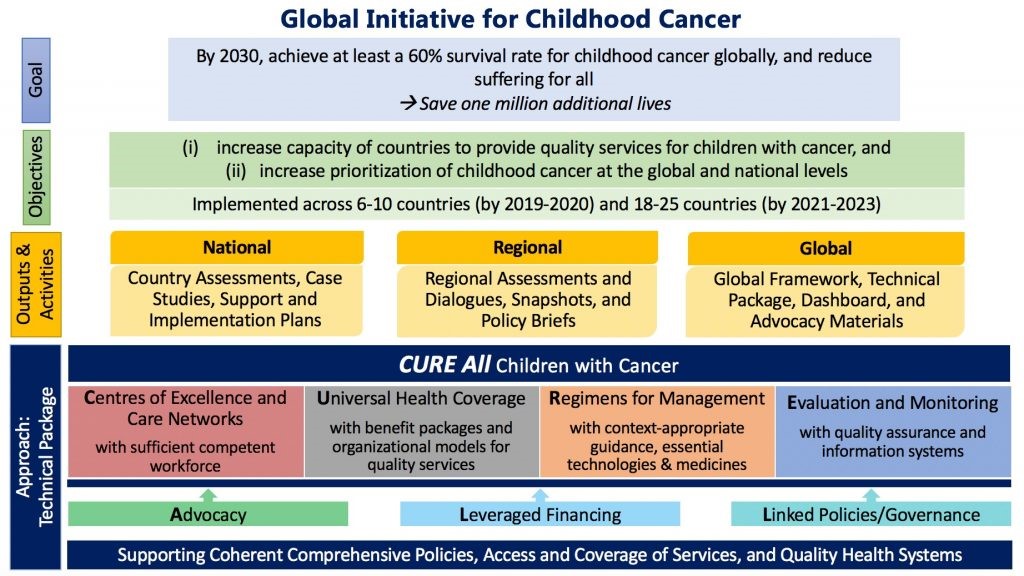
  • CHILDHOOD CANCER AWARENESS

    Dispelling Myths and Misconceptions about Cancer in Children

    The National Cancer Institute of Kenya – NCI Kenya

    Myth: Children do not develop cancer

    Fact:

    Cancer can develop at any age, including in newborns. While the likelihood of cancer generally increases with age, approximately 400 000 children globally (aged 0–19 years) develop cancer each year. That is equivalent to about one in 500 children in their lifetime

    Myth: Childhood cancers are preventable

    Fact:

    Unlike adult cancers, almost all childhood cancers arise during growth and development and cannot be prevented. Rather than prevention programmes, effective childhood cancer control must focus on avoiding missed/ delayed diagnosis, ensuring access to highquality multidisciplinary care, reducing and managing disease- and treatmentrelated complications, ensuring treatment completion and sustained follow-up of longterm survivors.

    Myth: Most children with cancer die of their disease

    Fact:

    More than 8 of 10 children are cured when they receive the best available treatment services and care (Section 1.2.2). Research and innovation remain important priorities for further improvements in childhood cancer care.

    Myth: Childhood cancer is one disease, treated with a standardized approach

    Fact:

    There are many different cancers of children and young people that develop at different ages, in many parts of the body and with different patterns of spread. The diagnosis and treatment must be adapted to the individual and follow evidence-based standards of care.

    Myth: Childhood cancer chemotherapy is expensive

    Fact:

    Most children can be cured using inexpensive generic medicines and affordable multimodality therapy (Section 1.5).

    Myth: Even if children survive cancer, they are left with permanent and severe disabilities

    Fact:

    While treatment can cause health care needs in some survivors, many children cured of cancer go on to lead long, happy, healthy and productive lives.

  • The Importance of Breast Self-Exam

    The Importance of Breast Self-Exam

    Think of cancer as a weed in your garden. If left unattended that one weed can grow into hundreds. The same can be said for cancer cells. When not caught early enough, breast cancer can spread cancer cells throughout the body. This is why it is so important to do a breast self-exam each and every month. 

    You may get a breast exam done once a year during a yearly checkup, but that isn’t enough to catch breast cancer early. When you do a breast self-exam, you learn what the tissue and fat in your breasts feel like and can detect any changes. When you do the exam each month, it’s easier to detect anything that may be different. Should you detect anything different, you want to contact your doctor immediately.

    How to Do a Breast Self-Exam

    A breast self-exam is very easy to do. It is recommended that you do your exam in the shower. Start with your left breast and begin by putting your arm up over your head and bending it behind your head. This motion lifts the breast and gives you better access. Start at the top of your breast and use your forefinger and middle finger to make a circular motion. Rub the breast tissue and continue until you’ve made a complete circle around your breast and have checked all the breast tissue. Do the same to your right breast.

    You also want to look for any skin changes. If you see that the skin has changed color or has rough patches of skin, this should be brought to your doctor’s attention. This process takes less than five minutes but could save your life.

    Spending just five minutes a month could mean the difference between life and death. You want to make sure you’re doing a self-breast exam each and every month. It allows you to detect changes in the breast tissue early and get the help you need before it’s too late.

  • LUNG CANCER

    LUNG CANCER

    Cancer which begins in the cells of the lung. It causes difficulty breathing, coughing up blood, chest pain, hoarseness, headache and weight loss.

    It is mainly of two types:

    • Non-small cell lung cancer- is the most common type
    • Small cell lung cancer- is the aggressive form and is observed in smokers

    COMMON CAUSES

    The causes include:

    The primary reason for lung cancer is cigarette smoking. There are chances that nonsmokers also get lung cancer. Smoke that enters the lungs causes damage to the lung tissue. The body will try to repair the damage, but due to the continuous exposure, it will fail.

    Another causative agent is a radioactive gas called radon. Radioactive gas can enter through small holes in the buildings. Genetic mutation can increase the risk of developing lung cancer.

    The risk factors include:

    • Smoking
    • Radiation therapy
    • Asbestos and other heavy metals like cadmium, selenium, etc., can also increase the risk.
    • Family history of lung cancer

    SYMPTOMS

    The symptoms include:

    1. Chest pain that worsens when you breathe deeply, laugh, or a cough.
    2. Hoarseness
    3. A lingering or worsening cough
    4. Shortness of breath
    5. Wheezing
    6. Weakness and fatigue
    7. Loss of appetite and weight Loss
    8. Coughing up phlegm or blood
    9. Muscle Weakness
    10. Nausea
    11. Vomiting
    12. High blood pressure
    13. High blood sugar
    14. Confusion
    15. Seizures
    16. Coma

    DIAGNOSIS

    Diagnosis includes physical examination and medical history.

    X-ray – X-ray of chest is taken to identify the presence of tumor.

    CT scan – CT scan of the lungs is performed to identify the location and size of the tumor mass.

    Magnetic resonance imaging (MRI) – MRI of the lungs can detect the severity and spread of cancer cells.

    Positron emission tomography (PET) – To observe the function of lungs and its tissues.

    Sputum cytology – Sputum tests may be performed in certain cases to look for cancerous cells.

    Biopsy – A small sample of the lung tumor cells is obtained to determine if they are cancerous.

    TREATMENTS

    Treatment involves surgery, chemotherapy and radiation therapy.

    COMPLICATIONS

    If untreated it may lead to

    • Shortness of breath: it is common as the cancer cells grow and block the airways
    • Inhaling air becomes as the lungs cannot expand fully due to fluid accumulation
    • Bleeding in the airways causes coughing up blood
    • In certain cases severe bleeding may occur
    • Lung cancer metastasis to other parts can cause pain

    PREVENTION

    • Quit smoking: Smoking is the common cause
    • Avoid passive smoking
    • Avoid carcinogens at work: stay away from harmful chemicals
  • Genetic Risk Factors for Leukemia in Children: Down Syndrome and Other Conditions

    In children and teenagers, leukaemia accounts for roughly one out of every 3 cancer cases. Acute lymphocytic leukaemia (ALL) is the most common kind of leukaemia in kids. Acute myeloid leukaemia (AML) makes up the majority of the remaining cases. In children, chronic leukaemias are uncommon.

    A few factors are known to increase the risk of childhood leukaemia.

    Genetic Risk Factors

    Our DNA, which makes up our genes, contains risk factors that are genetic in nature. They are frequently passed on from our parents. While some genetic predispositions raise the incidence of paediatric leukaemia, the majority of leukaemias have no known genetic basis.

    Genetic Syndromes

    Some genetic disorders increase a child’s risk of developing leukemia:

    Down syndrome (trisomy 21): Children with Down syndrome have an extra copy of chromosome 21. They are many times more likely to develop either acute lymphocytic leukemia (ALL) or acute myeloid leukemia (AML) than are other children, with an overall risk of about 2% to 3%. Down syndrome has also been linked with transient leukemia (also known as transient myeloproliferative disorder) – a leukemia-like condition within the first month of life, which often resolves on its own without treatment.

    Li-Fraumeni syndrome: This is a rare inherited condition caused by a change in the TP53 gene. People with this change have a higher risk of developing several kinds of cancer, including leukemia, bone or soft tissue sarcomas, breast cancer, adrenal gland cancer, and brain tumors.

    Leukaemia risk is also elevated in other genetic illnesses (including neurofibromatosis and Fanconi anaemia), as well as in several other malignancies.

    Inherited Immune System Problems

    Certain inherited conditions cause children to be born with immune system problems. These include:

    • Ataxia-telangiectasia
    • Wiskott-Aldrich syndrome
    • Bloom syndrome
    • Shwachman-Diamond syndrome

    Along with an increased risk of getting serious infections from reduced immune defenses, these children might also have an increased risk of leukemia.

    Lifestyle-Related Risk Factors

    Smoking, being overweight, consuming excessive amounts of alcohol, and being exposed to the sun too much are all lifestyle-related risk factors for several adult malignancies. However, they are unlikely to have an impact on the majority of children malignancies. These types of characteristics are significant in many adult cancers.

    Although not all studies have established a correlation, some have suggested that a pregnant woman who drinks a lot of alcohol may put her unborn child at risk for leukaemia.

    Environmental Risk Factors

    Environmental risk factors are influences in our surroundings, such as radiation and certain chemicals that increase the risk of getting diseases such as leukemias.

    Radiation Exposure

    Exposure to high levels of radiation is a risk factor for childhood leukemia. Japanese atomic bomb survivors had a greatly increased risk of developing AML. If a fetus is exposed to radiation within the first months of development, there may also be an increased risk of childhood leukemia, but the extent of the risk is not clear.

    The possible risks from fetal or childhood exposure to lower levels of radiation, such as from x-ray tests or CT scans, are not known for sure. Some studies have found a slight increase in risk, while others have found no increased risk. Any risk increase is likely to be small, but to be safe, most doctors recommend that pregnant women and children not get these tests unless they are absolutely needed.

    Exposure to Chemotherapy and Certain other Chemicals

    Children and adults treated for other cancers with certain chemotherapy drugs have a higher risk of getting a second cancers, usually AML, later in life. Drugs such as cyclophosphamide, doxorubicin, etoposide, and teniposide have been linked to a higher risk of leukemia. These leukemias usually develop within 5 to 10 years of treatment, and they tend to be hard to treat.

    Exposure to chemicals such as benzene (a solvent used in the cleaning industry and to manufacture some drugs, plastics, and dyes) may cause acute leukemia in adults and, rarely, in children. Chemical exposure is more strongly linked to an increased risk of AML than to ALL.

    A number of studies have discovered a potential connection between pesticide exposure in the home during pregnancy or the early years of life and childhood leukaemia. There may be a higher probability among moms who are exposed to pesticides at work before giving birth, according to some research.

    Immune System Suppression

    Children who are getting intensive treatment to suppress their immune system (mainly children who have had organ transplants) have an increased risk of certain cancers, such as lymphoma and ALL.

  • Understanding Brain Tumors: A Comprehensive Guide

    A brain tumor is a growth of cells in the brain or near it. Brain tumors can happen in the brain tissue. Brain tumors also can happen near the brain tissue. Nearby locations include nerves, the pituitary gland, the pineal gland, and the membranes that cover the surface of the brain.

    Brain tumors can begin in the brain. These are called primary brain tumors. Sometimes, cancer spreads to the brain from other parts of the body. These tumors are secondary brain tumors, also called metastatic brain tumors.

    Many different types of primary brain tumors exist. Some brain tumors aren’t cancerous. These are called noncancerous brain tumors or benign brain tumors. Noncancerous brain tumors may grow over time and press on the brain tissue. Other brain tumors are brain cancers, also called malignant brain tumors. Brain cancers may grow quickly. The cancer cells can invade and destroy the brain tissue.

    Brain tumors range in size from very small to very large. Some brain tumors are found when they are very small because they cause symptoms that you notice right away. Other brain tumors grow very large before they’re found. Some parts of the brain are less active than others. If a brain tumor starts in a part of the brain that’s less active, it might not cause symptoms right away. The brain tumor size could become quite large before the tumor is detected.

    Brain tumor treatment options depend on the type of brain tumor you have, as well as its size and location. Common treatments include surgery and radiation therapy.

    Types

    There are many types of brain tumors. The type of brain tumor is based on the kind of cells that make up the tumor. Special lab tests on the tumor cells can give information about the cells. Your health care team uses this information to figure out the type of brain tumor.

    Some types of brain tumors usually aren’t cancerous. These are called noncancerous brain tumors or benign brain tumors. Some types of brain tumors usually are cancerous. These types are called brain cancers or malignant brain tumors. Some brain tumor types can be benign or malignant.

    Benign brain tumors tend to be slow-growing brain tumors. Malignant brain tumors tend to be fast-growing brain tumors.

    Types of brain tumors include:

    • Gliomas and related brain tumors. Gliomas are growths of cells that look like glial cells. The glial cells surround and support nerve cells in the brain tissue. Types of gliomas and related brain tumors include astrocytoma, glioblastoma, oligodendroglioma and ependymoma. Gliomas can be benign, but most are malignant. Glioblastoma is the most common type of malignant brain tumor.
    • Choroid plexus tumors. Choroid plexus tumors start in cells that make the fluid that surrounds the brain and spinal cord. This fluid is called cerebrospinal fluid. Choroid plexus tumors are located in the fluid-filled cavities in the brain, called the ventricles. Choroid plexus tumors can be benign or malignant. Choroid plexus carcinoma is the malignant form of this type of brain tumor. It’s more common in children.
    • Embryonal tumors. Embryonal tumors begin in cells that are left over from fetal development. The cells, called embryonal cells, stay in the brain after birth. Embryonal tumors are malignant brain tumors that happen most often in babies and young children. The most common type of embryonal tumor is medulloblastoma. It’s usually located in the lower back part of the brain, called the cerebellum.
    • Germ cell tumors. Germ cell tumors start in reproductive cells, called germ cells, that go on to become the sperm and egg cells. Germ cells are mostly in the ovaries and testicles. But sometimes they’re in other parts of the body, including the brain. When germ cell tumors happen in the brain, they’re often located near the pineal gland or the pituitary gland. Germ cell tumors are mostly benign. They’re more common in children.
    • Pineal tumors. Pineal tumors start in and around the brain’s pineal gland. The pineal gland is located in the center of the brain. It makes a hormone called melatonin that helps with sleep. Pineal tumors can be benign or malignant. Pineoblastoma is a malignant type of pineal tumor that’s most common in children.
    • Meningiomas. Meningiomas are brain tumors that start in the membranes around the brain and spinal cord. Meningiomas are usually benign, but sometimes they can be malignant. Meningiomas are the most common type of benign brain tumor.
    • Nerve tumors. Nerve tumors are growths that happen in and around nerves. The most common type that happens in the head is acoustic neuroma, also called schwannoma. This benign tumor is located on the main nerve that connects the inner ear to the brain.
    • Pituitary tumors. Brain tumors can begin in and around the pituitary gland. This small gland is located near the base of the brain. Most tumors that happen in and around the pituitary gland are benign. Pituitary tumors happen in the pituitary gland itself. Craniopharyngioma is a type of brain tumor that happens near the pituitary gland.
    • Other brain tumors. Many other types of rare tumors can happen in and around the brain. Tumors can start in the muscles, blood vessels and connective tissue around the brain. Tumors can form in the bones of the skull. Malignant brain tumors can start from the germ-fighting immune system cells in the brain. This type of brain cancer is called primary central nervous system lymphoma.
  • Colorectal Risk Factors you can Change

    Many lifestyle-related factors have been linked to colorectal cancer. In fact, more than half of all colorectal cancers are linked to risk factors that can be changed. These include:

    • Being overweight or obese
    • Diabetes mellitus, Type 2
    • Certain types of diets – A long-term diet that’s high in red meats (such as beef, pork, lamb, or liver) and processed meats (like hot dogs and some lunch meats) raises your colorectal cancer risk.
    • Having a low blood level of vitamin D may also increase your risk.
    • Smoking
    • Alcohol use

    If you are overweight or obese (very overweight), your risk of developing and dying from colorectal cancer is higher. Being overweight raises the risk of colorectal cancer in people, but the link seems to be stronger in men. Getting to and staying at a healthy weight may help lower your risk.

    People with type 2 diabetes mellitus are more likely than people who don’t to develop colorectal cancer. Researchers suspect that this higher risk may be due to high levels of insulin in people with diabetes mellitus. Both type 2 diabetes and colorectal cancer share some of the same risk factors (such as being overweight and physical inactivity). But even after taking these factors into account, people with type 2 diabetes still have an increased risk. They also tend to have a less favorable prognosis (outlook) after diagnosis.

    Cooking meats at very high temperatures (frying, broiling, or grilling) creates chemicals that might raise your cancer risk.

    Following a healthy eating pattern that includes plenty of fruits, vegetables, and whole grains, and that limits or avoids red and processed meats and sugary drinks probably lowers risk.

    People who have smoked tobacco for a long time are more likely to develop and die from colorectal cancer than people who don’t smoke. Smoking tobacco also increases the risk for people to develop colon polyps. Smoking is a well-known cause of lung cancer, but it’s linked to a lot of other cancers, too.