Blog

  • Understanding Kidney Cancer Risk Factors: Knowledge is Power

    Understanding Kidney Cancer Risk Factors: Knowledge is Power

    March is Kidney Cancer Awareness Month, a time dedicated to shedding light on this often-overlooked disease. While there’s no foolproof way to prevent kidney cancer entirely, understanding the risk factors can empower you to make informed choices and take proactive steps towards better health.

    What is Kidney Cancer?

    Kidney cancer occurs when cells in the kidneys, the organs responsible for filtering waste from your blood, begin to grow uncontrollably. The most common type is renal cell carcinoma (RCC), which originates in the lining of the small tubes within the kidneys.

    Key Risk Factors to Be Aware Of:

    Several factors can increase your risk of developing kidney cancer. Let’s delve into the most significant ones:

    • Smoking:
      • This is a major culprit. Tobacco use significantly elevates your risk. The harmful chemicals in cigarettes damage kidney cells over time. Quitting smoking is one of the most effective ways to lower your risk.
    • Obesity:
      • Excess weight, particularly abdominal obesity, is linked to an increased risk. Maintaining a healthy weight through a balanced diet and regular exercise is crucial.
    • High Blood Pressure (Hypertension):
      • Chronic high blood pressure can strain the kidneys and increase the likelihood of cancer development. Managing your blood pressure through lifestyle changes and/or medication is essential.
    • Gender:
      • Men are more likely to develop kidney cancer than women. The reasons for this disparity are not fully understood.
    • Age:
      • The risk of kidney cancer increases with age, with most cases diagnosed in people over 50.
    • Family History:
      • If you have a close relative who has had kidney cancer, your risk is higher. Certain genetic conditions, such as von Hippel-Lindau (VHL) disease, hereditary papillary renal cell carcinoma, and Birt-Hogg-Dubé syndrome, can also increase your susceptibility.
    • Chronic Kidney Disease:
      • People with chronic kidney disease, especially those on long-term dialysis, have a higher risk.
    • Exposure to Certain Chemicals:
      • Occupational exposure to certain chemicals, such as trichloroethylene, cadmium, and asbestos, has been linked to kidney cancer.
    • Long-Term Use of Certain Pain Medications:
      • Prolonged use of some pain medications, particularly phenacetin-containing drugs (which are no longer widely available), has been associated with an increased risk.
  • Can Kidney Cancer Be Prevented?

    Can Kidney Cancer Be Prevented?

    While there’s no guaranteed way to completely prevent kidney cancer, you can take steps to reduce your risk. Here’s a breakdown of key protective measures:  

    Lifestyle Changes:

    • Don’t Smoke:
      • Smoking is a significant risk factor for kidney cancer. Quitting smoking is one of the most impactful things you can do to lower your risk.  
    • Maintain a Healthy Weight:
      • Being overweight or obese increases your risk.Aim for a healthy body mass index (BMI) through a balanced diet and regular exercise.
    • Control High Blood Pressure:
      • High blood pressure is linked to an increased risk. Manage your blood pressure through lifestyle changes and, if necessary, medication.  
    • Healthy Diet:
      • A diet rich in fruits and vegetables can contribute to overall health and may help reduce cancer risk.  
    • Regular Exercise:
      • Physical activity is essential for maintaining a healthy weight and overall well-being.  

    Occupational and Environmental Factors:

    • Limit Exposure to Certain Chemicals:
      • Exposure to certain chemicals, such as trichloroethylene, cadmium, and asbestos, has been linked to kidney cancer. If you work with these substances, take proper safety precautions.  

    Medical Considerations:

    • Manage Chronic Kidney Disease:
      • People with chronic kidney disease may have an increased risk. Regular checkups and proper management of kidney health are crucial.  
    • Be Aware of Family History:
      • If you have a family history of kidney cancer or certain genetic conditions (like von Hippel-Lindau disease), discuss your risk with your doctor. Genetic counseling may be beneficial.
    • Limit Unnecessary Use of Pain Medications:
      • long term use of some pain medications can have a negative effect on kidney health. So use them as directed by your doctor.
  • Boosting NCI-K Efficiency: NPCC Empowers National Cancer Institute Staff with Productivity Training

    Boosting NCI-K Efficiency: NPCC Empowers National Cancer Institute Staff with Productivity Training

    Introduction:

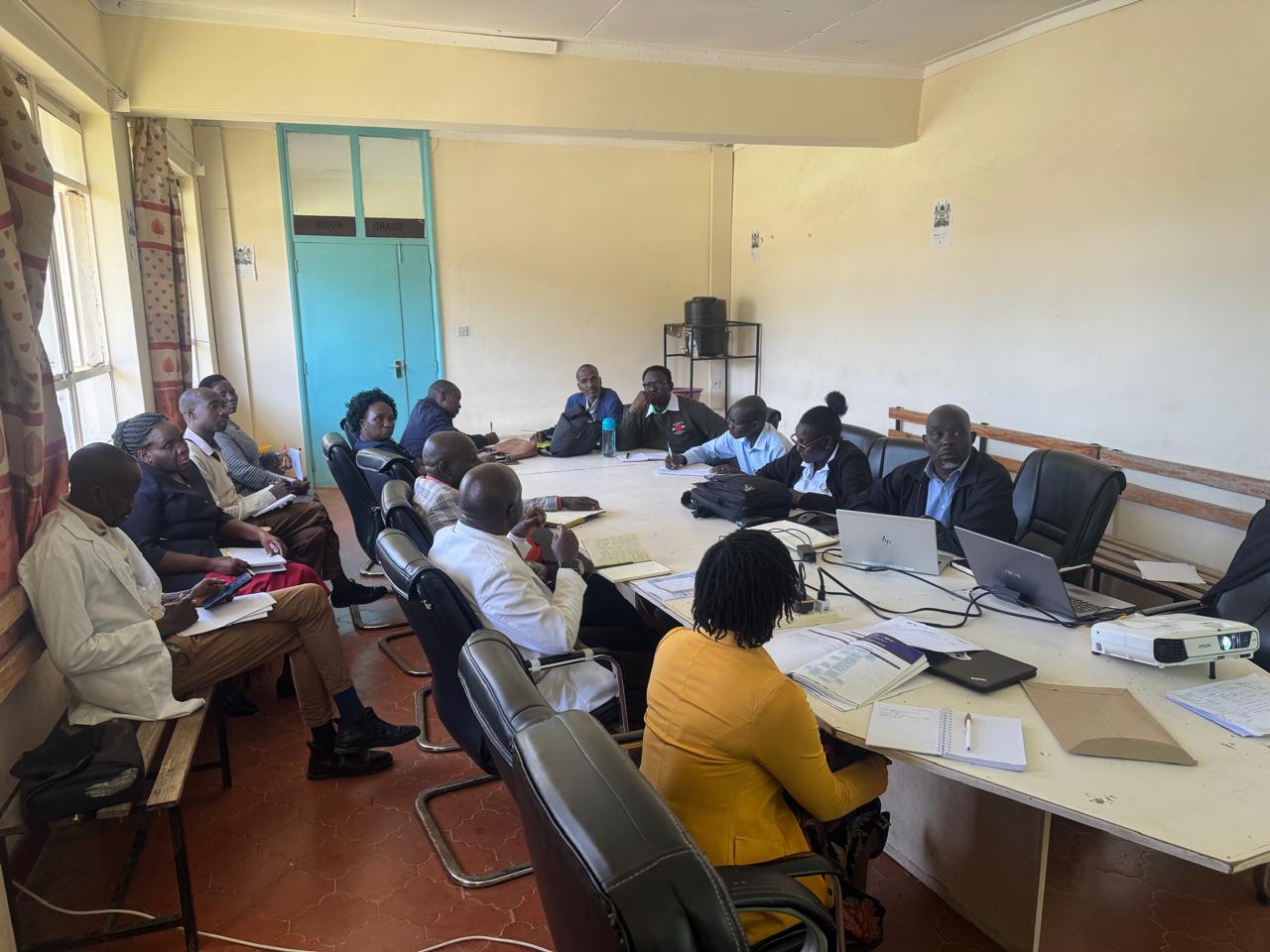
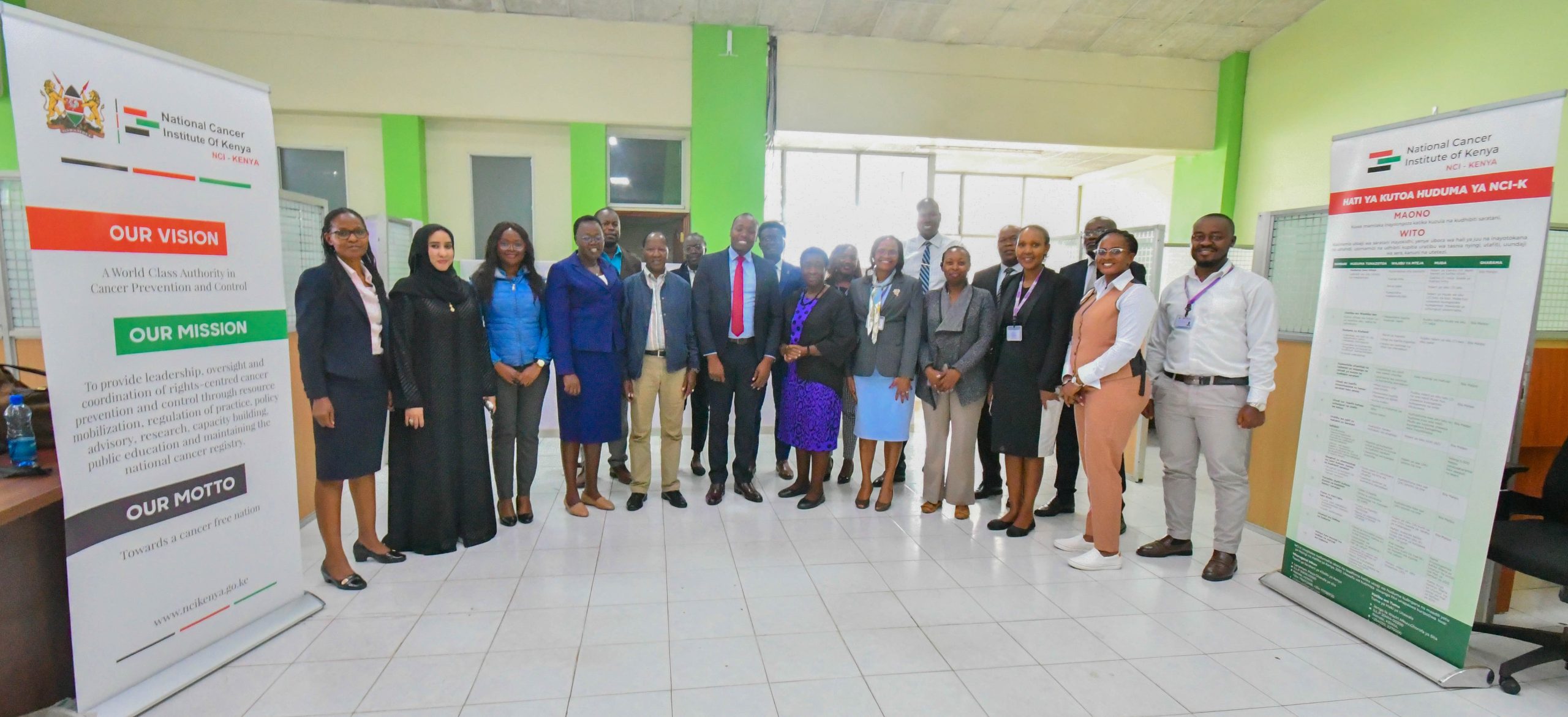
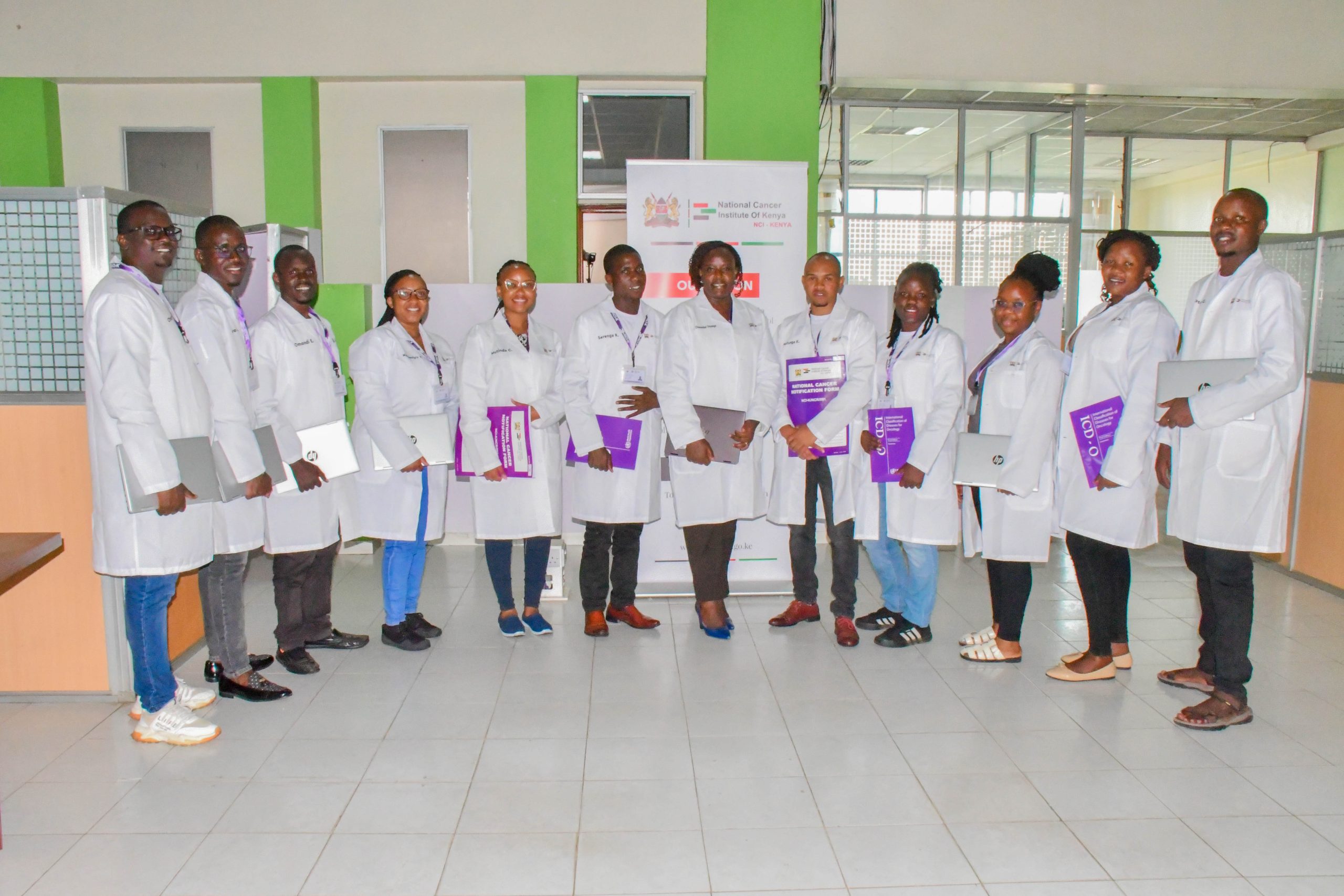
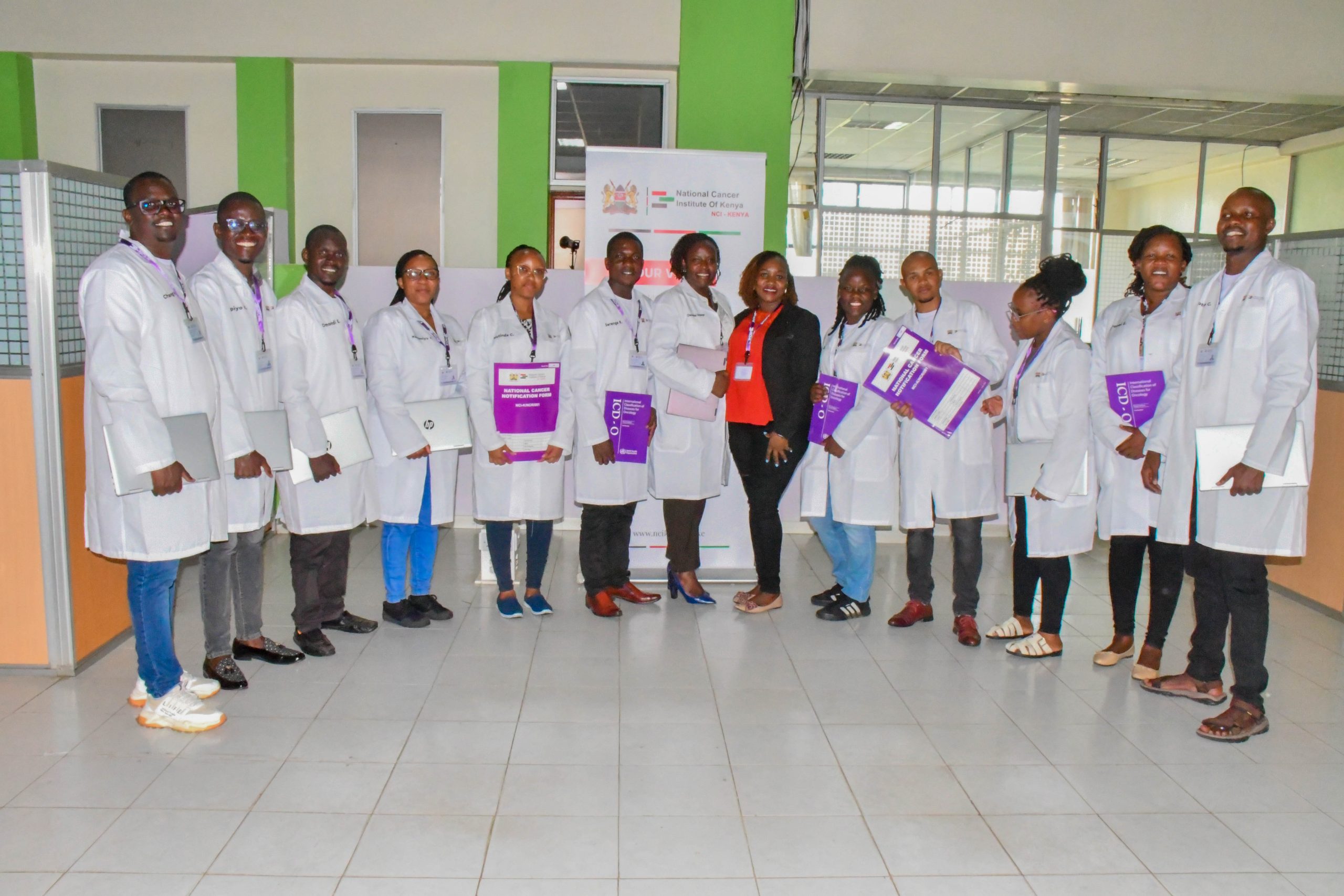
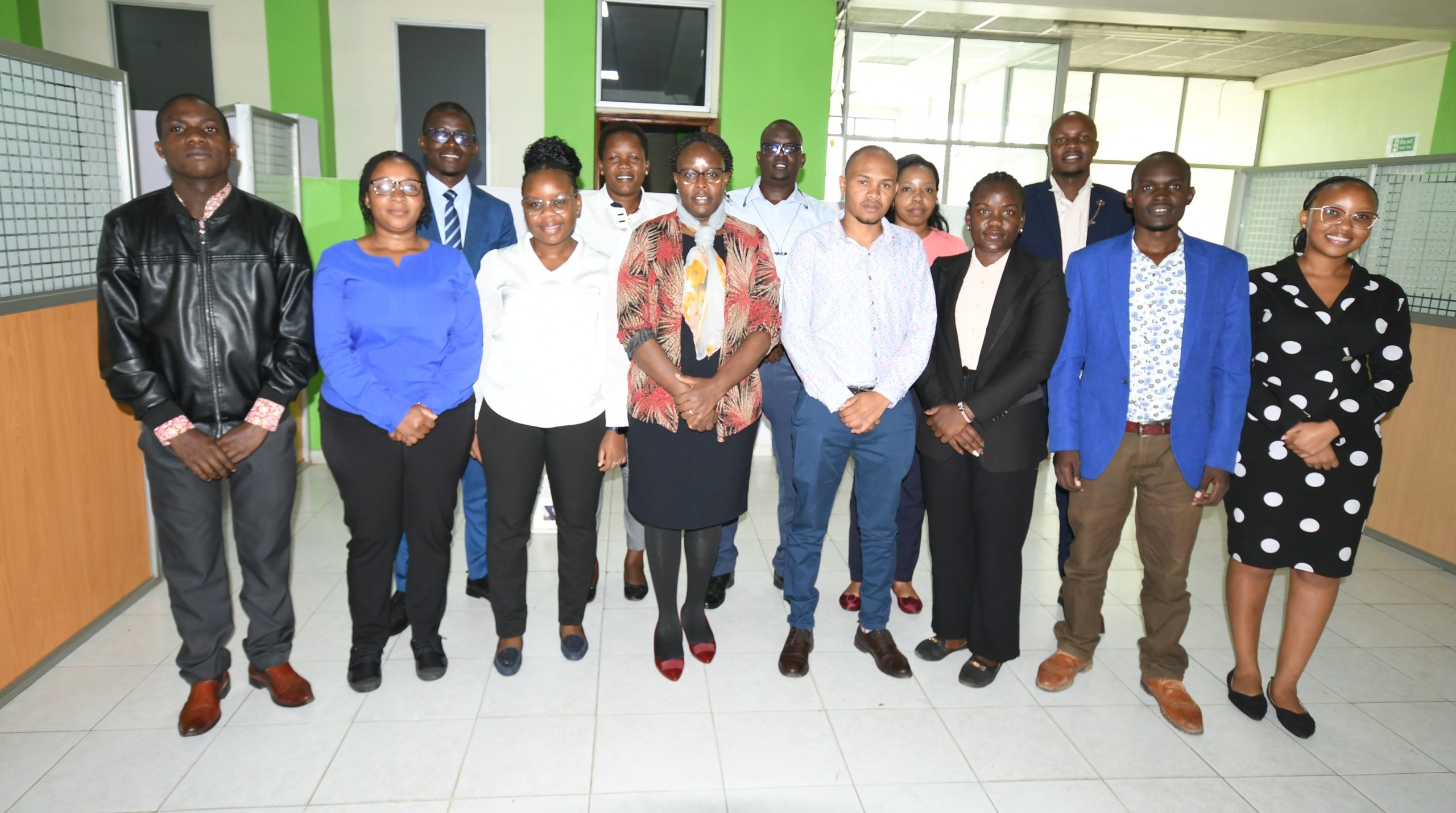
    In a proactive move to enhance service delivery and operational efficiency, the National Cancer Institute of Kenya (NCI-K) this week hosted a comprehensive productivity mainstreaming training, facilitated by experts from the National Productivity and Competitiveness Centre (NPCC). The week-long intensive program, which began on March 10th and runs up to 14th March 2025, aims to equip NCI-K staff with the tools and knowledge necessary to measure, manage, and ultimately improve organizational productivity.

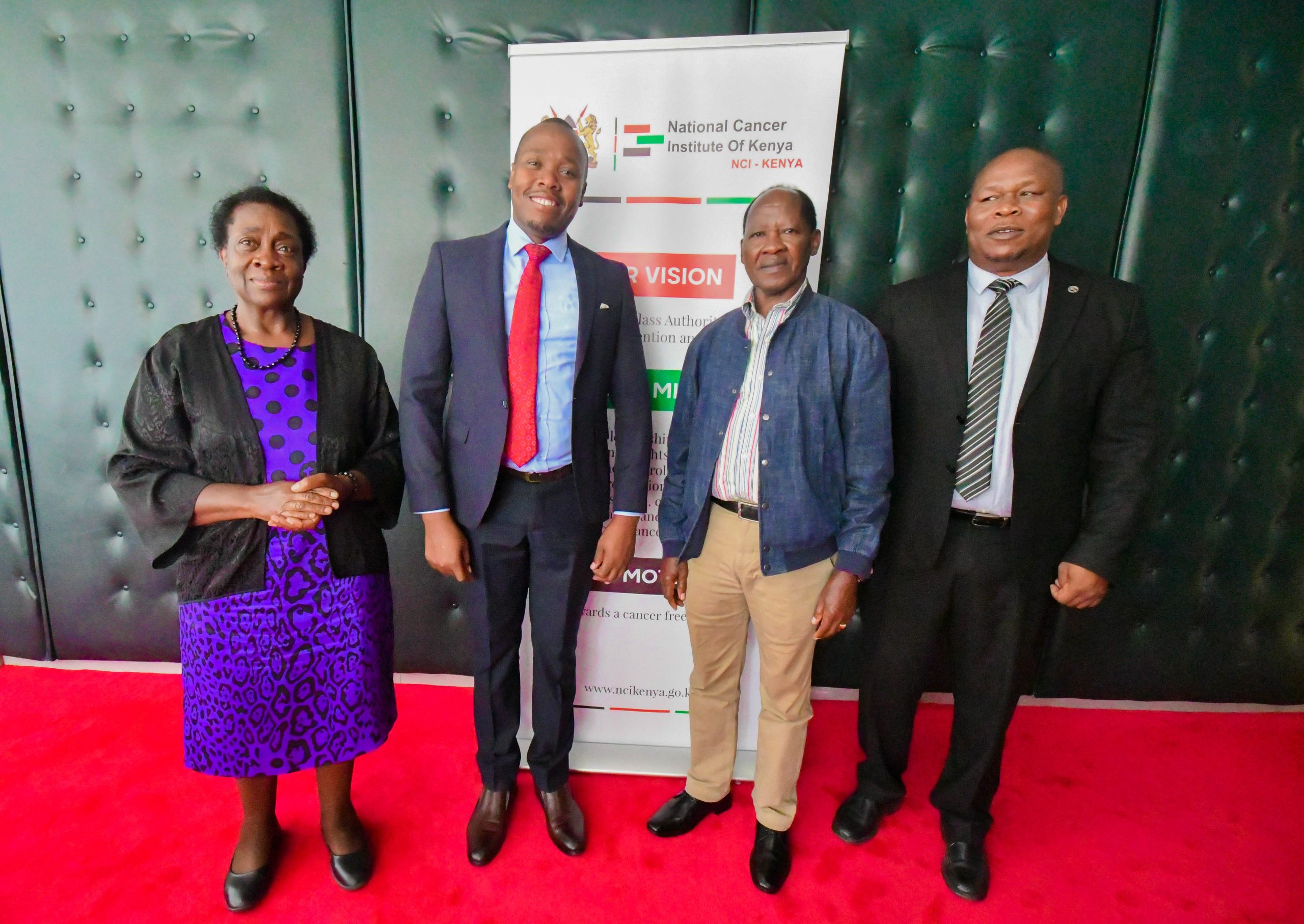
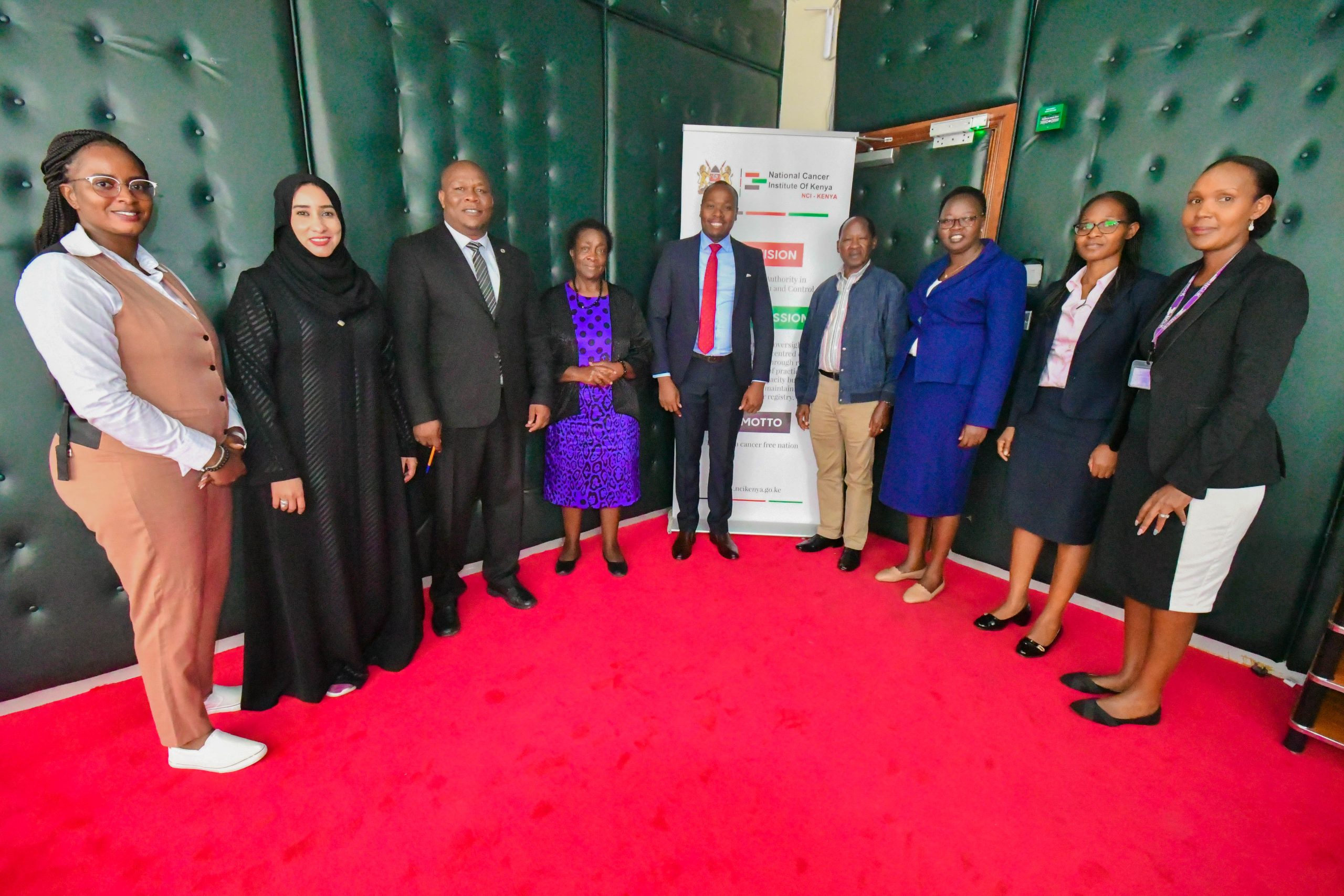
    The importance of this initiative was further highlighted by an impromptu visit from NPCC CEO, Dr. Nahashon Moitalel. His presence demonstrated the NPCC’s dedication to fostering a culture of productivity within key public institutions. Welcomed warmly by NCI-K CEO, Dr. Elias Melly, Dr. Moitalel witnessed firsthand the engagement and enthusiasm of the participating staff.

    Dr. Melly emphasized the dynamic role of the training in enhancing the efficiency and effectiveness of NCI-K personnel, ultimately leading to improved work productivity. Dr. Moitalel echoed this sentiment, urging staff to embrace productivity not merely as a means to achieve performance contract targets, but also as a fundamental principle for delivering superior service to the Kenyan people.

    A Deep Dive into Productivity Metrics:

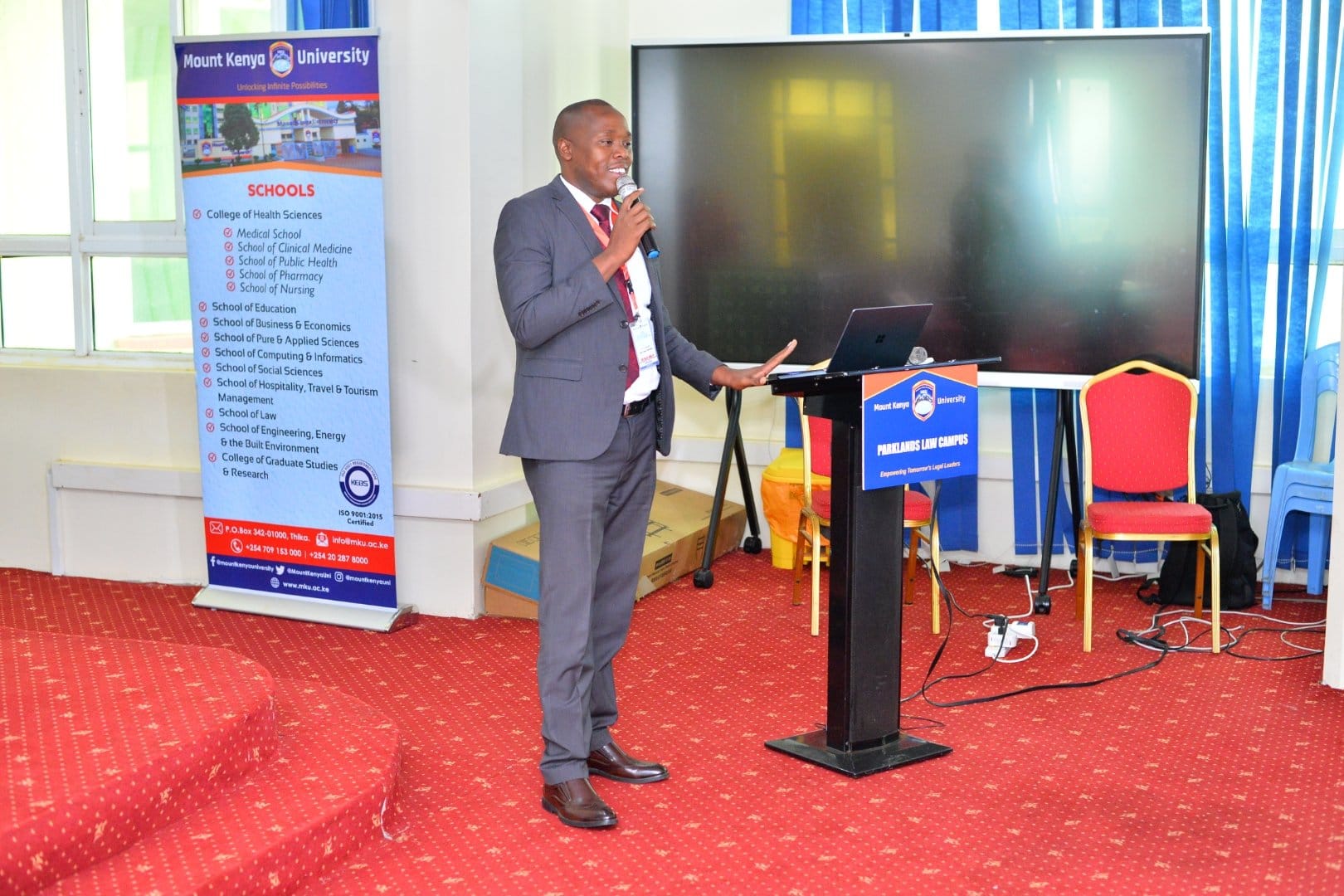
    The training, led by seasoned NPCC facilitators Jeremy Mutembei and Vincent Chirchir, covered a broad spectrum of critical topics. Participants delved into the intricacies of:

    • Productivity Metrics Theory: Understanding the foundational principles of measuring productivity.
    • Development of Productivity Metrics: Learning practical techniques for creating relevant and effective metrics.
    • Metrics Presentation and Validation: Mastering the art of communicating and verifying data.
    • Objective Metrics and AHP (Analytic Hierarchy Process): Exploring advanced methods for prioritizing and evaluating metrics.
    • Metrics Weight Allocation: Gaining insights into assigning appropriate weights to different metrics.
    • Productivity Framework Development: Constructing a robust framework for ongoing productivity improvement.

    This comprehensive training ensures that NCI-K staff gain a holistic understanding of productivity management, equipping them with the skills to implement meaningful changes within their daily operations.

    The successful completion of this training will mark a significant step towards enhancing the efficiency and effectiveness of the National Cancer Institute of Kenya. Through empowering its staff with the tools and knowledge to measure and improve productivity, NCI-K is poised to deliver even higher quality services to patients and the wider community.

    The partnership between NPCC and NCI-K serves as a model for other public institutions seeking to optimize their operations and enhance service delivery. NCI-K will continue embracing a culture of continuous improvement to contribute to a more productive and prosperous Kenya.

  • Kenya’s Decisive Strike Against Cancer: Nationwide Asbestos Removal Mandated

    Kenya’s Decisive Strike Against Cancer: Nationwide Asbestos Removal Mandated

    In a significant victory for public health, the Kenyan government has announced a nationwide initiative to eradicate asbestos, a known and deadly carcinogen, from its public and private spaces.

    This move marks a powerful step forward in the nation’s ongoing battle against cancer, placing the responsibility for safe removal squarely on the shoulders of property owners.

    The Cabinet’s approval of this initiative, overseen by the National Environment Management Authority (NEMA), highlights the government’s commitment to safeguarding its citizens from the devastating effects of asbestos exposure.

    The Cancer Connection: A Clear and Present DangerAsbestos is a recognized human carcinogen, directly linked to severe and often fatal diseases. Lung cancer, asbestosis, and mesothelioma—a particularly aggressive cancer affecting the lining of the lungs, abdomen, and heart—are among the grim consequences of asbestos exposure.

    By mandating its removal, the government is directly targeting a major environmental cause of cancer, aiming to drastically reduce future disease burdens.

    NEMA will enforce strict compliance with environmental regulations, ensuring that all removal processes adhere to the Environmental Management and Coordination (Waste Management) Regulations, 2006.Key aspects of the initiative include:

    • Environmentally sound disposal: Ensuring asbestos waste is handled and disposed of safely.

    • Compliance with regulations: Enforcing adherence to all relevant environmental laws.

    • Public awareness: Educating the public about the dangers of asbestos.

    • Environmental impact assessments (EIAs): Requiring EIAs before any removal work begins.

    • Designated disposal sites: County governments will establish safe disposal locations.

    A Proactive Approach to Public Health

    The government’s proactive approach reflects a growing global awareness of the dangers of asbestos, especially in the spread of cancer.

    By taking this decisive action, Kenya is not only protecting its citizens from a deadly threat but also setting a powerful example for other nations. The commitment to eradicating asbestos will undoubtedly contribute to a healthier future for all Kenyans.

    The government’s message is clear: compliance is non-negotiable. Failure to adhere to these regulations will result in legal action. This is not just a matter of compliance; it’s a matter of life and death.

  • Kenya Leads Africa in Breast Cancer Control: WHO Report Highlights Nation’s Success.

    Kenya Leads Africa in Breast Cancer Control: WHO Report Highlights Nation’s Success.

    Kenya stands as Africa’s leading force in the fight against breast cancer, as confirmed by a recent World Health Organization (WHO) report. The data reveals Kenya’s impressive 66.7 percent capacity score, placing the nation at the continent’s forefront and serving as a model for other African countries. This score, significantly exceeding the regional average of 37.2 percent, underscores Kenya’s dedication to women’s health.

    The report emphasizes Kenya’s exceptional performance in leadership and governance, evidenced by an 83.9 percent score. This success stems from the robust National Cancer Control Strategy (2021-2026), a comprehensive framework guiding prevention, early detection, treatment, and palliative care. The National Cancer Institute of Kenya (NCI-K) plays a crucial role in translating this strategy into action, coordinating national efforts and ensuring effective implementation.

    Kenya’s journey is strengthened by vital international partnerships with organizations like WHO, the American Cancer Society, and the Roche Foundation, providing essential resources and expertise. Notably, Kenya, alongside Algeria, Mozambique, and Rwanda, maintains an organized breast cancer screening program, showcasing a proactive approach to early detection.

    Beyond strategic planning and partnerships, Kenya’s commitment is evident in its advanced healthcare infrastructure. With at least ten dedicated cancer centers, the country boasts some of the most advanced cancer care facilities in Africa. This combination of strong leadership, strategic planning, collaborative partnerships, and robust infrastructure positions Kenya as a leader in breast cancer control, offering hope and improved outcomes for women across the nation.

  • A New Dawn for Cancer Care: Samburu County Launches Oncology Clinic

    21st February, 2025

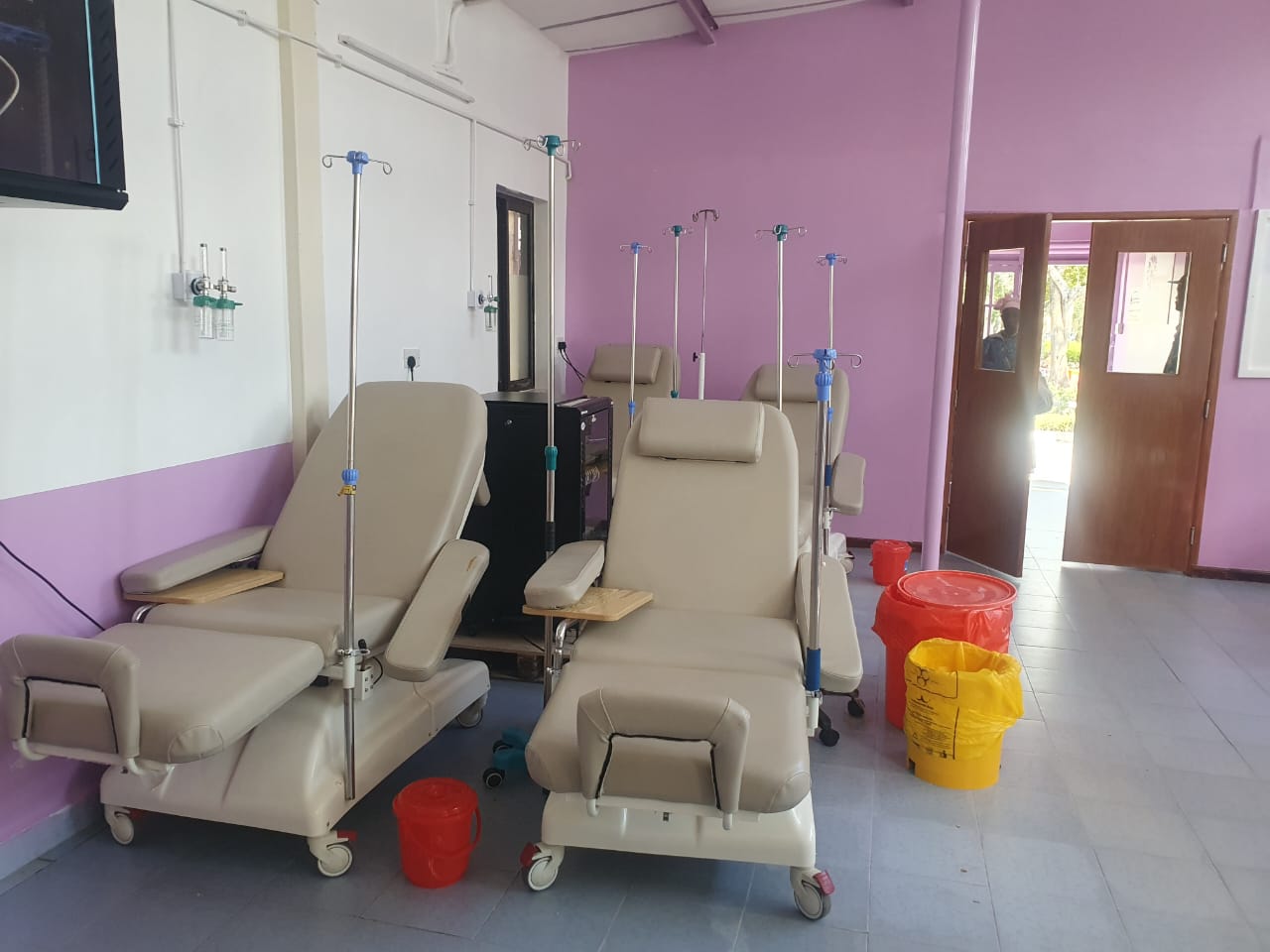
    Maralal, Samburu County – Today marked a momentous occasion for the people of Samburu County as the Cabinet Secretary for Health, Dr. Debora Barasa officially launched a state-of-the-art oncology clinic at the Samburu County Referral Hospital. This significant milestone promises to transform cancer care access for residents of this remote region.

    NCI-K CEO together with Health CS, Dr. Debora Barasa

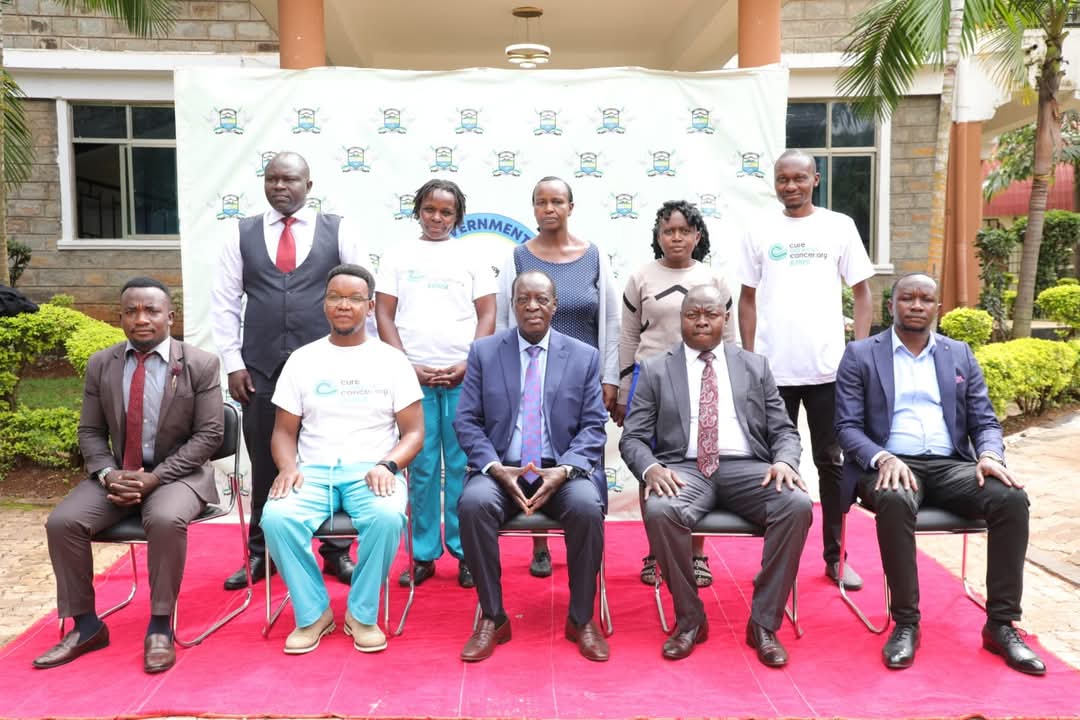
    The launch event was a testament to the collaborative spirit driving healthcare advancement in Kenya. The Cabinet Secretary, Dr. Debora Barasa was warmly welcomed by County leadership, NCI-K leadership, including Dr. Timothy Olweny, Board Chair of the National Cancer Institute of Kenya, and Dr. Elias Melly, CEO of NCI-K, and both instrumental in bringing this project to fruition.

    The event garnered significant attention from local leadership, with Hon. H.E Gabriel Lenengwesi, Deputy Governor of Samburu County, and Dr. Lekudere Nassir, CEC for Health, joining the celebration. Hon. Lengerus Pauline, the Women Representative, played an important role in ensuring the event’s success, demonstrating her unwavering commitment to the community’s well-being. Her dedication was crucial in coordinating efforts and ensuring a smooth and impactful launch.

    The CS expressed her profound gratitude to the NCI-K team, stating, “I would like to thank NCI-K leadership led by the chair and the CEO for the great work that they have done here in terms of prevention, management, and rehabilitation for patients in the region and also the country.” She further emphasized that the opening of the oncology clinic is a tangible reflection of the government’s unwavering commitment to the treatment and management of cancer.

    On her part, Samburu Women Rep, Hon. Pauline Lenguris, echoed the sentiment, expressing her appreciation to NCI-K for making cancer treatment a reality in the county. “This is our first day to start treatment for cancer, and I would like to thank the National Cancer Institute for making this a reality,” she declared.

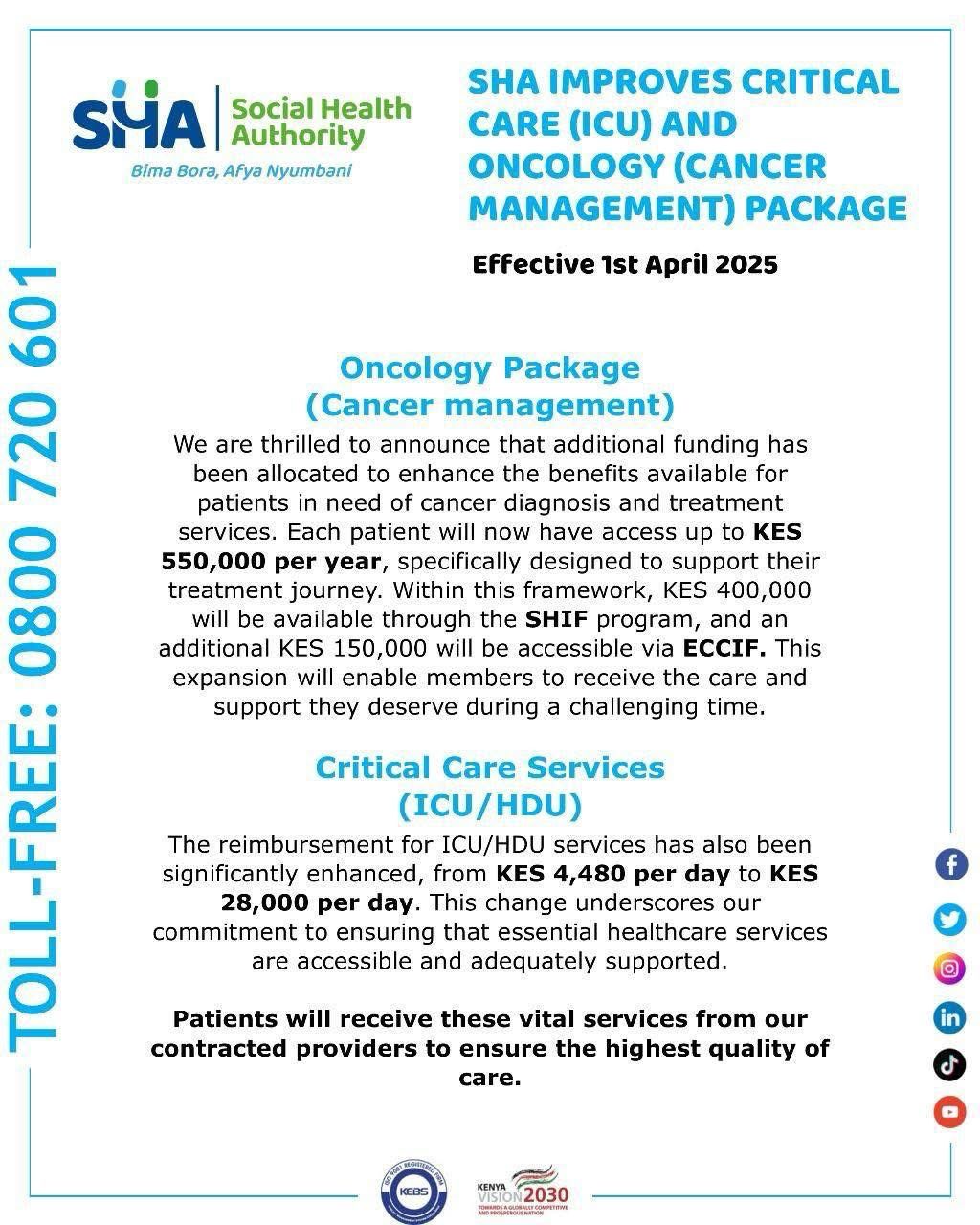
    Speaking during the event, the Cabinet Secretary assured the Samburu County government of the national government’s continued support, particularly in maximizing HPV vaccine uptake. The CS also emphasized the importance of residents registering for the Social Health Authority (SHA) to fully benefit from the oncology package, ensuring that financial barriers do not impede access to crucial cancer care.

    The newly launched oncology clinic represents a significant leap forward in addressing the challenges of cancer care in Samburu County. Previously, residents faced long and arduous journeys to access specialized treatment. This clinic will now provide vital services closer to home, reducing the burden on patients and their families.

    The launch signifies more than just the opening of a facility; it represents a commitment to providing accessible, high-quality cancer care to all. The collaboration between the national and county governments, along with the expertise of NCI-K, ensures that the people of Samburu County will have access to the resources they need to fight cancer.

    This initiative is a beacon of hope, demonstrating the power of partnership in improving healthcare outcomes. As the doors of the oncology clinic open, a new chapter begins, one filled with promise and the potential to save lives.

  • A Milestone in Turkana County: The National Cancer Institute of Kenya Launches an Oncology Clinic

    A Milestone in Turkana County: The National Cancer Institute of Kenya Launches an Oncology Clinic

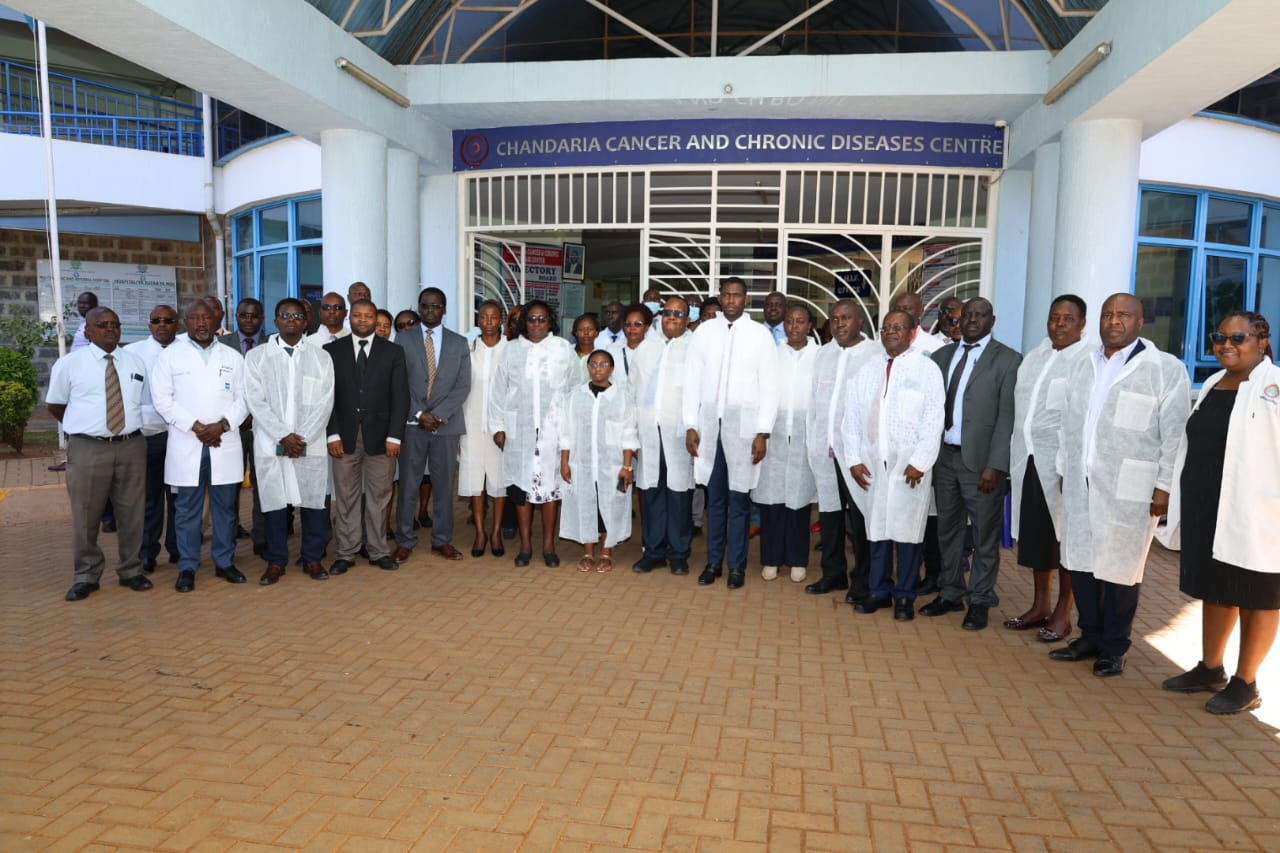
    The National Cancer Institute of Kenya successfully commemorated World Cancer Day in Turkana County, marking a significant milestone in the fight against cancer in the region. The event was graced by the presence of His Excellency, Hon. Jeremiah Ekamais Lomorukai Napotikan, Governor of Turkana County, and Dr. Elias Melly, CEO of NCI-K, among other distinguished leaders.

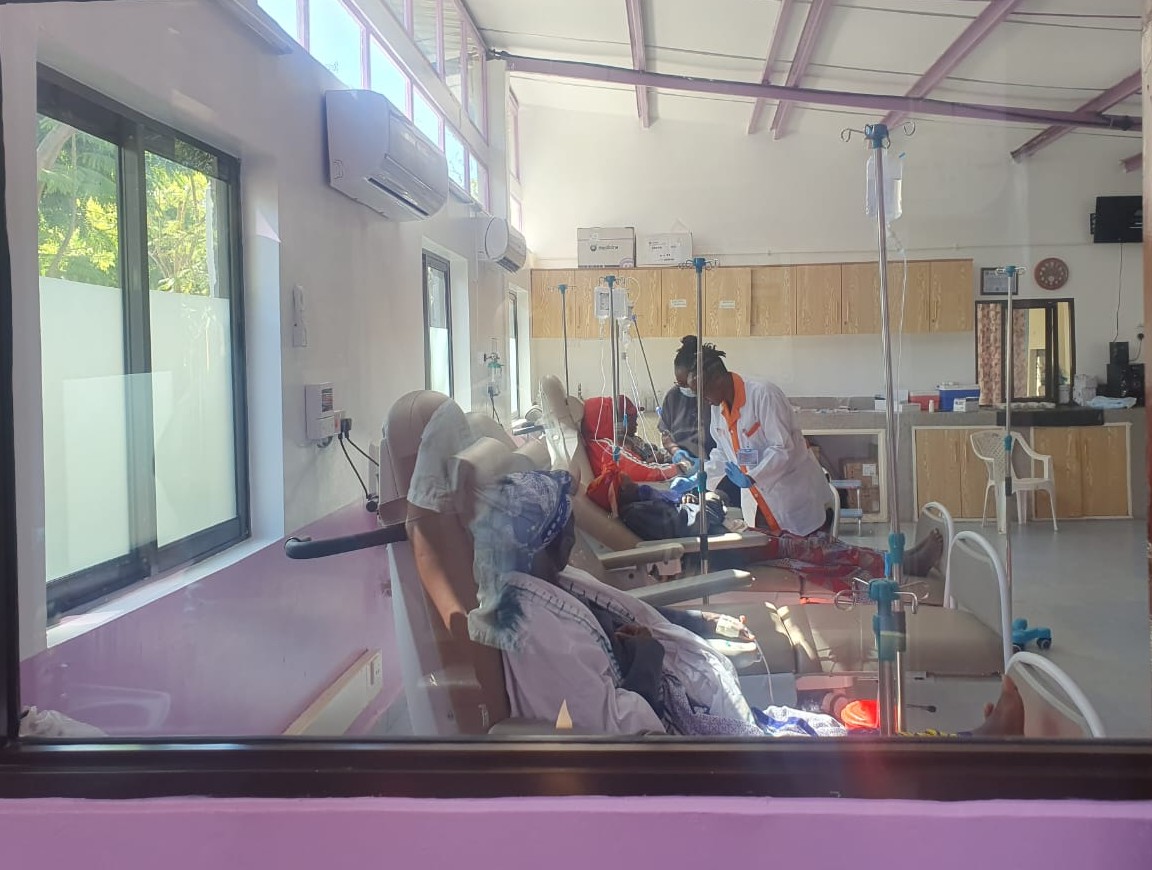
    The highlight of the event was the official launch of the oncology center at Lodwar Referral Hospital. This momentous occasion signifies a major step forward in improving access to cancer treatment and management for the people of Turkana County.

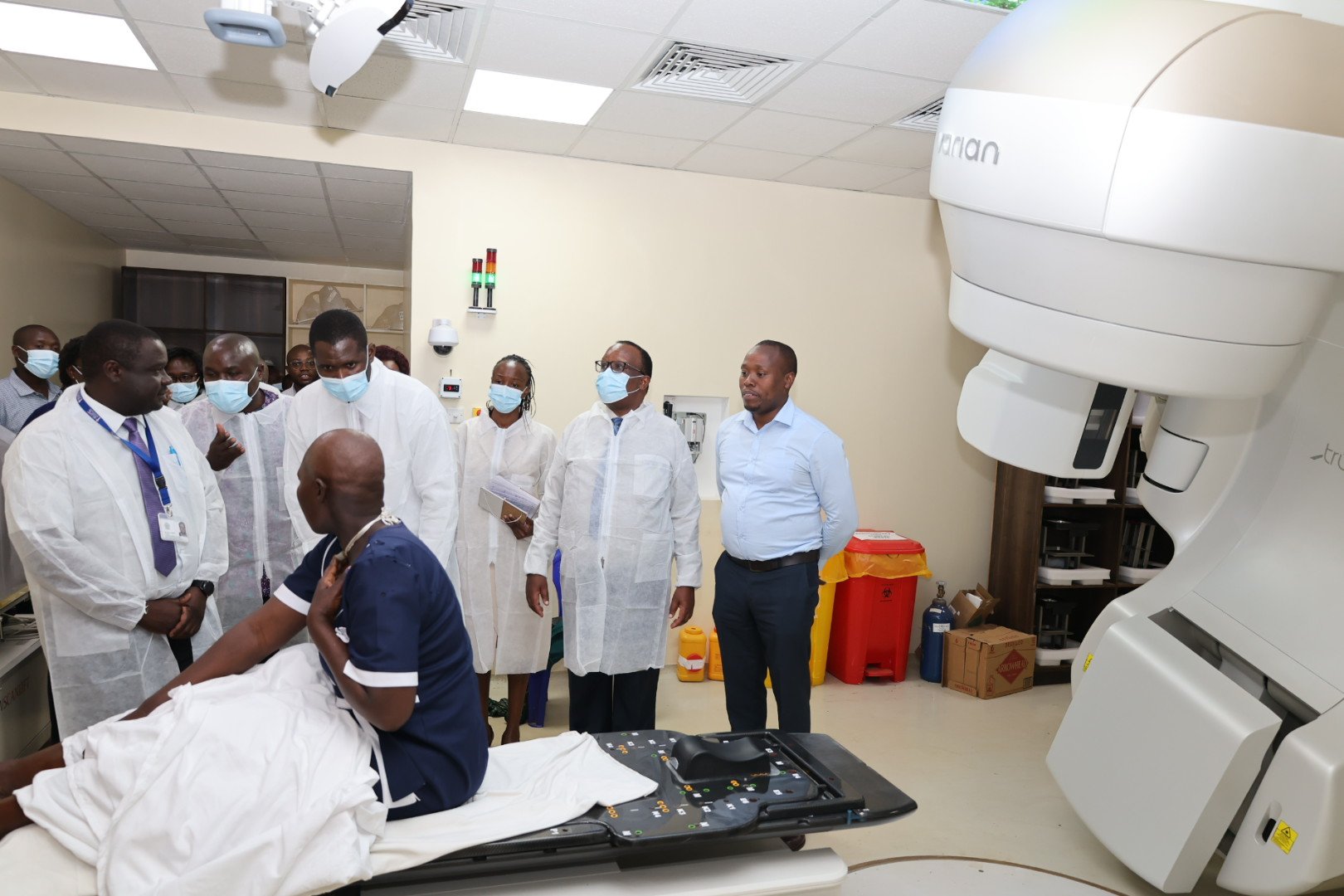
    A historic first occurred on this World Cancer Day 2025, as the inaugural chemotherapy session was administered at the newly established facility. Dr. Elias Melly, CEO of NCI-K, personally administered the first dose in the presence of the Governor, marking a crucial step in reducing the turnaround time for cancer treatment and alleviating the burden on patients who previously had to travel 360 kilometers to Moi Teaching and Referral Hospital (MTRH) for care.

    During the event, NCI-K also launched a pilot program for colorectal cancer screening in the county. This initiative builds upon existing cancer screening efforts already underway in the region. Notably, HPV vaccination campaigns have been successfully implemented across all primary schools in Turkana County.

    Throughout the week leading up to World Cancer Day, NCI-K provided a team of dedicated nurses who actively participated in screening and treating patients, demonstrating a commitment to providing immediate and accessible care. Furthermore, Dr. Melly himself spent time within the clinic, personally seeing patients. This hands-on leadership set a powerful example for all, emphasizing the importance of direct patient interaction and demonstrating a commitment to the well-being of the community.

    Addressing the gathering, Dr. Melly emphasized NCI-K’s commitment to collaborating closely with Turkana County to ensure accessible and equitable cancer care for all residents. He reiterated the government’s unwavering dedication to leaving no one behind in the fight against this disease.

    Governor Napotikan expressed his profound gratitude to NCI-K for prioritizing the needs of Turkana County and its people. He pledged his full support for the newly established oncology clinic, ensuring it receives all the necessary resources to operate effectively. Furthermore, the Governor committed to fully equipping the “Beyond Zero” mobile clinic, enabling it to effectively reach communities across the county and provide vital cancer screening services to the people.

    To ensure the smooth and sustainable operation of the oncology clinic, Dr. Melly pledged to sponsor the training of one oncology doctor at the facility. Furthermore, medical professionals from MTRH will be making regular monthly visits to Lodwar County Referral Hospital (LCRH) to provide consultation and support in the management of cancer patients.

    Dr. Melly expressed his unwavering support and commitment to the successful functioning of the oncology clinic. While acknowledging the potential challenges that may arise in establishing and maintaining the center, he expressed confidence in its success, drawing upon his experience in establishing the oncology center at MTRH, which also faced initial hurdles before achieving its current success.

  • Can Childhood Cancer Be Prevented? Understanding Risk and Prevention Strategies

    Most common cancers found in kids 14 years and below are leukemia, lymphoma, or cancer of the brain or central nervous system. More than one in four people diagnosed with bone cancer are under 20 years of age.

    Similar to adult malignancies, the majority of childhood cancers are caused by changes or mutations in genes, which cause uncontrolled cell proliferation and eventually cancer. Germline variations, which are genetic alterations (or variants) transferred from parents to their offspring, have been linked to an elevated risk of cancer

    The types of treatment that a child with cancer receives will depend on the type of cancer and how advanced it is. Common treatments include: surgery, chemotherapy, radiation therapy, immunotherapy, and stem cell transplant.

    The types of cancers that occur most often in children are different from those seen in adults. The most common cancers of children are:

    • Leukemia
    • Brain and spinal cord tumors
    • Neuroblastoma
    • Wilms tumor
    • Lymphoma (including both Hodgkin and non-Hodgkin)
    • Rhabdomyosarcoma

    Children’s cancers are not always treated like adult cancers. Pediatric oncology is a medical specialty focused on the care of children with cancer. It’s important to know that this expertise exists and that there are effective treatments for many childhood cancers.

    What causes cancer in children?

    Cancer occurs in people of all ages and can affect any part of the body. It begins with genetic change in single cells, that then grow into a mass (or tumour), that invades other parts of the body and causes harm and death if left untreated. Unlike cancer in adults, the vast majority of childhood cancers do not have a known cause. Many studies have sought to identify the causes of childhood cancer, but very few cancers in children are caused by environmental or lifestyle factors. Cancer prevention efforts in children should focus on behaviours that will prevent the child from developing preventable cancer as an adult.

    Some chronic infections, such as HIV, Epstein-Barr virus and malaria, are risk factors for childhood cancer. They are particularly relevant in LMICs. Other infections can increase a child’s risk of developing cancer as an adult, so it is important to be vaccinated (against hepatitis B to help prevent liver cancer and against human papillomavirus to help prevent cervical cancer) and to other pursue other methods such as early detection and treatment of chronic infections that can lead to cancer.

    Current data suggest that approximately 10% of all children with cancer have a predisposition because of genetic factors [5]. Further research is needed to identify factors impacting cancer development in children.

  • Breastfeeding: A Natural Defense Against Hormone-Receptor-Negative Breast Cancer

    This being a Breastfeeding week, let’s learn something on the relationship between Cancer and Breastfeeding. Did you know that women who breastfeed have a lower risk of breast cancer especially before menopause, than women who don’t breastfeed?

    Many women are not aware that breastfeeding their babies can help lower their own risk of developing breast cancer; despite the fact that most parents are aware that breastfeeding is the best way to nurture babies and offers them vital health benefits.

    Breastfeeding may be more strongly linked to a lower risk of estrogen receptor-negative (Some breast cancer cells require progesterone and/or oestrogen. Hormone receptors are unique proteins found inside these cancer cells. When hormones attach to hormone receptors, the cancer cells with these receptors grow.

    Hormone receptor-negative tumors are estrogen receptor-negative (ER-negative) and progesterone receptor-negative (PR- negative). Hormone receptors are not expressed in these tumors. Because of this, they either have few or no hormone receptors.

    Approximately 75% to 85% of newly diagnosed breast cancers are hormone receptor-positive, these hormones cane be treated with hormone therapies; hormone theraphy drugs include aromatase inhibitors, tamoxifen, anastrozole, exemestane and letrozole. Hormone receptor-negative breast cancers are not treated with hormone therapies because they don’t have hormone receptors.

    Research suggests that breastfeeding women are less likely to develop pre and post-menopausal breast cancer symptoms. And breastfeeding longer than six months can have additional benefits. Most women ignore their breast health, which results in breast cancer, due to which the number of increased breast cancer cases worldwide.

    Breastfeeding protects children from cancer, it reduces not only the mother’s chances of cancer but also the child’s. It is therefore beneficial to both mother and child. Studies show that breastfeeding prevents the child from being overweight, that later reduces the risk of many cancers such as pancreatic, post-menopausal breast, endometrial, oesophagal, rectal, and kidney cancers. 

    A mother’s hormones are altered by breastfeeding, which may delay the onset of her menstrual cycle and minimize her lifetime exposure to oestrogen and other hormones that may increase her risk of breast cancer. Breastfeeding may also aid in preventing breast cancer-causing mutations in cells.

    Breast cancer can be detected during breastfeeding; when a woman feels a lump in the breast during breastfeeding, it could be a sign of breast cancer, and the lumps can disappear after some time but can translate to cancer as a result of mastitis, which is an infection of the breast tissue by a bacteria which blocks milk ducts. Symptoms are swelling and pain in the breast, skin warmth and redness, fever. Fibro adenomas, which are lumps that feel like marble when touched and always move beneath the skin can also be the symptoms.

    REFERENCES

    Fei, F., Siegal, G. P., & Wei, S. (2022). Characterizing clinicopathologic features of estrogen receptor-positive/progesterone receptor-negative breast cancers. Clinical Breast Cancer, 22(7), e788-e797.

    Huang, Y., Ouyang, Y. Q., & Redding, S. R. (2019). Previous breastfeeding experience and its influence on breastfeeding outcomes in subsequent births: a systematic review. Women and Birth, 32(4), 303-309.

    Kay, J. E., Cardona, B., Rudel, R. A., Vandenberg, L. N., Soto, A. M., Christiansen, S., … & Fenton, S. E. (2022). Chemical effects on breast development, function, and cancer risk: existing knowledge and new opportunities. Current Environmental Health Reports, 9(4), 535-562.

    Rozeboom, B., Dey, N., & De, P. (2019). ER+ metastatic breast cancer: Past, present, and a prescription for an apoptosis-targeted future. American journal of cancer research, 9(12), 2821.

    Skilton, M. R. (2022). Obesity and Cancer. Clinical Obesity in Adults and Children, 211-220.

    Trabert, B., Sherman, M. E., Kannan, N., & Stanczyk, F. Z. (2020). Progesterone and breast cancer. Endocrine reviews, 41(2), 320-344.

  • Improving Breast Cancer Outcomes in Kenya: Focus on Early Detection & Prevention

    This month provides an opportunity for us all to focus on breast cancer and its impact on those affected by the disease in our community.

    The total breast cancer cases notified by county of usual residence between the years 2020 and 2023 amounted to 4,824 people in Kenya, Nairobi County leading with the highest number of diagnosed people at 550 followed by Nakuru County which registered 398 people.

    Finding breast cancer early provides the best chance of surviving the disease. While mammograms can help to detect cancer before you can feel a lump, breast self-exams help to be familiar with how your breasts look and feel so you can alert your doctor if there are any changes.

    Take the time to ‘get to know’ how your breasts normally look and feel through normal regular activities such as showering, getting dressed, using body lotion or looking in the mirror.

    You don’t need to use a special technique, but ensure you look at and feel your breasts regularly. Make sure this includes all parts of your breast, your armpit and up to your collarbone.

    For women of all ages, it is recommended that you be breast aware.

    Changes to look for include:

    • a new lump or lumpiness, especially if it’s only in one breast
    • a change in the size or shape of your breast
    • a change to the nipple, such as crusting, ulcer, redness or inversion
    • a nipple discharge that occurs without squeezing
    • a change in the skin of your breast such as redness or dimpling
    • An unusual pain that doesn’t go away.

    Visit a doctor in case you notice any changes in your breast.

    Breast cancer signs

    According to doctors, it is quite difficult for breast cancer to get diagnosed for women under 40 because their breasts are denser. This means that a tumour, if present, is not likely to show up in a mammogram.

    The most common way to detect breast cancer in younger women is to keep a close check on the changes in your breasts. In fact, according to Healthline, a majority of young women diagnosed with breast cancer discover an abnormality themselves. If you notice any changes in your breast, like changes in the skin, nipple discharge, pain, tenderness, or a lump or mass in the breast or underarm area, please report it immediately to a doctor.

    Breast cancer is one of the most common cancers in women and there is a misconception among people that it only happens to older women. While it’s true that most breast cancers are found in women who are 40 years or older, it is imperative to know that it can strike any female at any age.

    Pain in any Area of The Breast

    Check for pain and tenderness in any area of your breast. While lumps don’t usually hurt, some may cause a prickly sensation. However, pain in your breasts can also be due to numerous other benign reasons and hormonal changes. 

    Unusual Nipple Discharge

    An unusual nipple discharge that’s clear, red, brown, or yellow (other than breast milk) can be an early sign of breast cancer. If you notice this, consult a doctor for an evaluation.

    Breast Changes

    Look for changes in shape, swelling, and difference in size, texture, or temperature of either one or both breasts.

    Unexplained Redness/Rash

    Early warning signs of breast cancer can include unexplained redness, swelling, itchiness, or rash on one or both breasts.

    Swelling around the Collarbone or Armpit

    Consult your doctor if you notice swelling around your collarbone or under the arm. It could be a sign that the breast cancer has spread to the lymph nodes in that area.

    While these are some of the early signs of breast cancer, it is important to remember that these can also be caused by benign conditions. It’s always best to consult a doctor so that they can evaluate and help you determine whether it is cause for concern.

    Apart from this, it’s also important to keep in mind that often, women with breast cancer have no symptoms. This is why regular breast screening is important to detect it. The main tool to diagnose breast cancer is a mammogram, which basically shows normal and abnormal breast tissue.

    It is recommended that women should start getting mammograms when they cross the age of 40 and should continue getting one every 1 or 2 years. Meanwhile, for women above the age of 20, monthly breast self-examination is recommended.